

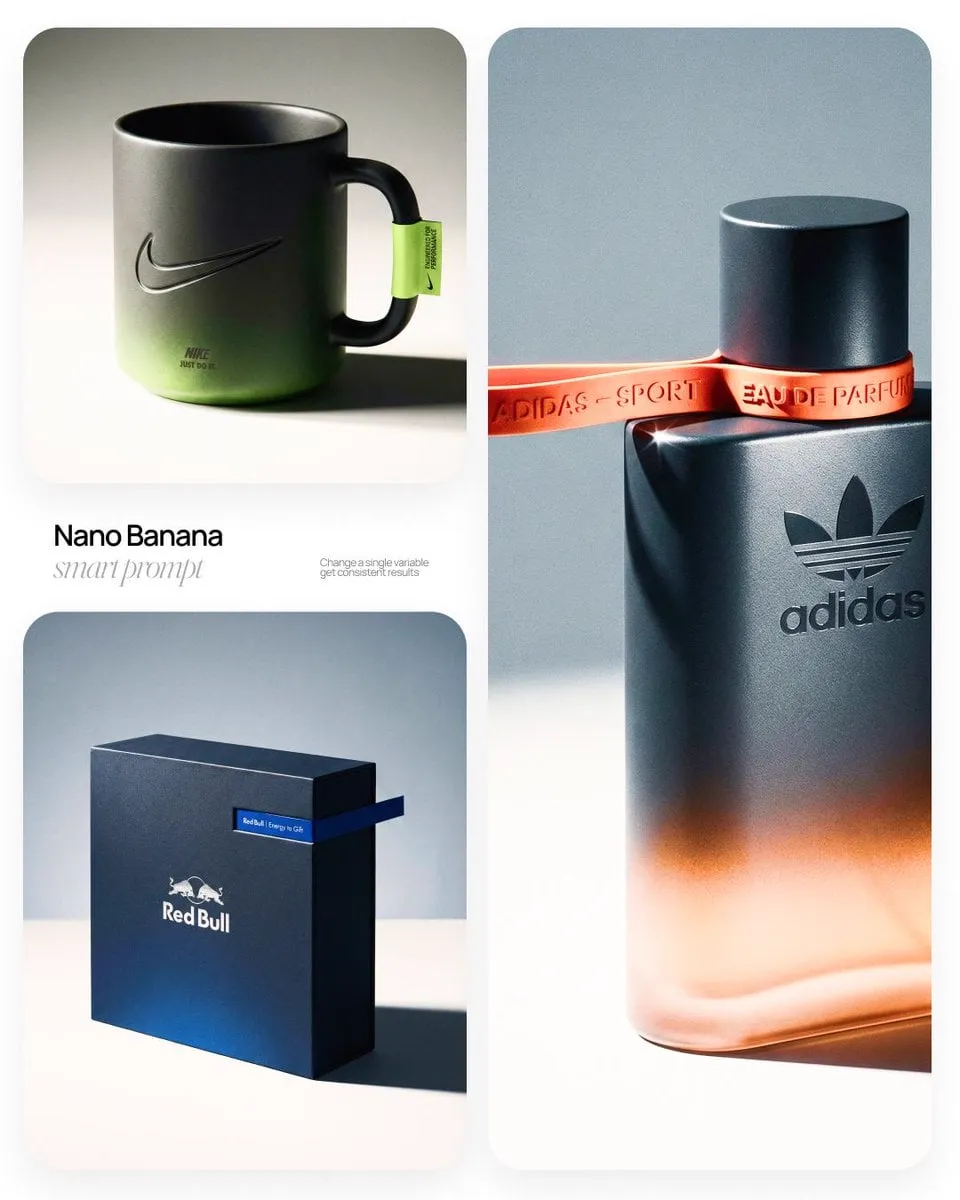
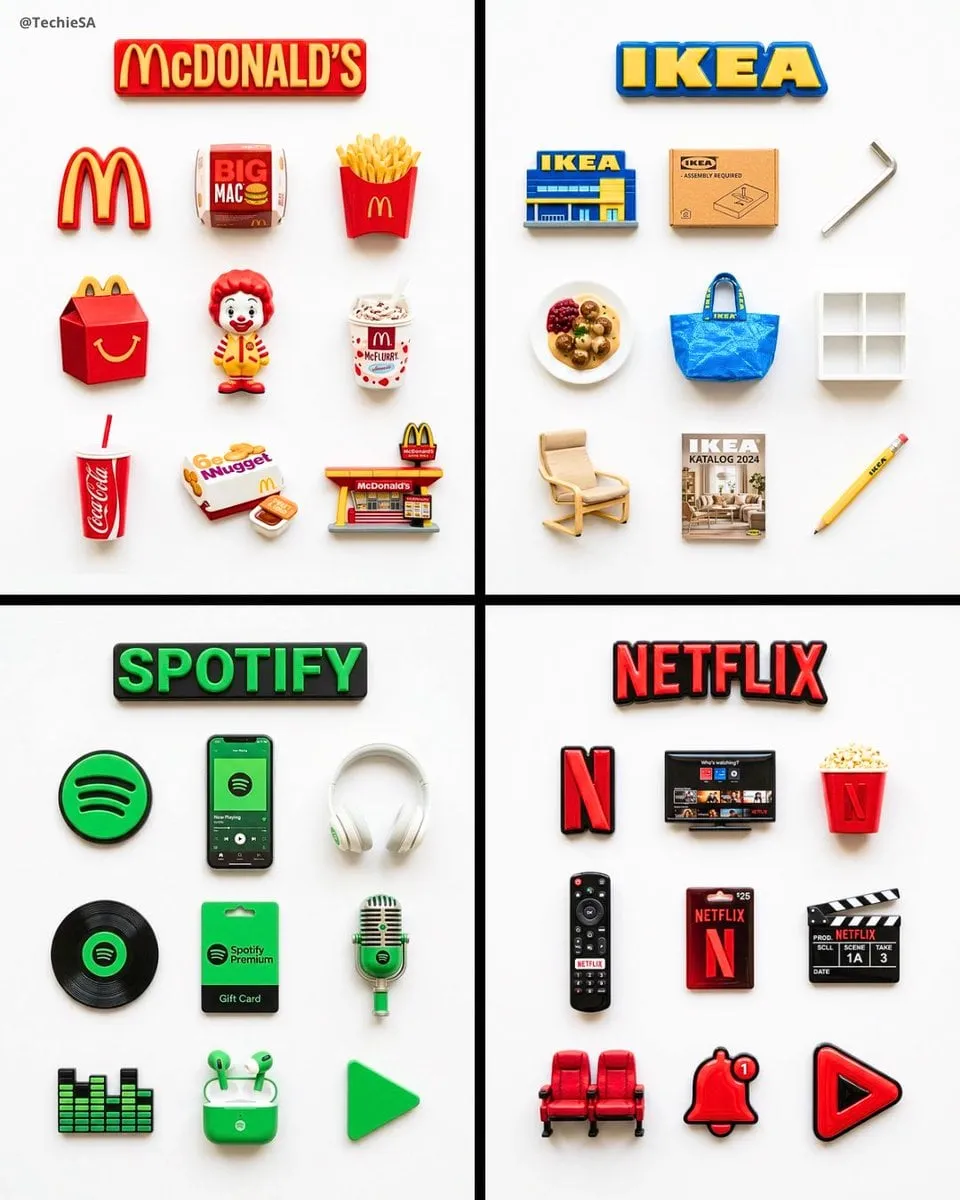
Style transfer and fusion art sit at the intersection of digital art and machine learning, and in 2025 they have become essential tools for anyone producing AI-assisted visuals. The idea sounds simple: take the visual characteristics of one image, its texture, color palette, brushwork, and apply them to another image without destroying the original content. The practice, however, is full of nuance. Done well, it produces visuals that feel intentional and original. Done poorly, it produces a muddy blend that satisfies no one.
This article explains how style transfer actually works under the hood, why fusion techniques matter for consistency, and how to use these methods to build a coherent visual identity across a video project. It is written for creators who want to understand the mechanism, not just copy prompts.
The Basic Idea: Separating Content from Style
The core insight behind neural style transfer is that an image carries two kinds of information: what is in the picture, the content, and how it looks, the style. A photograph of a city skyline contains the content (buildings, sky, streets) and a photographic style (realistic textures, natural colors). The same skyline painted by Van Gogh would keep the content but adopt a different style: bold brushstrokes, intense colors, swirling textures.
Machine learning models learn this distinction by analyzing images at multiple levels. Early layers of a convolutional neural network capture fine details: edges, textures, small patterns. Deeper layers capture higher-level structure: objects, shapes, the arrangement of a scene. Style lives mostly in the early layers, where statistical patterns of texture and color accumulate. Content lives in the deeper layers, where the network has built an understanding of what the image depicts.
Style transfer works by matching the statistical properties of one image's early layers, the style source, while preserving the structural properties of another image's deep layers, the content target. The result is a new image that shows the content of the target through the visual language of the style source.
Deep Learning Architectures for Style Transfer
The architectures used for style transfer have evolved through several generations. Early approaches iterated on the pixels themselves, optimizing an image until its layer statistics matched the style reference. This produced beautiful results but required minutes of computation per image. Later approaches trained feed-forward networks that could transfer a learned style in a single pass, trading flexibility for speed.
The current generation benefits from the same diffusion-based technology that powers text-to-image generation. Instead of a fixed style, a diffusion model can interpret a style description, a reference image, or a combination of both, and apply it with far more sophistication. This is why modern tools can transfer a style while respecting the content's structure so well: the model understands both what the style looks like and what the content means.
For creators, the practical implication is that the old trade-off between quality and speed has largely disappeared. Real-time style previews are common, and the bottleneck is no longer computation but judgment: choosing the right style reference and the right strength of application.
Matrix Analysis: What the Network Actually Computes
Under the hood, style transfer relies on statistical summaries of the network's activations. When an image passes through a convolutional layer, it produces a set of feature maps, each one responding to a particular kind of pattern. The correlations between these feature maps, captured in what is called a Gram matrix, summarize the style of the image at that layer.
The Gram matrix is essentially a fingerprint of style: it records which patterns tend to appear together, with what intensity. Two images with similar Gram matrices at a given layer will share similar textures and colors, even if their content is completely different. Style transfer algorithms adjust the target image until its Gram matrices at multiple layers approximate those of the style source, while its deeper content representations stay close to the content target.
Understanding this mechanism explains several practical observations. First, style strength is controllable: weighting the style loss higher produces a more aggressive transformation. Second, different layers capture different scales of style: shallow layers hold fine texture, deeper layers hold broader compositional feel. Third, the choice of content layers determines what survives the transformation: preserving deeper layers keeps more of the original structure.
Multi-Image Fusion and Character Consistency
Style transfer becomes truly powerful when combined with fusion techniques. Instead of one content image and one style image, you work with multiple references: a character sheet, an environment, a palette, a mood board. The system merges these into a coherent scene while applying the target style.
The most important practical use of fusion is character consistency in video. The hardest problem in generative video has always been keeping a character recognizable across shots. When a character moves between scenes with different lighting, angles, and backgrounds, the model's idea of that character tends to drift. Fusion solves this by binding the character's identity to fixed references and applying the style layer on top.
In practice, you create a character sheet once, define the structural identity, and then every shot in the project uses that same structural layer with whatever style the scene requires. The character remains recognizable because the structure never changes, only the skin of the style does. This is the technique behind convincing AI storytelling in 2025.
Texture Optimization and Render Quality
Style transfer is not only about applying a look; it is also about preserving quality. A common failure is that aggressive style transfer destroys fine detail: faces become smeared, text becomes unreadable, product surfaces lose their material feel. This happens because style statistics operate at a scale that does not respect important content boundaries.
Modern pipelines address this with optimization techniques that protect high-frequency detail. The system identifies regions where structure matters, like faces or logos, and reduces the style strength there while applying it fully to areas where texture is less critical. The result is a transformed image that keeps the style's personality without sacrificing the content's legibility.
Render quality also depends on resolution. Style transfer at low resolution produces artifacts that look acceptable in a thumbnail but fall apart on a large screen. Professional workflows generate at high resolution, or upscale with dedicated models afterward, so the final render holds up everywhere it is published.
From Style Transfer to Fusion: Building a Visual Narrative
The real art of fusion is narrative. A single stylized image is a moment; a consistent sequence of stylized images is a story. The transition from style transfer to fusion is the transition from decorating individual frames to building a coherent visual world.
Time and space analysis matters here. When characters move across frames, the system must maintain not only their visual identity but also the continuity of the environment: the same lighting direction, the same color grading, the same architectural details. This requires the structural layer to persist across the whole sequence, not just within a single generation.
Advanced fusion techniques use structural overlap and feature weighting to blend references smoothly. Instead of a hard cut between reference images, the system blends them according to the composition of each frame. A wide shot might weight the environment reference more heavily; a close-up weights the character reference. This dynamic weighting is what makes multi-scene projects feel like one continuous world.
How Models Fit Into the Fusion Process
Different models bring different strengths to fusion. A photorealistic model preserves material fidelity and lighting; an animation-focused model keeps line art and color stability; a multimodal model can interpret multiple references simultaneously and blend them more naturally. The choice of model is a creative decision, not just a technical one.
For beginners, the practical advice is to start with one strong model and master the fusion workflow before expanding. Learn how to prepare reference images, how to set fusion weights, and how to recognize when the blend is working. Then experiment with models that add specific capabilities: better faces, better environments, better motion.
Technological Innovations and Challenges in 2025
The frontier of style transfer and fusion is moving fast. High-frequency texture and material synthesis, the ability to generate convincing surfaces for fabrics, skin, wood, metal, has improved dramatically. Models now understand materials well enough to re-light them, not just re-texture them. This is a big deal for product visualization and advertising.
The remaining challenges are honest to name. Consistency across very long sequences still strains the best systems. Extreme style transformations can still break structure. And the ethics of style mimicry, copying a living artist's style without consent, is an unresolved conversation the industry is still having. Using style transfer to build an original identity is very different from cloning a known artist's work.
A Practical Workflow for Stylized Video
- Define the style direction. Collect references: paintings, photographs, film stills, color palettes. Know what you are aiming for before you start.
- Create the structural assets. Character sheets, environment references, object shots. These are your anchors.
- Set the fusion weights. Decide which references dominate in which scenes.
- Apply the style. Choose the model and the style strength. Start moderate; aggressive transfer is easier to add than to remove.
- Protect critical detail. Check faces, text, and product surfaces. Adjust region-specific strength if detail is lost.
- Render at high resolution. Generate or upscale so the final output survives every screen.
- Review the sequence. Watch for drift across frames and fix the structural layer before re-rendering.
Practical Examples: Three Projects, Three Approaches
Theory is easier to grasp with concrete cases. Here are three typical projects and how style transfer and fusion techniques apply to each.
Project 1: A brand series with a recurring product. A cosmetics brand needs thirty short videos, all featuring the same product bottle in different environments and moods. The structural layer is the bottle: its shape, label, and color are captured once as reference. Each video then applies a different style, a clean studio look for one ad, a warm lifestyle look for another, a bold editorial look for a third, while the bottle itself never changes. The audience recognizes the product instantly, and the brand gets variety without losing identity.
Project 2: An animated story with a consistent cast. A creator builds a five-episode animated series. Each episode has different locations and lighting, but the characters must remain the same. Character sheets define the structural identity; fusion binds each character to their sheet in every scene. Style transfer adjusts the mood per episode, a softer palette for the introspective episode, a harsher contrast for the action episode, without breaking the cast's appearance.
Project 3: A product catalog from one photoshoot. A retailer has one studio photoshoot of a product line and wants to reuse the images across seasonal campaigns. Style transfer restyles the base photos: autumn tones for the fall campaign, snow and cool light for winter, pastels for spring. The product stays faithful because the structural layer is locked; only the surface changes. The cost of a new campaign drops to a fraction of a new photoshoot.
Each project follows the same principle: fix what must not change, and vary what can. The skill is deciding which is which.
FAQ
What is the difference between style transfer and fusion?
Style transfer applies a visual style to one image. Fusion combines multiple references, character, environment, palette, into one coherent scene, often while also applying a style. Fusion is the broader technique; style transfer is one of its tools.
How do I keep the content recognizable during style transfer?
Preserve deeper structural layers by setting the content preservation weight high enough, and protect critical regions like faces and text with region-specific strength.
Can style transfer work on video?
Yes. The same principles apply frame by frame, but the structural layer must persist across frames to avoid flicker and identity drift. This is where fusion and reference binding become essential.
Which model is best for stylized output?
It depends on the style. Photorealism models preserve materials and light; animation models keep line art and colors stable. Test a shortlist against your style reference and choose by output, not by reputation.
Is copying an artist's style ethical?
Style mimicry of living artists without consent is a serious ethical and legal gray area. The safer path is to build an original style from your own references and influences.
How much technical knowledge do I need?
Very little to start. Modern tools handle the math. The skill that matters is visual judgment: knowing what looks right and how to describe it.
Conclusion
Style transfer and fusion art have matured from research curiosities into production tools. The core principle, separate structure from style, then combine them deliberately, unlocks both creative flexibility and technical consistency. Creators who understand this principle can build visual identities that hold across projects, characters that stay recognizable across shots, and styles that serve the story instead of fighting it.
The technology will keep improving, but the fundamentals will not change: content and style are two different things, and the best work treats them that way. Master the separation, and you master the art.
