
Why Symbolist Art Connects with AI Video
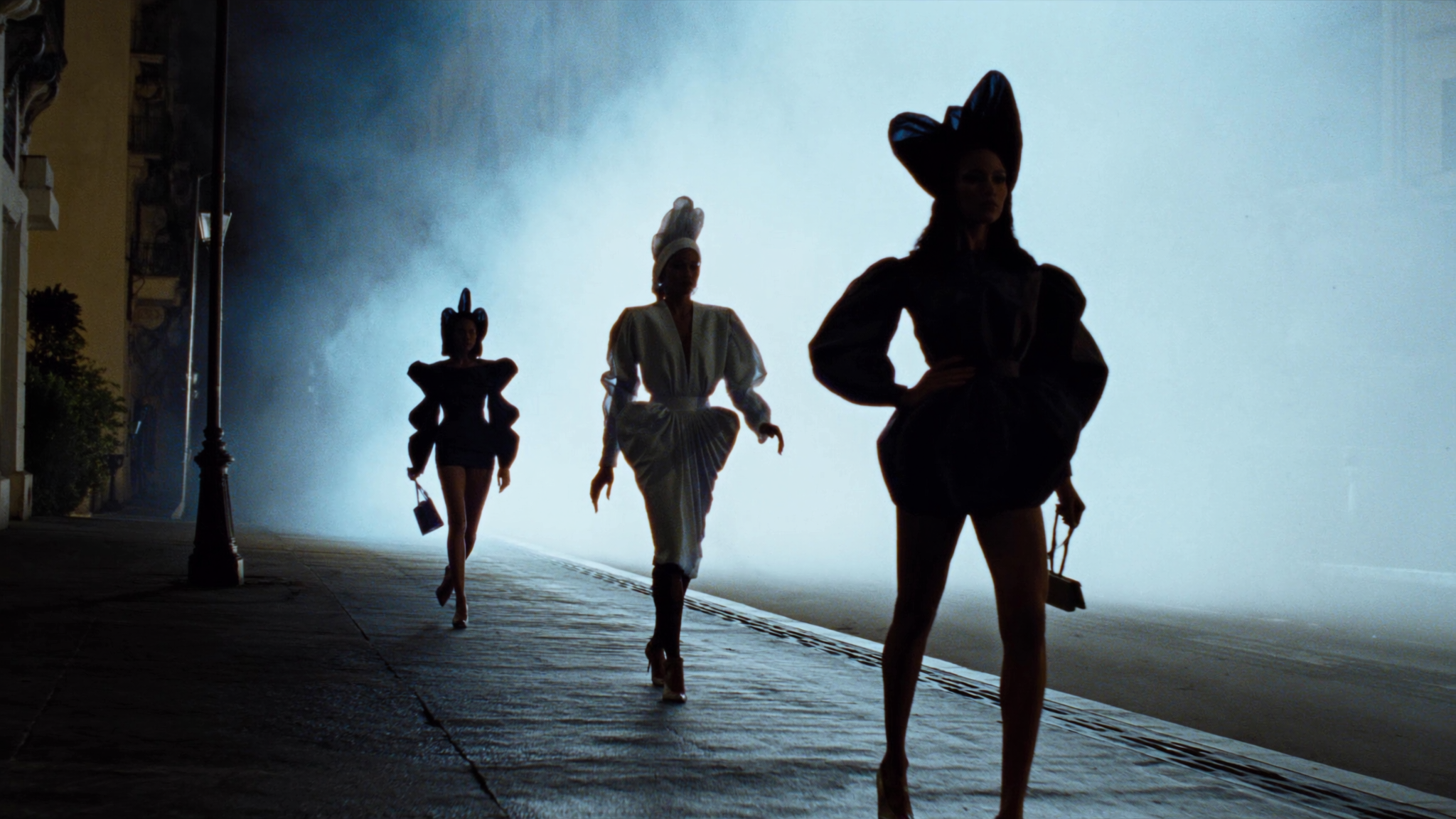
Symbolist art emerged in the late nineteenth century as a reaction against literal representation. Instead of depicting the world as it appeared, artists like Gustave Moreau and Odilon Redon used symbols, dreamlike imagery, and the unconscious to express ideas that words could not carry. A century later, that sensibility has found an unlikely partner: generative AI.
Audiences in 2025 are tired of surface-level content. They scroll past generic product shots and literal storytelling, but they stop for imagery that feels meaningful and strange. Symbolist-inspired AI videos tap into that hunger. They are memorable by design, they resonate culturally, and they give brands and artists a way to say something deeper than "look at our product."
This guide walks through the full process: choosing models, encoding symbols in prompts, maintaining visual consistency, directing the narrative, and sharing the result with a community that understands it.
Understanding the Symbolist Aesthetic
Before you can generate Symbolist-inspired video, you need a working definition of the style.
Core Visual Traits
- Dreamlike, ambiguous space: scenes that feel real but obey a different logic.
- Recurring symbols: eyes, mirrors, masks, moons, birds, labyrinths, water.
- Strong chiaroscuro: dramatic contrast between light and shadow.
- Muted or symbolic color: deep blues, golds, blood reds used for meaning, not realism.
- Figures that carry weight: the human form as an idea, not just a subject.
The Emotional Register
Symbolism is about mood before message. The viewer should feel unease, wonder, or nostalgia before they understand why. When you design a prompt, ask: what should the viewer feel in the first three seconds? That feeling is the symbol you are building around.
Choosing the Right AI Models
Not all models handle symbolic imagery well. The complexity and subtlety of Symbolist art demand strong stylistic understanding.
What to Evaluate
- Stylistic range: can the model produce painterly, non-photorealistic output, or does it default to realism?
- Symbol consistency: does an eye, a mirror, or a mask stay recognizable across frames?
- Atmosphere: can the model render fog, grain, and dramatic light without turning the image muddy?
- Motion quality: dreamlike movement is often slow and fluid; test whether the model handles that or drifts into jitter.
Model Families Worth Testing
Flux-family models are strong for detailed, painterly stills and carry style well into video when used as reference. Runway's Gen series is a reliable choice for cinematic sequences with sustained mood. Kling handles atmospheric scenes with good motion coherence, and MiniMax Hailuo offers fast iteration at low cost, which matters when you are experimenting with many symbolic variations. Luma Ray 2 excels at natural, flowing motion that suits dreamlike transitions. There is no single right answer; the winning combination is usually a model for the keyframe and a different one for the motion pass.
Prompt Engineering: Encoding Symbols
Prompt engineering for Symbolist video is translation work: turning an abstract idea into concrete, interpretable commands.
Start with a Meta-Description
Describe the idea first in plain language: "a person crossing a desert while carrying a mirror that reflects a city that no longer exists." Then translate that into visual terms the model understands: "a lone figure in a long coat walks through dunes at dusk, holding an ornate mirror; the mirror reflects a distant modern cityscape in golden light."
Use Symbol Dictionaries
Certain symbols carry consistent cultural weight. A labyrinth suggests confusion or the search for meaning. A broken mirror suggests fractured identity. An eye in the sky suggests surveillance or awakening. Keep a small personal dictionary of symbols and their meanings; it makes your prompts faster and more coherent across a series.
Layer, Don't List
A common mistake is cramming ten symbols into one prompt. Choose one central symbol, support it with one or two secondary elements, and leave space for ambiguity. The model needs room to breathe; a crowded prompt produces a crowded, meaningless frame.
Specify Style Explicitly
Say "painterly, inspired by late nineteenth-century Symbolist painting, soft brushwork, deep blue and gold palette, chiaroscuro lighting" rather than assuming the model knows the movement. Style keywords anchor the aesthetic even when the content is abstract.
Maintaining Character and Scene Consistency
Symbolist videos often revolve around a recurring figure or symbol. That figure must remain recognizable or the emotional thread breaks.
Use Reference Images
Generate a reference image of your central figure first, then use it as the identity anchor across scenes. Several images showing the figure from different angles and in different moods give the model a stable idea of who this person is.
Fix the Anchors in Every Prompt
Whatever does not change must be stated every time: the figure's clothing, the key prop, the palette. Consistency in the prompt is what allows variation in the scene.
Keep the Symbol in Frame
If the mirror is the central symbol, it should appear in most scenes, even briefly. Recurrence is what makes a symbol feel symbolic rather than decorative.
Directing the Narrative with AI
A Symbolist video needs structure, not just a sequence of pretty images.
Build a Symbolic Arc
Give the video a beginning, a middle, and an end in emotional terms. The figure approaches the mirror; the mirror shows something unexpected; the figure changes. This three-beat arc is simple, but it gives the video a reason to exist.
Let the AI Suggest Camera Language
Modern video tools increasingly include direction features that analyze your script and suggest shot types: establishing wide, slow push-in, overhead, tracking. Use them as a starting point, then override where your symbolic intent requires something specific. An overhead shot of a labyrinth means something different from a ground-level tracking shot through it.
Map Symbols to Camera Beats
Assign each symbolic beat a camera treatment: the first appearance of the symbol gets a slow push-in, the moment of revelation gets a quick cut, the resolution gets a long, static hold. This mapping turns abstract meaning into visible rhythm. A useful rule of thumb: the camera should move the way the emotion moves. Calm reflection gets a slow, steady frame; unease gets a handheld wobble; revelation gets a decisive push-in. When the camera language matches the emotional language, the symbols land without explanation.
Integrating Symbolic Elements into the Pipeline
Separate the Passes
Treat stills and motion as separate passes. Lock the keyframe with an image model where you have the most control, then animate it with a video model. This two-pass workflow gives you far more control over symbolic details than a single text-to-video pass.
Keep a Style Sheet
Document the palette, lighting, symbols, and model settings for the project. When you generate scene five three days after scene one, the style sheet is what keeps everything coherent.
Test the Mood Early
Generate a single representative frame before committing to the full video. If the frame does not carry the intended mood, no amount of motion will save it.
A Technical Pipeline for Symbolic Video
A repeatable pipeline makes the difference between one lucky video and a reliable body of work.
Step 1: Mood Board First
Before writing a single prompt, assemble a mood board: reference images, color palettes, and fragments of text that carry the feeling you want. The mood board is the brief the prompt must satisfy. It prevents the drift that happens when you generate scene by scene without a fixed reference point.
Step 2: Lock the Style Sheet
Write down the non-negotiables: palette, lighting treatment, brush feel, and the symbols that must appear. Every prompt in the project repeats these anchors. The style sheet is what keeps scene five coherent with scene one.
Step 3: Keyframe Then Animate
Generate a locked keyframe with an image model, review it against the mood board, then animate it with a video model. This two-pass workflow gives you control where it matters most: the still image that defines the look. Animation should serve the keyframe, not reinterpret it.
Step 4: Batch and Compare
Generate several variations of each scene and compare them side by side. Symbolic work benefits from options: the model often produces an unexpected detail that is better than what you planned. Keep the best, document why, and move on.
Step 5: Log Everything
Track prompts, models, seeds, and which variations worked. A project log turns every session into reusable knowledge. Six months later, when you want to continue the series, the log lets you resume instead of restart.
Step 6: Review with Fresh Eyes
The hardest part of symbolic work is judging your own output. After generating a batch, step away for an hour, then watch the video with the sound off and the mood board next to you. Ask three questions: does the central symbol read clearly, does the mood match the brief, and would a stranger feel something before understanding anything? If the answer to the third question is no, the video needs another pass, no matter how pretty the frames are.
Marketing and Community Engagement
Symbolist art invites interpretation, and interpretation is social media gold.
Share the Meaning, Then Invite Theirs
Post the video with a short note on what the symbols mean to you, then ask the audience what they see. The tension between your reading and theirs is what drives comments and shares.
Series Create Loyalty
A single symbolic video is a curiosity. A series of three or five, built around the same figure and symbols, creates a following. Viewers come back to decode the next chapter.
Build an Explanatory Layer
Breakdown posts that explain the symbols and the prompt process attract both art lovers and AI practitioners. The same video can serve as art for one audience and as a tutorial for another.
Common Mistakes
- Style first, meaning second: generating beautiful imagery with nothing to say produces forgettable content.
- Overcrowding: too many symbols dilute every symbol.
- Inconsistent figure: letting the central character drift kills the emotional thread.
- Ignoring motion: static paintings in video form feel dead; the movement must carry as much meaning as the image.
FAQ
Q1: Do I need to know art history to use this style?
No, but a little helps. Knowing the names of a few Symbolist painters and their signature symbols gives you better search terms and a clearer vocabulary for prompts.
Q2: Can I make Symbolist-style videos for commercial use?
Yes, but keep the symbols intentional and check the platform policies on generated content. Symbolist-inspired work that communicates a brand idea is often more memorable than literal advertising.
Q3: Which is better, text-to-video or image-to-video for this style?
Image-to-video, usually. You need the control of a locked keyframe to preserve the painterly style and the central figure. Text-to-video is faster for experiments but harder to keep consistent.
Q4: How long should a Symbolist AI video be?
Short is fine. Fifteen to thirty seconds is enough for a three-beat arc. Long videos are harder to keep coherent and lose the concentrated mood that makes the style work.
Q5: What if the model makes the symbols too literal?
Simplify the prompt and increase ambiguity: remove concrete explanations, reduce secondary elements, and lean on lighting and color to carry the meaning. Sometimes the best symbolic image is the one the model half-understood.
Q6: How do I keep a symbolic series coherent over weeks?
Create one shared style sheet and one shared reference set for the central figure. Reuse the same palette keywords, the same lighting language, and the same symbol anchors in every prompt. Log each episode's prompts and models, and review the series together before publishing the next chapter.
Conclusion
Symbolist art and AI video are a natural pair. Both are concerned with what lies beneath the surface: the dream, the fear, the desire that images can suggest but never fully state. By choosing models with stylistic range, encoding symbols deliberately in prompts, keeping your central figure consistent, and structuring the narrative like a symbolic arc, you can produce videos that feel artful rather than algorithmic.
The practical payoff is real: symbolic content is memorable, shareable, and culturally resonant. It gives brands a way to differentiate and artists a way to say something true. Start with one symbol, one figure, and one three-beat story. Let the model surprise you, then shape the surprise into meaning.
