
For a long time, a persuasive ad video meant a big production: a studio, actors, lighting crews, and a substantial budget. In 2025 that assumption has been overturned. Generative AI now lets a marketer, a small business owner, or a freelancer go from a single text prompt to a genuinely usable ad, often in a few hours. It has shifted the center of gravity in content production from expensive shoots to prompt engineering and creative direction.
This playbook explains how to make that transition work in practice. It covers the fundamentals of ad-focused prompt writing, the technical choices behind consistent and attractive output, and how to tailor your work to the platforms where people actually watch it.
Why text-to-video ads matter now
Marketing runs on speed and personalization. Market trends move quickly, and audiences expect content that feels made for them. Older production cycles could not keep up: by the time a polished shoot was ready, the trend had often moved on. Text-to-video changes that. You can respond to a trend, test a hook, or localize a message almost at the speed of ideation.
The efficiency also changes creative risk. When producing a video is cheap and fast, you can afford to test several angles and keep only what works. This turns video advertising from a big, occasional investment into a constant, low-cost experiment cycle. And because the tooling is now broadly accessible, the advantage no longer belongs to whoever can afford a studio but to whoever writes better briefs and runs sharper tests.
The anatomy of a strong ad prompt
An ad video is not the same as a cinematic short. Its job is to move a viewer, interest them, and lead them toward an action. Your prompt should reflect that purpose from the very start.
Begin with a clear hook: who is the video for, and what problem does it acknowledge? Then describe the product or service in a way that shows rather than tells, and, finally, direct the tone so the piece feels trustworthy and on-brand. A well-built ad prompt balances clarity of message with enough visual specificity to keep the output interesting.
Mastering technical detail in video prompts
Ad videos live or die on the first few seconds, and the technical detail of the frame plays a big part in that. Camera language, lighting, and lens choices set the mood before a word is spoken.
Camera, light, and lens
Describe the camera as if you are a director. A fast push-in conveys energy; a slow tracking shot builds a premium, deliberate feel. Warm, soft lighting suggests comfort and trust, while high-contrast lighting feels dramatic and modern. Mention the lens feel you want, whether it is the shallow depth of field of a close-up or the wide scale of a product reveal. These small details make a generated ad feel intentional rather than accidental.
Keeping characters consistent
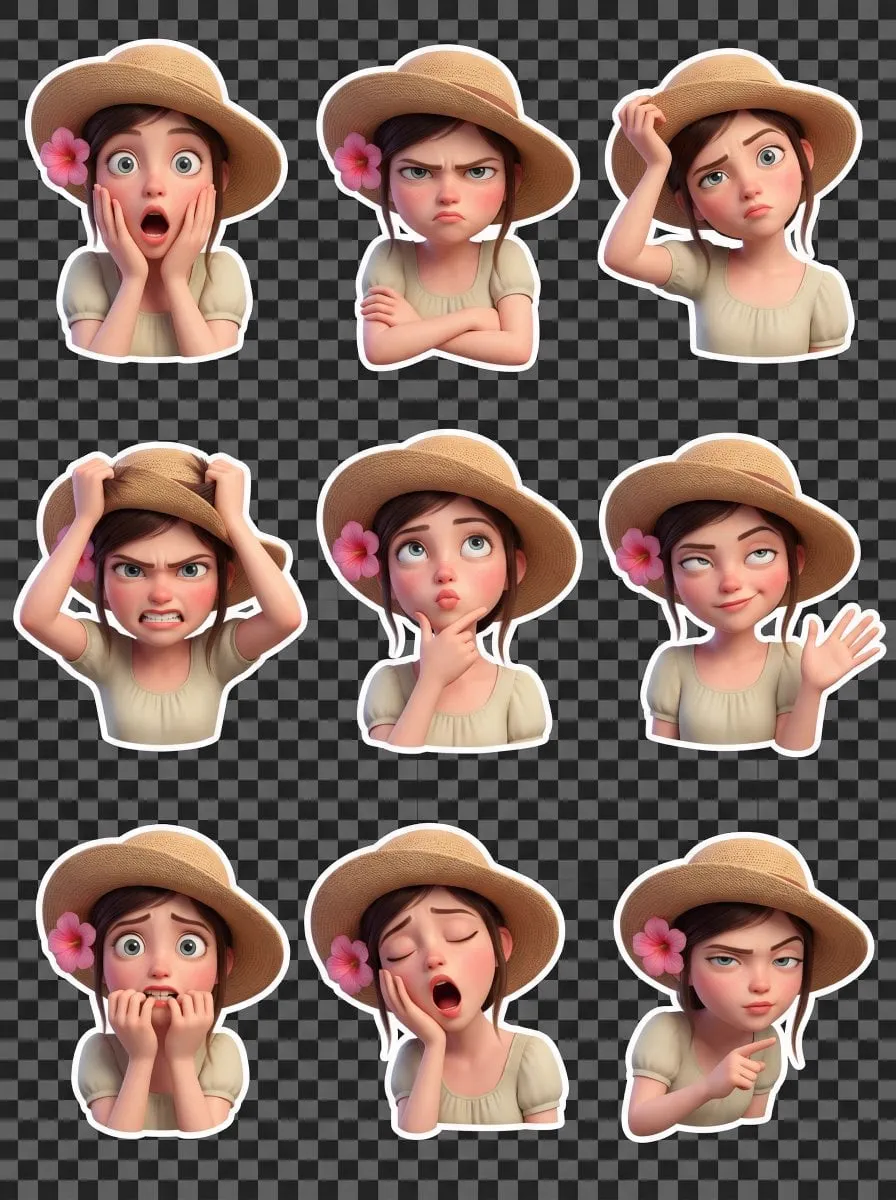
Ad campaigns often need a recurring spokesperson or a consistent brand character. Here, multi-image fusion is invaluable. Fix the character's look once, in detail, then reuse that description while only changing the scene or action between shots. A consistent face across a campaign builds recognition and credibility, and it is the mark of a professional workflow.
Optimizing prompts for each distribution platform
The same idea should not be rendered identically for every platform, because people consume video differently in each place.
Vertical, fast, hook-based platforms
For Reels, TikTok, and YouTube Shorts, think short and vertical. The first second must stop the scroll. Keep the prompt focused on a single idea, a vivid visual, and immediate movement. Subtlety does not work well here; bold, clear action and text-friendly framing do.
Longer, narrative formats
For YouTube, web embeds, or even ads within longer content, you can afford pacing. Build a mini arc in your prompt: a relatable problem, a compelling solution, and a clean final image. These formats reward letting a story unfold rather than compressing everything into a moment.
Keeping a note of what works per platform helps a lot. You will quickly learn, for example, that a vertical burst of color that reads well on a phone gets lost in a designed desktop placement, and that a measured, image-rich pacing suits longer formats where viewers arrive with more patience. Building this platform-specific memory is what makes your framing advice useful the next day rather than lost in a single project.
Weaving AI video into a marketing workflow
A text prompt does not live in isolation. To get real results, fold AI video into your existing marketing process.
Start with strategy, not tooling. Decide what you want the video to achieve, then write a brief, then translate the brief into prompts. Use fast, efficient models for testing multiple hooks and reserve higher-quality rendering for the versions that actually ship. Keep continuity across a campaign by reusing character descriptions, color palettes, and brand voice. Finally, measure everything, because the whole point is to improve quickly.
Monetizing and scaling creator content
For creators, the ability to produce video cheaply also opens monetization paths. If you can make branded videos on demand, you become much easier to work with. Packages, subscriptions, and recurring content deals all benefit from a fast production cycle. The catch is that easy production means more competition, so a recognizable style, reliable turnaround, and a clear aesthetic become your real differentiators.
Common pitfalls in prompt-based ads
A few mistakes repeat across almost every team starting out. One is writing prompts that describe a nice video but no message, leaving viewers entertained but unmoved. Another is ignoring consistency, so a campaign's characters and colors wander between pieces. A third is overcomplicating a single clip with too many ideas, which muddies the hook. Finally, some teams treat one model as the answer to everything instead of matching the model to the task and the platform. Identifying these traps and working against them is a fast path to better output.
Measuring what the ad actually achieves
Because production is cheap, you have the luxury of measuring everything that used to be too expensive to test. Look beyond views and likes to the metrics that matter for a campaign: click-through, conversion, and cost. Run the same story in two or three hook variations and let the numbers pick a winner before you scale up. Track whether a vertical short actually moves people more than the longer cut, and adjust your plan accordingly. The teams that win with AI video ads are not necessarily more creative; they are simply disciplined about turning cheap experiments into data-driven decisions.
From one clip to a full campaign system
The real payoff appears when you stop making single videos and start running a campaign system. Define a reusable brand kit: a fixed set of character looks, color palettes, and voice tones described once in prompts. Then spin up new videos quickly by swapping the hook, the offer, or the platform framing around the same core assets. Consistency across the whole set builds recognition, and the speed means you can refresh a campaign the moment a trend shifts. This is the difference between occasional AI videos and a genuine content engine.
Thinking like a director on a tiny budget
A text prompt is a direction to an ensemble, and the best prompter behaves like a director. Before you describe the shot, decide what the audience should feel and what they should do next. Then choose the visual language that accomplishes that goal: tight cuts and bright color for energy, slower pacing and warm light for trust, a dramatic angle for novelty. Naming the camera, the light, and the energy in your prompt is your way of directing the result without a camera crew.
It also helps to think in three beats for even the shortest ad: an opening beat that earns attention, a middle beat that clarifies the value, and a closing beat that leaves a clear next step. Compressing the promise into that arc makes an AI-generated clip feel deliberately crafted rather than randomly assembled. Directors on tiny budgets get results by making every single frame carry intent, and prompt-based ad work is exactly that discipline at speed.
Integrating AI video with broader campaign assets
The best campaigns are not one video but a coordinated set. Pair your AI-generated moving footage with the stills, text, and audio that make up the full placement. Decide where the video leads and where a static headline or call-to-action should carry the load. Keep the color palette and voice consistent across every asset so the campaign reads as one story across feed posts, landing pages, and paid placements.
This integration is where prompt-based ads stop feeling like a gimmick and start behaving like professional marketing. Because the production is fast, you can assemble an entire campaign in days and then gauge the response, keeping what pulls and retiring what does not. The campaign, not the single video, is the unit of success.
Frequently asked questions
How realistic is a prompt-based ad video? With the right prompts and a capable model, many product shots, explainers, and social ads are indistinguishable from basic studio work, especially when backed by consistent branding and good pacing.
Can I rely on these for paid ads? Yes, with care. Test the video in your channel, watch the analytics, and iterate. The low cost of production makes testing far easier than with traditional shoots.
Do I need to learn each platform separately? Not fully, but noticing format differences pays off. Vertical, short, and hook-first framing serves feed platforms; longer arcs suit web and long-form placements.
Are there usage and licensing limits? Yes. Check the terms of the tool for commercial use and monetization before publishing campaign videos.
How do I build a brand from edited clips? Lock your character and color identity in reusable prompt blocks, and keep them identical across every video so recognition builds with repetition.
Refining the hook through iteration
The hook is the highest-leverage part of any ad, and prompt-based production makes it cheap to perfect. Write several short openings that frame the same offer differently, then render and compare them against the very first seconds of each video. Watch for which framing earns attention instantly, and which loses the viewer before the value is clear. Because each variation costs so little, you can iterate far more than you ever could with traditional shoots.
Use the same discipline for the call-to-action. The ending of a short ad should leave no doubt about the next step, and you can test several closing framings until the direction is unmistakable. Over a series of campaigns, these small refinements compound into a style you know converts, turning prompt-based ads from a novelty into a dependable creative advantage.
It is also worth remembering that consistency outranks perfection. An ad that matches your brand's established look and voice, even if one frame is not flawless, will outperform a technically brilliant clip that feels foreign to your audience. Honor your visual identity across every render, and treat occasional imperfections as a normal part of the exploratory process rather than a reason to stop experimenting.
The creative edge in a creative-first era
The tools for making video ads from a text prompt are here to stay, and they will keep improving. The practical consequence is that the competitive frontier is no longer access to expensive production but the quality of your ideas and your discipline in executing them. Teams that pair a tight, message-driven prompt with visual consistency and platform awareness will produce campaigns that feel fresh, personal, and fast, every time.
Start small: write one hook, make it consistent, test it on a real audience. Learn what moves people, then scale from there with confidence. That is how a single text prompt turns into a repeatable, growing engine for creativity — one that keeps improving every time you apply the same discipline to the next campaign.
