

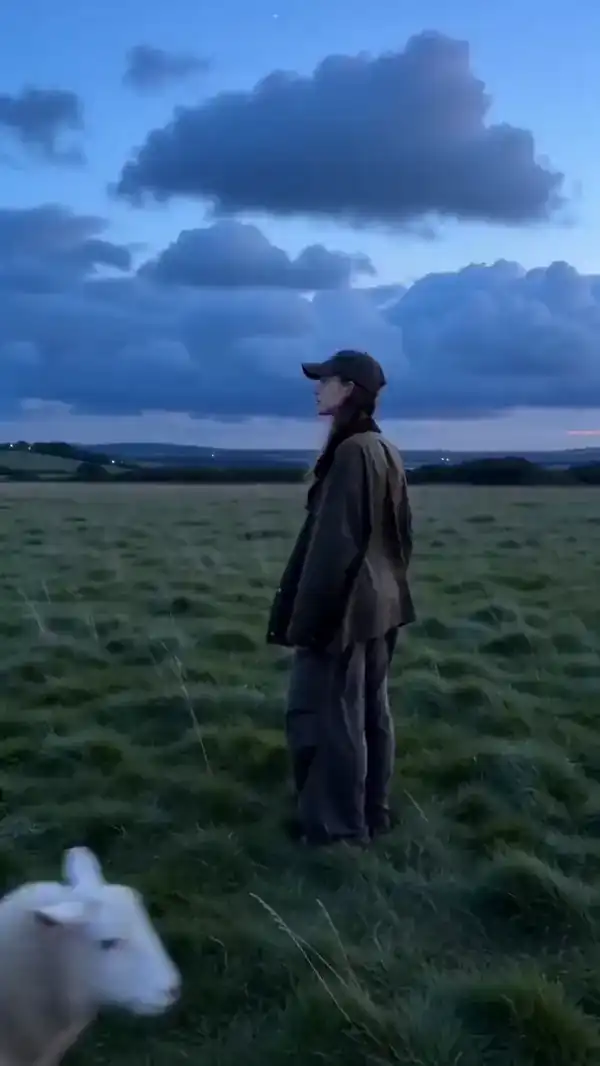
Typing a sentence and watching a photorealistic video unfold from it still feels like science fiction, yet the tools to do this have matured rapidly in the last few years. Text-to-video generation has moved from glitchy experiments to a capability that creative teams actually rely on for real production work. This guide explores how modern photorealistic models work, what they can and cannot do, and how to build a practical workflow around them.
The promise is straightforward: describe a scene, set the mood, define the motion, and get back a video clip that looks shot on a real camera. The reality is more nuanced. Quality depends on the model you choose, how precisely you control it, and how carefully you manage consistency across multiple shots. Understanding these layers is the key to producing work that does not look obviously generated.
How realistic text-to-video actually works
Behind the scenes, photorealistic video models build on techniques originally developed for image generation. A conditioning mechanism takes your text prompt and influences a diffusion or transformer-based generation process that produces frames voxel by voxel. Each frame is not sampled in isolation; modern architectures maintain temporal coherence, so motion reads naturally across the sequence.
The biggest breakthrough has been in temporal modeling. Earlier models produced frames that looked good individually but stuttered together. Newer systems learn the physics of motion, lighting, and camera behavior, which is why a waterfall, a turning head, or fabric swaying in a breeze now looks convincing instead of artificial.
Understanding resolution and duration limits matters too. Most models produce clips ranging from a few seconds to a minute, depending on the model and hardware. You rarely generate a whole film at once. Instead, you produce shots and assemble them, which is why controllable tools and consistent characters become so important.
What separates cinematic from flat
When people say a video looks "cinematic," they usually mean it respects the grammar of film. That includes camera movement, depth of field, lighting direction, and the way subjects interact with their environment. Modern models can encode much of this into the prompt, but the control has to be deliberate.
Leading models compete primarily on photorealism and dynamic realism. Some excel at slow, elegant shots with rich color grading. Others handle fast action and physical simulation better, keeping motion blur and shear convincing. Knowing these differences keeps you from asking one tool to do everything poorly instead of several to do their part well.
Consistency of the subject is where many workflows break down. When a character changes appearance from shot to shot, the illusion shatters. That is why creators increasingly rely on multi-image techniques that anchor a character's identity, so the same face and wardrobe persist across cuts. This is the practical foundation of serialized or branded video content.
Building a practical workflow
A realistic pipeline treats text-to-video as one stage among several. Start with a storyboard or a simple shot list, and write prompts that describe the essential action, camera move, and lighting for each shot. Keep the descriptions concrete: "slow drift forward past a window in golden hour light" performs better than "beautiful scene."
Next, generate your key frames and characters deliberately. If your project needs a recurring protagonist, build a reference set first and lock the identity before generating the sequence. This avoids spending hours fixing drift later. For single-shot projects, tweak the prompt and parameters directly.
Plan for assembly. Since generation works in clips, decide how you will stitch them, handle transitions, and add audio. The best results come from treating AI generation as a footage source rather than a finished product. Sound design, color grading, and editing still add enormous value on top of the generated material.
Controlling camera and motion
Precise camera control separates professional workflows from guesswork. Many models let you specify camera movement in the prompt or through parameters: push in, orbit, crane up, handheld shake. Test a few and learn which vocabulary each model responds to, because the same phrase can behave differently across tools.
Motion control is similarly nuanced. You may want a character moving steadily, an object spinning, or a crowd in constant flux. High-end models offer keyframe control, letting you fix a pose at the start and end and allow the model to interpolate the motion between them. This brings animation-grade precision to live-action-style footage.
Lighting deserves its own attention. Describing light in the prompt directly influences mood and realism. Direction, color temperature, and softness all read in the final result. Comb a prompt that specifies "raking afternoon light from the left" against a generic one, and the effect on believability is immediately visible.
Choosing the right model for the job
There is no single best model, only the right model for a given task. For elegant, photoreal dialogue scenes, you want a model known for facial detail and subtle expression. For action sequences, you want strong physics and motion coherence. For stylized or animated content, you may want a specialized model rather than a photoreal one.
Cost and speed factor into the decision as much as quality. High-end models deliver the best frames but cost more and run slower, which makes them a poor choice for rough drafts and internal tests. A tiered approach—cheap fast models for iteration, premium models for final renders—keeps the average cost of production manageable.
Try a small benchmark on your own projects. Write three representative prompts, run them across a shortlist of models, and compare the output systematically. This beats relying on rankings or marketing claims, because your subject matter is what truly matters, not a generic demo reel.
Common pitfalls and how to avoid them
The most common mistake is expecting a single prompt to produce a perfect final video. Iterative, deliberate prompting, plus a normal editing pass, is what yields professional output. Budget time for several rounds of refinement.
Another pitfall is ignoring the small stuff in the prompt: casting weird hands, merging crowds, unstable reflections. Small negative instructions and descriptive clarity help. Keep reference sets for subjects that must stay consistent, and verify continuity before locking shots.
Finally, resist relying entirely on automation. A director's eye for pacing, composition, and narrative intent still decides what works. Use AI to generate footage cheaply and fast, but keep creative control where it matters.
Frequently asked questions
How long does a typical AI-generated clip run? Most models output clips from about five seconds to a minute. Longer narratives are built by assembling shots.
Can I keep the same character across many videos? Yes, using multi-image reference techniques that lock an identity vector and apply it consistently across scenes.
Do I need to understand AI to use these tools well? A little helps, but the bigger factors are prompt clarity, workflow design, and a good eye for quality.
Performance and hardware realities
The quality a model can produce and the hardware you run it on are tightly linked. Large models that deliver the most impressive results typically need significant memory on the graphics card and can be slow to generate an individual clip. Smaller, distilled versions run quickly on consumer hardware but may trade away some fidelity. Knowing your constraint sets realistic expectations.
If you are working alone, a single capable workstation may be enough. For a small team, you will likely want shared infrastructure or a cloud service so people do not block one another. Before investing, measure the turnaround time that your workflow requires and match the hardware to the task rather than buying the most expensive card on principle.
Cloud rendering changes the economics. Instead of owning hardware that sits idle between bursts, you can pay for exactly the compute you use. That suits teams with uneven demand, where a week of heavy production might be followed by a quiet period. The trade-off is dependency on network speed and service availability, so weigh reliability against flexibility.
Queue management becomes essential as requests grow. A shared system that collects jobs, prioritizes them, and distributes them across GPUs keeps everyone productive. Without one, heavy bursts overwhelm the platform and frustrate the team. Set sensible limits, allow retries, and monitor usage so the environment stays responsive.
Realistic use cases and what to expect
Different projects make very different demands on photorealistic video tools. A product commercial needs crisp, clean shots with strong lighting. A narrative short demands continuity of character and consistent mood across scenes. A face-paced social clip needs speed and a strong visual hook more than pixel-perfect realism. Recognize which of these you most often produce, because the ideal configuration follows.
Expect iteration. Rarely does the first prompt give a final, usable clip. Plan for a loop of generating, reviewing, and refining. Budget a few rounds per shot early in a project, and watch how quickly the team converges as your prompt library and reusable references grow.
Manage expectations around length and detail. Most models produce short clips, and fine detail like hands, reflections, and crowd consistency can still break down. Decide which imperfections are acceptable for your use and which require a retake. A clear quality bar prevents wasted cycles and keeps the pipeline moving.
Frequently asked questions
Summarizing the practical questions creators ask, the recurring themes are control, cost, and consistency. People want to know how precisely they can steer the output, how much production will cost, and whether characters stay stable across shots. The honest answer is that all three improve with good tooling and disciplined workflow.
On control, modern models accept detailed prompt language, camera parameters, and reference images, giving you far more direction than older generations. On cost, tiered approaches keep output affordable by using expensive models only where the finished result appears. On consistency, multi-image reference techniques solve the drift that used to plague serialized production. None of these are automatic; all reward deliberate setup.
Ethical and practical guardrails
As generation becomes more convincing, using it responsibly matters as much as using it well. Understand the limits of the tools and the standards of the field you work in. For commercial work, be transparent with clients about what is generated, and for public content, follow the norms of your niche so audiences are not misled.
Copyright is a practical concern. The source material you use as references, the prompts you build, and the models you run all carry implications for the work you produce. Familiarize yourself with the terms associated with each tool and the policy of the platforms you publish on. A short compliance review ahead of a campaign prevents costly issues later.
Keep human oversight at the center of the process. Automated tools generate footage, but a person should decide what is used, how it is edited, and whether the final message holds up. This protects quality and responsibility, and it keeps the creative direction firmly in your control regardless of how capable the generation becomes.
Matching tools to your team
The right setup depends on who is producing and how often. A lone creator works well with a lightweight local environment and a couple of strong models. A small agency benefits from shared infrastructure and a queue so multiple projects advance in parallel. Choose the configuration that matches your actual workload rather than an idealized setup.
Train the people who will use the tools. Even the most capable platform underperforms without skilled operators. Invest in hands-on practice with prompting, reference building, and review. As the team's skill grows, so does the consistency and quality of the output, making the fixed cost of setup pay back many times over.
Conclusion
Text-to-realistic-video has evolved into a dependable production tool. Models now handle physics, motion, lighting, and camera behavior convincingly, and creators control the output through careful prompting, reference anchoring, and keyframe control. The technology no longer asks you to accept whatever it gives you; it lets you steer the result toward a specific vision.
The path to great results is practical: choose models for the task, keep characters consistent with reference sets, plan shots like a director, and treat AI output as footage to be shaped. Do that, and photorealistic text-to-video becomes a genuine creative advantage rather than a novelty.
