
Introduction: Words Are Becoming the Camera
There was a time when producing a short film meant assembling a crew, renting equipment, and spending weeks in post-production. In 2025, a growing number of creators start with something far simpler: a paragraph of text. Type a scene description, press generate, and an AI model returns a video clip with motion, lighting, and composition. The shift from text to screen is no longer a novelty — it is becoming a standard way to prototype stories, pitch ideas, and produce finished content.
This article looks at how advanced AI video editors work, what they can and cannot do, and how creators can build a repeatable workflow that turns raw ideas into polished visual stories. Whether you are a marketer, an indie filmmaker, or a hobbyist, the practical guidance here applies to the current generation of text-to-video tools without being tied to any single platform.
The Current Landscape: Production Without the Studio
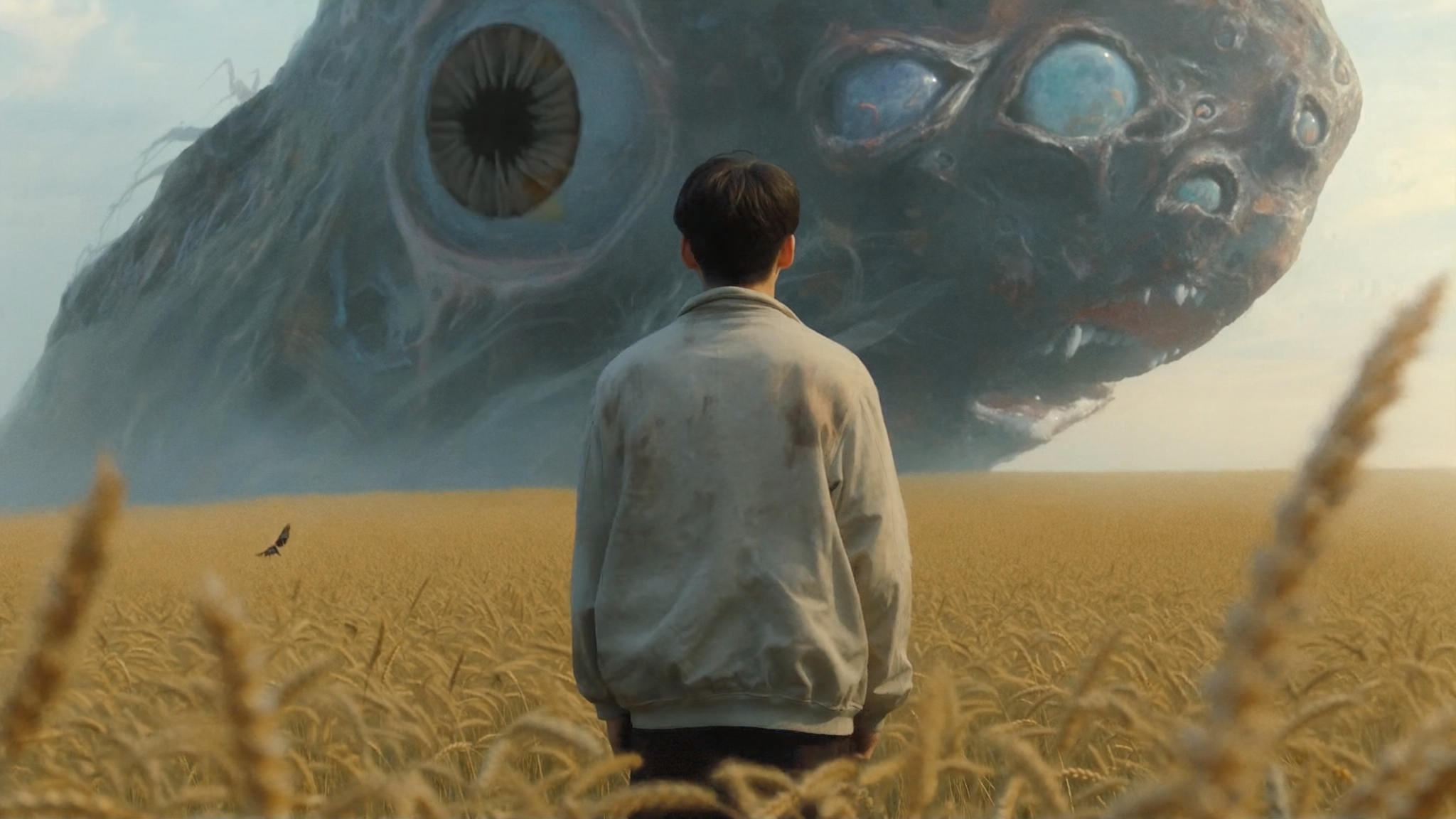
The most important change in video production over the past few years is access. High-quality footage used to require expensive cameras, controlled lighting, and professional actors. Today, a model trained on vast amounts of visual data can interpret a text prompt and synthesize footage that mimics real cinematography: lens choices, camera movement, and even physical motion.
This does not mean studios are obsolete. What it means is that the barrier to entry has dropped dramatically. A solo creator can now generate concept shots for a film pitch, test a visual style before committing to a full production, or produce short-form content for social media without touching a traditional camera. Marketing teams use the same technology to explore campaign ideas in hours instead of weeks.
The market is responding accordingly. Analyst estimates for AI-generated video vary widely, but most place the sector in the tens of billions of dollars, with double-digit annual growth. The practical implication is simple: tools are improving quickly, competition is healthy, and there has never been a better time to learn the basics of AI-driven visual storytelling.
Why This Matters for Creators Right Now
The practical case for AI video editing rests on three concrete benefits.
First, speed. An idea that would take days to visualize through traditional pre-production can be rendered as a rough moving image in minutes. This compression of the feedback loop changes how projects start. Instead of committing resources to a fully written script, teams can explore visual directions early, when changes are cheap.
Second, iteration. Text prompts are cheap to modify. Want to see the same scene in a different style, at a different time of day, or with a different camera angle? You can generate several variations in the time it would take to set up one physical shot. This encourages experimentation, which is exactly where good visual ideas come from.
Third, accessibility. Video is the dominant format on the internet, and demand for it keeps rising. AI tools lower the cost of entry so that people who are not trained filmmakers can still communicate visually. That has real value for educators, small businesses, and community creators who could never afford a professional production pipeline.
How Multi-Model Platforms Changed the Game
One of the most significant developments in AI video is the shift from single models to model libraries. Early text-to-video tools offered one engine with fixed strengths and weaknesses. Modern platforms aggregate many models, each trained differently, and let users choose the right engine for the job.
What does that mean in practice? Model choice affects everything: how faithfully a prompt is followed, how natural motion looks, how well the output handles stylized versus photorealistic content, and how much control you have over camera and timing. Some models excel at realistic physics and subtle human movement. Others are stronger at stylized animation or fast turnaround.
For a creator, the practical takeaway is to stop thinking in terms of "the best AI video tool" and start thinking in terms of a toolkit. Compare outputs from several engines for the same prompt, note which one matches your style and purpose, and keep a shortlist for different job types. A cinematic brand film and a quick social clip rarely need the same model.
Choosing Between Photorealism and Style
Two broad categories dominate current text-to-video output: photorealistic and stylized. Photorealistic models are trained to reproduce real-world lighting, textures, and physics. They are ideal for commercial footage, product visualization, and anything where believability matters. Stylized models, by contrast, lean into illustration, anime, painterly looks, or fantasy aesthetics. They are often more forgiving of imperfect physics because the viewer's brain reads them as artwork rather than documentary.
Your choice should follow your goal. If you are showing a potential client a realistic product scene, choose realism. If you are making an animated short with a strong art direction, a stylized engine will save you hours of correction. Many advanced platforms expose both options, and knowing which mode you are in prevents a lot of frustration.
Building a Repeatable Text-to-Screen Workflow
The tools are only half of the story. The other half is process. Here is a workflow that works well for turning text into screen-ready footage.
Start with a Strong Prompt Structure
A good prompt for video is not a single sentence; it is a small set of specifications. Include the subject, the action, the environment, the lighting or time of day, the camera behavior, and the desired style. For example, instead of "a knight in a forest," write "a young knight in worn steel armor walks slowly through a misty pine forest at dawn, soft god rays between the trees, camera follows from behind at chest height, cinematic photorealistic style." The extra detail is not fluff — it is the control surface that separates a generic clip from a deliberate one.
Use References to Stabilize Characters and Style
Consistency is the hardest problem in AI video. Characters change faces between shots; colors drift between clips. The most reliable fix is reference imagery. Many models accept an input image that anchors the look of a character or a scene. Prepare a small library of reference images for your main characters, environments, and props, and reuse them across scenes. This single habit dramatically improves the coherence of multi-shot projects.
Generate, Review, Revise
Treat generation as an iterative loop rather than a one-shot request. Generate a short clip, review it against your intent, and adjust the prompt for the next pass. Pay attention to what the model ignores: if it keeps missing the camera move, put the camera instruction at the front of the prompt. If the lighting is wrong, be more specific about time of day and mood. Ten minutes of iteration at the prompt stage saves hours of cleanup later.
Assemble and Polish in an Editor
AI tools produce clips, not finished films. Budget time for a traditional editing pass: cutting the best takes, adding transitions, layering sound, and adjusting pacing. The most effective AI-assisted productions treat the model as a versatile camera operator and reserve human judgment for story, rhythm, and sound. This combination — AI for raw material, humans for direction — is where professional-quality results come from.
Creative Strategies for AI-Guided Storytelling
Beyond the mechanics, there are proven creative patterns for working with generative video.
One is the style-first approach. Define a distinctive visual language early — a color palette, a texture, a camera grammar — and apply it consistently across all prompts. This gives even simple scenes an art-directed feel and makes a series recognizable.
Another is scene-sequencing from a logline. Write a one-sentence summary of your story, break it into beats, and translate each beat into a scene prompt. This keeps the generative process anchored to a narrative instead of producing disconnected clips.
A third pattern is the "director's pass." After generating a rough sequence, review it as if you were a director watching dailies: what emotional beat is missing, which shot needs to be longer, where is the pacing off? Then regenerate or re-order clips accordingly. The generative model handles the visual execution; you handle the decisions.
Common Pitfalls and How to Avoid Them
Working with AI video editors comes with predictable failure modes. Knowing them in advance saves time.
The first is over-specification in a single prompt. Packing too many instructions causes models to drop details, usually the ones you care about most. Prioritize: put the two or three non-negotiable elements first and let the model fill in the rest.
The second is ignoring physics. Text-to-video models are improving rapidly, but they still produce impossible motion, extra fingers, or gravity-defying objects. Do not fight the model; work around it. Choose shots that avoid the weak spots, use stylized modes when physics is a problem, and keep clips short so errors are contained.
The third is treating generated footage as final. Raw AI clips usually need color grading, stabilization, or resizing to match your platform's requirements. Build a finishing step into your pipeline.
The fourth is neglecting audio. Video is an audiovisual medium, and silent clips feel unfinished. Plan for background music, ambient sound, and voiceover as part of the production, not as an afterthought.
Frequently Asked Questions About Text-to-Video
How much does AI video generation cost? Prices vary widely across tools. Free tiers exist but come with watermarks, length caps, and resolution limits. Paid plans typically charge per generation or per minute of output, with volume discounts for higher tiers. The right approach for most creators is to start free, learn the prompting basics, and upgrade when a project actually requires the extra quality or length.
Do I need to learn video editing to use these tools? The tools generate clips, not finished films. Basic editing skills — cutting, ordering, adding text and music — are still valuable and will make your output look dramatically better. You do not need a professional editing suite; simple consumer editors handle most AI video finishing.
Can AI video replace a real production? For some categories, yes: product mockups, social content, and early-stage pre-visualization are realistic use cases today. For narrative film, live action with real actors, or anything with strict legal and brand requirements, AI video is a supplement rather than a replacement. The honest framing is that AI handles the raw material; humans still make the decisions that matter.
How do I avoid uncanny or artifact-ridden results? Keep clips short, describe one clear action per prompt, and favor stylized modes when realism fails. Review output before using it, and regenerate rather than accepting flawed footage. Artifacts are inevitable in early drafts; what matters is that the final cut is clean.
What about copyright and ownership? Ownership rules differ by platform and plan. Some grant you rights to generated output; others claim broad rights or restrict commercial use. Read the terms before shipping client work. When in doubt, treat generated footage as material to transform — editing, grading, and integrating it into your own work — rather than as finished assets.
Glossary for Beginners
A short glossary removes the friction of starting out in AI video. Text-to-video means generating footage from a text description. A prompt is the text you give the model, and prompting is the skill of writing it well. A reference image anchors the look of a character or scene. Temporal coherence describes whether motion stays consistent within a clip, while character consistency describes whether identity holds across clips. A seed is a number that controls randomness: the same seed plus the same prompt produces similar output, which is useful for iteration. Upscaling raises resolution after generation, and post-processing covers everything done after the raw clip: editing, color grading, sound, and text.
Learning the vocabulary pays off in two ways. It lets you read tool documentation without confusion, and it gives you the words to describe problems precisely when asking for help. Every term in this glossary maps to a concrete knob in your workflow, which is the first step toward controlling it.
The Bottom Line: What Text-to-Screen Really Unlocks
The movement from text to screen is not about replacing filmmakers. It is about widening the doorway. More people can now express ideas visually, test them cheaply, and ship content that would have been out of reach a few years ago. The tools reward structured prompting, reference discipline, and iterative review — skills that any creator can learn.
If you are starting today, do not begin with a grand project. Begin with one scene, one strong prompt, and a willingness to iterate. Generate a clip, study how the model interpreted your words, adjust, and generate again. Within a few sessions, you will have a practical feel for what these tools can do and a workflow that turns your own text into moving pictures.
