
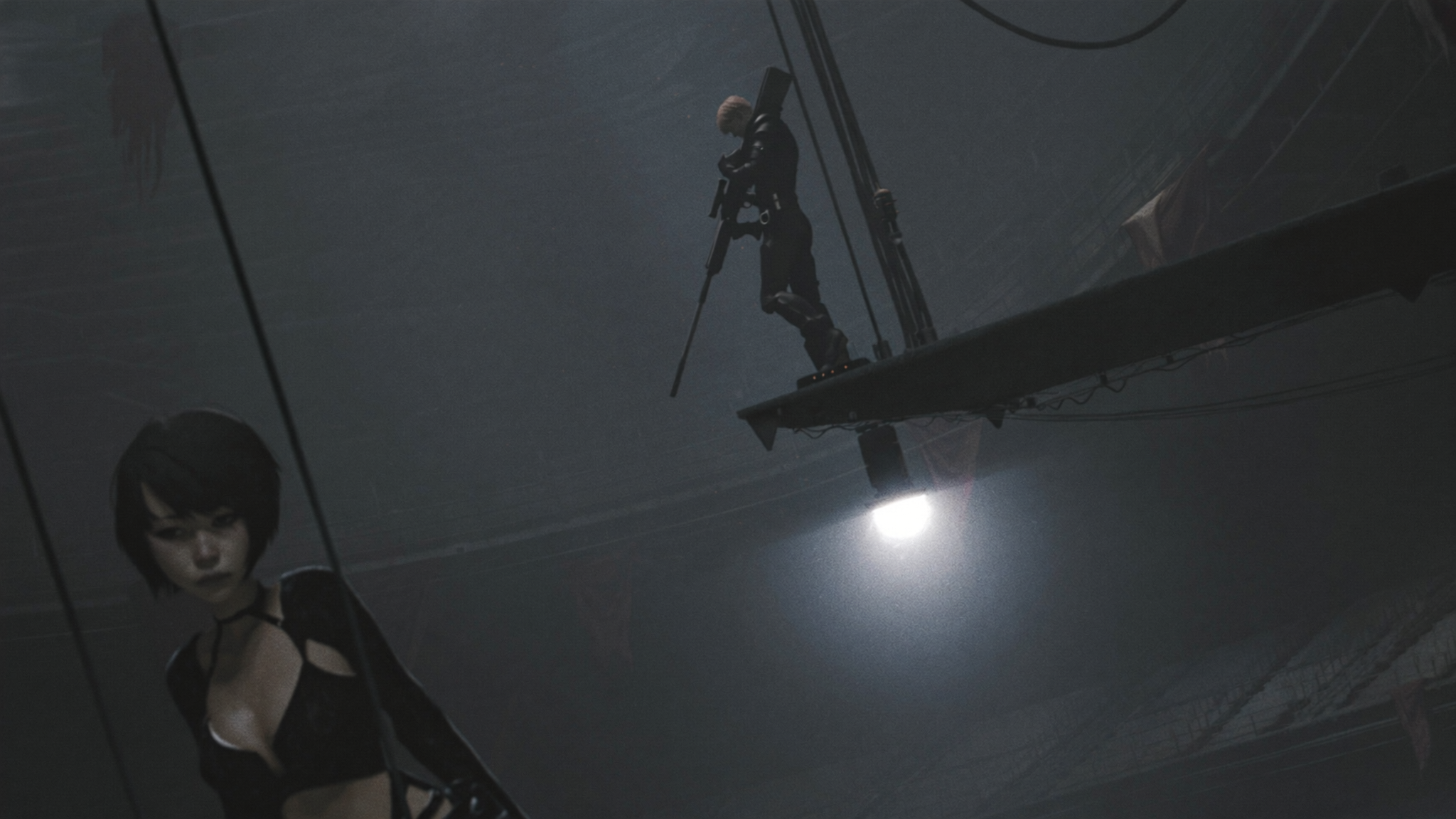
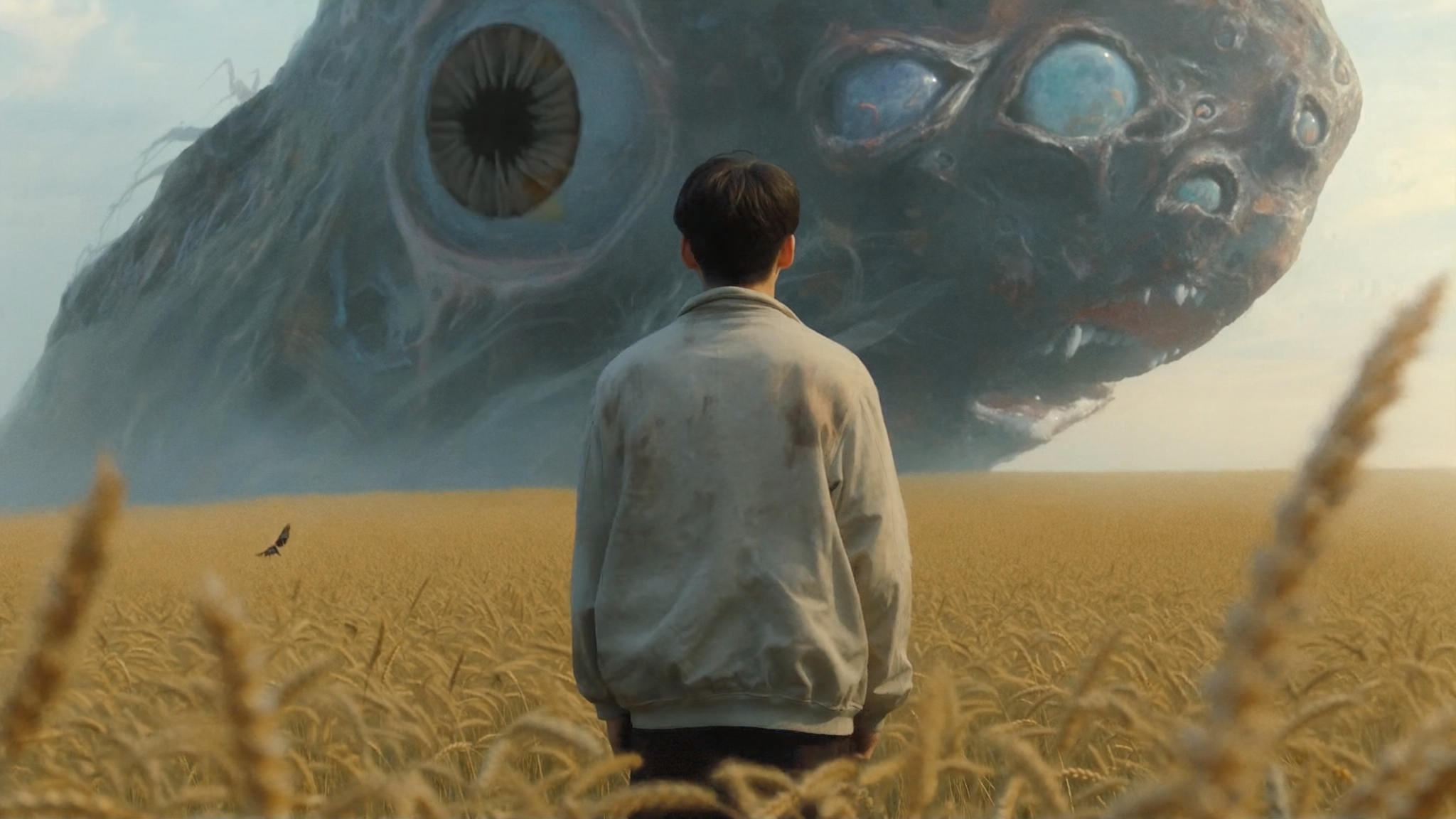
Text-to-video AI stopped being a novelty and became a production tool. What was a year ago a party trick, generating a few seconds of wobbly footage from a prompt, is now a serious pipeline that produces commercial-grade clips, product demos, brand films, and short-form content at scale. The shift happened so quickly that most creators are still using the tools the same way they did six months ago, while the underlying capabilities moved far ahead.
The most important change is that there is no longer a single best model. The market has fragmented into a spectrum of engines, each with its own strengths in realism, motion quality, speed, style, and cost. The winning workflow is not to find the one magical model, but to learn how to combine several of them across a project. This guide explains how to think about that choice, how to keep results consistent across scenes, and how to build a pipeline that survives daily production pressure.
Why Model Diversity Beats a Single Engine
Creators who rely on one model eventually hit its ceiling. A model that produces stunning photorealistic footage may struggle with stylized animation. A fast, cheap model that works perfectly for talking-head social clips may fail on complex action scenes. The practical reality of generative video is that no single engine handles every use case well, and forcing one model onto every job means accepting mediocre output on some of them.
Model diversity solves this by matching the tool to the task. For a single project, you might use one engine for establishing shots, another for character close-ups, and a third for the final stylized pass. This is not complexity for its own sake; it is the same specialization that professional production teams have always practiced. A cinematographer chooses lenses per shot, not one lens for the whole film.
There is a second, subtler benefit: resilience. Generative video services change fast. Models get deprecated, rate structures shift, and quality varies with server load. If your entire workflow depends on one engine, any change on that side breaks your output. A multi-model pipeline absorbs these shocks because each piece can be swapped independently.
Understanding the Current Model Landscape
Before you can choose, you need a map of what is available. The landscape splits into three broad tiers, and knowing which tier a model belongs to tells you most of what you need about how to use it.
Premium and High-Fidelity Models
The top tier delivers the closest thing to feature-film quality. These engines handle complex prompts, long coherent motion, and fine-grained details like lighting, reflections, and facial expressions. They are the right choice for hero shots, brand campaigns, cinematic sequences, and any content where the visual is the product.
Premium models have real costs, both in generation time and in compute. They are slower per clip and consume significantly more resources. You should not use them for every cut in a social video, because the budget and the turnaround time would crush a daily publishing schedule. Save them for the moments that carry the piece.
Mid-Tier and Fast Models
The middle of the market is where most daily production happens. These engines produce good-looking footage quickly, with solid motion and acceptable consistency. They are ideal for talking-head videos, product close-ups, backgrounds, and short clips where the audience's attention is on the message rather than the pixels.
The key advantage of this tier is velocity. A clip that takes minutes instead of hours changes how you plan content. You can generate variations, test angles, and iterate on the fly. For high-volume channels, mid-tier models are the workhorse.
Budget and Specialized Models
The bottom tier is not bad; it is fast and cheap, which makes it perfect for specific jobs. Drafting, storyboard visualization, background plates, placeholder shots, and rapid ideation all benefit from a model that produces a usable result in seconds. You do not need a cinematic masterpiece to check whether a scene idea works; you need a quick sketch.
Budget models also cover niches that premium engines ignore: pixel art, anime styles, retro aesthetics, and other specialized looks. When your project demands a specific visual language, a specialized model often beats a general-purpose flagship at a fraction of the cost.
How to Choose a Model for a Specific Scene
The right way to choose is to ask what the scene needs, not what the model can do. Work through the same questions every time and the decision becomes fast and repeatable.
What Is the Scene's Purpose?
A scene that establishes a world, reveals a product, or delivers the emotional peak deserves the best engine you can afford. A transition, a filler shot, or a background plate does not. Assign your premium budget to the moments the audience will remember.
How Much Motion Is Involved?
Complex motion, such as running, fighting, dancing, or anything with rapid camera movement, stresses models differently than static scenes. Test a model on the hardest motion your project contains before committing. A model that handles talking heads perfectly may produce glitches on fast action, and vice versa.
What Is the Target Style?
Photorealism, cinematic, anime, 3D render, claymation, watercolor. Match the style tag to the model's known strengths. Trying to force a photorealism engine into a flat anime look usually produces muddy results; a specialized style model will do it cleanly.
What Are the Time and Cost Constraints?
If you need fifty clips by tomorrow morning, premium models are off the table. If you need one hero shot for a launch video, the budget matters less than the quality. Be honest about the constraints before you start, and let them drive the tier choice.
Keeping Characters and Style Consistent Across Scenes
The biggest practical problem in generative video is consistency. Generate one scene of a character and it looks great. Generate a second scene of the same character and the face, wardrobe, or body proportions subtly change. Over a multi-scene video, the drift becomes obvious and destroys the illusion.
Reference-Based Generation
Most modern engines support reference images. You feed the model a picture of the character, and it uses that as the anchor for the new scene. This is the single most effective technique for consistency. Generate a character sheet first, then reference it for every subsequent shot.
Keyframe and Multi-Image Input
For complex sequences, use the first and last frames as anchors. The model generates the motion between them, keeping the endpoints fixed. Multi-image input goes further, letting you lock several key poses so the middle frames stay on track. This turns a single generation into a controlled animation pass.
Style Locking
Character identity is only half the problem; the look of the whole video must also stay stable. Define a style anchor, such as a color palette, lighting direction, or art direction reference, and apply it across all scenes. Some pipelines support style prompts that persist through the project, which is much more reliable than re-describing the style in every prompt.
Orchestrating an AI Director for Narrative Control
Raw model choice solves visual quality, but not storytelling. A video needs structure: an opening that hooks, a middle that builds, and an ending that lands. New AI director agents address exactly this layer by taking a script, breaking it into shots, and generating prompts that fit a coherent narrative arc.
From Script to Shot List
The director agent reads the script and produces a structured shot list, with each shot described in terms of subject, action, camera, and mood. This removes the hardest part of video production: translating a story into concrete visual instructions. The shot list becomes the blueprint for every generation in the project.
Automatic Prompt Composition
Instead of hand-writing each prompt, the agent composes them from the shot list, injecting the right camera movement, lighting, and style tags for each moment. This is what makes consistency achievable at scale. A human can write ten great prompts; an agent can write a hundred coherent ones.
Keeping the Human in the Loop
The best agents do not replace the director; they multiply the director. You review the shot list, adjust the pacing, change the camera language, and let the agent regenerate the affected prompts. The creative decisions stay yours; the mechanical work is delegated.
Building a Production Pipeline That Scales
Consistency across scenes is one problem; consistency across days is another. A serious content operation needs a pipeline that produces the same quality every single time, without depending on one person's improvisation.
Standardize the Brief
Every project starts with the same structured brief: target audience, core message, style direction, duration, and distribution platform. The brief feeds the script, the script feeds the shot list, and the shot list feeds the generations. When each step consumes the output of the previous one, the pipeline runs itself.
Version Everything
Save the prompt, the settings, and the seed for every generation you keep. When you iterate, you can return to a version that worked instead of re-rolling the dice. A simple naming convention for files and prompts saves hours of confusion in a busy week.
Use Batch Generation Wisely
Batch generation produces multiple variations of the same prompt in one pass. Use it early in the process to explore options, then pick the best variant and refine. This is far more efficient than generating one clip, judging it, and starting over. The cost of a batch is modest compared with the time it saves.
Common Failure Modes and Fixes
Even with a solid pipeline, things go wrong. Here are the failures creators hit most often and how to recover.
The Video Has No Story
A sequence of beautiful but unrelated clips is not a video. Fix this upstream: write the narrative arc before generating anything, and let the shot list drive the process. If you already have clips, re-edit them around a voiceover or captions that supply the missing structure.
Characters Morph Between Scenes
This is the consistency problem again. Go back to reference images and keyframes. If the model still drifts, reduce the scene count per generation and stitch shorter clips together, or use an interpolation pass to smooth the transitions.
Fast Motion Produces Glitches
Some engines simply cannot handle high-speed action. Slow the motion in the prompt, split the action into smaller beats, or switch to a model known for handling fast sequences. Do not fight the model's limits; route around them.
The Output Looks Generic
Generic prompts produce generic results. Add specificity: exact camera lenses, lighting setups, wardrobe details, and environmental cues. A prompt that says "a detective in a rainy city" is a mood board; one that says "a weary detective in a beige trench coat under a flickering neon sign, shallow depth of field, slow push-in" is a shot.
Frequently Asked Questions
How many models do I actually need to learn?
Start with two: one premium engine for hero shots and one fast engine for volume work. Add specialized models as specific projects demand them. Trying to master every engine at once is a waste of time.
Is text-to-video good enough for client work?
Yes, when used correctly. Clients care about the final piece, not the toolchain. A well-planned pipeline with consistent characters and a clear story produces client-ready output today, especially for short-form and social content.
What about copyright and training data concerns?
This is an evolving area. Use tools with clear commercial licenses, keep records of your prompts and outputs, and follow platform policies. When a project is high-stakes, get specific legal advice about the model you plan to use.
How do I keep the voice and music consistent?
Treat audio as part of the pipeline. Use the same voice model and the same music style tags across all episodes of a series. Consistency in audio matters just as much as visual consistency.
Will AI replace video editors?
Not the craft itself, but it will replace the parts of the job that are repetitive. Editors who learn to direct generative pipelines will produce more with smaller teams. The role shifts from cutting footage to orchestrating generation, which is a higher-value job.
Final Thoughts
The future of content creation is not a single magical model that does everything. It is a portfolio of engines, orchestrated by a clear pipeline, driven by a coherent narrative, and kept consistent by disciplined reference management. The creators who thrive in this era will not be the ones with access to the flashiest model; they will be the ones who build systems that reliably turn ideas into finished videos.
Start small: pick one premium engine and one fast engine, standardize your brief, and build a shot-list habit. Add pieces as your volume grows. The tools will keep changing, but the discipline of matching model to purpose, locking consistency, and controlling the narrative will keep paying off no matter what the next release brings.
