
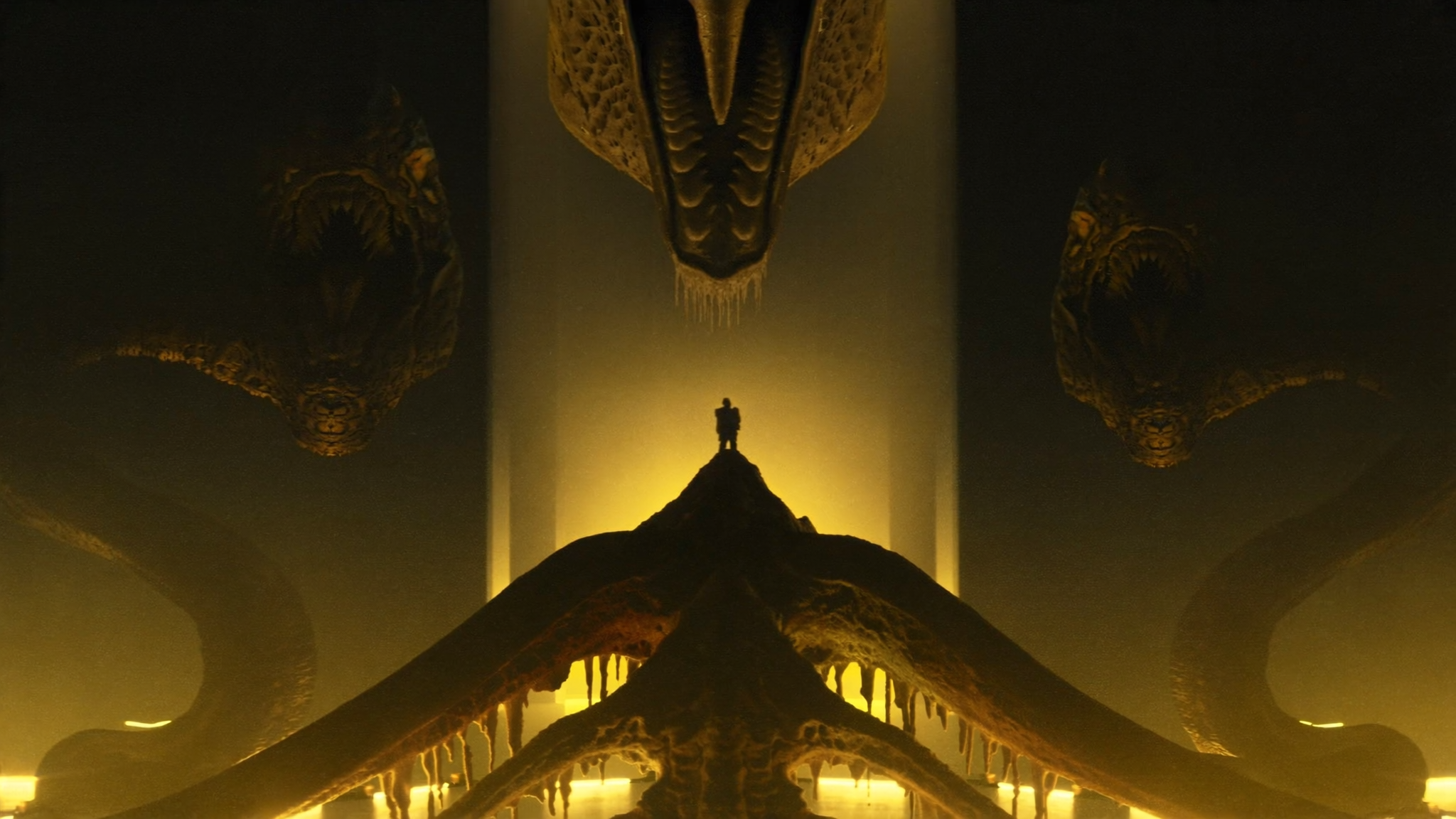
The Rise of Text-to-Video Generation
Few developments in creative technology have moved as quickly as text-to-video. Type a sentence, and seconds or minutes later you have an animated clip that brings the idea to life. What began as rough, barely recognizable footage has matured into a tool that produces genuinely cinematic results. This guide takes a practical look at how text-to-video models work, what separates the best from the rest, and how to choose among dozens of options without wasting time or money.
The reason text-to-video matters is straightforward. Video is now the dominant format for communication online, but producing it historically demanded expensive equipment, technical skill, and hours of labor. Text-to-video collapses that entire pipeline into a single creative step. Anyone with an idea can now generate footage, which has profound implications for marketers, educators, storytellers, and designers who once faced steep barriers to entry.
How Text-to-Video Models Actually Work
Under the hood, modern text-to-video systems are built on large neural networks trained on vast collections of images and video. They learn the statistical relationships between words, visual concepts, motion, and physics. When you enter a description, the model predicts a sequence of frames that best matches your intent.
The process is not magic, but it is deceptively simple from the user's side. You provide a prompt, and the model produces frames. The quality of the output depends on several factors: the richness of the training data, the architecture of the model, and the quality of the prompt itself.
The Importance of the Prompt
The prompt is the single largest source of control you have. A precise prompt that describes the subject, action, setting, lighting, camera movement, and mood will consistently produce better results than a vague one. Learning to write effective prompts is the fastest way to improve your outcomes with any text-to-video tool.
Models Are Specialists
It is important to understand that no single model excels at everything. Different models are optimized for different goals. Some prioritize photorealism. Others excel at character consistency. Some are built for speed and low cost, while others focus on long-form narrative coherence. Choosing the right model for your specific task is more important than finding a "best" model overall.
A Tour of the Current Model Landscape
The text-to-video space is crowded and evolving rapidly. Familiarizing yourself with the main categories will help you make informed choices.
Premium Generation Lines
At the top end, premium models offer the highest fidelity, richest detail, and strongest physical realism. They are the choice when the video itself is the centerpiece, such as a hero piece for a brand, a cinematic reveal, or a showcase of a product. These models tend to require more computing resources, which is reflected in cost and generation time.
Their main strength is long-duration consistency. Where older systems struggled to keep a scene stable across many frames, today's premium models maintain characters, objects, and environments with impressive coherence, a quality essential for anything approaching narrative storytelling.
The Emergence of Newer Regional Models
An important trend is the rise of strong challengers from Asia. These models have quickly closed the gap with Western leaders and, in some cases, have introduced innovations that the older players are now copying. They often offer excellent value, delivering high-quality output at a more accessible price point. Watching this segment is essential because it is driving down costs and raising the floor of quality.
Efficiency and Control Models
A third category focuses on controllability and efficiency. These models give creators precise control over composition and style while remaining fast and cost-effective for everyday content. They are ideal for producing a high volume of material, testing ideas, or generating social media clips where speed matters more than absolute fidelity.
Character Consistency as a Cornerstone
One of the hardest problems in text-to-video is character consistency. A character might look perfect in the first frame and unrecognizable two seconds later. This ruins immersion and makes a clip useless for storytelling that spans multiple shots.
Modern tools address this in several ways. The most powerful technique is advanced fusion, where the model is given multiple reference images that define a character's appearance, outfit, and features. By anchoring every generated frame to these references, the model produces footage where the character stays the same across the entire sequence.
This capability transforms what is possible. It means you can generate an entire short film with a single consistent protagonist, cut between different scenes, and have the character look like the same person throughout. For storytellers, this was historically the single largest barrier to using AI-generated video, and it has now largely been overcome.
Budget and Power: Finding the Right Balance
Cost is a major consideration for most creators. The good news is that the quality floor has risen so much that even the most affordable options produce respectable results. The strategic question is not "which model is best" but "which model is best for this specific task."
When to Invest in Premium
Spend on premium models when the footage will be seen by a large audience, when it represents a brand, or when it is a centerpiece that needs to carry weight. The additional cost is justified because the difference in quality is visible and matters to the outcome.
When to Use Budget Options
Use fast, affordable models for internal drafts, tests, filler content, or social media pieces with a short lifespan. These clips help you lock in composition and pacing quickly. You can then decide whether a piece justifies a higher-fidelity re-render on a premium model later.
The Chaining Strategy
Experienced creators rarely commit to a single model. They plan a pipeline that chains models together: a budget model for the first draft, a specialized tool for motion or style, and a premium model for the final hero render. This approach balances cost and quality intelligently while maintaining creative flexibility.
Writing Prompts That Get Results
The prompt is your primary creative instrument, and developing prompt literacy is the most valuable skill in text-to-video creation. A great prompt is specific, structured, and purposeful. Here is how to build one that produces predictable, high-quality results.
Establish the Subject First
Your prompt should lead with what is happening and who or what is involved. State the subject and its action clearly before describing anything else. This gives the model its anchor. A prompt that starts with atmosphere or setting before establishing the subject often produces confused results.
Layers of Context
After the subject, build the context layer by layer. Describe the setting, then the lighting, then the camera movement, then the mood and style. Each layer adds precision without overwhelming the model. Keeping the structure consistent across your prompts also makes your output more coherent between scenes.
Use Style Labels Judiciously
Referencing a recognized style or aesthetic can guide the model toward a consistent look. Labels like "cinematic," "candid," or "documentary" carry meaning that shapes the output. Use them intentionally and sparingly; too many conflicting style signals cancel each other out.
Describe Motion, Not Just Appearance
For video, motion is what separates you from image generation. Describe how things move, not just how they look. Specify the camera as well as the subjects. "A slow dolly toward the window as rain streaks down the glass" gives the model concrete direction that a static description cannot.
Evaluating and Refining Output
Generation is not a one-and-done process. Knowing how to evaluate a result and refine it is what separates beginners from productive creators.
Judge Against Your Intent, Not Against Perfection
Compare each output to the brief you wrote, not to an ideal image you imagined. Ask whether it captures the subject, mood, and motion you asked for. This factual comparison keeps your evaluations grounded and your refinements targeted.
Change One Variable at a Time
When refining, adjust a single element per attempt. Keeping everything else constant while changing, say, only the lighting lets you see exactly what that change produces. Changing several variables at once muddies cause and effect.
Build a Library of What Works
Keep track of prompts that produced good results. Over time this becomes a personal asset, letting you combine proven elements instead of starting from scratch. Your library becomes a kind of shorthand for your visual style.
The Role of a Director AI in the Workflow
As models have matured, a new layer of assistance has emerged: the concept of a director agent that helps guide the creative process. Instead of forcing the creator to micromanage every variable, these systems offer intelligent compositional guidance.
Scene Composition
A director-style assistant can suggest how to frame a shot, where to place the subject, and how to guide the viewer's eye. It interprets your intent and proposes options, which you can approve and refine. This reduces the learning curve dramatically for newcomers while accelerating speed for professionals.
Narrative Structure
Beyond single shots, these assistants can help with narrative structure, offering suggestions for how a sequence should flow or where a scene change would be most effective. This moves the tools beyond clip generation and toward genuine storytelling support.
Automation of Cinematography
Routine cinematographic choices, such as camera angles, lens behavior, and movement smoothness, can be automated. The creator sets the direction, and the system handles the technical execution. This frees attention for what matters most: the story and the creative vision.
Building a Practical Workflow
To use text-to-video effectively, it helps to have a repeatable process. Here is a workflow that works well for generating polished pieces.
Start by writing a clear concept. In one paragraph, describe what happens, who or what appears, the setting, and the emotional tone. This becomes your creative anchor and the foundation for your prompts.
Next, identify the shots you need. Break the concept into individual clips and write a specific prompt for each. Use the structure "subject, action, setting, lighting, camera, mood" to keep prompts complete and consistent.
Prepare your references. If the piece features a character or a particular look, gather reference images and use multi-image fusion to define them. Consistency across shots depends entirely on the consistency of your references.
Generate drafts with a fast model to review composition and pacing. Once you are happy with the direction, re-render the essential shots on a premium model. Then assemble the clips, add sound and captions, and review the full piece.
Common Pitfalls and How to Avoid Them
Even experienced creators hit problems. These are the most frequent issues and how to steer around them.
Inconsistent Subjects
If characters change appearance between shots, return to your reference frames and regenerate the mismatched shots. Do not try to fix consistency by changing prompts; fix it by sharing references.
Stiff or Unnatural Motion
If movement looks wrong, the model may be struggling with physics. Simplify the described action, or use a model known for strong physical simulation. Sometimes describing the motion more concretely, such as "turning slowly to look over the shoulder," helps.
Unclear Visuals from Vague Prompts
Vague prompts are the number one cause of disappointing results. Add specific details about lighting, style, and camera. The more concrete your description, the more predictably the model responds.
Overly Long Single Prompts
A single prompt trying to do too much often collapses. Break the scene into smaller, focused prompts and combine the clips. Simpler prompts produce more reliable individual results.
Frequently Asked Questions
Is text-to-video usable for professional work?
Absolutely. The quality now meets professional standards for many applications, and it is already used in marketing, advertising, film pre-production, and social content.
What generates the best results, prompts or images?
Both work well, but images give you more control. Starting from a reference image tends to produce more predictable results than a text prompt alone, especially for specific subjects or styles.
How much does it cost?
Costs vary widely by model. Budget options are inexpensive and good for testing, while premium models cost more for visible quality gains. Many platforms also offer free tiers to experiment.
Do I need to learn to code?
No. The tools are designed for creators, not engineers. The main skill to develop is writing clear, descriptive prompts, which is a creative and linguistic skill, not a technical one.
Can I use the output commercially?
In most cases, yes, but you should always check the specific terms of the service you use, as policies can differ.
The Road Ahead
Text-to-video has moved from novelty to necessity in a remarkably short time. The models are faster, cheaper, and more capable than ever, and the gap between AI-generated and traditionally produced video continues to close. For anyone creating content, ignoring this tool means falling behind.
The best approach is to start experimenting now. Learn the prompt discipline, understand the model categories, and build a workflow that balances quality and cost. The skill you develop today will compound as the technology improves, giving you a lasting creative advantage in a field that shows no sign of slowing down.
