

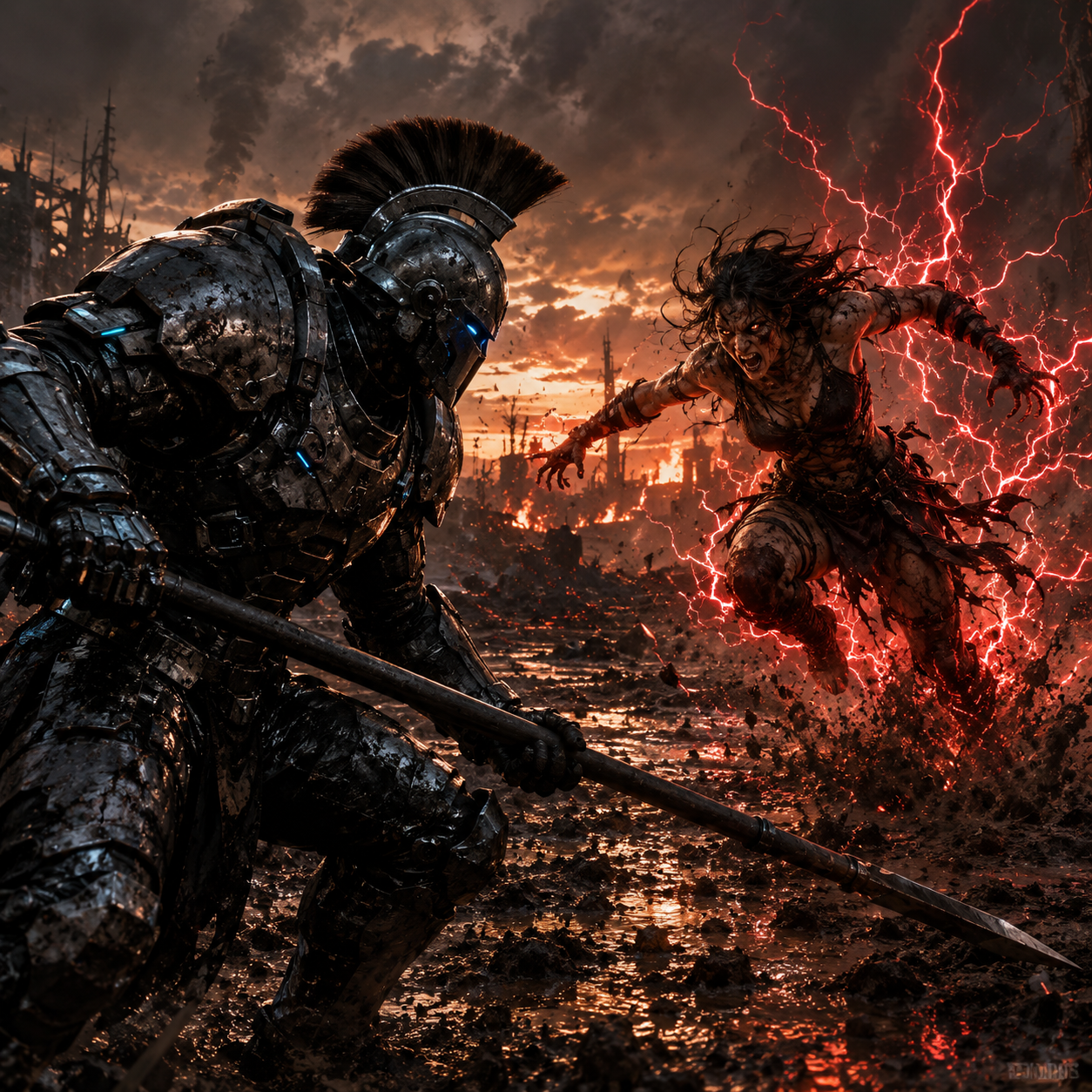
Introduction: Words Are the New Camera
For most of film history, making video required cameras, crews, locations, and budgets. In the last few years, a new medium has emerged: text-to-video. You describe a scene in words, and a generative model produces moving footage of it. The technology has moved from broken-looking demos to genuinely useful production tooling, and it is changing who can make video, how fast, and at what cost.
This guide explains how text-to-video models work, which options are worth attention in 2025, how to write prompts that produce film-quality clips, and how to build a practical workflow around them. Whether you are a marketer, educator, indie filmmaker, or curious creator, the core skill is the same: translating intent into language a model can turn into motion.
How Text-to-Video Models Work
Text-to-video models combine two capabilities: understanding language and generating images over time. Most current systems are built on diffusion architectures, sometimes hybridized with transformer components. The process starts with your prompt, which is converted into a semantic representation, then the model generates frames from noise, refining them until they match the description and remain coherent across time.
Three technical realities shape what you can expect:
- Temporal coherence is the hard part. A model can render a beautiful first frame easily. Keeping that frame stable, consistent, and physically plausible across many frames is much harder.
- Longer is harder. Short clips, a few seconds, are where quality is highest. Very long single generations tend to drift, which is why professionals generate short shots and edit them together.
- Prompt quality is leverage. The same model produces wildly different results from a vague prompt and a structured one. Your words are the camera, lens, lighting, and direction.
The Model Landscape in 2025
The text-to-video space is crowded, but a handful of models define the standard:
Sora
Sora is the benchmark for narrative coherence and physical interaction. It understands scenes as unified wholes: characters remain consistent, objects obey physics, and longer clips hold together impressively. It is especially strong when the story matters, not just the imagery.
Kling AI
Kling is a top choice for prompt adherence, fast motion, and specific cultural aesthetics. It handles action and dynamic scenes well, and its detailed scene control makes it attractive for localized content and commercial work.
Runway
Runway is a practical all-rounder: generation plus an editing suite in one place. Its image-to-video, inpainting, and iteration-friendly interface make it a favorite for commercial and experimental projects.
Others Worth Knowing
New models appear constantly. Flux-based tools bring strong image fidelity to motion, PixVerse and similar services offer creative style controls, and open-source options give advanced users full control. The point is not to memorize every model but to keep a shortlist and test on your own content.
Writing Prompts That Produce Film-Quality Clips
A film-quality clip starts with a film-quality prompt. Use this structure:
- Subject and scene: what is in the frame, where, and when. "A lone fisherman in a small wooden boat on a misty lake at dawn."
- Motion: what moves, how, and at what pace. "The camera slowly rises while ripples spread from the boat and mist drifts across the water."
- Cinematic language: lens, depth, lighting, mood. "35mm, shallow depth of field, soft golden light, muted color palette, subtle film grain."
- Negative instructions: what to avoid. "No morphing, no flicker, no distorted faces, no oversaturation."
A complete example:
Cinematic aerial shot of a coastal village at sunrise, fishing boats returning to harbor, seagulls circling, camera glides low over the rooftops, warm morning light, realistic textures, film grain, no animation look, stable and smooth motion
Each element earns its place. The subject gives the model content, motion gives it life, cinematic language gives it quality, and negatives prevent the most common failures.
Structuring Longer Narratives
Text-to-video is strongest in short bursts. For longer stories, think like an editor:
- Break the story into shots. Write a shot list before generating anything. Each shot gets its own prompt.
- Use continuity anchors. Repeat character descriptions, style headers, and location references across shots.
- Plan transitions. End one shot where the next can begin: a door closing, a character turning, a camera move that matches.
- Assemble in an editor. Generate the shots, then cut them together in an NLE with sound design and music.
The professionals who produce impressive AI short films rarely generate a ten-minute clip in one go. They generate dozens of short, controlled shots and edit them into a story.
Controlling Style, Motion, and Characters
Style
Define a style header and reuse it everywhere: "cinematic, anamorphic, teal and orange grade, film grain". This single habit does more for consistency than any other technique.
Motion
Describe motion explicitly. "Slow push-in", "fast whip pan", "handheld shake", "static tripod". Models respect these instructions when they are written clearly and the scene is simple enough to interpret.
Characters
For characters, pair text anchors with reference images when the tool supports them. Describe identity precisely and repeat it: "the same woman, 30, short dark hair, red raincoat, consistent appearance". This is the difference between a character and a stranger who changes every shot.
Choosing the Right Model for Your Project
Match the model to the job:
- Narrative scenes with complex interaction: Sora-class models.
- Fast action, sports, dance: Kling-class models.
- Quick iteration and editing-friendly workflows: Runway-style platforms.
- High-fidelity stills that become video: image-first pipelines using Flux-class models for the frame and video models for motion.
Budget matters too. Fast tiers are fine for exploration and early drafts; premium tiers pay off for final takes. Decide your quality bar before you start, and you will spend far less.
Practical Workflows and Iteration
A proven workflow for a text-to-video project:
- Define the brief. One paragraph describing the film, its mood, and its purpose.
- Write the shot list. Five to fifteen shots with a prompt per shot.
- Do a look test. Generate one sample per style direction before producing everything.
- Produce in batches. Generate multiple variants per shot, in parallel where possible.
- Review with a scorecard. Consistency, physics, anatomy, lighting, and match to prompt.
- Edit and finish. Assemble, add sound, color, captions, export.
Iteration is not a sign of failure; it is the process. The fastest path to good output is a cheap first pass, an honest review, and a targeted second pass.
Limitations and How to Work Around Them
Honest limits remain:
- Long-range consistency degrades in long generations. Solution: short shots and careful editing.
- Fine interactions like hands manipulating objects still fail. Solution: more variants, or start from a strong still image.
- Text in scenes is often garbled. Solution: avoid it, or add titles in post.
- Physics edge cases (splashes, cloth, hair) can look off. Solution: simpler motion descriptions and model-specific negative prompts.
- Cost and latency add up. Solution: budget tiers for exploration, premium for finals, and batch processing.
A Case Study: A 30-Second Brand Spot
Theory is easier with an example. Imagine an indie perfume brand wants a 30-second atmospheric spot. No filming budget, no location, no crew. They will generate everything from text.
Brief: A fragrance called "Coastline" should feel like a memory of a seaside morning.
Shot list (5 shots):
- Slow aerial over a misty coastline at dawn.
- Close-up of a glass bottle on wet sand, waves lapping at the base.
- A woman's hand picking up the bottle, morning light flaring.
- Macro of water droplets beading on the glass.
- Hero shot: bottle held against the sun, spray in the air.
Prompts: Each shot follows the structure: subject, motion, cinematic language, negatives. Every prompt ends with the same style header: "cinematic, anamorphic, pastel morning palette, soft grain, luxury commercial look".
Consistency: The bottle's design is described identically in every prompt. The woman's hand is kept generic to avoid identity problems.
Iteration: The team generates 4 variants per shot, picks the best takes, and rejects two shots entirely because the motion feels fake. They rewrite those prompts with simpler motion.
Post: In an NLE they assemble the five shots, add ocean ambience and a slow piano track, grade the color, and export the spot plus a 15-second cutdown.
The result looks like a real commercial, produced in a weekend. The brand spent nothing on location or crew and can iterate on new versions at near-zero marginal cost. That is the promise of text-to-video, realized through a disciplined workflow.
Building Your Own Prompt Library
The fastest way to get better at text-to-video is to treat your prompts as assets. Keep a library organized by:
- Shot type: aerial, close-up, tracking, static, macro.
- Mood: cinematic, documentary, dreamy, gritty, minimal.
- Lighting: golden hour, neon night, overcast, studio.
- Subject: products, people, nature, urban, abstract.
- Proven negatives: your personal list of failure terms that work for your favorite models.
When a prompt produces an excellent result, save it with the model name and settings. Over months, this library becomes your unfair advantage: reliable starting points instead of blank pages. It also makes collaboration easier, because the language of the project is documented.
FAQ
How long can a single clip be?
Most tools work best at 4 to 10 seconds per generation. Longer stories come from editing short shots together.
Do I need to be a filmmaker to use text-to-video?
No, but learning basic shot language massively improves results. Shot types, camera moves, and lighting terms are the vocabulary of good prompts.
Can I use text-to-video commercially?
In many cases yes, but check the terms of the specific tool you use. Licensing rules vary.
What hardware do I need?
Most services run in the cloud. A laptop with a browser is enough; local open-source models need a strong GPU.
How do I keep a character consistent across clips?
Repeat a precise identity description in every prompt and use reference images when supported. Consistency is a discipline, not a setting.
What is the biggest mistake beginners make?
Writing one vague sentence and expecting a masterpiece. The fix is structure: subject, motion, cinematic language, negatives, plus iteration across variants.
How much does text-to-video cost?
It ranges from free tiers to professional subscriptions, usually per generation or per minute. Budget-conscious creators use cheap tiers for exploration and premium tiers for finals.
Can I mix text-to-video with real footage?
Yes, and it is often the best approach. Generated clips fill gaps, add impossible shots, or create concept visuals, while real footage grounds the project in authenticity.
How do I know if my prompt is good?
Run it. A good prompt produces usable output within a few variants. If every variant fails the same way, change the structure before changing the words.
How do I handle sound for generated clips?
Generate silent or ambient footage, then build the soundtrack in an editor: music, ambience, and foley. Sound design is what makes generated footage feel finished.
What is the best way to learn text-to-video fast?
Reverse-engineer good examples. Take a clip you admire, rewrite its likely prompt, generate your version, and compare. Doing this weekly builds instinct faster than any tutorial.
Should I use one model or several?
Start with one strong model to learn the craft. Add a second when a specific need appears, such as action scenes or specific aesthetics. Tool diversity helps, but only after fundamentals.
Conclusion
Text-to-video has turned words into a creative medium. The models available in 2025 can produce genuinely cinematic footage, and the craft lies in prompt structure, shot planning, consistency management, and disciplined iteration. You do not need to master every model; you need to master the workflow.
Start with one short clip and one clear idea. Write a structured prompt, generate variants, review honestly, and improve. Then extend the approach to a multi-shot sequence. The camera may be made of words now, but storytelling is still a skill worth building.
