
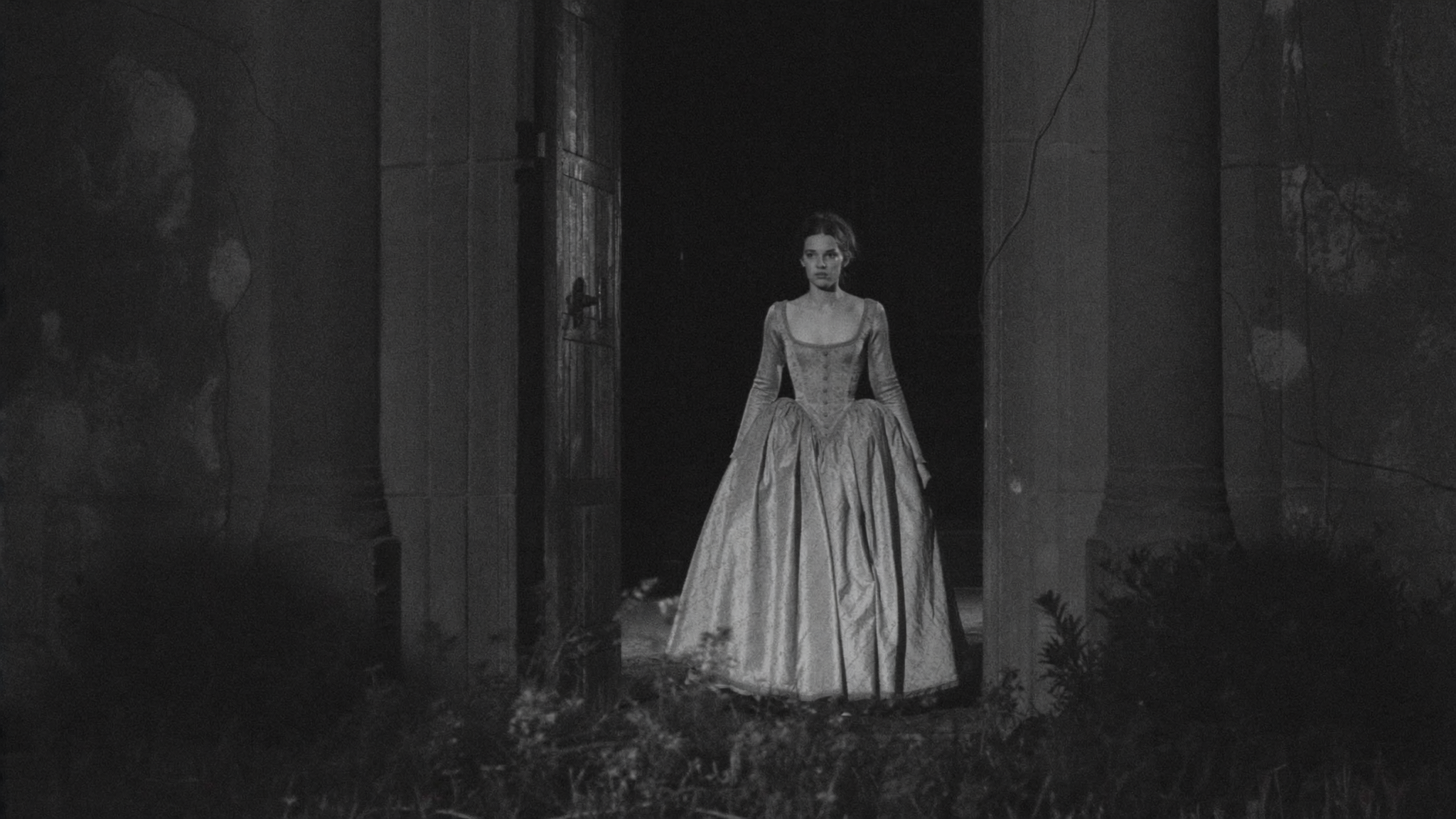


The New Storytelling Medium
Storytelling has always followed the tools available. Oral tradition gave us myths, the printing press gave us novels, cinema gave us montage, and social video gave us the short form. Text-to-video AI is another one of those turning points, because it removes the production barrier between the storyteller and the screen. Anyone who can write can now direct: type a scene, and the machine turns it into moving images. The craft of storytelling did not disappear; it migrated. The bottleneck moved from cameras and budgets to words and judgment.
That migration is the exciting part and the demanding part. The technology will happily generate a thousand beautiful scenes that say nothing. The storyteller's job is to give those scenes a reason to exist: a character the audience cares about, a conflict worth watching, a payoff that rewards the attention. This guide walks through the practical side of that craft, from choosing models to structuring scenes to finishing a story that feels like a story, not a slideshow.
How Text-to-Video Works Today
Modern text-to-video models take a written description and generate a short clip that matches it. Behind the scenes, the model interprets the prompt into visual elements, a subject, a setting, lighting, motion, and renders frames that follow a plausible physics and continuity. The results vary wildly by model and by prompt, and understanding that variability is the first skill.
Most models work best with short, specific prompts. A sentence or two that names the subject, the action, the environment, and the mood produces far better results than a paragraph of vague adjectives. Many models also accept reference images, which let you anchor identity and style, and keyframe controls, which let you lock the start and end of a clip. The modern workflow treats the model as a scene generator inside a larger production process: you plan the story, generate scene by scene, and assemble the winners.
Craft: Models and Prompts
Choosing the Right Model for Your Story
Different stories need different looks, and the model choice should follow the story, not the hype. Photorealistic models suit stories grounded in the real world, slice-of-life moments, product narratives, documentary-style pieces, where believability is the point. Stylized models, anime, illustration, pixel art, claymation, suit fantasy, comedy, and branded content where a distinctive look is the point. Fast models suit volume experiments and social-native storytelling; premium models suit hero pieces where quality is non-negotiable.
A practical approach is to keep a small toolkit instead of chasing every new release. One photorealistic model, one stylized model, and one fast model cover the majority of storytelling needs. Test each with the same reference scene to understand its tendencies, what it does well, where it drifts, and keep those notes. The storyteller who knows three tools deeply will outperform the one who knows thirty tools superficially.
The Structure of a Great Prompt
A prompt is a tiny screenplay, and like a screenplay, it has parts: the subject, the action, the setting, the camera, and the mood. "A woman walks through a rainy market at night, neon reflections on the wet street, slow push-in, melancholic" names all five parts in one sentence. Leave any part vague, and the model improvises; sometimes that improvisation is magic, but most of the time it is noise.
Write prompts in the order the viewer perceives the scene: subject first, then action, then setting, then camera, then mood. Use concrete nouns instead of vague adjectives; "leather jacket" beats "cool outfit", "golden hour" beats "beautiful light". Keep the sentence under thirty words when possible. If the scene needs more detail, put the identity into reference images and keep the prompt focused on motion and mood. The division of labor is simple: references carry who and what; prompts carry what happens and how it feels.
Building Story Continuity: Characters, Settings, Props
The hardest part of AI storytelling is continuity. Characters change faces, settings shift shape, and props mutate between scenes, because each generation starts from scratch unless you anchor it. The fix is a production discipline borrowed from animation: build a world bible before generating.
Create reference images for every recurring character, from multiple angles and in the lighting of the story. Create references for the key settings, the apartment, the street, the office, so each scene inherits the same environment. Keep a file for recurring props that the plot depends on, a distinctive phone, a red bicycle, a family photo. Feed these references into every relevant generation, and use keyframes to lock the opening and closing frames of each scene. Continuity is not a feature you hope for; it is a system you build.
Production: Scenes and Sound
Scene-by-Scene Production Workflow
Story-driven video is produced like a film, one scene at a time, not as one long generation. Start with a scene list, a simple table with the scene number, the action, the setting, the characters, and the emotional beat. This list is the blueprint; it keeps the project coherent and tells you exactly what to generate.
For each scene, assemble the references, write the prompt, and generate several takes. Review the takes against the beat, not just against the visuals: does this scene move the story forward? Keep the best take and note what worked. When a scene is hard to get right, break it into smaller shots, a wide establishing shot, a close-up, a reaction shot, and generate them separately. Assembly happens in editing, where the shots come together with pacing, music, and sound. The workflow is unglamorous and reliable, and it is the difference between a story and a collection of clips.
Audio, Dialogue, and Pacing
Video storytelling is half sound. Music sets the emotional tone, and the same footage can feel tense, sad, or triumphant depending on the score. Narration or dialogue carries exposition that would be clunky as text on screen. Sound effects ground the world, rain, footsteps, a door closing. Ignoring audio is the fastest way to make AI video feel like a demo.
Plan the audio track in the same pass as the visual plan. Decide where the story needs music, where it needs silence, and where a voice explains what the images cannot. Use generated or licensed voiceover for narration, and check that the pacing of the edit matches the emotional rhythm of the story, faster cuts for energy, longer holds for weight. A story with careful audio will outclass a story with stunning visuals and a flat track every time.
Working Within a Budget
Budget and Speed Optimization
Storytelling at scale is a budget game, and the budget is measured in generations and editing hours. Premium models cost more per generation and take longer, so reserve them for hero scenes, the opening that must hook, the climax that must land. Use fast models for establishing shots, transitions, and anything that does not carry the emotional weight. The same scene can be generated in different tiers until you find the minimum quality that serves the story.
Speed comes from reuse. A world bible of references and a library of approved prompt templates make every new project faster than the last. When a shot works, save it, and build a stock library of your own usable material: rain shots, city transitions, character entrances. Over time, an independent storyteller accumulates a personal film library that makes each new story cheaper and faster than the previous one, a compounding advantage that no single tool can match.
Open-Source and Budget-Friendly Options
Not every storyteller has a budget for premium subscriptions, and the open-source ecosystem is healthier than ever. Community models run locally on modest hardware and produce respectable results, especially for stylized and experimental work. The trade-off is setup time, hardware requirements, and a steeper learning curve, but the payoff is full control and zero per-generation cost.
A practical path for beginners is a hybrid: start with a free or low-cost hosted tier to learn prompt craft and workflow, then graduate to local open-source models once the technique is solid and the hardware is available. The skills transfer completely; a good prompt is a good prompt on any model. Budget constraints should not delay the start; they should shape the route.
Community and Model Marketplaces
The AI storytelling scene is social in a way that traditional filmmaking rarely is. Creators share prompts, workflows, and trained models, and marketplaces let model trainers publish custom styles and characters for others to use or buy. This ecosystem is a shortcut: instead of training a character model from scratch, a storyteller can start from a community model and adapt it.
Contribute as you learn. Share the prompts that worked, document the workflow that saved you hours, and if you train a distinctive style, publish it. The community rewards generosity with visibility and feedback, and the feedback loop makes everyone better. The storyteller who participates learns the craft in months instead of years.
The community also solves the loneliness problem of the solo creator: feedback. A story screened for a few hundred fellow storytellers produces better notes than a private guess, and the notes arrive before you sink a week into polishing the wrong version. Show work in progress, ask specific questions about pacing and continuity, and compare your output against peers working in the same style. The craft of AI storytelling is still young enough that no one has all the answers, and the people who share their failures teach as much as the people who share their successes. Treat the community as a production partner, and the quality of your work will rise faster than it would in isolation.
Legal and Ethical Notes for AI Storytelling
Storytelling with AI comes with responsibilities that traditional production also carries, but with different edges. The first is rights: make sure the references, music, and voice assets you use are licensed for your purpose, especially for commercial work. The second is transparency: platforms increasingly expect disclosure when content is synthetic, and audiences appreciate honesty about how a piece was made, which builds trust instead of risking a backlash.
The third is the line between inspiration and imitation. Training a story on a living artist's style, or reproducing a character that belongs to someone else, crosses from homage into infringement quickly, and the reputational damage can outlast any legal remedy. Keep the craft in your own world: original characters, original settings, original stories that the tools help you realize. The final responsibility is editorial: the machine generates, but the meaning is yours. A story that misleads, even accidentally, is still a misleading story. Review every piece with the same care you would apply to any content that carries your name, because the tools may be new, but the standard is not.
Frequently Asked Questions
How long should an AI-generated story be? Start with one to three minutes, which is the sweet spot for social platforms and achievable in a reasonable number of generations. Longer stories work, but they demand much more attention to continuity and pacing.
Do I need to be able to draw? No. The visual craft happens through references, prompts, and curation, not illustration. Understanding composition helps, but the model does the drawing.
Can AI video be used for commercial storytelling? Yes, with the same care as any production: rights to the assets, transparency about synthetic content where platforms require it, and human editorial control over the final piece.
What is the most common beginner mistake? Generating scene after scene without a story plan. The result is a portfolio of pretty clips with no emotional arc. Write the scene list first, even a rough one, and generate to serve the story.
Conclusion
Text-to-video AI has made direction available to anyone who can write, and the storytellers who win will treat the technology as a scene generator inside a real production process. Choose models for the story, anchor continuity with references and keyframes, plan audio as carefully as visuals, and reuse everything you learn. The tools will keep changing, but the craft, story first, continuity always, sound matters, will not. Start with a three-minute idea, build your world bible, and make the machine work for the story instead of the other way around.
