
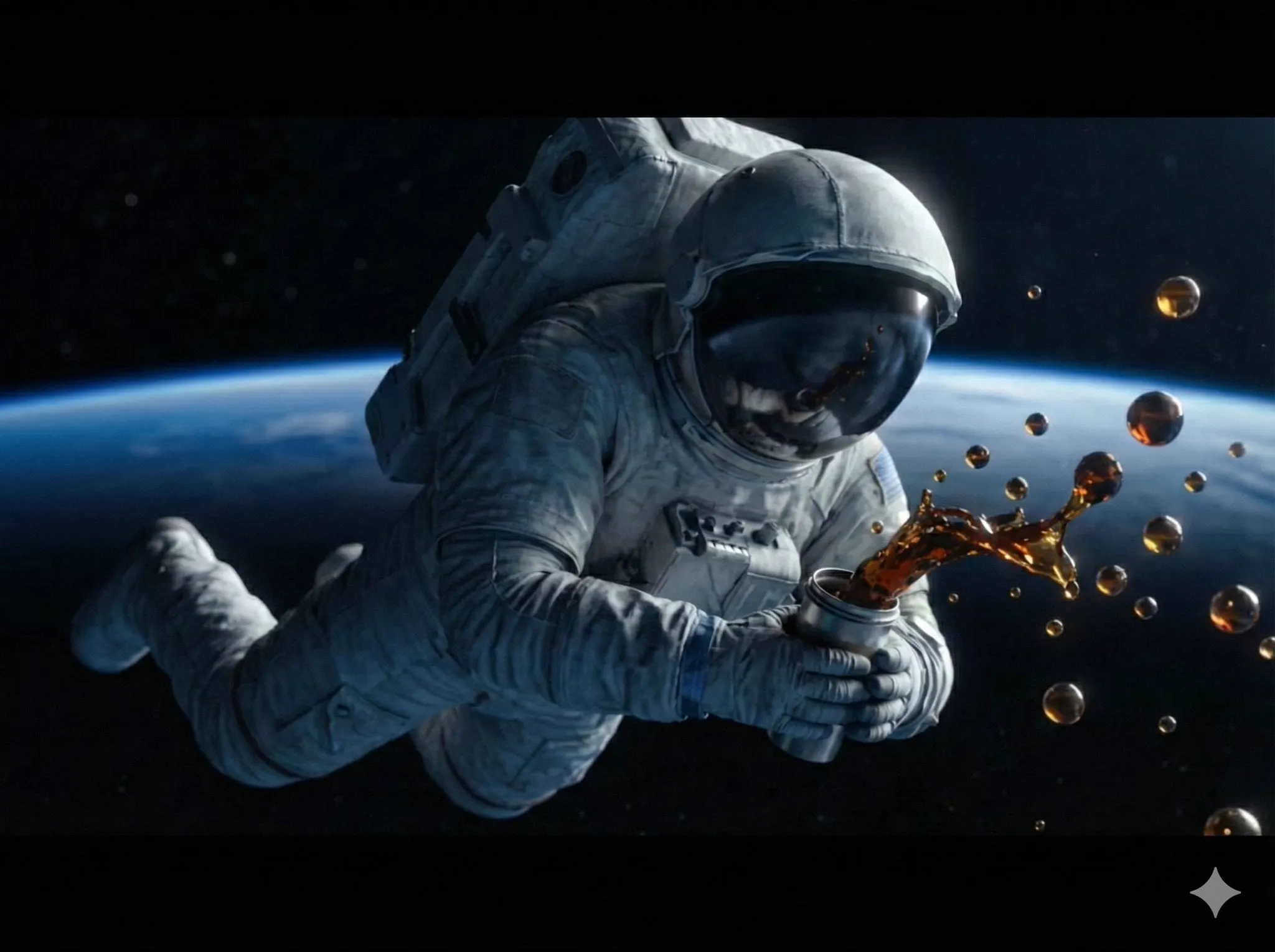
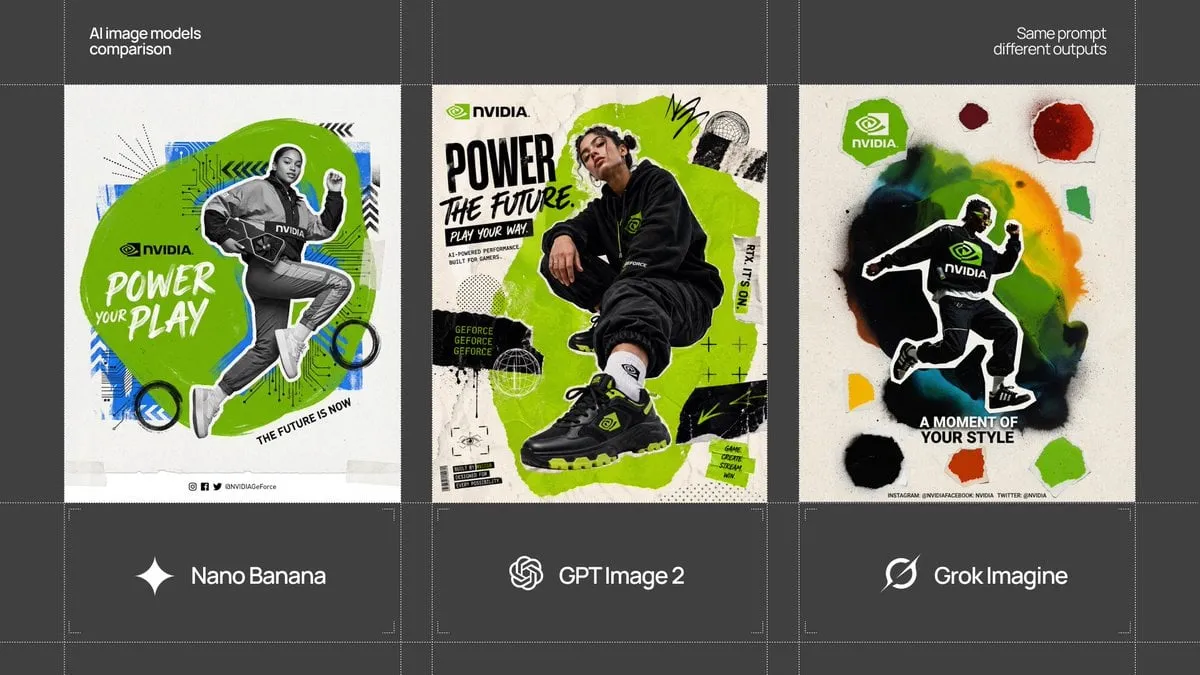
A few years ago, the hard part of video production was access: you needed cameras, lights, actors, and editing suites. Today the bottleneck has flipped. Anyone can generate video from a sentence, but most generated video is forgettable because most people grab the first model they see and type a vague prompt. The real craft in the text-to-video era is selection: knowing which model to use for which shot, why it wins for that job, and how to combine several models inside a single project without losing consistency. This guide breaks down the model landscape into practical categories, maps them to common project types, and gives you a repeatable selection workflow.
Why Model Choice Matters More Than the Prompt
There is a widely repeated myth that a great prompt can make any model produce great video. It cannot. Models are trained differently, and their strengths are baked in during training. One model excels at photorealistic humans, another at stylized animation, another at smooth camera moves, and another at fast, cheap iterations. A brilliant prompt on the wrong model produces a brilliant prompt wasted.
Think of models like lenses. A 50mm lens and a wide-angle lens can both photograph the same scene, but they tell different stories. Choosing the lens is a creative decision that happens before the shutter. The same is true in AI video: the model encodes a visual philosophy, and your job is to match that philosophy to the scene.
There are also operational differences. Generation speed, cost per clip, maximum duration, and control features vary widely. A model that produces stunning results but takes ten minutes per clip is wrong for a project that needs forty variations before lunch. Selection is both an aesthetic decision and a logistics decision.
The Four Model Families You Should Know
The current landscape can be organized into four families. Almost every model you encounter fits into one of them, and knowing the family makes unfamiliar models easier to evaluate.
Premium Fidelity Models
The first family is built for maximum quality: high resolution, accurate physics, realistic textures, and fine-grained prompt adherence. These models are the right choice when the shot is a hero moment: a product close-up, a cinematic establishing shot, or any scene that will be seen large and watched closely.
The trade-offs are real. Premium models are slower and more expensive per generation, so they punish trial and error. Use them after the concept is locked, not while you are still exploring ideas. Reserve premium generations for shots that will actually survive the edit, and expect to iterate on the prompt before spending a premium generation on the final take.
Fast and Cost-Efficient Models
The second family prioritizes volume. These models produce decent clips quickly and cheaply, which makes them ideal for storyboarding, background plates, social media testing, and anything where you need many options to choose from.
Their weakness is visible at close inspection: simpler physics, less stable faces, and less nuanced light. That is acceptable when the clip will be small, fast, or layered under other elements. The professional move is to use fast models for exploration and premium models for the shots that matter, rather than expecting one model to cover both.
Regional and Specialized Models
The third family is built by teams with distinct aesthetic priorities, often trained heavily on local content and styles. These models frequently lead in specific niches: certain animation aesthetics, particular cultural settings, or genres that global models handle poorly.
The lesson is not to chase novelty, but to remember that "best model" is a regional and cultural question. If your project has a strong local or niche visual identity, test models from that region before assuming the most famous model is the best match. Many of the most distinctive AI videos you see online come from exactly this kind of specialized choice.
Motion and Camera Control Models
The fourth family focuses on how the camera moves and how objects move within the frame. Some models are exceptional at tracking shots, some at complex object motion, and some at keeping spatial relationships stable across a longer clip.
These models matter most for action sequences, product shots that require the camera to orbit an object, and scenes where the physics of movement is the point. If your shot is essentially static, a control model is wasted money; if your shot lives or dies by the camera move, it is the only model that will do.
Matching Models to Common Project Types
A quick reference for typical jobs:
- Product commercial: premium fidelity for the hero shot, fast model for the b-roll and background plates, control model for the orbit and reveal moves.
- Talking-head or presenter content: a model with stable faces, generated in short takes, with reference images to lock the presenter's identity.
- Stylized brand animation: a specialized model that matches the brand's illustration or animation style, with strong style references.
- Social media test content: fast models only, generate ten variations, publish the best two.
- Narrative short film: control models for the action beats, premium models for the money shots, and careful reference management for character consistency.
- Backgrounds and atmospheric plates: fast models, generated at modest resolution, then upscaled in post.
The pattern behind every row is the same: separate exploration from hero shots, and let the shot type decide the model family.
A Five-Step Model Selection Workflow
Step one: define the shot, not the tool. Write down the subject, action, camera movement, lighting, mood, and how the shot will be used. If you cannot define the shot, no model choice will save it.
Step two: classify the shot. Decide which family it belongs to. Is it a hero moment, a plate, a motion piece, or an exploration? This single decision narrows your options from dozens to a few.
Step three: shortlist two or three models in the right family. Read their current release notes and look at recent samples, because the landscape shifts every few weeks and last month's best model may have been replaced.
Step four: run a controlled test. Generate the same shot with each shortlisted model, using the same prompt and the same reference images. Compare them side by side on a timeline, not as separate files. This reveals which model actually serves the shot rather than which one has the best demo reel.
Step five: lock the model and move on. The goal is a decision, not an endless comparison. Pick the winner, note why it won, and save that note for future projects.
Combining Models in a Single Pipeline
Professional AI video rarely comes from a single model. A finished piece is usually a mosaic: a premium model for the hero shot, a fast model for the transitions, a control model for the action beat, and a specialized model for the stylized title sequence.
The risk of mixing is inconsistency, and the antidote is references. Before generating, build a small library: character references, location references, and a style reference. Feed the relevant references into every model you use. Most models now accept input images, and that shared reference layer is what keeps the mosaic coherent.
The second antidote is post-production. A unified color grade, consistent captions, and a single sound bed do more to glue different generations together than any model feature. Treat every generated clip as raw footage and finish the piece in an editor.
Common Selection Mistakes
The most expensive mistake is using a premium model for exploration. You will burn time and budget discovering what the shot should be, then have nothing left for the final version. Explore cheap, commit expensive.
The second mistake is judging models by demos instead of your own footage. Model demos are curated highlights. Run your own tests with your own subject matter, because a model that nails a desert landscape demo may struggle with your product's reflective surface.
The third mistake is ignoring updates. The model you evaluated last quarter has likely changed, and the competitive ranking has likely shifted. Re-test before large projects instead of trusting old notes.
The fourth is over-mixing without references. Combining five models without a shared reference layer produces five visual languages fighting each other. Fewer models, well referenced, beats more models, chaotically used.
A Worked Example: Choosing Models for a Product Launch
Theory is easier to remember with a concrete case. Imagine you are producing a thirty-second launch video for a new mechanical watch, and you have the shots planned: an opening hero shot of the watch on a dark stone surface, a series of detail shots of the case and the movement, an orbit shot that circles the watch, and a fast social cutdown with bold text overlays.
The hero shot demands the premium family. It will be seen large, it has to sell the materials, and the prompt needs maximum fidelity: polished titanium, sapphire crystal, precise reflections. Generate this shot only after the composition is locked, and expect it to consume the largest share of the budget. A premium generation spent on a shot that gets cut is pure waste, so confirm the framing with a cheap version first.
The detail shots are exploration candidates. You need several angles of the case, the crown, and the movement, and most of them will not survive the final cut. Use the fast family here, generate a dozen options in a couple of batches, and keep only the two or three that actually make it into the edit. This is where cost-efficient models earn their keep: they let you see ten compositions for the price of one premium shot.
The orbit shot is a motion problem, not a detail problem. A control model that can track the watch while the camera circles will produce the shot you need, even if its raw resolution is below the premium model. The movement is the story of that shot, so the control model is the right tool, and no amount of fidelity from another family will replace it.
The social cutdown is a different species. It is built for small screens, short attention spans, and heavy text overlays, so visual subtlety matters less than strong composition and motion. The fast model is fine for the base footage, because the final version will be compressed, cropped, and covered with type anyway. Spending premium generations on footage that will be buried under captions is the kind of waste this framework exists to prevent.
Notice what the example reveals: the same project uses three families for four different jobs, and every choice is justified by what the shot needs, not by which model is newest. That is the discipline of model selection, and it is what separates a production that looks intentional from one that looks random.
Building a Personal Shortlist That Saves Time
Once you have used the framework a few times, formalize what you learned. Keep a shortlist of three to five models, one per family, and maintain a one-line note for each: what it is best at, what it struggles with, and when you last tested it.
The shortlist is not permanent. Model quality shifts constantly, and a shortlist that is six months old is a liability. Schedule a light re-test every few months, using the controlled test from the workflow above, and update the notes honestly. The goal is not to chase every release; it is to ensure that when a project starts, you can reach for the right tool without re-researching the market from zero.
A shortlist also protects you from novelty bias. When a new model generates buzz, your notes give you a baseline: does it beat the incumbent on the shots you actually make, or is it just newer? Most of the time the answer is no, and the note saves you an afternoon of distraction.
FAQ
How many models should I learn well?
Start with two: one fast model for exploration and one premium or specialized model for hero shots. Add a control model when a project demands a specific camera move. Depth beats breadth.
How do I know a model is "best" for my niche?
Run the controlled test described above with your own content. The model that produces the most usable shots for your subject, at a speed and cost you can sustain, is the best model for you, regardless of rankings.
Can I mix models from different vendors in one video?
Yes, and it is common practice. The key is a shared reference library and a consistent post-production grade. The audience will not know or care which model made which shot, only whether it feels like one piece.
Does the prompt still matter if I choose the right model?
More than ever. The right model raises the ceiling, but the prompt determines whether you reach it. Precise prompts about subject, action, camera, light, and mood are what turn a capable model into a usable shot.
How often should I re-evaluate my model choices?
Re-test before any project where the visual result is critical, and do a light review every month or two. The market moves quickly, but your workflow and reference library are what keep your output consistent while models change underneath you.
