
The Moment Text-to-Video Became a Production Tool
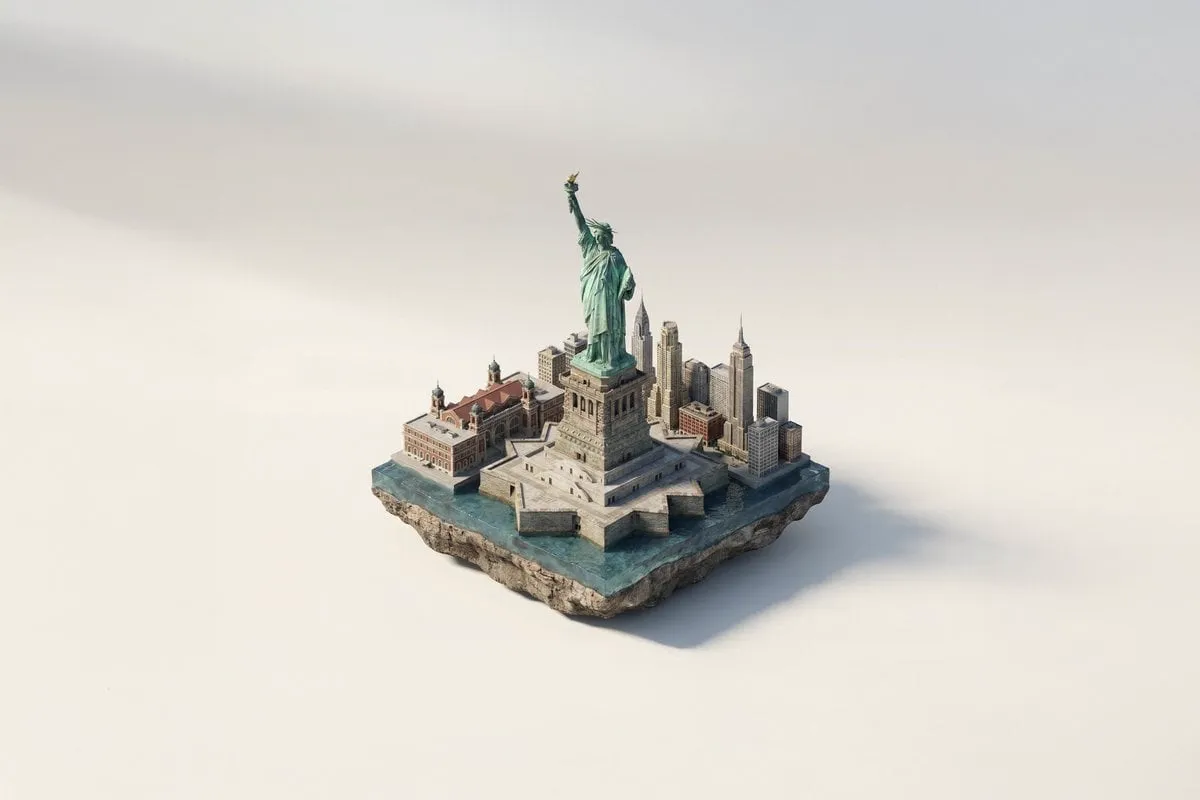
There is a line between a technology that demos well and a technology you can build on, and text-to-video crossed it. The early models could produce a few seconds of plausible motion, impressive in a keynote but useless in a production calendar. The current generation still struggles with some things, but it produces clips that are genuinely usable for real content: social posts, product visualizations, concept art, internal pitches, and low-budget commercial work.
What changed is not any single breakthrough but a cluster of improvements. Models understand prompts more precisely, they keep objects and characters stable for longer, they render hands and faces more reliably, and they give creators control over camera, style, and motion. The result is that the bottleneck moved from the technology to the workflow: the people getting value from these tools are the ones who have learned to plan shots, iterate, and combine models, not the ones waiting for the perfect prompt.
This matters for anyone producing content. If you have not yet built a text-to-video workflow, you are leaving a capability on the table that is already cheaper and faster than traditional production for many use cases. And if you have used the tools casually, the gap between casual use and deliberate production is exactly where the interesting results live.
How Modern Video Models Actually Work
You do not need a machine learning degree to use these tools well, but understanding the broad mechanics helps you predict what will work and what will fail.
Most current video models are built on diffusion, the same family of techniques that powers modern image generation. The model learns to start from noise and progressively refine it into an image, and video models extend this into sequences of frames that must be consistent with each other. The hard part is temporal coherence: keeping a face stable across frames, keeping motion physically plausible, and preventing objects from morphing as the camera moves.
The text instruction, the prompt, conditions the whole process. The model attends to the words and tries to align the frames with them, which is why prompt wording matters so much. Precise, concrete language produces more predictable results than vague adjectives. "A red bicycle leaning against a white wall, morning light" gives the model clear anchors; "a beautiful scene" gives it nothing.
Two practical implications follow. First, the model's failure modes are predictable: it struggles most with small details, fast motion, complex interactions, and long sequences, exactly the areas where humans are most sensitive to error. Plan your shots to avoid those weak spots instead of fighting them. Second, because generation is stochastic, the same prompt produces different results each time. Treat generation as sampling: run several takes, review them, and keep the best. That sampling mindset is the core of the working method.
The Main Families of Models
The model market has stratified into families, and knowing which family you are using tells you most of what you need to predict about its behavior.
The flagship family delivers the highest photorealism and the most complex motion. These are the models you see in impressive demo reels, and they are the ones to use when the shot is the product, a hero image, an emotional close-up, a scene that will be scrutinized. They cost more per generation and take longer, and they are usually the default choice for commercial hero content.
The specialized family trades some raw realism for distinct styles: anime, illustration, watercolor, pixel art, film grain, and other looks. If your project has a defined aesthetic, a specialized model will hit it more reliably than prompting a generalist to imitate it. This family also includes regional and cultural specializations that understand specific settings and visual conventions better than global models.
The efficient family optimizes for speed and cost. These models produce good, not stunning, results at a fraction of the price, and they are ideal for volume work: social content, drafts, prototypes, and anything that will be re-edited. They also teach you the most, because their limitations force you to write better prompts.
The open family runs on your own hardware and removes the per-generation cost entirely. The quality is below the flagship level, and setup is real work, but the freedom to iterate without limit and the privacy of local processing make them valuable for serious workflows and sensitive projects.
Why Model Diversity Beats a Single Tool
The instinct to find one tool and master it is reasonable, but for production work it is the wrong frame. The best results come from combining models, because no single model is best at everything.
Think of models as specialists on a crew. You would not ask the same person to do the wide establishing shot, the emotional close-up, the stylized flashback, and the fast action insert. You match the specialist to the task. The same logic applies to generation: use the flagship for the hero shot, the efficient model for the transitions, the stylized model for the dream sequence, and the open model for the exploratory drafts.
Diversity also protects you from dependency. Model availability changes, cost structures shift, and quality changes with every release. If your entire workflow depends on one tool, you are exposed to all of those changes at once. A workflow that can route each shot to the best available model adapts as the market moves.
The practical way to build this is a simple routing table. Write down the kinds of shots your content needs, and assign each kind to a default model and an alternative. When you start a project, the table tells you which models to load before you generate anything, instead of deciding shot by shot in the middle of the work.
Character Consistency and Multi-Image Reference Techniques
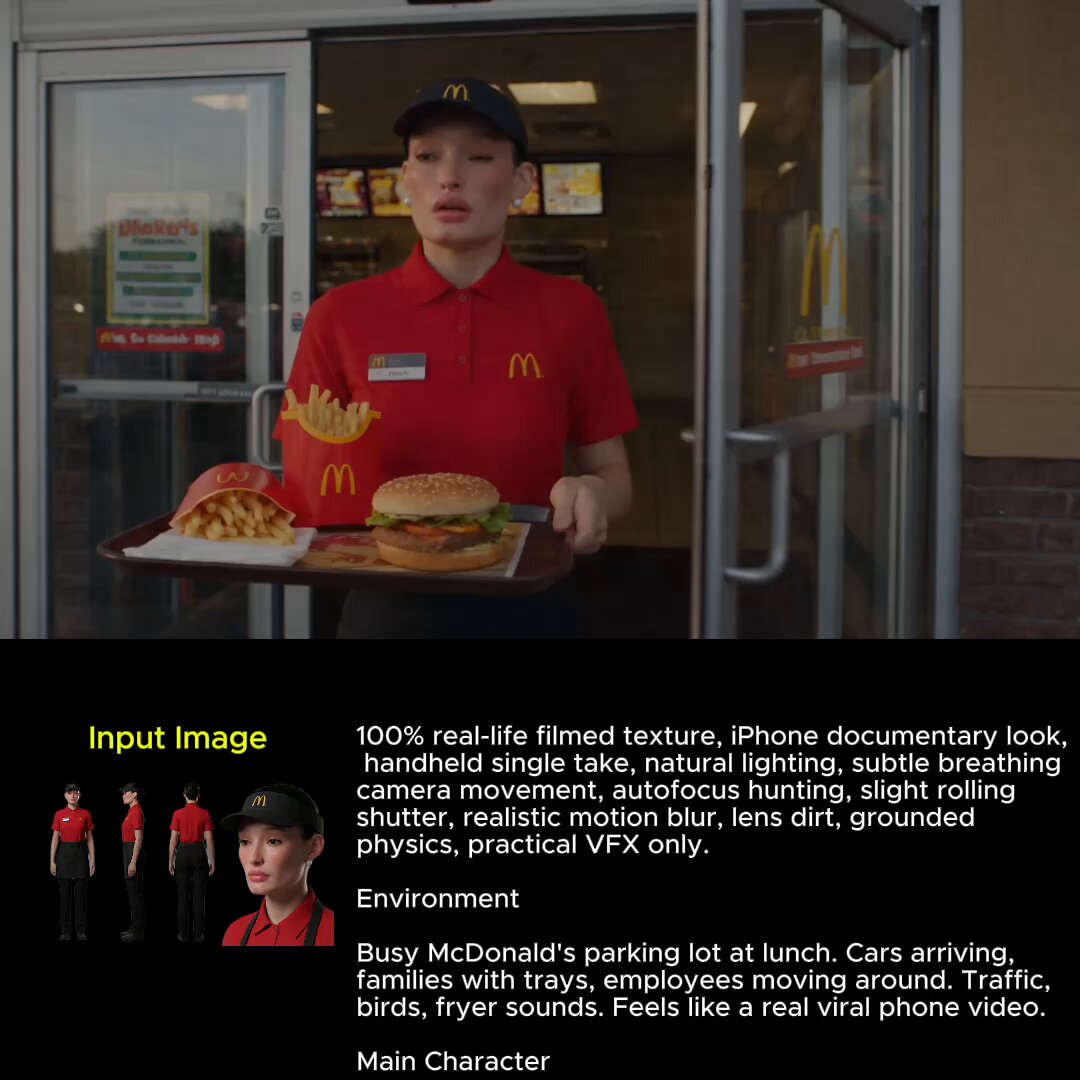
The defining quality problem in AI video is character consistency, and the current solution is reference-based generation. Instead of describing a character in words and hoping the model remembers, you show the model what the character looks like.
Reference images work because they give the model concrete visual anchors. A character sheet, a front-facing image with clear lighting, becomes the source of truth for face, hair, and clothing. When you generate a new scene, you provide the reference along with the scene description, and the model tries to place that identity into the new context.
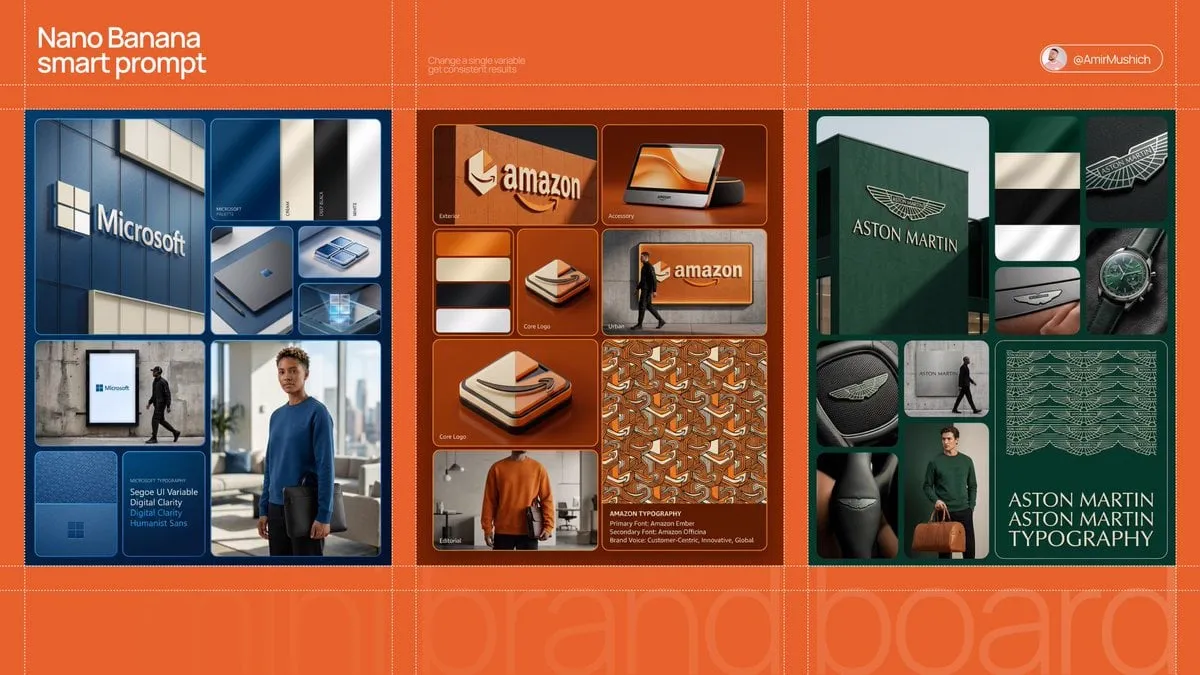
The technique extends beyond characters to anything that must persist: locations, props, products, brand mascots. A product reference lets you generate the same item in many scenes without redesigning it each time. A location reference keeps a fictional setting recognizable across a series. This is what makes serialized content, a character who appears in episode after episode, practical with AI tools.
The workflow is straightforward. Create the reference image first, and invest the time to get it right, because every downstream shot inherits its quality. Then, for each scene, combine the reference with a specific scene prompt that describes the new setting and action. Review the results for drift, and when a shot drifts, regenerate it rather than accepting it, because a single off-character shot breaks the whole sequence.
Cost and Performance: Balancing Quality and Budget
Production is always a budget problem, and AI video is no exception. The good news is that the cost structure is controllable if you plan around it.
The first lever is model routing, which we covered above. Flagship models cost multiples of efficient models, and using them only for the shots that need them can cut a project's generation cost dramatically. The hero shot gets the premium model; the filler shots do not.
The second lever is iteration discipline. Every generation costs something, whether money or time, and aimless iteration is the biggest waste. Review each take against a checklist before regenerating, and change exactly one thing at a time, the prompt, the seed, the model. Scattershot regeneration burns budget without teaching you anything.
The third lever is resolution and duration. Longer and higher-resolution generations cost more, and most output does not need the maximum. Generate at the resolution you will actually publish, and keep drafts short. You can extend and upscale later for the shots that make the final cut.
The fourth lever is batching. Many platforms let you generate multiple variations in one request, which is cheaper and faster than running them one at a time. Build your workflow around batches: plan the shot list, write all the prompts, and generate in groups, then review the results together.
Building a Practical Text-to-Video Workflow
A production workflow turns the technology into a repeatable process. Here is a structure that works for both individual creators and small teams.
Start with a brief. Write the purpose of the video, the audience, the platform, and the message in a few sentences. The brief is the test every shot must pass, and it prevents the project from drifting into pretty but pointless generation.
Next, build the shot list. Break the brief into shots, and for each shot record the subject, the action, the camera, the style, and the model assignment. This is where the routing table gets used, and it is also where you catch weak ideas before spending any generation budget.
Then prepare the references. Create the character sheets, location references, and style anchors that the shots depend on. Do this once per project, and review the references carefully, because they propagate into every shot.
Generate in batches, review critically, and keep a changelog of what worked. When a prompt produces an excellent shot, save it with its settings, because it becomes a template for the next project. When a shot fails, record why, because the failure modes repeat.
Finally, assemble and finish outside the generator. The editing, sound, captions, and export are where raw clips become content, and most tools are not the best place to do that work. Keep the generator focused on generation and finish the piece in a proper editor.
What to Watch Next
The field is moving quickly, and a few directions are worth tracking because they will change how you work.
The first is better consistency control. Reference-based generation is improving fast, and the gap between flagship consistency and cheap-model consistency is closing. When consistency stops being a premium feature, serialized and character-driven content will become much cheaper to produce.
The second is longer coherent sequences. Models are getting better at maintaining coherence beyond the ten-second clip, which will unlock proper scenes and eventually short films with fewer edit seams. The current practice of shot-by-shot assembly will gradually give way to longer native generations.
The third is multimodal input. Models that accept images, video clips, and audio as inputs, not just text, will let you steer results much more precisely. The ability to say "make a video like this reference, but with this character, in this location" will compress the workflow considerably.
The fourth is cost and speed convergence. Efficient models are improving faster than flagship models, which means the budget tier of quality keeps rising. The tools that are good enough today will look basic in a year, and the workflows that assume current limitations will need regular review.
Frequently Asked Questions
Do I need a powerful computer to use text-to-video models? It depends. Cloud platforms handle the compute for you, and a normal laptop is enough to write prompts and review output. Local and open models require real hardware, but they are optional.
How long does a typical video generation take? From seconds to minutes for short clips, depending on the model, the platform load, and the resolution. Plan for iteration, because the first take is rarely the best one.
Can I use text-to-video for client work? Yes, and many agencies do. The practical requirements are watermark-free output, a clear license, and consistent quality, which usually means budgeting for a paid tier on the shots that matter.
What is the biggest mistake beginners make? Treating generation as a one-shot process. The working method is sampling: generate multiple takes, review them critically, and refine. Expecting the first prompt to be perfect is the fastest path to frustration.
How do I stay current with new models? Follow the release notes of the major platforms, test new models with a standard set of test prompts, and keep a comparison note. Your own test prompts matter more than any review, because they measure what your content actually needs.
