
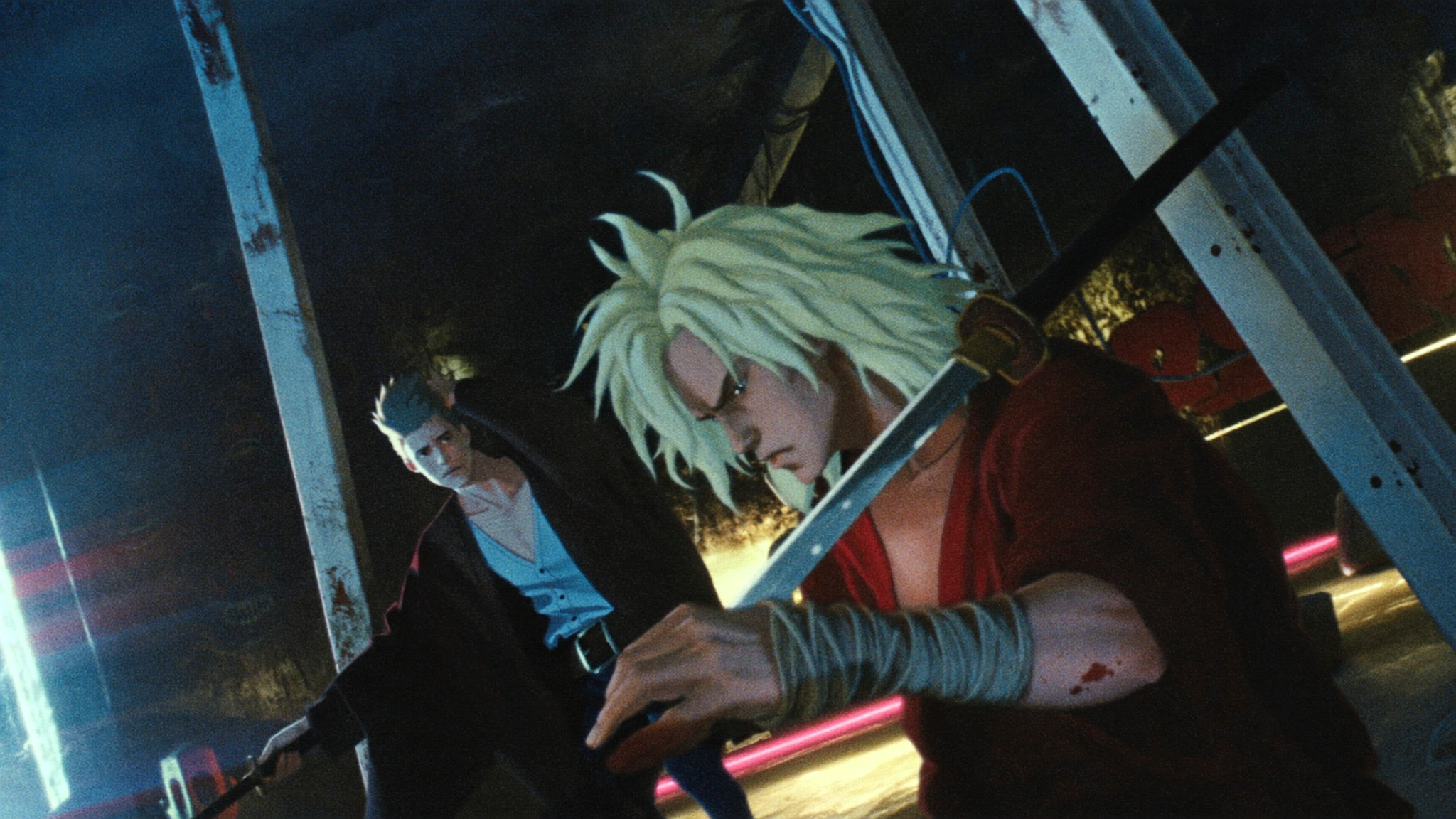
Text-to-Video: The Secret to Professional Video Content in Minutes
Text-to-video technology reached a turning point in 2025. What was once a futuristic concept is now an operational reality and a driving force in content production. Creators, marketers, and filmmakers are looking for ways to produce large volumes of high-quality visual content with minimal time and cost. The ability to type a few sentences and receive a finished video sequence has changed what is possible for individuals and small teams alike.
This guide explains how text-to-video works today, which models fit which use cases, how to control composition and narrative, and how to build a production workflow that turns prompts into professional results in minutes. It is written for people who want to move beyond random generations and produce content with intention, consistency, and speed.
Understanding the Current Landscape of Text-to-Video
The current text-to-video landscape is defined by powerful generative models that can create not only still images but also long video sequences with temporal coherence. A model takes a text prompt, interprets it, and produces a series of frames that match the description. The quality varies enormously between models, and the gap between premium and budget options is one of the most important factors in choosing a tool.
The market has grown rapidly. In 2025, video content continues to dominate attention, and platforms compete on quality, speed, and control. Some models excel at photorealism, others at stylized animation, and others at specific tasks like camera control or character consistency. Understanding the differences is essential, because there is no single model that does everything well.
At the same time, the challenges are real. Generating video requires significant computing resources, and controlling the output precisely remains difficult. A fast generation is not enough if the result does not match the director's vision. The tools that solve this control problem are the ones that create real value for professionals.
The Model Landscape: Quality, Speed, and Cost
Text-to-video models can be roughly divided into three groups: premium models, efficient models, and specialized tools. Each group serves a different purpose, and a smart workflow uses several of them rather than relying on a single model.
Premium models are the top of the line in quality and control. They typically cost more and take longer, but they deliver exceptional visual fidelity, deeper prompt understanding, and stronger content stability. These models are the right choice for hero content: product campaigns, cinematic sequences, client work, and anything where the visual result must be outstanding.
Efficient models balance cost and performance. They produce good-quality video quickly and are ideal for high-volume production: social media clips, test variations, internal drafts, and anything that will be iterated or discarded. The savings in time and cost often outweigh the drop in quality, especially when the content has a short lifespan.
Specialized tools go beyond basic video generation. They may focus on image-to-video, motion control, character consistency, or audio integration. These tools are not replacements for the main generator but add-ons that solve specific problems. A professional workflow typically combines a premium model for key scenes, an efficient model for volume, and specialized tools for particular effects.
How to Choose the Right Model for the Job
The first question is always: what is the goal? A cinematic brand film has different requirements than a daily social media post. Define the purpose, the audience, and the quality bar before choosing a model.
For photorealistic product campaigns, models with high fidelity and strong style consistency are the best choice. They handle complex lighting, fine detail, and realistic textures well, which matters when the product is the hero of the frame.
For stylized or animated content, models with a strong artistic identity are better. They deliver a consistent look without requiring the user to fight for it. This is especially valuable for brands with a distinctive visual language.
For projects that require precise control, look for models with reference-based generation, camera control, and motion control. These features let you direct the shot rather than hoping the model produces something usable. Test a shortlist of models on your specific task and track the results; over time, you will develop a reliable mapping between tasks and models.
The Director Agent: Beyond Simple Generation
The most significant evolution in text-to-video is the emergence of AI agents that act like directors. Instead of generating a single clip from a prompt, these agents help with scene composition, narrative structure, and cinematography. They translate creative intent into structured instructions that optimize performance across different models.
An AI director can help in several ways. It can break a script into shots, suggest camera angles, maintain visual consistency across scenes, and manage pacing. This is a paradigm shift from prompt engineering to directorial thinking. The agent does not replace the creator; it amplifies their ability to control the output.
For scene composition, the agent can recommend how to frame a subject, where to place elements, and how to guide the viewer's eye. For narrative structure, it can ensure that a sequence of shots forms a coherent story rather than a collection of disconnected images. For cinematography, it can automate camera movements and advanced settings that would otherwise require technical expertise.
The practical benefit is speed. A director agent can take a rough idea and produce a structured plan, then execute the generations, then refine based on feedback. This turns a multi-hour workflow into a conversation that produces results in minutes.
Prompt Engineering: The Language of Visual Creation
Prompt engineering remains a core skill, even with smarter tools. The prompt is the interface between your intention and the model's output. A well-written prompt is specific, layered, and structured; a vague prompt produces a lottery.
The layers of a good prompt are: the subject, the action, the environment, the lighting, the composition, the camera movement, and the style. Each layer narrows the space of possibilities. For example, "a woman walking in a city" is a lottery ticket, while "a wide shot of a woman in a red coat walking slowly through a rainy street at night, neon reflections, camera tracking left, cinematic tones" gives the model a clear target.
The order of information matters. Models typically weight the beginning of a prompt more heavily, so put the most important elements first. Use consistent terminology across prompts for the same project, and keep a library of prompts that have worked, organized by task and style.
Negative prompting, where you describe what you do not want, is also valuable. Many models support this and it can eliminate common artifacts: distorted hands, text rendering errors, abrupt motion. The more precise your vocabulary, the more control you have.
Camera Control and Cinematography
One of the most valuable capabilities in modern text-to-video is camera control. Instead of accepting whatever camera movement the model chooses, you can specify pans, tilts, zooms, tracking shots, and aerial views. This is the difference between a random clip and a directed shot.
Camera control matters because it shapes the emotional impact. A slow push-in creates intimacy and tension. A wide tracking shot establishes scale and context. A handheld feel conveys urgency and realism. These choices are the vocabulary of cinematography, and they are now available to anyone who can describe them.
Advanced tools also support motion control of the subject. You can specify that a character walks from left to right, that a product rotates to show all sides, or that a camera orbits around a scene. Combined with reference images, this gives you the ability to plan a shot precisely and execute it consistently.
The key is to think in terms of shots, not clips. Before generating, decide what the camera should do and why. Then describe it explicitly in the prompt. The model will follow much more reliably than if you leave the camera to chance.
Character Consistency Across Scenes
The most persistent challenge in text-to-video is character consistency. A character looks right in one scene and subtly different in the next. For narrative content, this is fatal: the audience needs to believe it is the same person.
The solution is anchoring. Provide reference images of the character from multiple angles, and describe the character's key attributes consistently in every prompt. When the model has a stable visual anchor, the results become dramatically more coherent.
Multi-image fusion takes this further. Instead of feeding a single reference, you feed several, and the model blends them into a consistent baseline. This keeps a character's face, wardrobe, and proportions stable across different lighting, angles, and emotional states. It is also invaluable for brand content, where logos and product designs must remain intact.
Build a reference library for every project: character sheets, environment stills, prop close-ups. Reuse the same references across all scenes. This simple discipline prevents most consistency problems before they appear.
Infrastructure: Speed, Stability, and Security
Behind every text-to-video platform is an infrastructure that determines the user experience. Long queues, crashed generations, and an unstable interface destroy productivity no matter how good the models are. The technical foundation matters as much as the creative features.
Task queues are the heart of production efficiency. Instead of generating one clip at a time and waiting, you can queue many tasks, run them in parallel, and collect the results together. This is essential for any serious production volume.
Resource management is equally important. Video generation is computationally intensive, and platforms must allocate GPU resources efficiently. The best platforms let you see queue status, estimate completion times, and prioritize important tasks.
Security and storage are the final layer. Data must be protected, authentication must be robust, and assets must be stored reliably in the cloud. For professionals, the ability to access, organize, and export assets cleanly is a major part of the value proposition. A platform that handles infrastructure well lets you focus on creativity.
A Practical Production Workflow
Here is a workflow that works for everything from a single product video to a full campaign. First, define the goal: what is the message, who is the audience, what is the desired emotion? Second, build the references: product images, style guides, character sheets. Third, plan the shots: break the message into scenes and describe each shot's purpose.
Fourth, choose the model per shot type and write the prompts using the references and the plan. Fifth, generate in batches, review, and regenerate the weak results. Sixth, assemble the sequence and add music, voice, and effects. Seventh, review the whole piece and refine.
The workflow sounds elaborate, but most steps take minutes once the foundations exist. The references and the plan are the real investments; the generation is fast. The result is professional content produced in minutes, with the consistency and intention that audiences expect.
Common Mistakes and How to Avoid Them
The first mistake is generating before planning. Without a clear goal and references, you get a pile of random clips that cannot be assembled into a message. Plan first, generate second.
The second mistake is using the same model for everything. Match the model to the task: premium for hero content, efficient for volume, specialized for specific effects.
The third mistake is neglecting prompt structure. A vague prompt produces a lottery. Invest time in writing layered, specific prompts and keeping a library of what works.
The fourth mistake is ignoring character consistency until it becomes a crisis. Fix references at the start of the project, not after ten scenes have drifted.
The fifth mistake is treating audio as an afterthought. Music, voice, and effects carry at least half of the emotional weight. Plan the soundscape as carefully as the visuals.
FAQ
Do I need technical skills to use text-to-video? No. The tools are designed to be accessible, but the quality of your results depends on your ability to describe intent clearly. That skill improves with practice.
Which model should I start with? Begin with a well-known premium model to learn what good output looks like, then experiment with efficient models for volume and specialized tools for specific needs.
How long does it take to produce a professional video? With a prepared workflow, a single scene can be generated in minutes. The planning and reference-building steps take time upfront but save enormous time later.
Can text-to-video replace traditional video production? For many use cases, yes, especially for content that does not require real people, real locations, or complex physical effects. For others, it complements traditional production by generating drafts, variations, and assets.
How do I keep characters consistent across scenes? Use reference images from multiple angles, describe key attributes consistently, and reuse the same anchors across all scenes. Multi-image reference techniques make this significantly easier.
