

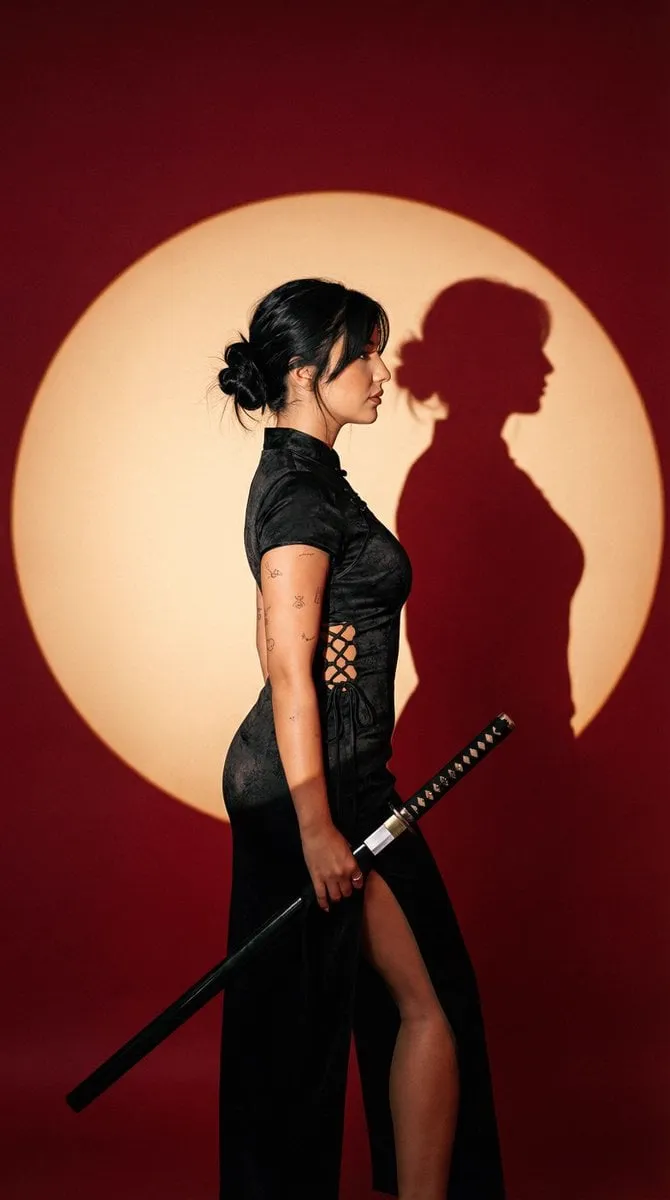
The ability to turn a written description into finished, high-resolution video has moved from science fiction to a practical everyday tool. What once required studio budgets, full crews, and weeks of production can now be produced from a prompt in a matter of minutes. This shift is not just about speed; it is about fundamentally expanding who can create and what can be expressed.
This guide takes you through the reality of AI-powered text-to-video production. It covers how these tools work, how to choose among models, how to direct output for professional quality, and how to fold generation into a dependable production workflow. Whether you are a marketer, a filmmaker, or a solo creator, the principles here help you produce work that looks considered rather than accidental.
How Text-to-Video Has Changed Production
For most of creative history, making video required access to expensive equipment and specialized skill. The shift to AI-driven generation replaces much of that physical infrastructure with computational reasoning. A detailed prompt encodes the scene, the style, the motion, and the mood, and a model synthesizes plausible video from it.
The practical consequence is dramatic. Concepting happens faster because you can visualize ideas on demand. Explanation and marketing become easier because you can create bespoke footage rather than searching generic stock. Small teams can behave like production houses, and individual creators gain reach that used to be out of financial reach.
None of this removes the need for craft. It redirects it: quality now comes from how well you describe, how well you choose models, and how well you shape the output.
Understanding the Models Behind the Magic
Not all generation is the same, and understanding the model landscape helps you choose well. High-quality video models produce photorealistic, physically plausible footage with smooth motion and consistent lighting. They are ideal when realism matters most.
Specialized models go further, offering control over specific properties — such as maintaining a recognizable character, enforcing a visual style, or managing timing across a longer scene. Some focus on efficiency, letting you iterate quickly or stay within budget while exploring options.
Because different projects have different needs, the ability to select an appropriate model per scene is a major advantage. A single model that does everything reasonably is rarely the best choice for every shot; the professional approach uses the right tool for each job.
Writing Prompts That Produce Good Results
The prompt is your directorial interface, and quality scales with your prompts. Strong prompts are specific, structured, and tied to intent. Describe the subject clearly, then set the scene with environmental and lighting details, then direct the camera with explicit movement and framing, and finally define the mood or style you want.
Break longer scenes into discrete shots, each with its own focused prompt, rather than asking for too much in one generation. This modular approach gives you control and makes it easy to revise a single section without regenerating everything.
Iterate. Generate a first pass, study what did and did not work, then refine the prompt accordingly. The difference between a generic result and a professional one is often several rounds of focused refinement.
Directing Camera and Scene Composition
Even with AI, the language of cinema applies. Decide what the camera is doing and why. Is it a slow push-in for intimacy, a wide establishing shot for context, or a dynamic handheld move for energy? Directing motion deliberately gives the result the quality of a real shoot rather than a random blast of frames.
Composition also matters. Consider framing, the rule of thirds, foreground interest, and where the viewer's eye should land. Describe the scene so that the important elements are placed and weighted clearly. When you direct composition, the generated footage feels intentional and easy to read.
Keep the emotional arc in view. The mood of a scene should guide lighting, color, and pacing. A bright, energetic product shot wants different direction than a moody, contemplative night scene.
Maintaining Consistency Across Scenes
A story made of many shots only works if those shots feel like one world. Character and style consistency is one of the greatest challenges in multi-shot generation and one of the most rewarding to solve.
Use consistent reference inputs and a stable style vocabulary across every shot. For recurring characters, build a dedicated model trained on that character so their appearance holds up across all scenes and angles. Because consistency is what turns a collection of generated clips into a coherent film, it deserves real attention.
Consistency extends to color and lighting language. Establish a palette and lighting approach early, then keep it uniform. When every shot shares the same visual rules, the edit cuts together cleanly and the audience stays immersed.
Managing a Practical Production Pipeline
Reliable production depends on a pipeline you can repeat. Start with a written treatment that states the goal and emotional arc, then break the piece into a clear scene list. Generate each scene deliberately, reviewing and refining rather than accepting first outputs. Assemble the approved scenes in your editor, then add sound design and music that reinforce the mood. Finish with a quality pass checking resolution, motion, and color consistency before export.
Keep your assets organized and your project documented so changes and future editions are easy. Because each generation is renewable, treat the pipeline as an iterative loop: direct, review, refine, and assemble until the piece meets your bar. The structure of a good pipeline turns a creative ambition into reliable, repeatable output.
Choosing the Right Level of Polish
Not every draft needs to be a finish. Spend budget, time, and creativity where the audience will notice. Explore options freely in early passes with faster, less costly models, then commit to high-quality generation for the shots that carry the piece.
Reserve detailed direction for hero shots — the moments that define the piece. Supporting coverage can often be produced more efficiently while still hitting a consistent quality bar. This prioritization keeps projects moving without sacrificing the moments that matter.
Learn to recognize when a generated shot is good enough and when it is not. Chasing perfection on every frame wastes resources; discriminating about where to invest effort is a mark of a practiced creator.
Frequently Asked Questions
Can text-to-video really produce broadcast-quality results? With the latest high-end models and careful prompting, yes. Quality depends on your prompt, model choice, and willingness to iterate. Realism is best when it matters.
How important is the prompt? It is central. The prompt is your direction to the model. Specific, structured, and intent-driven prompts reliably produce better results than vague ones.
How do I keep a character consistent across shots? Use consistent reference inputs and a dedicated character model where possible, keep a stable style vocabulary and palette, and review every shot against the established identity.
How long does it take to produce a professional clip? With the right models and a structured workflow, a short professional scene can be generated and refined in minutes. Larger projects scale from every scene's individual pipeline.
The Future of the Craft
Text-to-video is still evolving rapidly, and the craft will keep improving as models gain more control over motion, physical plausibility, and long-range consistency. Creators who learn to direct these tools well today are establishing a position that will serve them as the technology matures.
The durable skills are the cinematic ones: understanding story, directing camera and composition, maintaining consistency, and knowing where to invest effort. These do not change no matter how the underlying models advance. Pair them with an evolving set of models and a reliable pipeline, and your ability to turn words into compelling moving images will only grow.
Learn the language, iterate with intent, and respect your story. Whether you are producing a brand advertisement, an educational explainer, or a full narrative, the power to transform a written vision into professional video is now in your hands — and in your next prompt.
Balancing Speed and Quality
One of the biggest advantages of text-to-video is speed, but speed can become a trap if it replaces judgment. Moving fast is useful for exploration and concepting; moving deliberately matters for the shots that define the piece.
Establish a sensible loop on your own terms. Generate quickly to establish range and direction, then slow down to refine the strongest candidates. Know when a shot is good enough to move forward and when retrying will meaningfully improve the result. Balancing velocity with craft keeps projects on schedule without sacrificing the moments that matter.
Budgeting Effort Across a Project
Not every scene carries the same weight, and treating them equally wastes resources. Identify your hero shots — the moments that must be extraordinary — and invest the most work there. For supporting and transitional coverage, efficient generation with consistent quality is often sufficient.
This prioritization lets you aim high where it counts while keeping the overall effort sustainable. It also protects against the common failure of polishing irrelevant details while neglecting the shots the audience notices most. Think like a producer: spend your effort where it returns the most.
Using Reference Material Effectively
Great output often comes from great inputs. Reference images, style frames, and consistent descriptors anchor the generation to an intended look. When you want a scene to match a mood board or an existing asset, feed that reference in and let it guide the style.
Keep your reference set organized and use it consistently across scenes so the visual language stays unified. Describing a style once and reusing those descriptors beats reinventing the description every shot. Effective reference management is a quiet multiplier for coherence.
Rendering and Delivery Considerations
Professional output ends with correct resolution, frame rate, and encoding. Match your render settings to your destination platform, and preserve enough quality for the clips to look sharp on large screens as well as phones. Verify that motion is free of artifacts and that colors render as intended.
Keep your source projects organized so you can revisit, refine, and re-export as platforms or needs change. A clean, documented delivery pipeline makes it easy to update a piece without starting over. Care at the delivery end protects the quality you built throughout generation.
Measuring What Works
As with any production, feedback measures the result. Track how audiences respond to different styles, pacing, and narrative approaches, and let that learning guide your next projects. Which scenes held attention? Which fell flat? The data you gather makes your directing more effective over time.
Pair audience signals with your own critical review. What you intended and what audiences feel can differ; closing that gap is the mark of growth. Reflexive improvement turns every finished piece into a lesson that sharpens the next one.
A Personal Creative Strategy
Ultimately, text-to-video is a creative medium you direct. Define what kind of work you want to make, then build a toolkit and a workflow around that ambition. Your story sense, taste, and willingness to iterate are the irreplaceable core; the models serve those strengths.
Treat each project as a chance to refine your signposts — how you describe mood, how you keep characters consistent, how you choose where to invest. Over time, these choices cohere into a recognizable signature. The medium rewards both discipline and personality.
Above all, keep learning. New models, new control methods, and new workflows appear constantly, and the creators who thrive are those who experiment early and adapt. Reserve time to test, be curious about what each model does best, and translate those insights into better prompts and smoother pipelines. Because the technology is still maturing, the people who build good habits now gain an enduring edge that no single tool can provide on its own.
Learn the language, iterate with intent, and respect your story. Whether you are producing a brand advertisement, an educational explainer, or a full narrative, the power to transform a written vision into professional video is now in your hands — and in your next prompt.
