
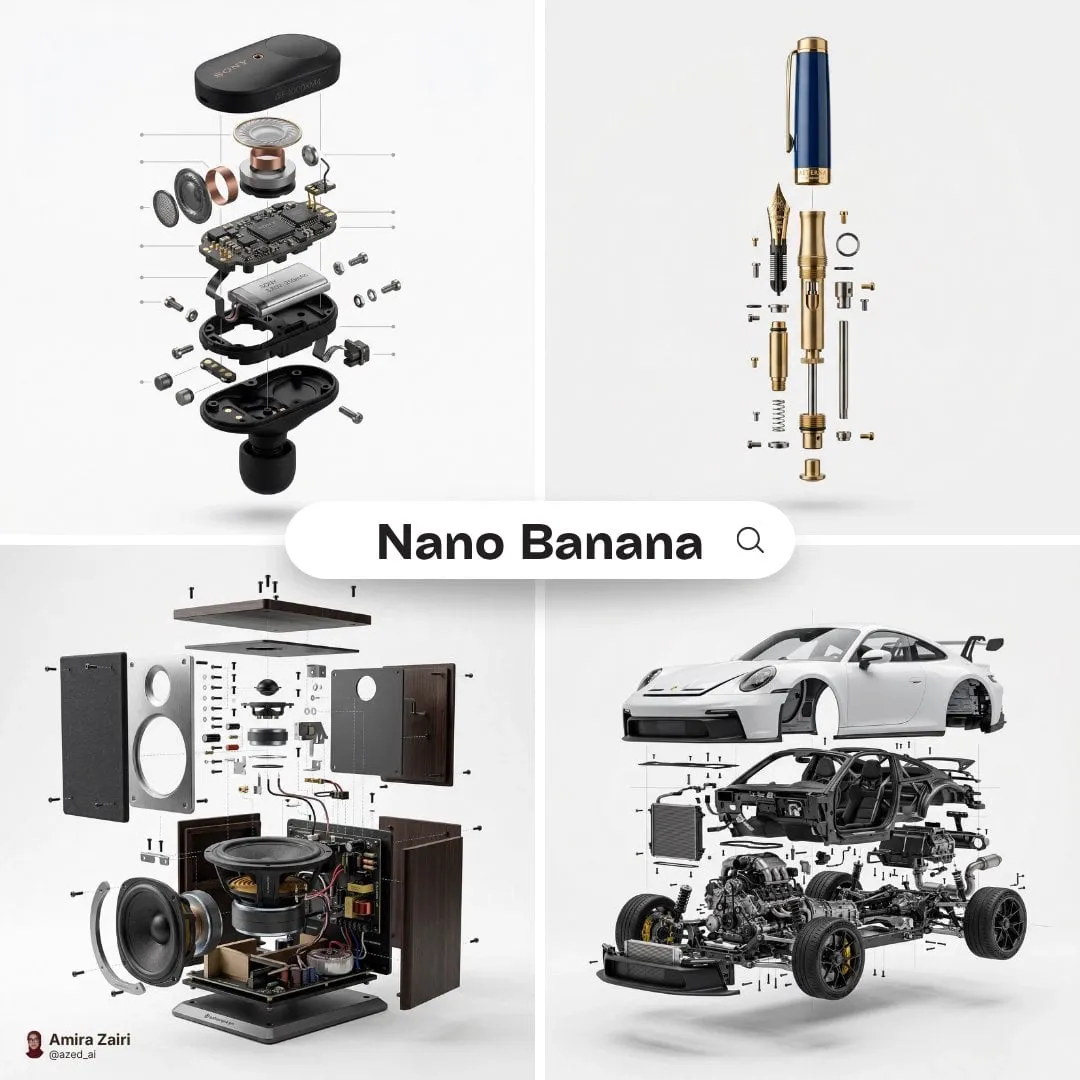
![Create a 9-image Instagram feed for this product in [the same aesthetic]. Use...](https://storage.brightvectorlabs.com/prompts/bright/product-and-brand/2027122256426521040-0.webp)
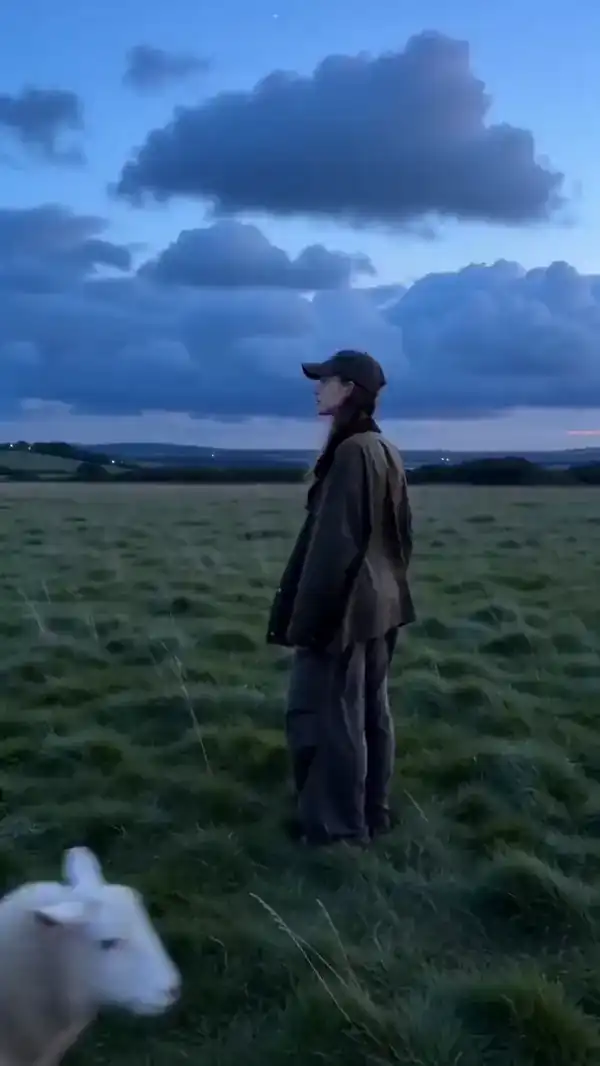
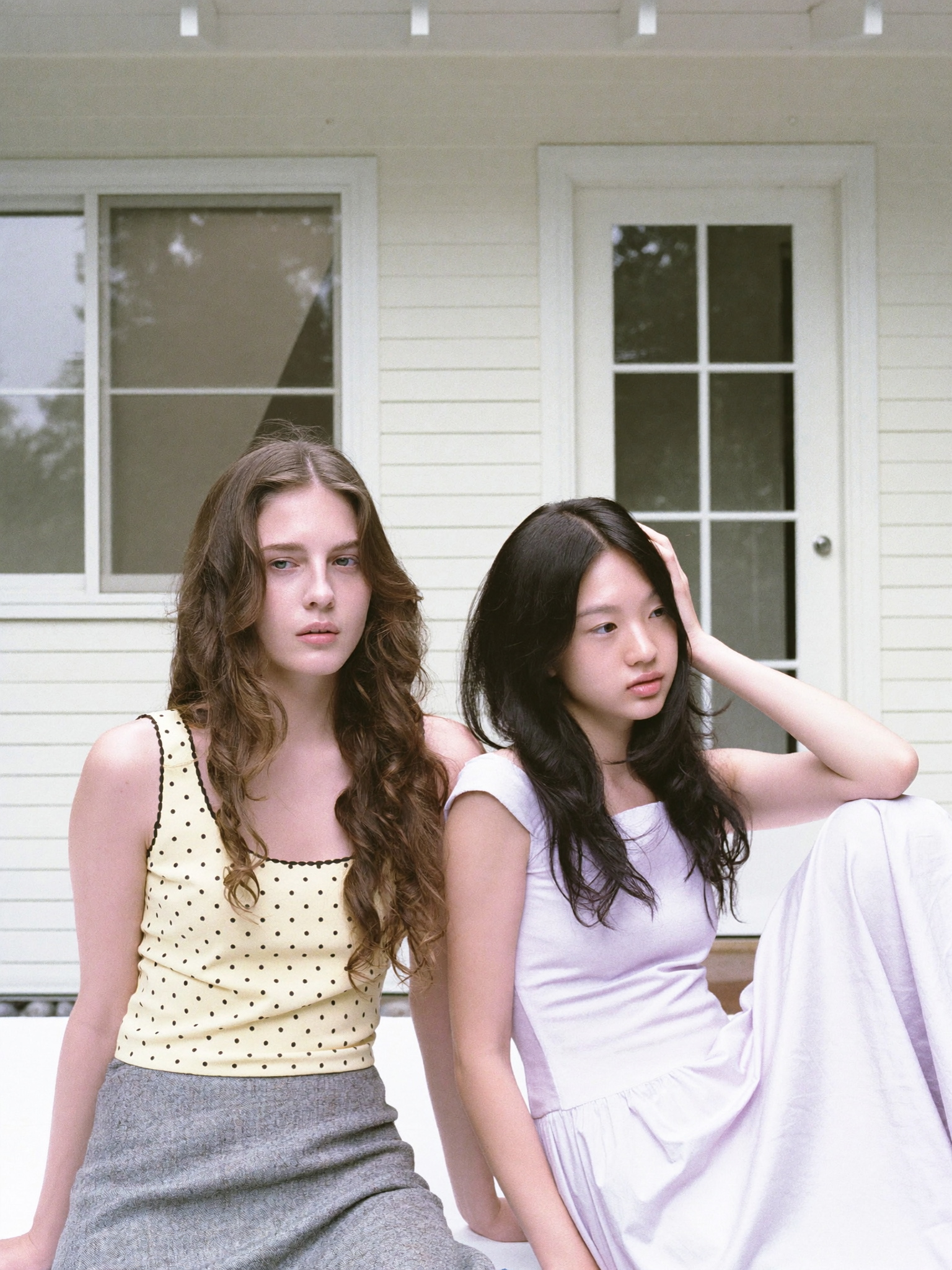
Customization is what separates tools from toys
Anyone can generate a short clip with AI these days. The real question for professional creators is control: can you keep a character consistent across scenes? Can you dictate camera movement and style? Can you train the tool to match your brand? The answers determine whether an AI video generator is a useful addition to your pipeline or just a novelty.
This guide walks through the customization features that matter most when comparing AI video generators in 2026.
The core customization dimensions
Model diversity
Different scenes demand different models. A photorealistic close-up needs different strengths than a stylized animation or a fast-paced social clip. Generators that aggregate multiple models let you pick the right engine for each job instead of forcing one approach.
Character and style consistency
The most important technical feature for narrative work is consistency. Look for multi-image reference support: the ability to feed several images of a character and keep its identity stable across scenes and models. Without this, serial content and brand campaigns are nearly impossible.
Motion and camera control
Beyond appearance, customization extends to how things move. Camera motion control — pan, dolly, orbit — and temporal consistency (a character walking keeps the same stride from start to finish) separate professional tools from toy generators.
What to look for in the top contenders
Reference-based generation For a complete pipeline, combine an AI image generator for references, image-to-video to animate them, and text-to-video for fresh scenes
The strength of reference inputs varies widely. Some tools accept one style seed; advanced ones process multiple reference images simultaneously for stronger identity anchoring. If you work with brand assets or recurring characters, this capability should be high on your checklist.
Platform architecture
Underneath the interface, the platform must handle heavy compute reliably. Ask about task queues, GPU management and export formats. A generator that crashes on long renders is not production-ready, no matter how good its demos look.
Integrated toolset
Customization doesn't stop at generation. Look for an integrated suite: image editing to refine visuals, audio tools for voice and music, and video fusion to stitch scenes coherently. Tools that cover pre- and post-production save enormous time versus stitching together separate apps.
The role of AI directors
A newer layer of customization comes from AI directors: agents that interpret creative intent and suggest or apply cinematic choices — shot framing, camera movement, pacing — based on established filmmaking principles.
This is intent-level control rather than pixel-level tweaking. For creators without formal cinematography training, it democratizes professional technique. For experienced filmmakers, it accelerates pre-production.
Custom model training and monetization
At the highest level of customization, creators can train their own models. If you develop a distinctive style or character, you can bake it into a dedicated engine and use it consistently across all projects.
Many platforms also let you publish trained models to a marketplace, earning a benefit each time another creator uses them. Your aesthetic becomes a circulating asset with market value — a meaningful evolution of the creator economy.
How to evaluate: a practical method
Don't compare spec sheets alone. Run the same test project on each candidate:
- A 15-second video with one character in at least two scenes
- The same source images and prompt for all tools
- Track: consistency, prompt adherence, speed, and ease of iteration
Compare the results side by side. The tool that keeps the character stable and matches your brief most closely is the winner for your workflow.
Common mistakes when choosing
- Judging by demos: impressive showcase videos don't guarantee stable results on your projects.
- Ignoring consistency: for series and brands, this is the decisive criterion.
- Focusing only on price: the cheapest option can cost more in time and rework.
- Skipping the ecosystem: a generator without supporting tools creates friction at every step.
Conclusion
The best AI video generator isn't the one with the flashiest demo — it's the one that gives you the control your work requires. Model diversity, character consistency, motion control and platform reliability form the foundation. AI directors and custom training add the next layer of creative power.
Test candidates on your own project, evaluate with your own criteria, and choose a tool you can grow with. Customization is an investment: get it right and your production pipeline becomes faster, more consistent and more distinctively yours.
