

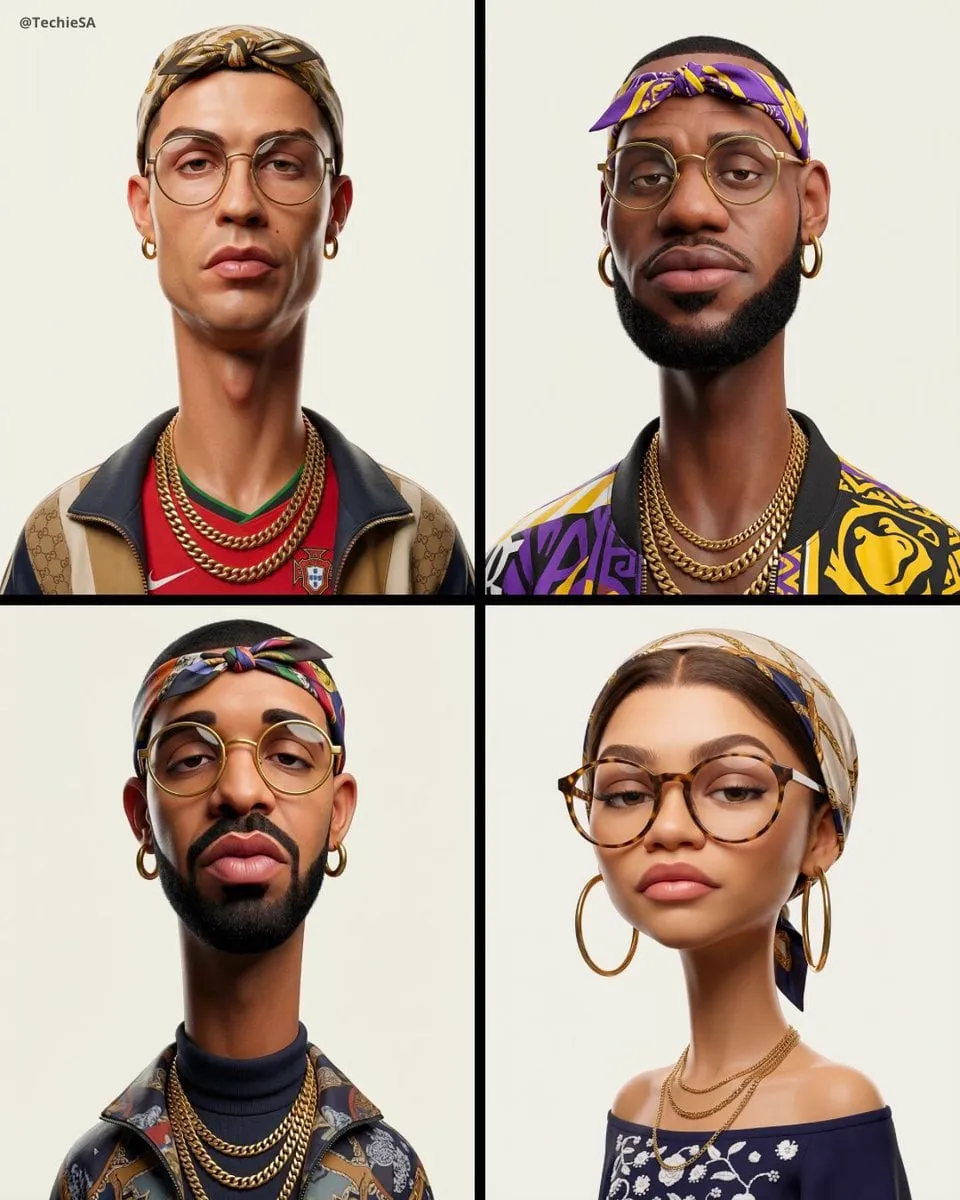
The creator economy has entered a new phase. It is no longer enough to make videos with off-the-shelf tools; the most ambitious creators are now learning to train and deploy their own AI models. A model trained on your own style can generate content that is unmistakably yours, consistent with your brand and reusable across an entire body of work. And for those who go a step further, there is a genuine path to earning income from those models, both by using them in highly marketable work and by sharing them with other creators.
This guide explains, in practical terms, how an individual creator can move from using generic tools to building a personal model ecosystem. We will cover what training a custom model actually involves, how to deploy it so it integrates smoothly into your workflow, and the realistic ways you can build income from your models. No deep programming background is assumed, but a willingness to learn the core concepts will help enormously.
Why custom models change everything for creators
Generic models are trained to do a little of everything, which means they produce generic output. When you train a model on your own dataset, you teach it your aesthetic, your characters, your color sense and your recurring visual language. The result is content that looks like it was made by you, because in a meaningful sense it was trained on you.
This personalization is a huge competitive advantage in a crowded market. Audiences and clients can recognize your style at a glance, and consistency across thousands of pieces becomes achievable rather than accidental. A custom model is essentially a digital extension of your creative identity, one that works for you around the clock and never suffers from creative block the way a person might.
What training a custom model really involves
Training a model is less mysterious than it sounds, though it does require care. At its core, you gather a set of images or clips that represent the style you want to teach, prepare them cleanly, and run a fine-tuning process that adjusts the underlying model to reproduce that style.
Preparing your training data
Quality beats quantity. A well-curated set of a few dozen to a few hundred clear, consistent images often beats a huge set of noisy, inconsistent ones. Before training, clean your data: remove duplicates, crop to consistent framing and make sure lighting and subject matter align with the look you want. This preparation is the single biggest predictor of good results.
Choosing the right base model and fine-tuning approach
Not every model is suitable for every task. Choose a base model that is strong in the domain you care about, whether that is recognizable characters, specific textures or a particular stylized look. The fine-tuning process then adapts that base to your needs. The better the base fits your target, the less work the fine-tuning has to do and the sharper the result.
Iterating patiently
Training is an iterative process. The first version is rarely perfect. You review the output, spot weaknesses, adjust the dataset or parameters and train again. Budget time for a few cycles. The reward is a model that genuinely feels like your voice, and that payoff is worth the patience.
Deploying your model into a smooth workflow
Trained models only deliver value if they are easy to use. Deployment is about removing friction between your idea and your finished content.
Setting up a reliable production baseline
Decide which tasks your custom model will handle, such as generating character images, producing style-consistent clips or creating assets for branded campaigns. Build a library of prompts and references that reliably trigger the strengths of your model. This baseline saves huge amounts of time.
Integrating with direction and refinement tools
For best results, pair your custom model with a direction layer that helps compose scenes and keep them consistent, and refine outputs that need a human touch. You stay in control of the creative direction while the model produces the bulk of the visual work. The combination of a trained model plus a sound workflow turns a clever tech project into a practical production engine.
Managing compute responsibly
Generation and fine-tuning consume computing power, so plan your runs thoughtfully. Batch similar jobs, avoid unnecessary regeneration and schedule heavier operations for periods of lower demand. Responsible resource management keeps your creative engine affordable and sustainable.
Realistic ways to build income from your models
The obvious benefit of a custom model is better-paid work: higher-quality, faster output makes you more valuable to clients and lets you price accordingly. But there are also ways to earn directly from the models themselves.
Licensing custom creative work
Brands and studios are willing to pay for a distinctive style they cannot easily replicate. Position your model as the engine behind that style, and license the resulting work or the ongoing use of the style itself under clear agreements. Consistent, unique visual output has durable commercial value.
Offering model creation as a service
Plenty of creators want a custom model but do not want to learn the technical process. You can offer training and setup as a paid service, helping others build their own creative engines. This is a natural extension of your expertise and a steady source of income.
Reaching other creators directly
As the ecosystem matures, marketplace-style distribution becomes increasingly common. You can publish your models so other creators can use your style, with your share of any revenue. This turns a personal creative asset into a recurring income stream. The more distinctive and useful your model is, the more it stands out in such a market.
Turning your style into products
A well-trained model can generate assets for sale: themed packs, backgrounds, characters and templates that other creators license. Your style becomes a product line that earns independently of any single client project. The possibilities grow with the distinctiveness of your aesthetic.
Building a long-term model strategy
Like any real asset, custom models reward long-term thinking. Develop your training data over time, expanding it as you produce more work. Keep documentation of what worked and why, so you can reproduce successes and avoid past mistakes. Treat your models as living assets that improve as you add new examples and learn new techniques.
Staying informed about the field also matters, because the technology advances quickly. New base models and fine-tuning techniques appear regularly. A creator who learns continuously and adapts their workflow stays ahead of the curve and keeps their models, and therefore their business, relevant.
The importance of a supportive workflow
A custom model does not exist in a vacuum. Its value depends on the workflow around it, from the briefs you write to the way you select and refine output. Invest as much care in your process as in the model itself. Define clear inputs, keep your references organized and build a reliable review stage. The strongest results come from a model that is well trained and well used, because the workflow is what turns technical capability into finished, valuable work.
Frequently asked questions
Do I need to be a programmer to train a model?
Not necessarily. Modern platforms have simplified the process considerably, and guided interfaces handle the technical heavy lifting. That said, a modest understanding of the concepts helps you get better results and troubleshoot when things go wrong.
How much data do I need?
It depends on the task and the base model, but a focused, clean set of dozens of strong images is a reasonable starting point for many style-transfer use cases. Quality and consistency matter far more than raw volume.
Is monetizing my models realistic for a beginner?
Earning steady income takes time, but it is realistic. Start by improving your own client work with your model, then expand into services and distribution as your models become more polished and your portfolio grows.
Choosing the right projects for a custom model
Custom models are powerful, but they are not the right answer for every task. Knowing when to use one, and when to reach for a generic tool instead, saves time and keeps your results sharp.
Where custom models shine
A custom model delivers the most value in repeatable, style-heavy work: consistent characters across a series, a recognisable look for a brand, or a recurring visual theme that audiences associate with you. If you produce the same kind of content again and again, a dedicated model turns that repetition into speed and consistency.
When generic tools are better
For one-off, exploratory or rapidly changing work, a well-tuned generic model may be faster and more flexible. There is no value in training a custom model for a single throwaway experiment. Start with general tools to test an idea cheaply, and invest in a custom model only once you have confirmed the use case recurs with real value.
Matching the model to the market
Different audiences value different qualities. A commercial client may prize brand consistency and photorealistic product clarity, while a community of independent creators may respond more to an expressive, stylized look. Consider who the output is for when you decide what to train and how faithfully it must reproduce your source material.
Building a disciplined training and review habit
The difference between a one-off experiment and a reliable creative engine often comes down to habits. The most successful creators treat model training as a repeatable ritual rather than a sporadic event, with consistent steps that keep quality predictable.
Review your output systematically
After each generation, review the results against a clear standard. Look for consistency, sharpness and alignment with your intended style. Establish a short checklist and apply it to every piece so quality never depends on mood or luck. Note what works and what fails, and keep that record close to your workflow.
Document your recipes
Everything that works is worth writing down. Record the exact dataset, parameters and prompts that produced your best results. Next time you need a similar piece, you start from a proven recipe instead of rediscovering the process. This documentation compounds over time, turning accumulated experience into an asset you can reuse across many projects.
Schedule refresh cycles
Styles and technologies evolve, and your models should evolve with them. Plan periodic reviews where you add new examples to your training data and test against newer base models. A model that never changes will slowly drift from your current taste. A few scheduled refresh sessions keep your creative engine sharp and current.
Protect your identity as you scale
The more you rely on a custom model, the more your work carries a signature. Treat that signature as part of your professional reputation. Keep your references and your training data well organized, and be careful when sharing assets so your identity stays intentional rather than diluted. Scale production, but guard the consistency that makes your style distinctive.
Putting it all together in a simple plan
If you are ready to begin, the fastest route to value is a focused pilot. Choose one niche where a custom model would clearly help, assemble a clean dataset for it and train your first version. Use it on a single client project or a small body of your own work, evaluate the result honestly and decide on next steps.
From that first success you can extend outward: refine the model, apply it more broadly, and introduce one new income stream at a time, whether that is higher-priced work, offering training services or sharing your model with other creators. The key is momentum. A modest, real first step teaches you the full loop and builds skills you can apply to everything that follows.
The road ahead for independent creators
Training and deploying custom models is one of the most empowering skills a creator can acquire. It turns your taste into an asset, your workflow into an engine and your identity into something scalable. The path described here is not reserved for technical experts; it rewards patience, discipline and a genuine sense of your own creative voice.
The creators who thrive in the coming years will not simply use the newest tool. They will build systems around their own perspective, train models that embody their style, and find honest ways to earn from that distinctiveness. The opportunity is open, the tools are within reach, and the first step is simply to gather your best work and start training.
