
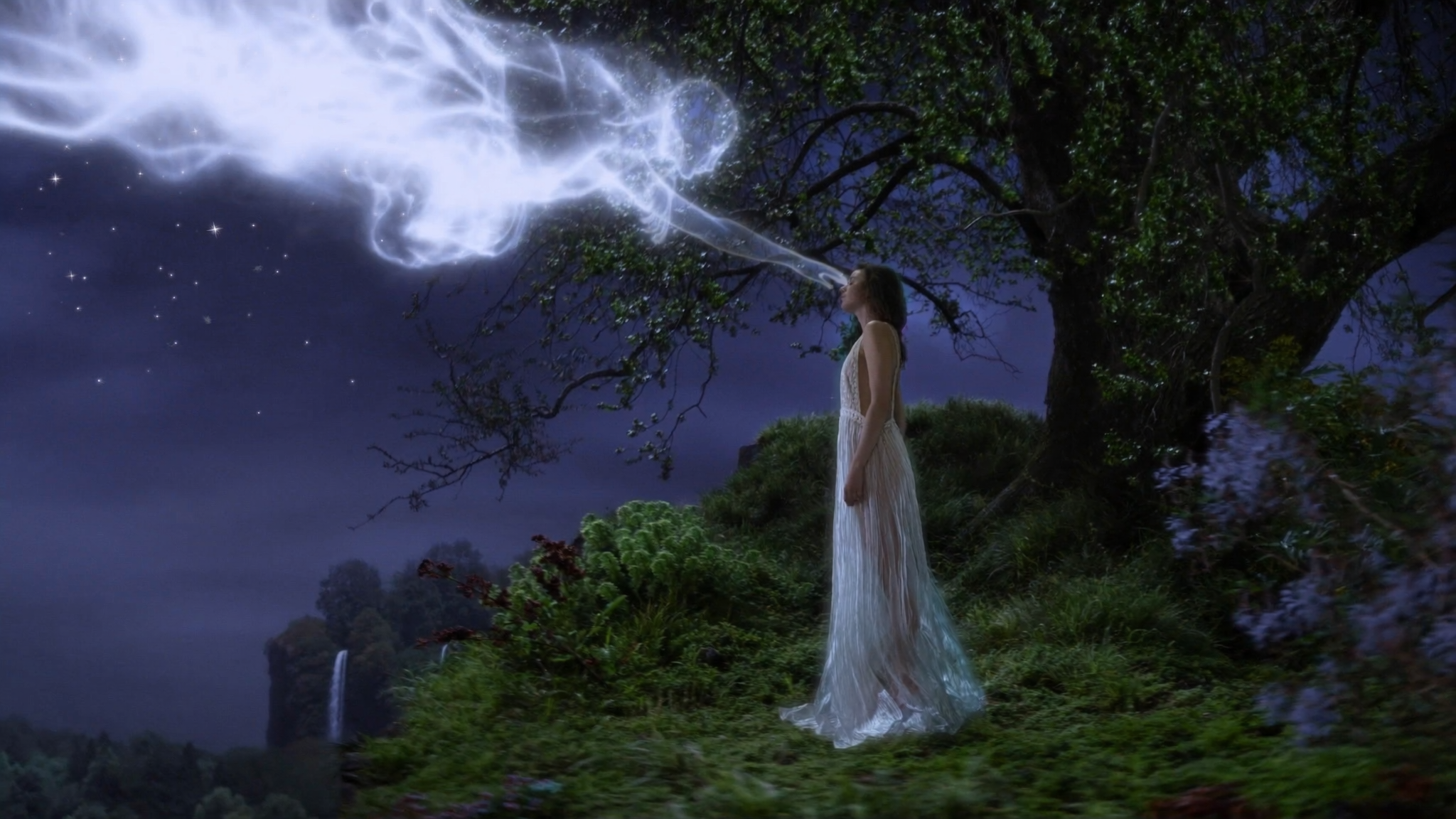
The Content Shift That Feels Like Magic
There is a moment every creator remembers: the first time a still image came alive on screen. A portrait turned its head. A product rotated in space. A landscape rippled with wind. That moment is no longer a demo trick; it is the foundation of a new production reality. Image-to-video AI lets you take any picture and generate motion, and the gap between a static asset and a moving one has never been smaller.
This guide is a practical map for that territory. We will cover how the technology works under the hood, how to choose among the growing library of models, how to keep characters and scenes consistent, how to combine image, text, and audio inputs, and how to turn the whole thing into a repeatable workflow that produces content people actually want to watch. No hype, no jargon for its own sake, just the working methods.
A Paradigm Shift in Content Creation
The content world is moving from text-based creation to controlled, consistent generative production. Audiences no longer accept generic clips; they expect video that looks intentional, with stable characters, coherent environments, and a point of view. At the same time, the demand for high-quality, personalized, rapidly produced video has outpaced what traditional production can deliver. The result is a genuine paradigm shift: the creators who adapt to the new tools gain a structural advantage over those who do not.
The shift is also economic. Traditional video production requires crews, locations, permits, and post-production pipelines measured in weeks. Image-to-video compresses that cycle to hours, sometimes minutes. Existing assets, product photos, campaign images, character designs, become raw material for new content instead of dead files. For businesses, this changes the cost structure of content; for individual creators, it changes what is possible with a single laptop.
How Image-to-Video Works Under the Hood
From Still to Sequence
Turning a still image into motion requires the model to invent what is missing: the frames between the start and the imagined future. The model does not just warp pixels; it reasons about the scene. It identifies the subject, the background, the lighting, and the likely physical behavior, then generates frames consistent with all of it. This is why the quality of the input image matters so much: an ambiguous image forces the model to guess, and its guess may not match your intention.
The Role of the Model Library
No single model handles every job well. The strongest approach is to think in terms of a model library: a curated set of tools, each optimized for specific tasks. Premium models deliver high-fidelity, photorealistic output with strong detail preservation; specialized models handle particular styles, subjects, or effects; international models bring strengths in specific languages and cultural contexts; and fast, lightweight models are perfect for tests and iterations.
The practical skill is matching the model to the task. A photorealistic product shot calls for a different model than an illustrated brand character or a stylized music video. The more precisely you know what each model does well, the less compute you waste and the better your output becomes.
From Image to Ecosystem
Beyond the models themselves, the modern workflow is an ecosystem: image generation, video generation, audio, and post-production all connect. The most efficient pipelines treat each stage as part of one system. Generate the still with one tool, animate it with another, add sound with a third, and assemble in your editor. The integration is where the leverage lives, because each tool does what it does best.
Keeping Characters and Scenes Consistent
Multi-Image Fusion and Identity Retention
The classic failure of AI video is the shifting character: different face in every scene, wardrobe that mutates, eye color that drifts. Multi-image fusion solves this by anchoring identity to multiple reference images. The model extracts the character's core attributes and carries them through every generation, so a character who looks right in scene one still looks right in scene ten.
The workflow is simple but disciplined: build a character bible before production. Create a small set of consistent reference images, front view, profile, full body, action poses, and generate every scene against that bible. Validate identity with a short test clip before committing to the full project. For long-running series, consider training a custom model on the character; the upfront investment pays off in consistency across dozens of scenes.
Motion Coherence and Dynamic Scenes
Within a single clip, motion must feel continuous. A walking character must stay proportioned, a camera pan must reveal the environment consistently, and a prop must stay attached to the hand. Dynamic scenes, crowds, weather, moving vehicles, multiply the difficulty. The practical approach is to start simple: master single-subject motion, then add environmental complexity only when the basics hold.
When motion breaks, resist the urge to regenerate the same prompt repeatedly. Diagnose the cause: too much action, ambiguous phrasing, or the wrong model for the movement type. Change one variable, regenerate, and learn from the result. This diagnostic habit is what separates experienced operators from frustrated beginners.
Custom Training for Total Control
For projects where consistency is non-negotiable, custom model training is the strongest guarantee. A model trained on your character, your product, or your style has internalized the identity, so every generation starts from the same foundation. The cost is higher upfront, but for anything longer than a few clips, custom training usually pays for itself in speed, consistency, and reduced rework.
Creative Control: Lighting, Color, and Detail
Lighting as the Emotional Language
Lighting is the fastest way to make generated video feel cinematic. Decide the light before you animate: golden hour warmth, cool clinical light, dramatic side light, neon atmosphere. Keep lighting consistent between the still and the motion, and only change it when the scene demands. Mismatched lighting between the source image and the animation is one of the clearest tells of AI video.
Color Grading as a Deliberate Pass
Treat color grading as a final pass, not an accident. Grade the still to your target look, then verify that the animation preserves it. If the generated video shifts the palette, correct it in post-production rather than fighting the generator. The edit is where the filmic look is finished, and consistent grading is what makes a series of clips feel like one production.
Detail Preservation and Photorealism
Photorealism lives in the details: skin texture, fabric weave, surface reflections, background sharpness. High-fidelity models preserve these details; weaker models blur them into a waxy, generic look. Use premium models for hero shots where detail matters, and be prepared to simplify motion when the model struggles. The rule is simple: if the details melt, reduce the motion or change the model.
Multimodal Inputs for Precision
Modern tools accept multiple input types: image plus text, multiple reference images, audio, and even reference video. Combining inputs gives you directorial precision. Lock the character with a reference image, define the scene with another, describe the motion in text, and sync the mood with audio. This multimodal approach is the closest thing to a director's chair that generative tools currently offer.
Building a Repeatable Workflow
The Five-Stage Pipeline
A production-grade image-to-video workflow has five stages:
- Concept: define the story beat and the emotional goal of the clip.
- Still: design and validate the starting image, including references for anything that must stay consistent.
- Motion: animate with a clear motion prompt, choosing the model for the type of movement.
- Review: check identity, coherence, lighting, and detail; diagnose and iterate.
- Finish: assemble, add sound, grade, and publish.
Each stage has clear inputs and outputs, which makes the pipeline teachable, repeatable, and improvable. The more disciplined the pipeline, the faster you get at every project.
Managing Compute and Cost
Generation consumes real resources, and volume production requires cost discipline. Test at low cost first: short clips, lower resolution, cheap models. Validate the concept and motion, then commit to expensive premium generations only for the final pass. Plan batches to amortize setup time, and keep a library of reusable prompts, references, and style guides. The creators who scale are the ones who treat cost as a design constraint, not an afterthought.
From Workflow to Business
A repeatable pipeline changes what you can offer. Agencies and brands pay for speed, consistency, and iteration capability. Build content systems, weekly series, campaign libraries, product videos from a single reference set, and the work compounds: each new asset is faster than the last and consistent with everything before it. The pipeline is the factory, the references and prompts are the inventory, and your brand is the distribution.
Publishing Smarter: SEO for AI Video
Generative video floods the platforms, so discoverability is a real advantage. Treat every published video like a page that must earn attention: craft titles that state the value clearly, write descriptions with the keywords your audience actually searches, and tag thoughtfully without keyword stuffing. Post consistently, study which hooks and topics earn engagement, and feed those lessons back into the concept stage. The creators who treat publishing as part of the pipeline, not an afterthought, compound their audience along with their craft.
A Field Guide to Common Problems
- The motion looks robotic: the prompt describes action without intention. Add the emotional or physical reason for the movement, a character turning to look at something, a product rotating to show the back, and the motion gains purpose.
- The output ignores the source image: some models reinterpret inputs aggressively. Check the model's behavior with a simple test, and switch to a model that honors the first frame if fidelity matters.
- Everything looks like the same generic style: your prompts are probably reusing the same descriptive phrases. Build a style library with varied lighting, palette, and lens keywords, and vary them deliberately by project.
- The series does not feel connected: each clip was produced in isolation. Generate a style guide for the series, one reference set plus a shared prompt template, and produce every clip against it.
- You are always behind schedule: the pipeline lacks a review gate. Add a mandatory review step with a fixed checklist before any clip is accepted, and you will spend less time fixing finished work.
FAQ
Do I need to be technical to use image-to-video tools?
No. The tools have abstracted most of the complexity. The valuable skills are creative: choosing good starting images, writing clear motion prompts, reviewing results with an expert eye, and iterating systematically.
How do I prevent characters from changing between videos?
Build a locked reference bible before production, validate identity with a test clip, and reuse the same references for every shot. For long projects, train a custom model on the character.
What is the best model for realistic video?
It depends on the shot. Premium high-fidelity models preserve detail best for photorealistic work; other models excel at specific styles or motion types. Build a shortlist that covers your typical needs and learn their strengths.
Can I use my own product photos?
Yes, and it is one of the most valuable use cases. Confirm you have rights to the images and check the license terms of the tools you use, then your existing catalog becomes an endless source of video content.
How long does a typical image-to-video project take?
A single clip can take minutes; a polished multi-shot piece usually takes a few hours of iteration. The time goes into still selection, motion tuning, and post-production, not waiting for the generator.
Final Thoughts
Turning images into motion is the most controllable and commercially useful entry point into generative video. You keep creative ownership of the visual design and delegate only the physics. Master the five-stage pipeline, build reference bibles for anything that must stay consistent, treat lighting and color as deliberate passes, and publish with the same care you put into production. Do that, and your videos will stop looking like demos and start looking like work that builds an audience, a brand, and a business.
