
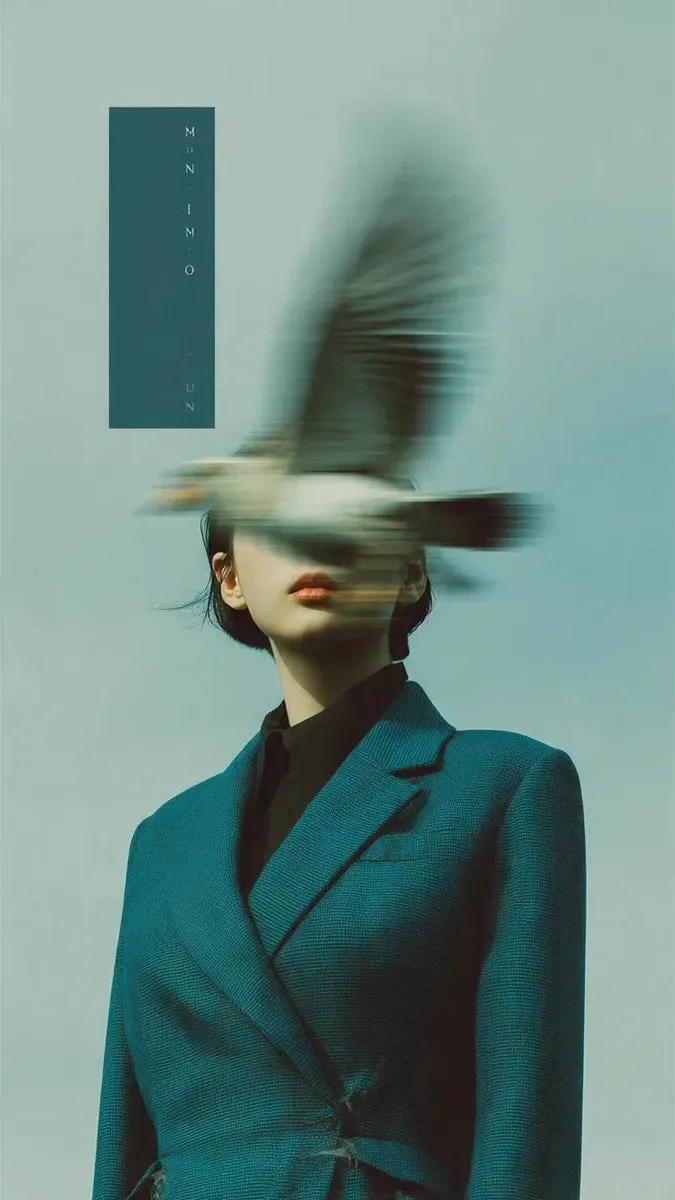
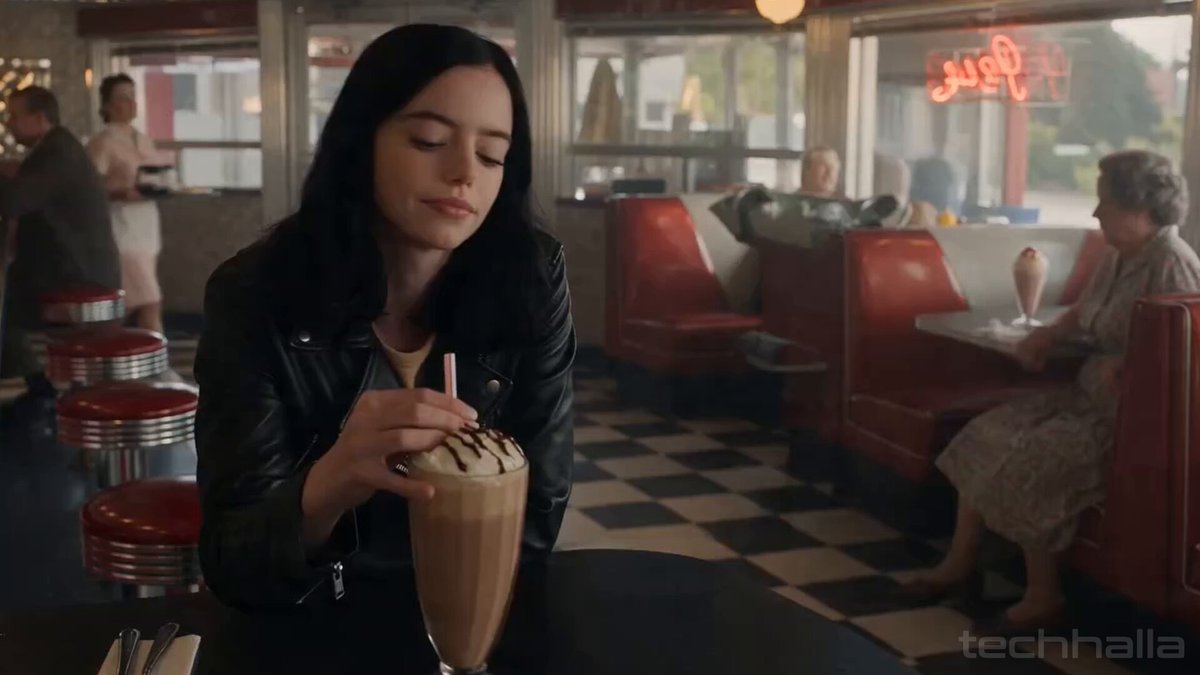
Turning still photographs into polished video is one of the most practical skills a modern content creator can develop. A single image carries a mood, but a sequence of images creates a story. The challenge has always been keeping every shot coherent so the finished clip feels like one continuous scene rather than a slideshow of unrelated frames.
Multi-image fusion changes that. Instead of typing a prompt and hoping the generator invents something close to your idea, you feed it several reference images and let the model blend them into a single, consistent video. The technique matters because it gives you direct visual control over characters, locations, lighting, and style, which are exactly the things that usually drift out of control in text-to-video tools.
This guide walks through why image-based video generation is the bridge from inspiration to finished cut, how multi-image fusion actually works under the hood, and a step-by-step workflow you can use to produce professional results today. You will learn practical settings, common failure modes, and the ingredient choices that separate an amateur test clip from a deliverable you would be proud to publish.
Why Combining Images Is Better Than a Single Prompt
Text prompts are fantastic for exploring ideas, but they are unreliable when you need a specific result. If you describe a red hoodie, gold light, and a cobblestone street, the model produces something plausible, yet it rarely matches the photograph you already have in mind. Every new prompt introduces fresh randomness, so you cannot build on an initial look.
Supplying real images anchors the output. The video model reads the reference frames, extracts their visual DNA, and reconstructs motion around them. The advantage is not just accuracy, it is repeatability. You can regenerate a scene, tweak a camera angle, or change one element, and everything else stays recognizably the same. For brand campaigns, character-driven content, and any project with an established visual identity, this control is worth far more than unlimited prompt guesswork.
There is also a purely creative benefit. Real photos carry texture, imperfections, and authentic spatial detail that written descriptions struggle to evoke. A photo of a rainy window at dusk contains the exact color temperature and reflection pattern you want. Fusing that image with a second shot of a person gives you a composite scene that already looks grounded before any generation begins.
What Multi-Image Fusion Actually Does
Multi-frame referencing is the mechanism that makes this possible. Rather than treating your images as decoration, the model uses them as structural references for how characters, objects, and environments should appear across time.
Shared Reference Points Across Every Frame
The generator identifies key visual anchors in each supplied image, such as a face, an article of clothing, a landscape feature, or a light source. Once these anchors are encoded, every frame the model produces must stay consistent with them. This is what stops a character's hair from changing color between shots or a room's furniture from rearranging between cuts. The reference frames act as a contract the video cannot break.
Dedicated Models Trained for Image Blending
Not every video model handles multiple inputs equally well. The best results come from generators built or tuned specifically for image-to-video work, because their training pipeline teaches them to reason about the relationship between several frames, not just to animate a single still. When you choose a tool, look for explicit support for reference images and multi-source input rather than assuming a generic text-to-video model can do the job.
Narrative and Temporal Consistency
The most overlooked part of fusion is time. A character must not only look the same in each shot, they must behave like the same person across the whole clip. The model keeps small connective details, such as the way light moves, the direction of a walk, or the flow of a gesture, coherent from the opening frame to the closing one. This is the difference between a collection of pretty shots and a scene that actually tells something.
The Technical Backbone Behind the Scenes
Whether you are using a consumer platform or an API, the experience is powered by infrastructure you rarely see but that decides how fast, how stable, and how expensive your generation will be.
Reliable Backend and Request Routing
Production-grade video generation services run on a solid application layer, often built with a typed framework such as NestJS with TypeScript. This matters to you because it translates into dependable APIs, predictable errors, clear documentation, and consistent behavior across many concurrent jobs. A stable backend means your renders fail rarely and retry cleanly, which is essential when you are producing dozens of clips in a single session.
GPU Resource Management Through Task Queues
Video generation is among the most compute-hungry tasks in the modern media stack. Providers handle this with task queues that schedule each job across available graphics processors, so you can submit a batch of clips and receive results in turn without crashing the system. From your side, this means you can queue multiple scenes and walk away, returning later to a ready set of renders instead of babysitting one process at a time.
Mature Feature Sets
A capable platform offers more than a single button. Look for controls over aspect ratio, duration, motion strength, sampling, and seed values. These knobs let you tune the same reference set into different results, which is how you stay flexible while keeping a shared visual base across an entire project.
Building a Professional Workflow
Theory is useful, but results come from process. The workflow below is the one professional creators rely on when they need consistent, brand-ready video from still images.
Step One: Curate Your Reference Set
Start with quality over quantity. Two to four strong images beat ten mediocre ones. Choose shots that cover the key visual dimensions you need to preserve, such as one close portrait, one full body, and one environment shot. Make sure the images are well lit and free of compression artifacts, because the model treats every flaw in your reference as a feature it must faithfully reproduce.
Step Two: Define the Motion Story
Decide what actually moves before you describe it. A slow camera push on a still subject feels elegant. A subject walking across a busy street feels dynamic. Write a short action statement in clear language, then think about which element should change, the camera, the subject, or the environment. Ask the generator to move exactly those things and tell it to keep the rest steady.
Step Three: Lock Down Style and Setting
Your references carry most of the style, but a brief prompt reinforces it. Mention lighting mood, color grade, lens feel, and time of day once, then stop. Excessive prompting introduces contradictions. When you need the same location in two scenes, reuse the same environment reference so continuity is granted rather than guessed.
Step Four: Iterate With Seeds
Keep a single seed value when a result is close but needs a small adjustment. Change the seed only when you want a fundamentally different take. Small motion tweaks and variable prompts produce faster, cheaper progress than restarting from scratch every time. Log what worked so your next project starts a step ahead.
Step Five: Compose, Don't Just Generate
Generation gives you the raw shots. Editing gives you the scene. Layer the clips, add a sound bed, cut on action, and grade for consistency across your whole sequence. The craft of assembly is what turns four solid clips into a professional minute of video.
Common Pitfalls and How to Avoid Them
Fusion removes many problems, but it does not remove all of them. Watch for these recurring issues.
Inconsistent Character Appearance
If your reference images disagree about a character, the video has no single answer to follow. Ensure every reference of the same person matches in hairstyle, clothing, and proportions. Contradictory inputs guarantee wobbly output. When in doubt, regenerate one reference until the set agrees.
Too Many References, Too Much Confusion
Dumping a dozen images into a single generation splits the model's attention. Each new input dilutes the influence of the others. Trim your set to the essentials and combine them in stages if you have a genuinely complex scene.
Over-Typed Prompts Creating Drag
A prompt crammed with adjectives fights the references instead of reinforcing them. Keep the text short and let the images carry the visual weight. The generator blends best when it is reacting to clear inputs rather than reconciling contradictory descriptions.
Ignoring Output Length and Motion Limits
Every provider has limits on duration and motion complexity. Planning a scene that exceeds them always produces a truncated or degraded result. Design your shots to fit the tool's comfortable range, then assemble longer scenes in the edit rather than fighting the native limits.
Practical Settings to Try Today
Here is a small matrix of settings you can copy to experiment on your own footage.
For a slow product reveal, use a static environment reference, a subject reference, a gentle push-in motion, and a warm daylight grade. For a dramatic character entrance, use a full-body reference, strong side lighting, and a lateral tracking motion. For an exterior establishing shot, use a wide environment frame, minimal subject movement, and a slow orbit. For a moody interior, use a dimly lit room reference, a candle or window light source, and a slow dolly back.
Each combination pairs a reference strategy with a motion intent. Change the reference and the motion together, never one at a time, or you will not know which variable caused the shift in your output.
Choosing the Right Tool for the Job
Not every image-to-video workflow fights over the same features, so it pays to think about what actually matters for your project before you pick a platform. Three practical questions narrow the field quickly.
Do you need batch output? If your plan involves producing a month of social clips, a tool with a queue and background processing saves you enormous session time. Do you need fine control over motion and seeding? If you are iterating toward a specific look, look for adjustable motion strength, seed control, and the ability to lock parameters across runs. Do you need to bridge multiple references? If your characters and sets must stay stable, prioritise a platform with strong multi-image input rather than one that treats a pasted photo as an afterthought.
The right choice is the one that hums along with your existing pipeline instead of forcing you to rebuild your process around its quirks. A tool that slightly under-delivers on a single feature you rarely need, but integrates cleanly with how you already work, almost always beats a flashier alternative that fights you on every render.
Measuring Quality, Not Just Aesthetics
It is tempting to judge a generated clip by whether it looks pretty on first glance. Professional production demands a harder standard. Look for temporal consistency, whether the character stays recognisable across the whole run and whether details like a badge, a scar, or a logo never flicker or morph. Check physical plausibility, whether shadows move with the light and whether objects interact with the environment the way they should. And confirm repeatability, whether the same reference set plus a fixed seed produces the same reliable scene, because that is what lets you build a whole project on one verified recipe.
Adding these checks, and holding them against every render instead of shooting from the hip, is what separates a reproducible production workflow from a lucky one-off.
Integrating the Output Into Your Edit
Final video is rarely just a single generated clip. Treat the generated footage as a raw hero shot, then blend it with b-roll, interviews, or text overlays so it sits naturally inside a larger cut. Match color and grain so the synthetic shot does not glare against your other footage, and use a subtle speed ramp or crossfade to disguise the hard in and out points every generator leaves behind. The seamlessness you add in the edit is what most viewers will unconsciously read as professional polish, and it is entirely within your control even when the model is not.
Reviewing a Build: A Quick Decision Routine
Before you call a sequence done, run each clip through the same short checklist. Does the first frame honour your reference set rather than reinventing it? Does the subject hold identity through the middle of the shot where drift usually appears? Does the closing frame resolve cleanly or leave a stuck artifact? Is the motion consistent with the camera language you chose for the whole project? And does the file pass the delivery checks, reasonable size, correct format, and specs for your target platform? Running this five-point pass before every export catches nearly all the subtle problems that would otherwise surface after you have already committed time and budget.
Frequently Asked Questions
Is multi-image fusion the same as a video of a single image with style transfer? No. Style transfer copies a look onto unrelated content, while fusion carries actual identity and spatial details across a whole generated sequence.
How many images should I supply? Usually two to four. More is rarely better and often reduces coherent output.
Can I mix photos and digital renders as references? Yes, as long as they share a consistent style and lighting. Mixing wildly different looks weakens the final scene.
Do I still need a text prompt if I supply images? A short prompt helps direct motion and mood, but the images do the heavy lifting. Keep it minimal.
Why do my characters still drift between clips? Usually because your reference set is internally inconsistent, or because you changed the seed and prompt between related scenes. Reuse the same coherent set across the whole sequence.
Bringing It All Together
Multi-image fusion turns vague video generation into a controlled, repeatable craft. It solves the central problem of every creator working from stills, how to keep a scene visually honest across time while still making it move. By curating a strong reference set, defining clear motion, keeping prompts lean, and iterating wisely, you can reliably produce professional video that looks intentional rather than accidental.
The gap between amateur and professional output is rarely talent. More often it is process. A disciplined workflow built around reference images gives you the tools to close that gap on every single project. Start small, run a few tests, and let your own footage teach you where the technique rewards you most.
