
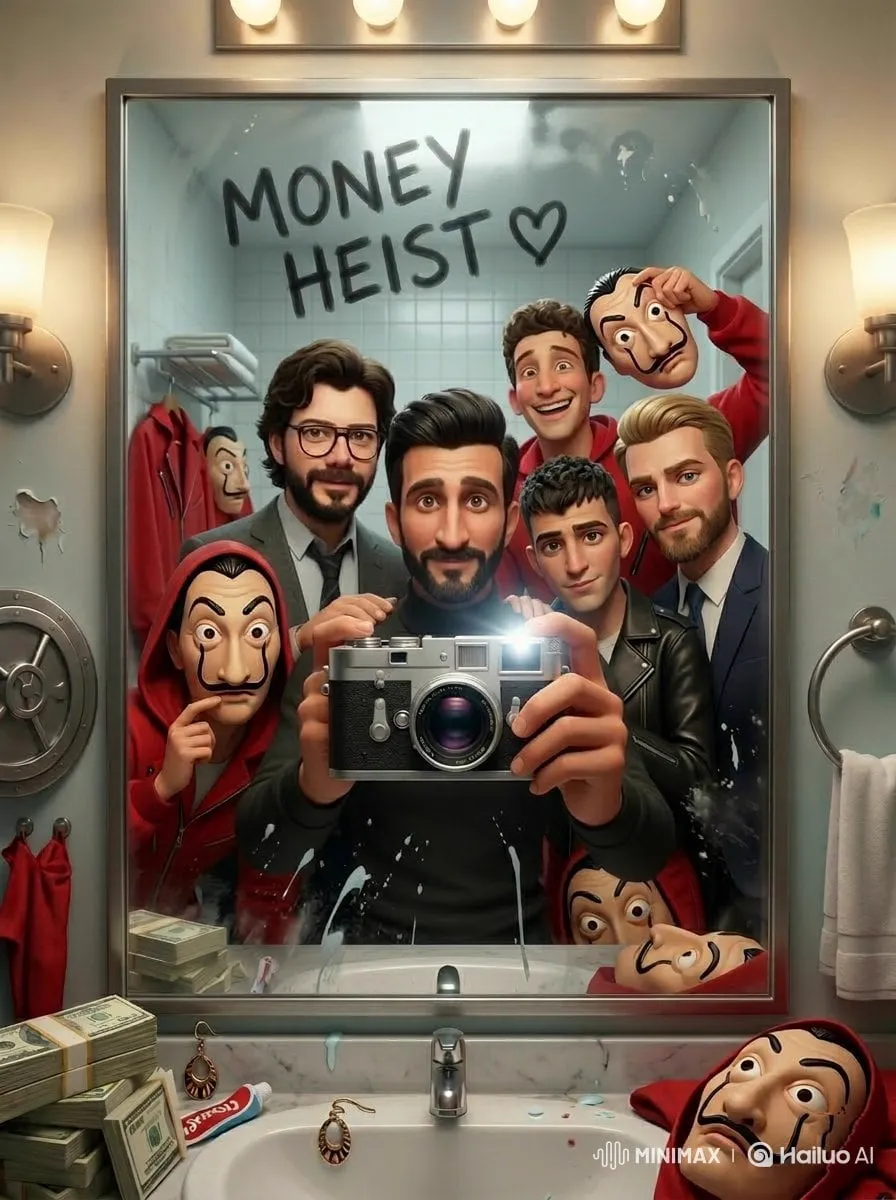
The new creative superpower: text and images to video
Digital media transformation is at its peak. The ability to turn a textual description or a static image into a dynamic AI animation video has become an urgent need for content creators, marketers, and filmmakers alike. What used to require a full animation team, weeks of work, and a serious budget can now be done by a single person in an afternoon — if they understand the process.
This guide is a comprehensive step-by-step walkthrough of converting text and images into AI animation videos in the era of generative AI. We will cover the technical foundation, how to prepare input assets, how to choose and configure models, how to keep characters consistent, how to add audio, and how to take a project from rendering to delivery and even monetization.
Why this matters in 2025
The importance of turning text and images into AI animation video in 2025 cannot be overstated; it is a major catalyst for the democratized creativity revolution. Recent developments show exponential increases in temporal realism and narrative understanding by models such as OpenAI Sora and Runway Gen-4. At the same time, the barrier to entry has collapsed: anyone with a clear idea and a decent prompt can produce footage that looks professional.
The flip side is that the market is crowded. Producing a video is no longer the differentiator; producing a video that is consistent, purposeful, and finished — with sound, pacing, and a story — is. That is why this guide emphasizes the full pipeline, not just the generation step.
Technical foundation: understanding the AI video ecosystem
The foundation of converting text and images into AI video lies in strong backend infrastructure and a diverse collection of AI models. Modern platforms are typically built with modular architectures — for example, Node.js with TypeScript and dependency injection — which keep the system maintainable and scalable. For the creator, the practical takeaway is that a good platform handles the messy engineering so you can focus on creativity.
Infrastructure and the model collection
A robust video-generation workflow depends on access to multiple models, because no single model is best at everything. Some models excel at photorealism, others at stylized animation, others at specific kinds of motion. Before starting a project, survey what is available to you and note each model's strengths: output resolution, maximum duration, style range, and consistency features.
The key role of input assets: quality text and images
The single most decisive step in the conversion process is preparing your input assets — the text script (prompt) and any reference images. The quality of the AI animation video depends heavily on the clarity and detail of the information you give the model. A vague prompt produces a vague video. A precise prompt with specific subject, action, environment, lighting, and camera produces a video you can actually use.
For images, use the highest resolution available. If you are animating a character, provide reference images that show the character from multiple angles and in different lighting conditions. The better your references, the more consistently the model will render the character across scenes.
Using an AI director agent for cinematic composition
Once text and images are ready, the next challenge is cinematic direction — shot selection, framing, and pacing. This is where AI director agents show their value: they act as an AI assistant director that understands film theory and visual composition principles. Give it your script and references, and it can suggest a shot list, propose camera angles, and generate scene-by-scene prompts that follow a coherent visual language. You stay in control of the creative vision; the agent accelerates the technical decisions.
The generation process and model configuration
With inputs prepared, it is time to generate. This is an iterative process — expect to generate, review, and refine rather than getting the perfect shot on the first try.
Choosing and configuring the right generative video model
Select a model based on the look you want. For realistic scenes, choose a photorealistic model; for stylized work, choose one with a strong artistic style. Configure the parameters deliberately: resolution, duration, motion strength, and seed. The seed matters more than most beginners realize — the same prompt with the same seed produces the same result, which is invaluable when you are iterating toward a specific shot and want to compare changes one variable at a time.
Advanced techniques: managing character consistency with multi-image fusion
Character drift — the same character looking different from shot to shot — is the most common failure in AI video. The reliable fix is multi-image fusion: provide several reference images (face, costume, full body) and let the model merge them into a consistent identity. Set this up once at the start of the project and reuse the same references for every scene. Consistency is a setup discipline, not something you can patch later.
Audio integration and motion synchronization
Video is half the experience; audio is the other half. Once your animation is generated, add voiceover and background music. Modern audio tools can generate a voiceover from your script in seconds and compose royalty-free background music matched to the mood of the scene. Synchronize the voiceover with the on-screen action — if a character speaks, the words should land near the lip movements; if the scene is tense, the music should reflect it.
Optimizing workflow and resource management
As your projects grow, workflow efficiency becomes the bottleneck. Managing generation jobs well is the difference between finishing a project in a day or a week.
Task management and compute efficiency
AI generation consumes significant compute. Batch your work: prepare all prompts for a scene, then generate them together rather than one at a time with long waits between. Use a queue if your platform supports it, and schedule heavy rendering for times when you do not need the machine. Keep an eye on resolution and duration — rendering at the highest resolution for a draft you may discard wastes time and money.
Using advanced multimodal capabilities
Modern models accept more than text: you can pass reference images, style images, and even motion references. Use these to your advantage. A style image can lock the artistic direction for an entire project; a motion reference can show the model exactly what kind of movement you want. These inputs are often the difference between generic output and output that matches your vision.
Integrating rendered videos into creative workflows
Rendering is not the end. Plan how generated clips will flow into your editing suite: file formats, frame rates, and color space should be consistent across the project. Assemble clips in your editor, add transitions, titles, sound, and color grading. The generated footage is raw material — the finished video is built in the edit.
From rendering to monetization: community and content markets
One of the most interesting developments in AI video is the emergence of content ecosystems around it: creators share models, styles, and prompts, and some marketplaces allow creators to sell or license their work. If you develop a distinctive style or a reusable character, consider whether a content market makes sense for your goals. This turns your creative output into a potential asset, not just a deliverable.
A complete step-by-step workflow
Here is the whole process condensed into steps you can follow today:
- Define the concept: write a one-paragraph summary of the video, its audience, and its purpose.
- Write the script: break the video into scenes, each with a clear action and visual.
- Prepare references: collect or generate reference images for characters, environments, and style.
- Build prompts: write scene prompts with subject, action, environment, lighting, and camera.
- Configure the model: choose the model and set resolution, duration, motion, and seed.
- Generate and review: generate each scene, check for consistency and errors, and iterate.
- Add audio: generate voiceover and background music, then synchronize with the visuals.
- Edit and deliver: assemble in your editor, add transitions and titles, grade, and export for the target platform.
A worked example: a 30-second product animation
To make the process concrete, here is a full example. The brief: a 30-second animated promo for a fictional smartwatch, in a futuristic style, for social media. Stage one, concept: the video must show the watch, its key features, and a sense of premium technology. Stage two, script: three beats — the watch on a dark surface with a glowing screen (2 seconds), the watch floating and rotating with feature callouts (15 seconds), a close-up of the watch on a wrist with a dynamic background (13 seconds).
Stage three, references: generate or collect three images — a clean front view of the watch, a three-quarter view, and a style reference for the futuristic palette (deep blacks, electric cyan, soft magenta accents). Stage four, prompts: for each beat, write a prompt that includes the watch identity, the style, the lighting, and the camera move — for example, for beat two: "the same matte black smartwatch floating and rotating slowly, cyan screen glow, dark studio background, soft reflections, slow orbital camera, futuristic product commercial style." Stage five, generation: use a stylized product-friendly model at moderate resolution first, review, then re-render the hero beat at higher resolution.
Stage six, audio: generate a short voiceover line and a minimal electronic music bed at about 100 BPM. Stage seven, edit: assemble the beats to the music, add the callouts as text overlays, grade for a consistent cyan-black palette, and export vertical 9:16 for social. The whole project is achievable in a single focused day, and the same structure scales to any product or concept.
Common pitfalls and how to avoid them
- Changing references mid-project: locked references are a contract with the model. If you change the character image halfway, consistency breaks. Finalize references before generating.
- Rendering everything at maximum settings: drafts at high resolution waste time and money. Render drafts small and fast; re-render only the keepers at full quality.
- Skipping the review pass: generation is cheap, but shipping a video with a six-fingered hand or a warped background damages credibility. Review every frame of every keeper shot.
- Neglecting audio until the end: sound affects how viewers judge visuals. Plan voiceover and music in the script stage, not as an afterthought.
- Ignoring the platform: a 16:9 video uploaded to a vertical-first platform performs badly. Decide the aspect ratio from the brief and frame every prompt accordingly.
FAQ
Do I need to know how to animate to make AI animation videos?
No. The models handle the animation; your job is to describe the scene clearly and review the output. Basic knowledge of composition and pacing helps a lot, but the technical animation skill is not required.
Why do my characters look different in every scene?
Because you have not locked their identity. Use multi-image fusion with consistent reference images from the start, and reuse the same references for every scene. Also keep the same style and lighting language across prompts.
How do I write a good prompt?
Be specific: subject, action, environment, lighting, camera angle, and mood. Compare these two prompts: "a robot walking" versus "a weathered bronze robot walking through a rainy neon alley at night, low camera angle, slow tracking shot, moody blue lighting." The second gives the model something to work with.
Which model should I use?
It depends on the look. For realism, use a photorealistic model; for animation, use one with strong stylization. Test two or three models on the same scene and compare before committing to a full project.
How long does it take to make a short AI video?
For a 30-to-60-second clip with consistent characters and audio, plan for a few hours of work including iteration. The generation itself is fast; the review-and-refine loop is where the time goes, and that is where quality is won.
Can I use AI animation videos commercially?
Generally yes, but check the terms of the tools you use, especially for voice cloning and music licensing. When in doubt, document your rights and keep receipts.
Conclusion
Turning text and images into AI animation videos is one of the most accessible creative superpowers available today. The pipeline — prepare inputs, choose a model, generate with consistency, add audio, and edit — is learnable in a weekend and profitable in a month. The creators who stand out will not be the ones with the fanciest tools; they will be the ones with clear concepts, disciplined consistency, and a complete workflow from idea to finished, polished video.
