
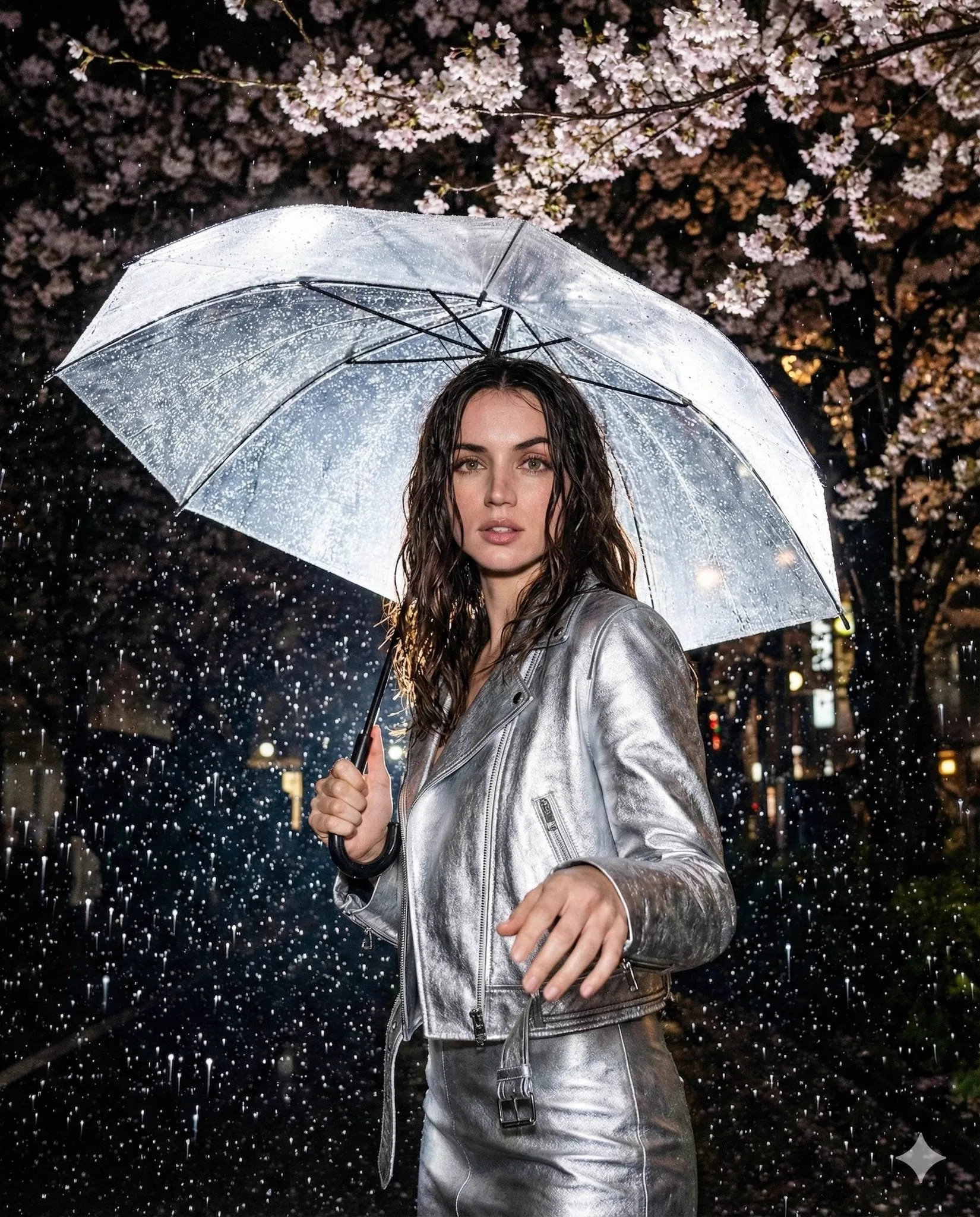
There is a special kind of satisfaction in watching a still image come to life. A photograph of a face suddenly turning to the camera, a snapshot of a street filling with motion, an old portrait whose subject blinks and looks away. For years that transformation was the domain of painstaking animation and expensive visual effects crews. Now it is the most approachable trick in the generative AI toolbox, and it is changing how ordinary creators approach video production.
Image-to-video AI does exactly what the name suggests: it takes a single static image and generates a plausible, often eerily smooth, video sequence that continues the scene, adds motion, and keeps the subject recognizable throughout. This article is a practical look at how that technology works in 2025, where it genuinely fits into a creative workflow, and how to get usable, high-quality results without burning through time or money. If you have ever wished a great photo could just keep going, this is your territory.
Why turning a still into motion is such a big deal
The creative world runs on assets. Photographers have libraries of compelling stills. Marketers have product shots. Designers have mood boards full of imagery they love. Yet video platforms reward motion, and audiences scroll past static images in a fraction of a second. Bridging that gap used to require either re-shooting everything as video or commissioning expensive animation. Image-to-video collapses that wall.
Think about what a single good still image already encodes. Composition, subject, lighting, mood, and art direction are all locked into the frame. Image-to-video models read all of that and continue it, which means the start of a great video already exists in almost any strong photograph. The creator is not starting from a blank prompt and crossing their fingers; they are starting from a frame they already trust.
The other advantage is consistency, which is the hardest thing in generative video. When a video is generated from a text prompt alone, the character's identity can wander with every new pass. Deriving the video from an actual image pins the subject to a real visual reference, which makes character and scene consistency dramatically easier to hold across an entire generation. That single property makes image-to-video the natural starting point for longer, more coherent projects.
How image-to-video actually works under the hood
Under the surface, image-to-video is a generative model being asked to predict what happens after the frame it's been handed. The model has studied enormous volumes of video and learned statistical patterns of how objects move, how light behaves, and how scenes unfold in time. Given a static input, it extrapolates a series of next frames that follow from it, rather than inventing an unrelated scene.
What separates a good from a bad result is the control the creator has over that extrapolation. The most useful systems let you steer how much motion to introduce, in which direction, and how faithful the output must stay to the source image. Too little motion and the clip feels static and pointless. Too much and the model loses the subject, warping faces or breaking the scene's physical logic. Finding the sweet spot is a matter of tuning and, honestly, a little experimentation.
Modern tooling also lets you fuse multiple images into a single generation. This is the technical trick behind keeping a character consistent across different shots, or blending a character from one image with the setting from another. Instead of begging a text model to remember what a person looked like, you feed it the person as actual pixels and ground every frame in that reference.
This "fusion" capability is what elevates image-to-video from a novelty into a production tool. With it, a creator can establish a character sheet of a few strong images and then generate scene after scene in which that same face continues to appear and behave recognizably. The output no longer feels like a series of isolated demos but like coherent footage from a single production.
Choosing the right model from the library
Just as not every still image needs the same treatment, not every video model suits the same job. The modern generative ecosystem offers a spectrum, from access to multiple video generation models through a single interface. Some are built for maximum photorealism and quality, ideal for premium, audience-facing work where the detail will be scrutinized. Others prioritize speed and iteration, meant for the exploratory phases where you just need to see if an idea works at all.
The practical strategy is to keep a tiered line of thinking. Early in a project, when you're testing composition and motion concepts, favor the fast, inexpensive models and accept that their results are rough. As the vision firms up and you've committed to a specific look, switch to the high-quality models for the shots that will actually reach an audience. This separates the expensive, slow passes you truly need from the cheap, quick passes that merely inform them.
Character and scene consistency used to be the hardest thing to achieve across multiple outputs. With strong reference fusion, that burden shifts. Select a canonical image of your subject, feed it consistently, and allow the model to inherit the visual details rather than regenerating them from scratch on every pass. The difference between ragged, drifting results and a coherent character is largely a matter of disciplined reference management.
Where image-to-video fits into a real creative workflow
The most efficient way to use image-to-video is not to treat it as a one-shot magic button, but to slot it into a deliberate production pipeline. It works beautifully as the bridge between previsualization and full production. Before committing budget to a shoot, a creator can animate concept art to see how a scene might feel in motion, testing camera moves and pacing on stills they already have.
For marketers, the loop is equally valuable. A single studio-quality product shot becomes the seed for a whole family of short videos: feature the product, show it in use, let the background subtly come alive, all from one photographic asset. This slashes the cost of producing a library of video content, because every video starts from an image that already captured the subject at its best.
For artists and storytellers, the value is expressive. Turning a striking portrait into a living moment, letting a landscape scene unfold, breathing narrative life into a single frozen frame, these capabilities turn static collections into dynamic storytelling material. It flips the creative direction: instead of only generating from imagination, you start from reality and ask the machine what happens next.
Practical tips for better image-to-video results
Getting reliable, high-quality output is partly skill and partly good habits. Start with the highest-quality source image you have. Garbage in, garbage out is exactly as true here as anywhere, and a sharp, well-composed still gives the model a far better foundation than a blurry phone snapshot. The source image should be in focus, well lit, and clean of clutter you don't want re-animated.
Control the amount of motion deliberately. Subtle, natural motion reads as realistic and elegant; excessive, frantic motion reads as chaotic and often breaks the model's grip on the subject. When in doubt, start with less and add more only if the scene calls for it. Consistency with the source is rarely improved by pushing the model harder.
Work in batches and keep a reference library. Generate several variations of an idea rather than one perfect attempt, then curate the best result. Store the canonical images for each character and setting so future generations can inherit their identity. This is the difference between a frustrating tool and a dependable production partner.
Common pitfalls and how to avoid them
Plenty of creators make the same avoidable mistakes. The biggest is expecting a single generation to be perfect and being disappointed when it is not. Image-to-video is iterative by nature; the workflow is to generate, evaluate, adjust, and regenerate until the moment lands. Budget for that iteration rather than expecting perfection on the first pass.
Another frequent issue is over-using the technique. Not every scene should be an animated photo, and applying image-to-video everywhere makes a project look samey. Use it where motion genuinely adds meaning, and let other sequences stay still or full-animated for variety. A mix of stillness and motion keeps the work alive.
Finally, watch for identity drift across longer sequences. Even with fusion, characters can subtly change over many generations. Re-anchor frequently to the canonical reference, and spot-check frames against the character sheet. Vigilance here is what keeps a long project coherent from the first frame to the last.
Sound, language, and style as part of the same workflow
Image-to-video does not live in a vacuum. The strongest results treat it as one layer in a multimodal pipeline that also includes text descriptions, audio, and style. A single static image is only the visual seed; pairing it with a written description of motion, an audio treatment, and a consistent style reference gives the generator far more to work with than a lone jpg. The more complete the creative brief, the more faithful the extrapolation.
That means thinking about your source images as characters in a production dictionary rather than one-off photographs. Build a style guide: the palette, the lighting signature, the motion vocabulary you want every clip to share. Fuse a representative image or two into every generation so the tool inherits the identity you've already decided on, and resist reinventing it each pass. Consistency compounds when the references stay stable.
There is also an audio dimension worth planning in parallel. A clip that starts beautifully but carries no meaningful sound will feel unfinished in the edit. Treat audio as a partner to the image-to-video pass, deciding the mood and rhythm of the sound before you lock the visual, so the two arrive ready to be assembled rather than fighting each other in post. This kind of planning keeps the whole workflow moving as one piece instead of a stack of disconnected experiments.
Turning still collections into a library of finished videos
The real payoff of image-to-video, for many creators, is compounding. One strong shoot becomes the seed for an entire catalog: hero clips, social cutdowns, and background loops all grown from the same photographic assets. Because each video starts from an image that already captured the subject at its best, the output inherits a photographic quality that pure text-to-video rarely matches.
That compounding changes the economics of content production. A brand that once had to choose between a few premium videos and a large volume of mediocre ones can now have both, because each additional video is cheap to spin off from the shared asset library. The marginal cost of a new clip drops toward the cost of a new generation, and the identity stays consistent because every clip draws on the same photographic foundation.
For any creator serious about this technique, the discipline is to build the library first and generate from it deliberately rather than treating every request as a brand-new world. Name your assets, maintain the character sheets, and keep the style guides current. When the library is healthy, producing a large body of coherent work becomes a matter of assembly and refinement rather than reinvention, and that is exactly the position you want to be in.
Frequently asked questions
What makes a good source image for image-to-video? A sharp, well-exposed, well-composed image with a clear focal subject and minimal distracting clutter gives the model the best possible foundation.
How do I keep my character looking the same across many clips? Maintain a small set of canonical reference images and fuse them into each generation. Re-anchor the character frequently to prevent subtle drift.
Do I need expensive hardware to use image-to-video? No. Most practical use cases run through cloud platforms, so the heavy lifting happens off your device and you pay per generation rather than for hardware.
Is image-to-video useful for professional work or just social media? Both. It accelerates social content production and serves as a powerful previsualization and consistency tool for more serious professional projects.
How long do the resulting clips tend to be? Individual generations are usually short, a few seconds each. You assemble them in an editor to build longer sequences, which is also where you control pacing and final rhythm.
A closing thought about the craft
If there is a single idea worth keeping from all of this, it is that image-to-video works best when it is treated as one instrument in a larger creative toolbox, not as a shortcut that replaces judgment. The technology is generous with its output, but it needs a discerning editor to decide which of that generosity actually serves the story. Start honestly, iterate deliberately, keep your references disciplined, and let your taste make the final calls; those habits will carry you further than any single tool ever could.
