
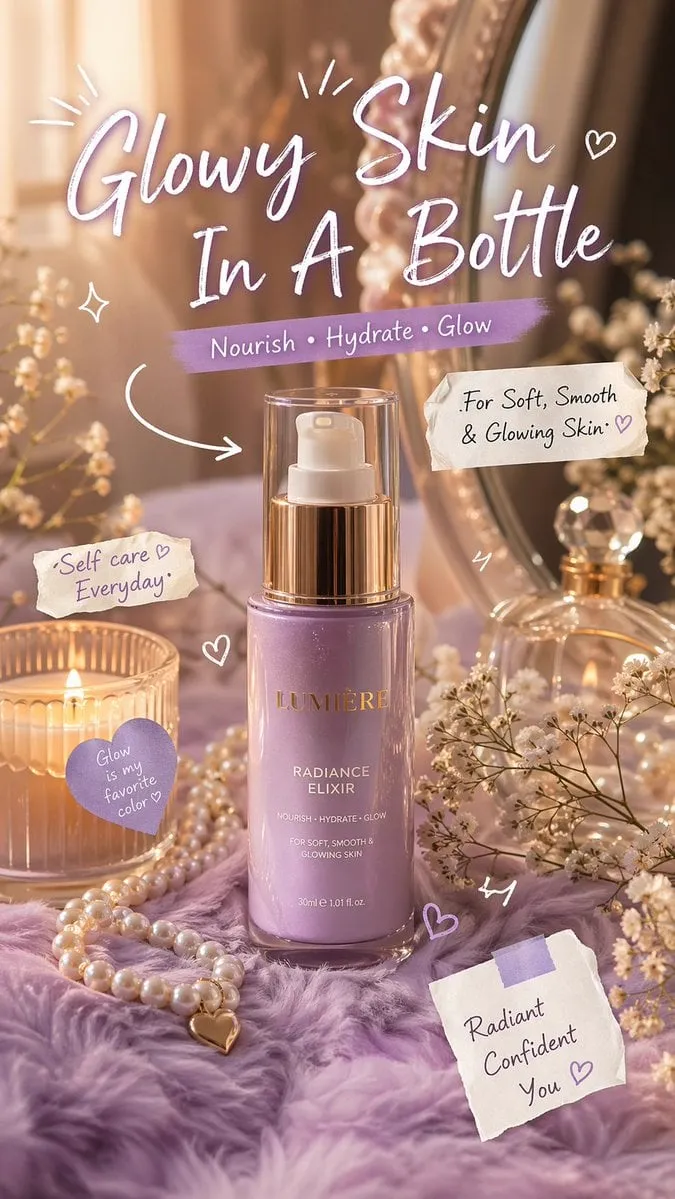
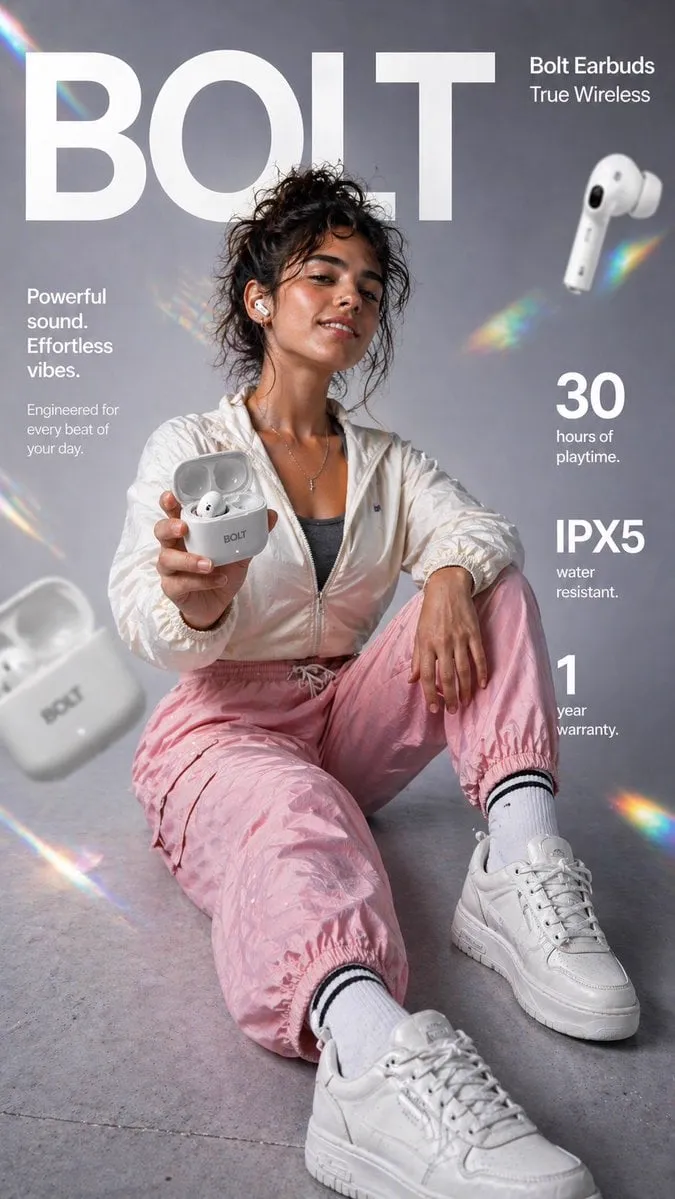
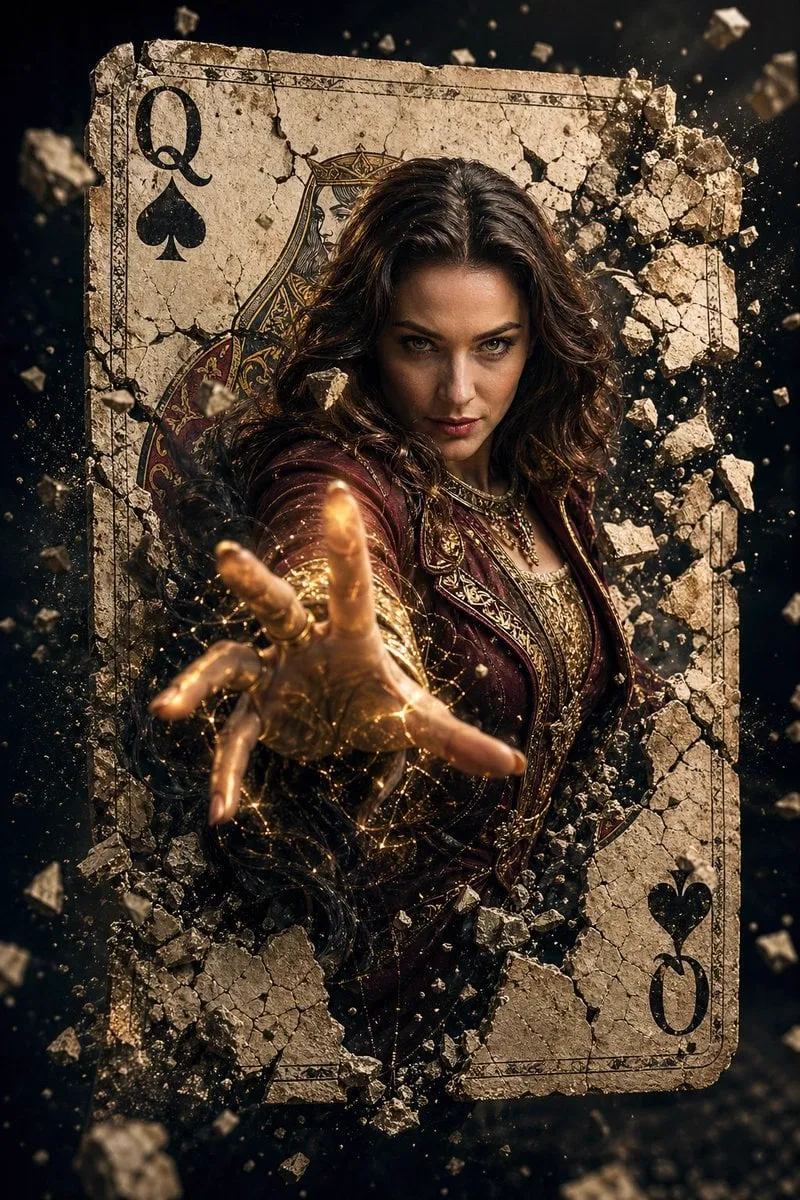
Every creator has felt the disappointment: you search a stock library for the perfect hero image, and the best result is still a smiling person in a conference room. The same problem exists in AI art. If you type "futuristic city" into an image generator, you get the same generic skyline that hundreds of other users have already published. The difference between forgettable and distinctive AI imagery is rarely the model. It is the prompt.
Advanced prompting is a skill, not a magic phrase. This guide walks through the anatomy of a strong prompt, explains how to build original images and anime art that does not look like everyone else's output, gives you copy-ready prompt recipes, and shows a repeatable workflow for turning ideas into finished visuals.
Why Stock Footage Feels Stale
Stock libraries solve a real problem: they give you a licensed image in minutes. But they also have a ceiling. The same photographs appear on thousands of websites, which trains audiences to skim past them. Worse, stock rarely matches your exact concept. You end up compromising your message because the library has no image of a solar-powered delivery drone over a desert highway at dusk.
Generative AI removes that compromise. Instead of searching for an existing image, you describe the one you need. The catch is that generic prompts produce generic results. The models are trained on vast amounts of common imagery, so a bare phrase like "cyberpunk alley" converges to the statistical average of every cyberpunk alley ever drawn. To escape the average, you have to give the model specific, unusual and internally consistent direction.
The Prompt Is the Brief: Core Prompt Anatomy
A useful prompt is a one-paragraph creative brief. It tells the model what to depict, how to depict it, and what mood to hit. The most reliable structure has five parts:
- Subject. Who or what is the focus? Be concrete: "a mechanic repairing a brass clockwork dragon" beats "a dragon".
- Setting. Where does the scene happen? Include time of day, weather and architecture.
- Camera and composition. Is it a close-up, a wide shot, low angle, Dutch angle? What draws the eye?
- Light and color. Golden hour, neon reflections, soft diffused studio light, muted palette, high contrast.
- Style and medium. Oil painting, 3D render, watercolor, anime key visual, film still, risograph print.
Not every prompt needs all five, but the more you specify, the less the model falls back on defaults. The defaults are what make images look stock.
Writing Prompts for Original AI Images
Originality comes from combinations. A sunset over Dubai is a cliché; a sunset over a flooded metro station where commuters travel by gondola is a story. When you draft a prompt, ask yourself what detail a stock search would never return.
Subject, Setting, Light, and Lens
Start with the emotional core of the image. If the image is about solitude, describe that: "a lone lighthouse keeper reading a letter in a fog-filled control room". Then build outward: the room's details, the light through the window, the camera's distance. Specific nouns and adjectives do the heavy lifting. Replace "beautiful" with something concrete: "weathered, salt-stained, softly glowing".
Lens language also matters. "Shot on a 35mm lens, shallow depth of field" produces a different result than "ultra-wide aerial view". Models have internalized photography vocabulary, so using it gives you professional control for free.
Style Anchors and Artist References
Referencing a style or movement is a fast way to set the visual language: "studio Ghibli background art", "1960s Soviet poster design", "French new wave film still", "Art Nouveau poster". These anchors communicate a complete set of conventions in a few words. Use them sparingly and combine them with your own subject so the result is inspired rather than derivative.
Prompt Recipes: From Idea to Finished Image
Recipes help you internalize the pattern. Here are three that demonstrate how the five-part structure produces distinct results.
Recipe one, an editorial product hero: "a handmade ceramic coffee cup on a weathered oak table, morning light from a side window, steam rising, 85mm lens, shallow depth of field, warm neutral palette, photorealistic". The subject is the cup, the setting is the table, the camera and light create the mood, and the style anchor keeps it realistic.
Recipe two, an anime key visual: "a teenage pilot standing on the wing of a damaged mech at dawn, windblown hair, city skyline burning in the background, low angle, dramatic rim light, anime key visual, detailed line art, cinematic composition". The story element, the damaged mech at dawn, is what separates this from a generic character poster.
Recipe three, a surreal editorial illustration: "a librarian watering a tree growing from a book in a silent library, dust motes in a beam of light, muted greens and gold, watercolor with ink outlines, 1960s children's book illustration". The unusual premise, the tree from a book, carries the originality; the style anchor carries the craft.
Generating Anime That Doesn't Look Generic
Anime is one of the most popular genres in AI image generation, and also one of the most generic. Default outputs tend toward the same pretty character, same sparkly eyes, same vague background. To create anime that stands out, think like a character designer and a storyboard artist, not just a fan.
Character Consistency with Reference Images
If you want the same character in multiple images, a text description alone is not enough. The reliable approach is reference-based: generate a character sheet first, then use it as an image input for subsequent generations. Describe the design in detail — hair color and shape, eye color, costume, distinguishing marks — and keep that description identical across prompts.
Modern tools let you attach a reference image and set its influence level. This is how creators build consistent protagonists for comics, animated series and brand mascots.
Composing Scenes Like a Storyboard
A great anime image is a moment in a story, not a portrait with a background. Before prompting, decide what is happening: "a young courier bracing against a windstorm, delivery drones scattered behind her, city lights blurred by rain". Give the scene a before and after. That implicit narrative is what separates concept art from wallpapers.
Iterating Like a Designer: From First Draft to Final Frame
Professional image work is a loop of generation, evaluation and refinement. Treat the first output as a sketch. Evaluate it against your brief, then adjust one variable at a time. Did the lighting miss? Change only the lighting language. Is the composition weak? Change the camera description. Changing everything at once makes it impossible to learn what worked.
Keep a prompt journal. Record the exact prompt, the seed or variation settings, and a one-line note on what changed. After a few sessions you will have a personal library of phrases that reliably produce the effects you like. That library is worth more than any tool subscription.
Tools That Reward Advanced Prompting
Different tools respond differently to the same prompt. Midjourney excels at painterly and stylized results, Stable Diffusion offers deep control through models and settings, and Flux-based tools deliver strong photorealism with natural text rendering. Niche platforms specialized in anime have their own communities and fine-tuned styles.
The practical advice is to pick one primary tool, learn its vocabulary, and keep a second for styles the first handles poorly. Most advanced workflows also use upscalers and editors for final polish: upscale for print, crop for composition, and do any text correction in a dedicated editor.
Reusing Assets Across Projects: Image to Video
A strong still image is an asset, not just a deliverable. Image-to-video models now animate a reference image with a motion prompt, so your unique character or brand visual can become a moving scene without rebuilding the design. This workflow keeps visual identity consistent across formats: the same art direction appears in a hero image, a social post and a short video.
Ethics and Originality: When Is AI Art Yours?
As AI imagery becomes common, questions of originality and responsibility become practical. Use your own prompt language, your own references and your own visual rules, and the work carries your direction even if the pixels are generated. Be transparent when a project involves AI, especially in commercial or editorial contexts. And avoid reproducing living artists' styles without permission, or generating misleading images of real people. The discipline that makes your work original is the same discipline that keeps it ethical.
Troubleshooting Common Problems
- Hands and fingers. Still a weak point for many models. Specify "hands visible" or "hands in pockets", or crop the frame to avoid the problem.
- Too many characters. The model may add people you did not ask for. Add negative language: "no other people, empty street".
- Wrong text in image. AI still struggles with legible text. Add the exact wording and expect to fix it later in an editor.
- Repetitive compositions. If every image looks similar, vary the camera section of your prompt and change the seed or variation slider.
- Over-saturation. If colors feel unnatural, add a color note like "muted palette, film grain, low saturation".
Negative Prompts and Settings: The Hidden Controls
Beyond the prompt text, most tools expose settings that shape results. The most useful for originality is the negative prompt, a list of things the model should avoid: "blurry, oversaturated, watermark, extra fingers, low detail". Negative prompts remove the artifacts that make AI images feel generic, and they stop the model from adding unwanted elements like random crowds or text.
Other settings are worth learning gradually. The seed controls randomness: the same prompt with the same seed gives the same image, which is essential when you find a composition you want to keep. Variation strength decides how far a new generation can drift from the previous one. Upscaling improves resolution for print or large displays. You do not need all of them on day one, but understanding seed and variation strength alone will cut your iteration time in half.
Frequently Asked Questions
Do I need to learn technical settings like sampling steps and CFG?
Not at first. Start with natural language prompts, then gradually learn the advanced controls as you hit specific problems. The prompt is 80 percent of the result.
Can I use AI images commercially?
Terms differ by platform. If you plan to sell work or use it in client campaigns, check the commercial license of your chosen tool and keep records of the prompts and outputs.
How do I make my anime character consistent across images?
Use a detailed, fixed character description and reference images with high influence. Generate a character sheet early and reuse it as the visual anchor.
What if the image still looks generic?
The problem is almost always specificity. Add an unusual detail, a specific light source, a camera angle, or a story element. If it could be found in a stock library, keep refining.
How many variations should I generate per image?
Three to five is a healthy range for exploration. Beyond that, stop and change the prompt; generating more of the same prompt usually returns the same average.
What is the difference between a style reference and a character reference?
A style reference anchors the look of the image, such as colors, brushwork or rendering; a character reference anchors a specific person or creature across images. Use style references for atmosphere and character references for identity, and keep them in separate slots so they do not compete.
Final Thoughts
The goal of advanced prompting is not technical mastery for its own sake. It is creative control. When you can describe exactly what you see, the image generator becomes an extension of your imagination instead of a slot machine. Build your prompt vocabulary, iterate systematically and keep a library of what works. That is how you leave the stock look behind for good.
