
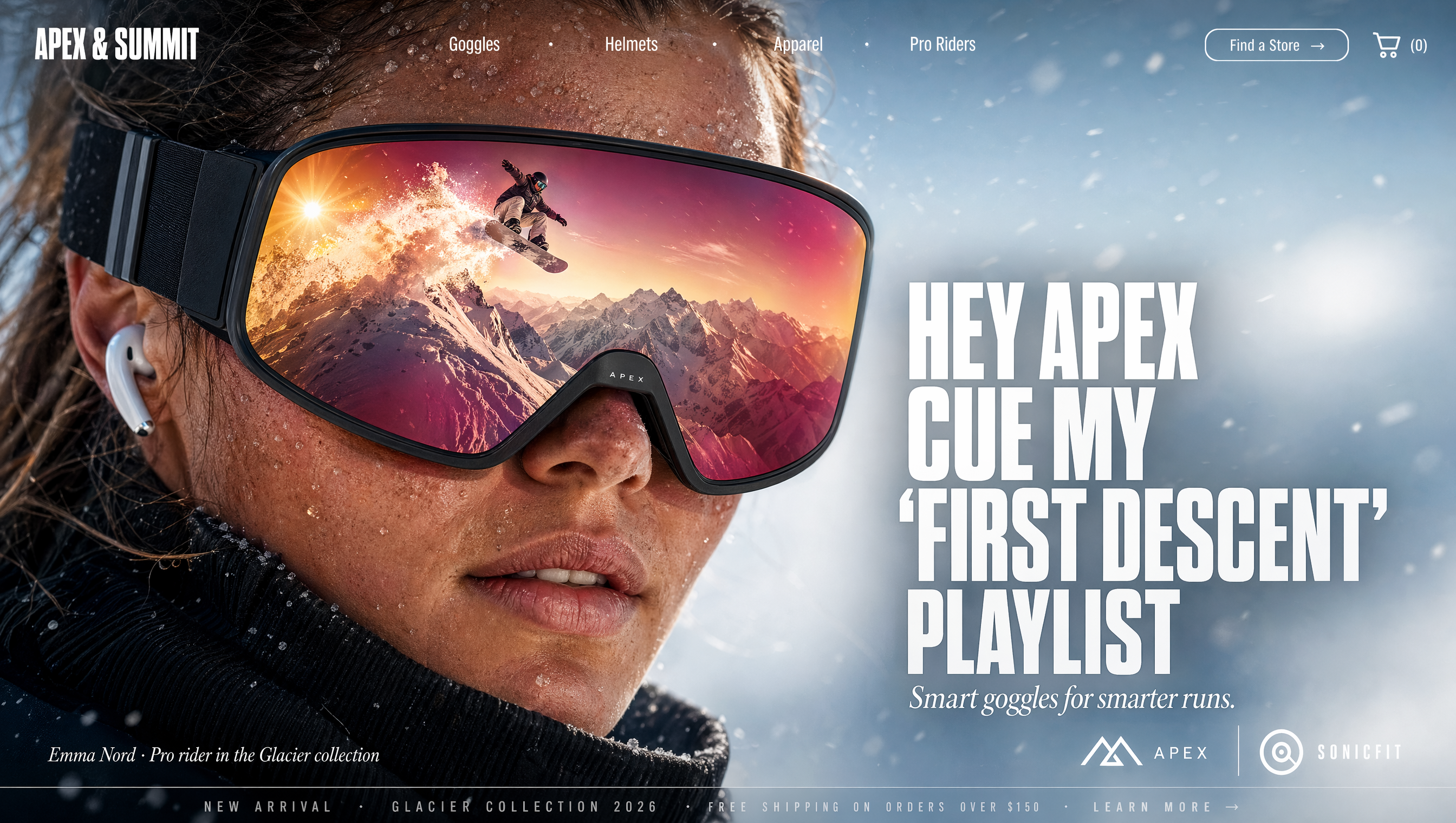
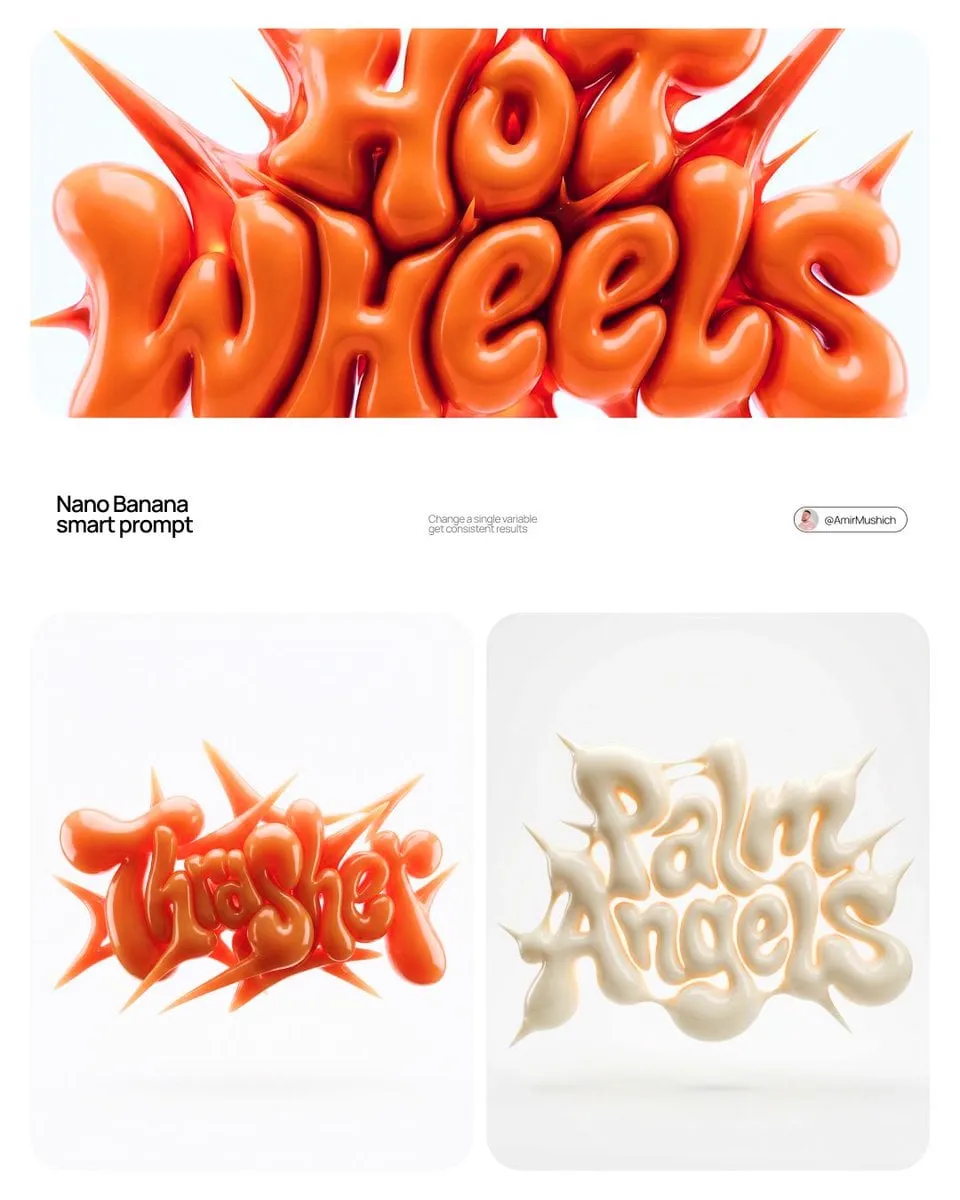
Most people still think of video generation as typing a sentence and watching a clip appear. That is only part of the story. In practice, a large share of the most useful video work starts from an image: a character reference, a product shot, a concept painting, a logo, or a frame from a still. Turning that static picture into a moving scene is what we mean by image-to-video generation, and it has quietly become one of the most important capabilities in modern creative production.
Where text-to-video asks the model to invent an entire world from words alone, image-to-video gives it something concrete to build on. The result is far more control over what ends up on screen. You decide the starting visual, and the model figures out how it should move. This guide explains how the technology works, what makes a good image-to-video workflow, how to keep contexts consistent, and which trade-offs to consider across different models.
[Note: The source content was a Dutch-language article about universal image-to-video generation. It has been rewritten from scratch in English.]
Why Image Input Changes the Creative Game
Started from an image rather than a blank text box, your video inherits the composition, mood, and details you already approved. That means less guesswork and more deliberate direction. Instead of hoping the model interprets your prompt correctly, you present it with a visual you already believe in and ask it to bring that image to life.
This matters for brands and indie creators alike. A product team can feed in its hero image and ask for a cinematic camera move around the product. An illustrator can feed in a character art and ask for an idle animation loop. A composer can feed in album art and request a moody background loop. In every case, the piece of work starts where the creator already has strong opinions, not where a text prompt leaves room for interpretation.
The creative benefit is speed and confidence. Since you trust the source image, you can iterate on motion, camera, and atmosphere rather than rebuilding the world each time. That is a fundamentally different workflow from the trial-and-error loop of pure text generation.
From Static Picture to Moving Scene: How It Works
Under the hood, image-to-video generation combines the visual understanding capabilities of modern image models with the temporal modeling of video models. The model first analyzes the input image, identifying the objects, their boundaries, their relationships, and their lighting. It then predicts how those elements should plausibly move over a short sequence of frames.
Some approaches take the image as the first frame and animate forward. Others use it as a strong conditioning signal that guides the entire generation. Either way, the core idea is the same: the image anchors the content, and the motion model fills in the dynamics.
The resulting video inherits the quality of the source. A sharp, well-composed image produces a better animated result than a blurry or cluttered one. This is why creators who succeed with image-to-video spend real time preparing their input images rather than just grabbing any screenshot.
A Workflow for Reliable Results
Good image-to-video work rarely happens in one click. It is a short pipeline of preparation, generation, and revision. Here is a practical sequence you can adapt.
First, prepare your input. Crop to the aspect ratio you want to output, remove distracting borders or watermarks, and make sure the subject is sharp and well-lit. Adjust contrast so the key subject stands out from the background.
Second, define the motion you want. Decide the camera move or the object's behavior before you write a single prompt. Clear intent beats vague language every time.
Third, generate multiple candidates. Because video generation has some randomness, produce several options and pick the one whose motion best matches your intent rather than settling for the first result.
Fourth, evaluate in context. Watch the clip inside your edit, not only as a standalone file, to see whether the motion sits naturally with your other shots.
Fifth, revise selectively. If one segment is wrong, regenerate only that segment with a more precise prompt instead of throwing away everything.
Preserving Context Across Multiple Shots
A single animated clip is useful, but the real value appears when you need a consistent sequence across multiple shots. If a character appears in three different scenes, it should look like the same character in all three. Image-to-video helps here in two ways.
First, you can reuse the same reference image across shots. Feeding the same character image into every scene keeps the visual identity stable, so the character does not change face or outfit between cuts.
Second, you can take advantage of multi-image or multi-reference fusion where a tool supports it. By providing several consistent reference images, the model learns a stable identity for a subject and then preserves it across the shots you generate. This is especially powerful for series production, where the same cast and environments recur over many episodes.
The practical rule is simple: lock your references before you start generating. Decide the canonical look for each character and each environment, keep those images in a library, and reach for them every time that element appears anywhere in your project.
Advanced Techniques for Better Motion
Once you have the basics working, a few techniques push the quality higher. The most useful is matching the source image's own momentum. If your reference photo already implies movement, a dancer mid-step, a car turning, a flag caught by the wind, the model has a much easier job animating it. Choose references that already contain a sense of motion and the output will feel more alive.
Camera language is the second lever. Decide between a static frame, a slow push-in, a lateral dolly, or a swooping aerial move before you prompt, and describe that decision in plain words. Different camera moves change the emotional weight of a shot; a slow push-in feels intimate, while a wide establishing move feels cinematic. Learn a few basic moves and how they feel, and you will direct far more convincingly.
Length management is the third habit. Long, complex shots are where models most often drift off. Break a desired sequence into shorter beats, generate each beat from the same reference, and stitch them in the edit. Each short segment stays coherent, and the assembled whole still reads as one continuous action. This single habit improves consistency more than any prompt trick.
Real-World Examples of Image-to-Video in Practice
To make the workflow concrete, here are three realistic scenarios and how image-to-video fits into each.
A studio wants a 15-second product hero for a landing page. It takes the product's best studio shot as the reference image, prompts a slow orbital camera move with the product at center, generates four candidates, and selects the one with the most natural reflection and lighting. The result lifts the page without any physical filming.
An educational channel needs an explainer about a historical scene. The team asks an illustrator to paint a consistent scene across three panels, then animates each panel in turn. The stills give editorial control over accuracy, and the motion model adds just enough life to keep viewers engaged until the narrator's voice changes the scene.
A lifestyle brand wants to reuse one campaign concept across several social platforms. It locks the hero's look with a small reference set, then generates vertical, square, and landscape versions of the same moment. The brand keeps a coherent campaign even though each platform gets its own crop and pacing.
In each case, the reference image does the controlling and the model does the animating, and the two together produce a result neither could achieve alone.
Choosing the Right Model for the Job
Different models emphasize different strengths. When you are converting images to video, the choice usually comes down to what you value most: realistic motion, stylistic control, physical accuracy, or speed and cost.
Models known for physical realism tend to handle complex, real-world movement convincingly, which suits product demos and lifelike scenes. Stylistic models shine for animated and illustrated looks where exact physics matter less and artistic intent matters more. As a rule, matching the model to your source image's style produces the most natural result. Feeding a painterly illustration into a hyper-realistic model often yields awkward results, while a stylized model keeps the image's personality intact.
If your work is mostly character-driven and story-based, prioritize models with strong consistency across many frames. If you produce lots of short social loops, prioritize speed and affordability so you can iterate without worrying about cost.
Where Image-to-Video Fits in a Larger Production
Think of image-to-video as one instrument in a broader production orchestra rather than a standalone tool. Its best performances come when it is combined with other steps.
You might sketch a storyboard as still images, animate key beats into short clips, then edit those clips together with transitions, sound design, and narration. The still images give you creative control at the planning stage, and the video model brings the motion where you need it. This hybrid workflow is how many solo creators now produce work that would previously have required a full animation team.
The technical side matters too. If you are producing at scale, you want a platform that stores your assets reliably, retrieves them quickly, and queues large batches without failing. Architecture choices such as a robust database and a speedy content delivery layer affect whether those long sessions feel smooth or whether they turn into repeated waiting and re-uploads.
Comparison of Model Families Worth Knowing
If you are evaluating tools, it helps to recognize a few recurring names and what each tends to be good at. None is universally best; each fits a use case.
Premium generation models often lead on visual fidelity and controllability for high-end work. Asian market leaders such as Kling AI and MiniMax Hailuo have become popular for their strong motion quality and competitive access. Specialist and open-source options such as Vidu, Tencent Hunyuan, and Alibaba Wan offer flexibility and lower barriers for experimenters who want more control or lighter cost. Still others, like Luma Ray 2 and Pika, push forward on visual coherence across longer sequences.
The takeaway is not to memorize the list but to recognize that the field is broad and evolving quickly. Your best strategy is to test two or three models against your own reference images and workflows, then standardize on whichever gives you the most reliable, on-brief results.
Troubleshooting Common Image-to-Video Problems
The subject warps or morphs between frames. Use a cleaner source image, keep the subject clearly separated from the background, and generate shorter segments for complex motion.
The motion ignores your prompt. Rewrite the prompt to name the subject explicitly and describe motion simply. Abstract verbs like "flow" often generate poorly compared with concrete instructions like "a slow pan from left to right."
The style does not match the input. Match the model's aesthetic to your image's style, or adjust the prompt to describe the desired style directly.
The output is too choppy. Generate at a higher resolution or a smoother frame sequence if the tool supports it, and avoid large, abrupt scene changes.
It is too slow or expensive for batch work. Switch to a faster or lower-cost model for first-pass tests, then upgrade to the premium model only for the final selects.
Frequently Asked Questions
Can image-to-video work from any image? Not equally well. Sharp, well-composed images with an obvious subject produce the best results. Dense, low-contrast, or cluttered images tend to generate muddier motion.
Do I need to write a full prompt every time? No, but a short, concrete prompt describing the desired motion dramatically improves results. Name the subject and state the movement plainly.
Is consistency guaranteed across shots? Not automatically. You improve consistency by reusing the same reference images and using multi-image fusion where available.
Can I use image-to-video for commercial projects? Yes, provided your source image and your generation tool's license allow it. Clean up your input rights before you launch a commercial project.
The move from "type a prompt" to "animate the picture you already like" represents a real leap in creative control. Image-to-video generation places the creator's visual judgment at the center of the process, turns approved stills into moving scenes, and carries consistency across entire sequences. Whether you are animating a character, rotating a product, or adding life to a concept, starting from an image gives you a sturdy foundation that pure text rarely matches. Build a small library of strong reference images, learn the strengths of a couple of good models, and you will find that turning stills into motion becomes one of the most reliable and satisfying parts of your production pipeline.
