
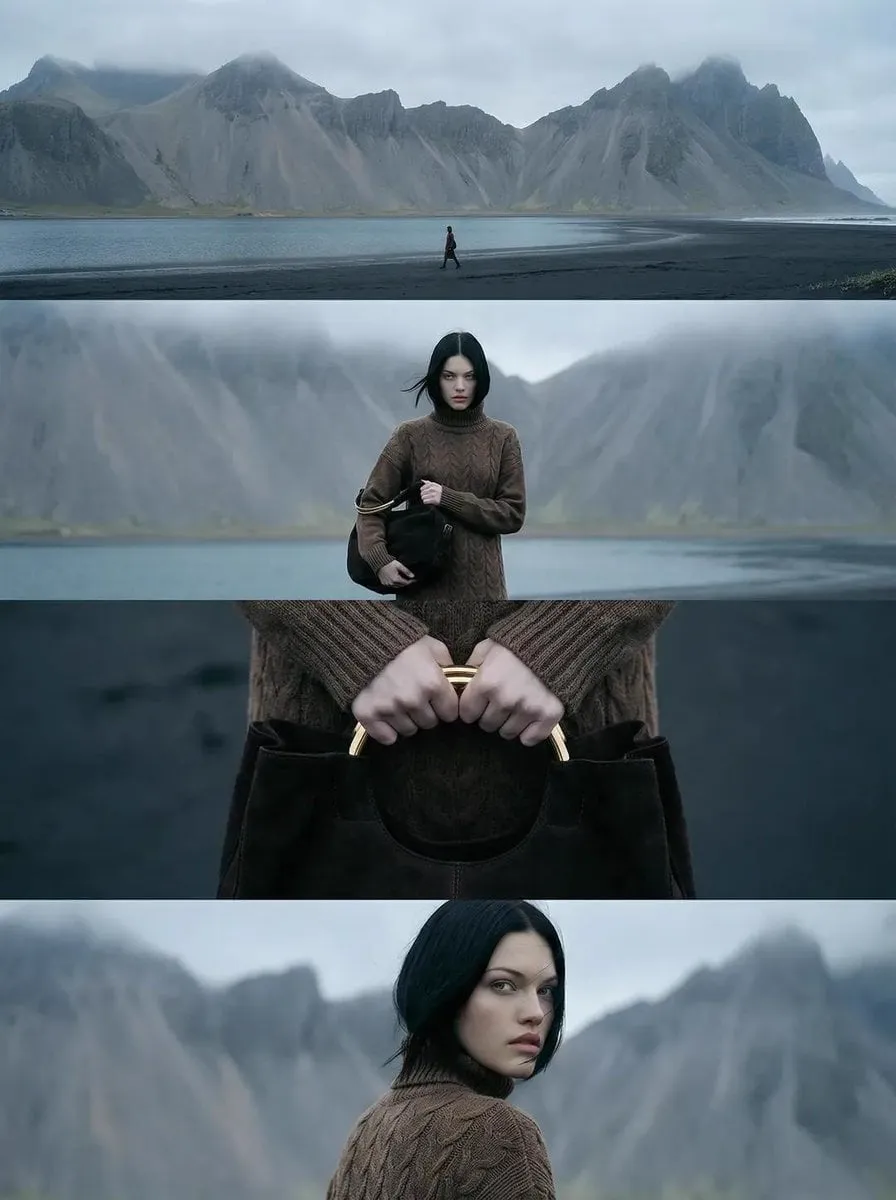

Introduction: Why Low-Quality Video Is No Longer Acceptable
Every creator knows the feeling. You spend hours planning a video, writing the script, setting up the scene — and then the final result looks flat, inconsistent, or just amateur. The lighting is off, the character changes appearance between shots, the audio sounds like it was recorded in a bathroom. For years, fixing these problems meant either expensive equipment, professional editors, or endless hours of manual work.
In 2025, that has changed. AI video tools have matured to the point where they can solve the exact problems that used to drag content quality down: visual inconsistency, weak production value, poor audio, and slow turnaround. The demand for high-quality, consistent video has grown more than 40% year over year, and audiences now expect production values that used to be reserved for broadcast television.
This guide explains how modern AI tools fix the classic low-quality video problems, which tools matter, and how you can build a workflow that produces professional content without a Hollywood budget.
The Real Problem: What Makes Video Look Low Quality
Before we talk about solutions, it helps to name the actual problems. Most "low-quality" AI-generated or small-studio video suffers from the same issues:
- Style drift: the same character looks different from one shot to the next. Hair color shifts, face shape changes, clothing details morph. Viewers notice instantly, even if they cannot articulate why.
- Inconsistent lighting and color: shots that should feel continuous look like they were filmed on different days, because the model or camera handles color differently each time.
- Weak audio: background music that does not match the mood, voiceovers that sound robotic, or sound effects that arrive a beat late.
- Motion problems: characters move stiffly, physics look wrong, or the camera does not follow the action in a natural way.
- Slow iteration: every revision takes hours, so creators settle for "good enough" instead of "great."
The good news is that each of these problems has a specific AI solution. Understanding the mapping between problem and tool is the first step to upgrading your production.
Solving Visual Consistency with Multi-Image Fusion
The most visible upgrade in modern AI video tools is character consistency. Old-generation models generated each clip from text alone, which meant the character was re-imagined every single time. The solution is multi-image fusion: you upload several reference images of the same character, and the system extracts the invariant features — face structure, eye color, body shape, distinctive marks — and locks them in as keyframes for the whole sequence.
This works much better than a single reference photo. One image captures only one angle, one expression, one lighting condition. Multiple images let the model generalize: it learns which features stay the same and which change with pose, emotion, or light. The result is a character that remains recognizable across scenes, which is the single biggest quality leap a creator can make.
The practical workflow is simple: prepare 3 to 5 clean reference images of your character, ideally with consistent clothing and style but varied angles, upload them to your video tool, and generate. For series content, brand mascots, or recurring presenters, this one-time investment pays off in every future clip.
Accessing the Best Models Instead of Settling for One
Another reason videos look amateur is that creators are stuck with a single model that is not right for the job. Different projects need different tools: a cartoon explainer, a photorealistic product shot, a stylized anime scene, and a fast-paced social clip each benefit from different model families.
The industry now offers a rich ecosystem of video generation models. Some are known for photorealism, others for creative control, others for fast iteration or specific art styles. Platforms that aggregate many models behind one interface let you pick the right tool per project, rather than forcing every job through a single pipeline. This flexibility is what separates professional output from the generic look that audiences have learned to tune out.
The practical advice: do not marry a single model. Build a shortlist of 2 to 4 tools you know well, and choose per project based on the style, budget, and turnaround you need.
Audio Is Half the Experience: Fixing the Sound
Many creators focus entirely on visuals and forget that audio is half of what makes a video feel professional. Robotic voiceovers, mismatched music, and silent scenes scream "low quality" faster than any visual flaw.
Modern AI audio tools close this gap in three ways:
- Voice synthesis: natural-sounding AI voices in many languages, with emotion and pacing control, for narration, character voices, and localization.
- Music generation: original background tracks generated from a description of mood and style, avoiding copyright headaches entirely.
- Sound design: automatic or assisted sound effects that match the on-screen action.
The integration of audio and video tools into one workflow is a quiet revolution. When the tool chain handles both tracks, the result feels finished instead of assembled.
The AI Agent Director: Replacing Guesswork with Direction
One of the most interesting developments in 2025 is the rise of the "agent director" — an AI assistant that behaves less like a generator and more like a film director. Instead of typing a raw prompt and hoping, you describe the scene, and the agent interprets it: it proposes camera angles, suggests shot composition, manages the emotional arc, and keeps characters consistent across the sequence.
This matters because the main bottleneck in AI video was never raw generation — it was direction. A beautiful clip with no narrative logic is still a low-quality piece of content. An agent that understands structure, pacing, and visual language turns a prompt into something that looks directed.
The workflow shift is significant: you move from "writing prompts" to "briefing a director." The agent handles the craft details, and you focus on the story.
Training Your Own Model for Maximum Quality
For creators with recurring characters or specific styles, the next level of quality comes from custom training. Instead of relying on generic knowledge, you can fine-tune a model on your own images — your character, your mascot, your art style — so the output is consistent with your brand.
This used to require serious technical skills. Now the process is largely automated: upload a set of reference images, run the training job, and the platform gives you a custom model tuned to your subject. The cost is modest compared with the value of having a character that never drifts.
Custom models are especially valuable for:
- Brand mascots that appear across many videos
- Web series with recurring characters
- Consistent visual style for a channel or product line
- Localized content where the same character must appear in multiple languages
The Architecture Behind the Scenes: Why It Matters to You
You do not need to understand backend architecture to create good videos, but knowing why tools behave differently helps you choose wisely. Serious platforms run on modular systems with task queues and smart GPU scheduling. When you press generate, your job enters a queue, the system selects the right model and resources, and the work is processed efficiently.
Two architectural details have a direct effect on your output quality:
- Reference data coherence: the system must keep your uploaded references, extracted features, and generation parameters perfectly synchronized. A platform with sloppy data handling produces characters that drift even when you did everything right.
- Model selection logic: good platforms route your request to the most suitable model automatically, or give you clear controls to choose. This affects both quality and cost.
Building a Professional Workflow on a Creator Budget
You do not need a studio to produce professional video in 2025. What you need is a system. Here is a practical workflow that upgrades quality without exploding your budget:
- Define your character once: create 3 to 5 reference images and keep them in a folder. Use them for every project.
- Choose your tool per project: keep a shortlist of models you understand, and select based on style and turnaround.
- Write a brief, not a prompt: describe the scene, the mood, the camera intent. Let the agent director interpret it.
- Check audio early: pick or generate the voice and music at the start, not at the end. Audio guides pacing.
- Iterate in small loops: generate short segments, review, fix. Do not try to perfect a 3-minute video in one shot.
- Keep a style library: collect color palettes, lighting references, and style images that you reuse across projects.
Common Mistakes That Keep Your Videos Looking Amateur
Even with the right tools, creators repeat the same mistakes. Here are the ones to avoid:
- Inconsistent references: uploading character photos with different clothing, hairstyles, and lighting makes the model fail to find the invariant. Keep references consistent.
- Changing the prompt radically between shots: the text prompt and visual references must work together. Radical changes confuse the system.
- Ignoring audio until the end: a great image track with bad audio still feels amateur.
- Overusing one model: the same tool for every job produces a recognizable, generic look.
- Skipping the review loop: generation is cheap now; use it. Generate, review, regenerate. The difference between good and great is usually two extra iterations.
The Business Case: Quality Is a Competitive Advantage
Audiences can choose from content produced all over the world. Average content disappears quickly; polished content gets shared. The upgrade from low-quality to professional video is not vanity — it is survival in a saturated market.
For creators, higher quality also means more monetization options: brand deals, ad revenue with higher retention, paid courses, and licensing. Sponsors pay for reach, but they stay for production value. A channel with consistent, professional-looking content commands rates that a low-quality channel cannot.
The ROI calculation is simple: the time saved by AI tools, multiplied by the quality gain, equals more content produced at a higher standard for the same hours. That is the definition of a lever.
FAQ
How many reference images do I need for character consistency?
Two to five well-chosen images are enough for most cases. Quality matters more than quantity: sharp images, consistent style, varied angles.
Is AI-generated music safe for commercial use?
It depends on the platform and the model. Many music generation tools explicitly grant commercial rights to generated tracks. Always check the terms of service before using a track in paid work.
Do I need a powerful computer to use these tools?
No. Most modern video AI tools run in the cloud. A basic laptop with a browser is enough; the heavy computation happens on the provider's servers.
Can I use the same character across different languages?
Yes. Many tools support multilingual voice synthesis, so you can keep the same visual character while localizing the audio for different markets.
How much does professional AI video production cost?
Costs vary widely. A single clip can range from a few cents for fast models to a few dollars for premium photorealistic output. A monthly subscription to a good platform is usually comparable to one hour of a freelance editor's time.
Will AI replace human editors and directors?
No. AI removes the grunt work — consistency, lighting, audio, iteration speed. Human judgment about story, taste, and audience remains the scarce resource. The best workflows are collaborative: humans direct, AI executes.
Conclusion
Low-quality video is a solvable problem, and the solution is already in your hands. Multi-image fusion fixes character drift, model diversity fixes the generic look, AI audio fixes the sound, and agent directors fix the direction. Together, these tools turn video production from a lottery into a process.
The upgrade path is not about buying expensive equipment or learning complex software. It is about building a system: define your characters once, choose the right tool per project, brief instead of prompting, and iterate in small loops. Do that consistently, and the quality of your content will catch up with your ambition.
The tools are mature enough in 2025 that the gap between your videos and the professional content you admire is mostly workflow, not budget. Start with one project, apply the workflow above, and see the difference for yourself.
