


Video advertising has become the default currency of digital marketing. Whether a brand is launching a product, building awareness, or retargeting warm audiences, the video ad is usually the first thing a potential customer sees. But the bar keeps rising. Audiences are exposed to more video than ever, and they have learned to ignore anything that looks generic. The brands that win are the ones that produce distinctive, consistent, and fast-iterating ad creative.
This guide lays out a complete video marketing strategy for the AI era. You will learn how to choose the right generation tools, keep your ads visually consistent across a campaign, adapt creative to each platform, build a scalable production process, and measure the metrics that actually drive revenue.
The New Landscape of Video Advertising
Two forces are reshaping video advertising at the same time. The first is supply: generative AI has made it dramatically cheaper and faster to produce video, so the number of ad creatives flooding every platform has exploded. The second is attention: audiences have developed strong instincts for filtering out anything that feels templated or inauthentic.
In this environment, the old strategy of producing one polished ad and running it everywhere no longer works. Winning campaigns are built from many creative variations, tested quickly, and scaled based on data. The winners are not necessarily the best designers; they are the best operators of an iterative creative system.
The strategic shift is from campaign thinking to system thinking. Instead of asking "what is our next ad?", ask "how do we generate, test, and improve ad creative faster than the competition?" The tools for that system now exist, and the brands that adopt them are pulling away.
Choosing Models for Visual Consistency
The first creative decision in any AI-assisted ad campaign is which generation tools to use. The choice matters twice: once for the quality of a single image or clip, and again for the consistency across the whole campaign. Inconsistent creative fragments the brand's message and confuses the audience.
Match the Model to the Job
Different tools excel at different things. Some models produce photorealistic product shots with accurate reflections and textures. Others excel at stylized illustration, character animation, or motion graphics. Do not pick one tool and force every job through it. Match the tool to the creative need, and use a combination when the campaign requires it.
Speed vs. Fidelity Tradeoff
Fast generation models are perfect for testing concepts and producing volume quickly. Higher-fidelity models produce the polished assets for final delivery. A smart workflow uses fast models for exploration and high-fidelity models for the ads that actually ship. This two-stage approach keeps both speed and quality.
Consistency Through Shared References
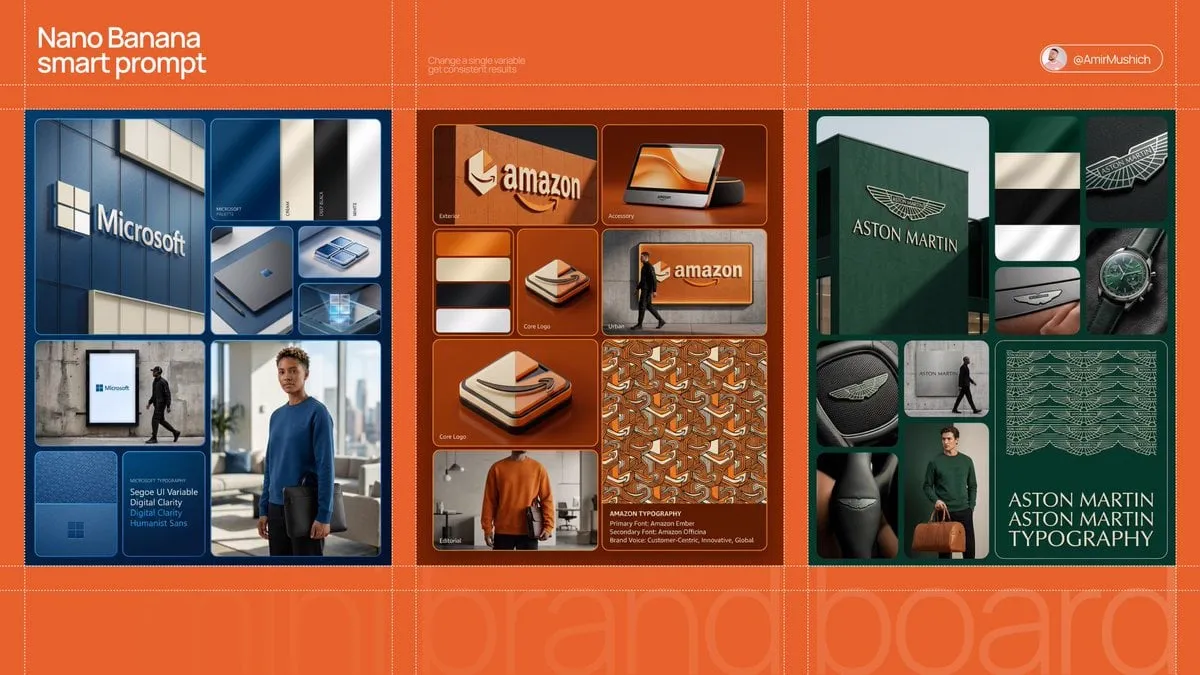
Whatever models you choose, keep visual consistency by using shared reference assets: the same logo treatment, the same color palette, the same product photography style, the same character design if the campaign uses characters. Create a reference package once and reuse it in every generation. Consistency is what makes a batch of ads feel like one campaign instead of a random collection.
Adapting Creative to Each Platform
A video ad is never platform-neutral. The same creative performs differently on TikTok, Instagram, YouTube, and LinkedIn because the audiences and the viewing contexts differ. Adaptation is not optional polish; it is a core part of the strategy.
Short-Form Feeds
TikTok, Instagram Reels, and YouTube Shorts reward early retention. The first second must stop the scroll, the hook must land in the first few seconds, and the payoff must arrive quickly. Vertical framing, large captions, and sound-on-first thinking are essential. Ads for these platforms should be cut tight, with one clear message per creative.
YouTube and Connected TV
Longer formats allow more storytelling. On YouTube, the first five seconds decide whether the viewer skips, so the opening still needs a strong hook, but there is room to build a narrative, demonstrate the product, and include a fuller call to action. Connected TV and pre-roll need the message to work even without sound, so rely on visual storytelling and on-screen text.
Professional Networks
LinkedIn and similar professional contexts demand credibility. A polished but hollow ad performs poorly here; the audience responds to specificity, data, and genuine insight. Adapt the same product story into a case-study format with real numbers and a clear business benefit.
Native and Display Placements
For in-feed placements that look like organic content, reduce the ad-like qualities: softer branding, more educational framing, less aggressive calls to action. Native creative earns attention by not asking for it too loudly, then converts through relevance.
Building a Scalable Production Process
The brands that dominate video advertising share one habit: they produce more creative variations than their competitors and test them relentlessly. Scaling creative production requires a process, not heroic effort.
The Variation Matrix
Build a matrix of creative dimensions: angle, format, hook, tone, and audience segment. Generate variations by combining different values from each dimension. Ten angles times three formats times three hooks gives a rich testing pool from a modest set of inputs. The matrix makes variation systematic instead of accidental.
Template the Workflow
Standardize the production steps: script, storyboard, asset generation, editing, captioning, and quality check. Each step gets a template and a checklist. Standardization removes decision fatigue and lets the team move fast on volume while keeping quality gates in place.
Quality Gates Before Scale
Before you scale a winning concept, pass it through clear quality gates: does it match the brand reference? Does the message survive with sound off? Does it load correctly on the target platform? A small number of strong creatives at scale beats a huge number of weak ones.
The Creative Brief: Strategy Before Generation
Every strong ad campaign starts with a brief, and the AI era makes the brief more important, not less. When generation is cheap, the temptation is to start creating immediately. The brief is what stops that impulse from producing a pile of pretty, purposeless creative.
The Four Questions Every Brief Answers
Write down four things before any generation begins. Who is the audience? What is the single promise the ad makes? What proof supports that promise? What action should the viewer take? If you cannot answer these in a few sentences, no tool will save you. The creative team's job is to turn those answers into visuals, not to invent the strategy on the fly.
The One-Sentence Creative Platform
Distill the brief into one sentence that describes the creative idea, not the product feature. "A tired commuter finds an espresso in their empty office" is a creative platform; "our coffee machine is fast" is a product spec. The platform is what survives contact with the audience; the spec is what the engineering team cares about.
Brief the Tools, Not Just the Team
The same discipline applies to generation prompts. The prompt should carry the brief's message architecture: the outcome, the metaphor, the emotional tone, and the call to action. When the prompt encodes the strategy, the generated creative is on-message by construction rather than by luck.
Review Creative Against the Brief
Before any variation is approved, check it against the brief. Does it serve the audience? Does it deliver the promise? Does it drive the action? Creative that is beautiful but off-brief is waste, no matter how well it performs in a vacuum.
Content Strategy Beyond the Text Prompt
The most common mistake in AI-assisted advertising is treating the prompt as the strategy. The prompt is the last mile. The strategy lives in the message architecture: what the ad promises, who it addresses, and which emotion or insight it activates.
From Product Features to Customer Outcomes
Audiences do not buy features; they buy outcomes. Instead of "our software has real-time analytics," lead with "know exactly where your budget is wasted by Friday." Generate creative around outcomes and proof, then use the product details to support the claim.
The Visual Metaphor
A strong ad communicates its message through a visual metaphor before a single word appears. A finance app is not a dashboard; it is a calm hand catching falling coins. A fitness product is not a machine; it is a sunrise over an empty road. Design the metaphor first, then let the generation tools render it.
Testing the Message, Not Just the Look
Creative testing often over-focuses on visual polish and under-focuses on message. Test different promises and different framings, not just different colors. A slightly weaker visual with a sharper promise will usually beat a beautiful ad with a vague one.
Measuring Performance and Conversion
Video marketing strategy is only as good as its measurement. The goal is not more views; it is more revenue per unit of creative effort. That requires tracking the right metrics through the funnel.
Beyond the View Count
Views and impressions describe reach, not results. The metrics that matter are engagement rate, completion rate, click-through rate, and above all conversion rate and cost per acquisition. A creative with half the views but twice the conversion rate is the better ad, even if it looks less impressive in the dashboard.
Creative-Level Attribution
Attribute performance to the specific creative variation, not just the campaign. If a variation wins, you need to know exactly which angle, hook, and format produced it. Creative-level attribution is what makes the variation matrix a learning system instead of a guessing game.
Feed the Winners, Retire the Losers
Run a disciplined test-and-scale loop. Give each variation enough impressions to produce a meaningful signal, promote the winners, and retire the losers quickly. The goal is to concentrate spend on the small number of creatives that actually move the metric.
Budgeting and Resource Management
AI lowers the cost of producing creative, but it does not remove the need for discipline. Resources still need to be allocated between exploration and exploitation.
Reserve Budget for Testing
Do not spend everything on the first creative that performs acceptably. Reserve a portion of the creative budget for testing new variations and new angles. The testing budget is not waste; it is the R&D that keeps the campaign from decaying as audiences tire of the current creative.
Spend Where the Signal Is Clear
Different platforms and placements produce different quality signals. Allocate more budget to the channels where performance data is reliable and actions can be attributed. Avoid spreading thin across channels where the data cannot tell you what is working.
Monitor Creative Fatigue
Ad performance decays as audiences see the same creative repeatedly. Track frequency and performance over time, and refresh creative before fatigue destroys the return. A pipeline that continuously produces tested variations is the defense against fatigue.
FAQ: Video Advertising Strategy Questions
How many ad variations should I test?
Start with a focused set of variations around your strongest angle, then expand. Ten to twenty variations across a few dimensions is a reasonable starting pool for most campaigns.
Is AI-generated video quality good enough for paid ads?
For many categories, yes, especially when combined with human editing and brand assets. The quality bar is platform-specific, and the data will tell you whether a given creative clears it.
Should every platform get a different cut?
Yes. The same core message should be re-cut for each platform's format, length, and audience expectations. Reposting identical creative across platforms wastes most of its potential.
How do I know if my ad is failing because of the creative or the targeting?
Test the same creative across different audiences and the same audience across different creatives. The pattern of results will usually point to the weak link.
How often should I refresh my creative?
Depends on scale and audience size. Large-scale campaigns can fatigue in weeks; smaller campaigns last longer. Watch frequency and performance trends, and refresh before the return drops.
Video advertising is a system, not a single act of creativity. Choose your tools for consistency, adapt to each platform, build a variation pipeline, and let conversion data decide what scales. The brands that win are the ones that treat creative production as an engine to be operated, tuned, and improved.
