
The New Rules of Video Marketing in 2025
Video has become the default language of digital communication. Brands that once treated it as one channel among many now depend on it for discovery, trust, and conversion. But 2025 is not simply the year of more video; it is the year when the rules of production and distribution changed. Attention spans are shorter, platforms are more competitive, and the audience has become expert at skipping anything that feels generic.
Standing out is no longer a matter of making a slightly better version of what everyone else makes. It requires a different approach: faster production, deeper personalization, stronger visual consistency, and a willingness to treat every video as a test rather than a finished statement.
This guide walks through the trends that matter in 2025 and the practical moves that help brands and creators stay ahead.
Trend 1: Production Speed as a Competitive Weapon
The most visible change in video marketing is speed. The content calendar that once planned a handful of hero videos per quarter has been replaced by a continuous production rhythm. Feeds, stories, and ad platforms consume video at a rate that traditional production can never match, and the algorithms reward brands that keep publishing.
Artificial intelligence is the reason this speed is possible. Generative video tools produce usable clips from text and image prompts in minutes, and iteration is nearly instant. A creative team can explore dozens of directions in a day, where a studio shoot would have allowed one. The bottleneck has shifted from production capacity to creative judgment: deciding which concepts deserve the full investment.
The practical implication is a change in team mindset. Instead of asking "what is our next video?", the question becomes "what is our next batch of videos, and which will we double down on?" Production becomes a pipeline, and each video is a data point.
Trend 2: Aesthetics Still Decide the First Impression
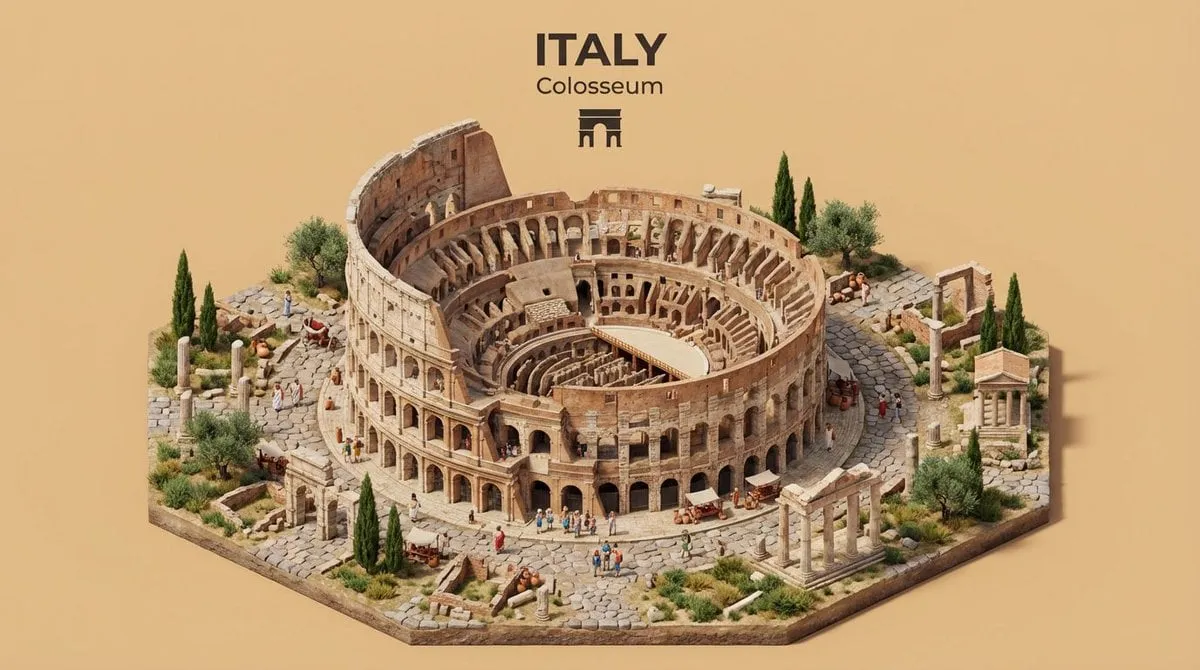
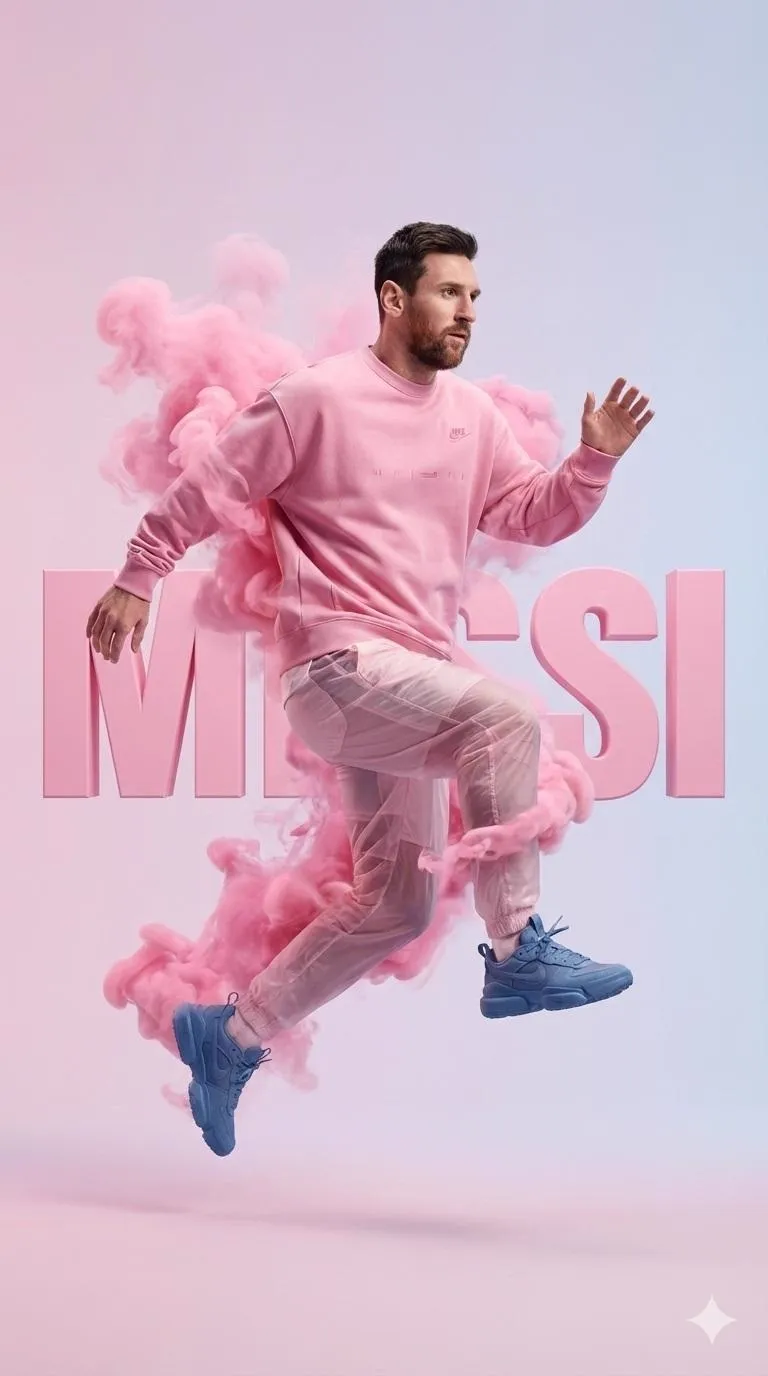
Speed does not excuse mediocre visuals. In a feed where every brand has video, the first impression is decided by aesthetics: composition, color, motion quality, and the general sense that the content was made with care. The audience may not articulate it, but they feel the difference between generated content that is merely functional and content that is genuinely beautiful.
This is where model choice matters. Different generative models have different strengths: some deliver photorealistic clarity, others excel at stylized looks, and others offer precise camera control. The brands that stand out are the ones that know their visual identity and choose tools that reinforce it, rather than using whatever model is easiest.
The aesthetic checklist for every video:
- Clear visual hierarchy: the eye knows where to look first.
- Consistent color and lighting across all scenes.
- Motion that serves the message rather than decoration.
- Typography and captions that match the brand voice.
- A quality bar that does not drop between the first clip and the last.
Trend 3: Balancing Cost and Performance
The economics of video production have changed, but the budget question has not disappeared. Premium generation delivers higher quality at a higher cost, and fast, budget-friendly models offer acceptable quality at scale. The winning strategy in 2025 is deliberate allocation, not a single choice.
A useful framework separates videos into tiers. Hero content, the flagship pieces that define the brand, deserves the best models and the most iteration. Volume content, the feed fillers and test variants, can rely on faster, cheaper tools. The allocation should follow the expected value: spend premium resources where the audience and the stakes are highest.
This tiering also changes how teams measure success. Cost per completed video is less important than cost per effective video, where effectiveness is defined by the engagement and conversion the video actually drives. A cheap video that performs is more valuable than an expensive one that does not.
Trend 4: Consistency as the Foundation of Trust
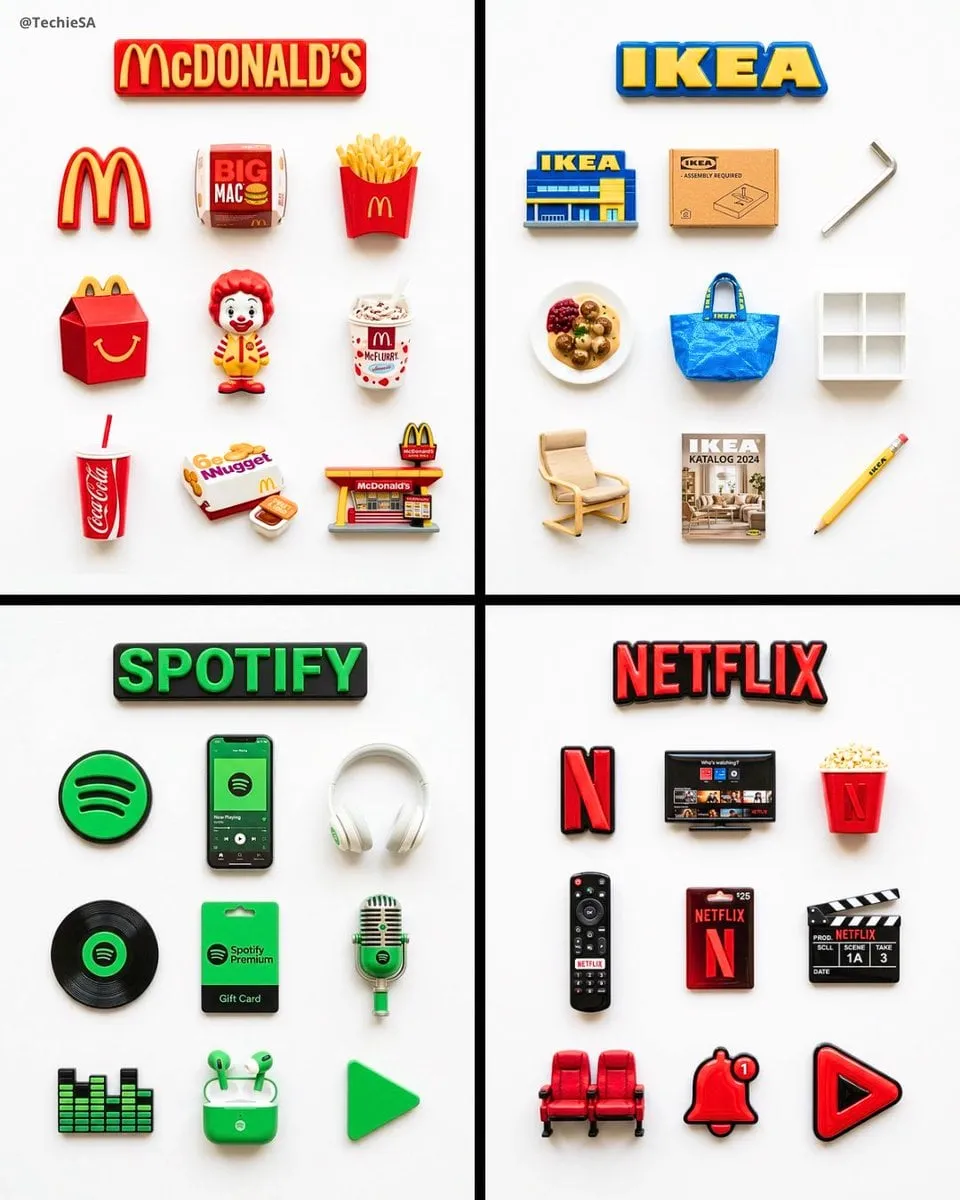
Brand trust in video marketing rests on one fragile quality: consistency. When a brand's characters, products, and environments look different from one video to the next, the audience subconsciously questions the brand's reliability. When everything looks unified, the brand feels established and credible.
For AI-driven production, consistency is a technical discipline. Recurring characters need fixed reference images used across every generation. Products need accurate color and shape in every scene. Visual style needs a defined language that every prompt reinforces.
The workflow that builds consistency:
- Define the brand's visual identity in a short style guide.
- Build a reference library for every recurring asset.
- Use identical references across all generations.
- Review every output against the references before accepting it.
- Regenerate anything that drifts, no matter how small the deviation.
Consistency is not glamorous, but it is the invisible foundation that makes every other trend work.
Trend 5: Narrative Depth and AI Direction
Short-form video created an appetite for instant gratification, but the most durable content still tells a story. The 2025 twist is that AI direction tools now automate the craft of storytelling: structuring the arc, choosing the shots, and pacing the reveal.
This matters because narrative depth is what separates a video that gets skipped from a video that gets watched to the end. A product video that simply lists features is forgettable. A product video that opens with a problem, builds tension, and resolves with the product feels like a story, and stories hold attention.
The practical approach is to think like a director before you think like a marketer. What is the emotional arc? Where is the moment of surprise? What does the viewer feel at the end? Answering these questions first, then letting AI handle the production, produces content that connects instead of content that merely informs.
Trend 6: Hyper-Personalization and Dynamic Content
The era of one message for everyone is over. Consumers expect content that speaks to their situation, and AI makes personalized video practical. The same product can generate a family of videos, each tuned to a different segment: new visitors, returning customers, high-intent shoppers, or viewers on a specific platform.
The production logic is straightforward. Build the core creative once, then generate variations in hook, voiceover, and music for each segment. Test the variants against each other, and let the data allocate the budget. This is A/B testing applied to the creative itself, and it only works because generation is fast and cheap.
Personalization should be honest and useful, not creepy. The best versions of this trend adapt the message to the viewer's stage, not to surveillance-level detail. A video that answers the question a viewer is actually asking will always outperform a video that guesses.
Trend 7: Interactive Formats and Cross-Platform Sync
Video is becoming more participatory. Interactive formats, polls, choose-your-own-path experiences, and direct calls to action invite the audience to engage rather than just watch. Engagement signals also feed the algorithms, so videos that generate comments and shares amplify themselves.
At the same time, content must move across platforms without losing its identity. A single idea can become a vertical short, a horizontal explainer, a story, and a cutdown for different audiences. Cross-platform sync means designing the core concept so it can be reshaped for each surface, rather than publishing the same file everywhere.
The discipline is to think in ideas, not in formats. A strong concept survives the translation from one platform to another; a weak one dies no matter how well it is formatted.
Building the System That Compounds
All of these trends point to the same conclusion: the advantage comes from the system, not the single video. The brands that pull ahead in 2025 are the ones that have built a repeatable loop: produce, measure, learn, improve.
The components of a durable system:
- A reference library and style guide that keeps output consistent.
- A content calendar that balances hero and volume production.
- A tiering policy that allocates premium resources to high-stakes content.
- A testing process that compares variants and lets data decide.
- A review rhythm that feeds audience feedback back into creative.
The human role in this system is judgment. AI provides the speed and the raw material, but a person decides what the brand stands for, which ideas deserve investment, and what the audience actually needs. The teams that combine the two, human taste with machine speed, are the ones that will define the next wave of video marketing.
Frequently Asked Questions
How much video should a brand publish in 2025?
Publish as much as you can sustain with consistent quality. A steady rhythm that the team can maintain beats a burst that fades. For most brands, that means a regular weekly cadence plus higher-quality hero pieces on a monthly basis.
Do I need to use AI for every video?
No. AI is a tool for specific jobs: volume production, variation testing, personalization, and cost control. Some videos still benefit from traditional production, especially when human performance or real footage is the point. Use the right tool for the job.
How do I keep my brand recognizable across AI-generated videos?
Build a style guide and a reference library, and use them in every generation. Consistency comes from disciplined asset management: the same references, the same prompts, the same quality bar. Review every output before publishing.
Is personalized video worth the effort?
It depends on your audience size and your data. For brands with clear segments and enough volume to test, personalized variation can significantly improve performance. For small audiences, focus on the core creative first and add variation as the data justifies it.
What is the biggest mistake in AI video marketing?
Treating generation as a shortcut to quality. AI produces raw material fast, but professional results come from direction, consistency, and review. Brands that skip the creative judgment layer end up with volume and no impact.
Conclusion
The video marketing landscape of 2025 rewards speed, consistency, personalization, and storytelling. The brands and creators that stand out are not the ones with the best single video; they are the ones with a system for producing, testing, and improving video continuously.
Start by defining your visual identity and building the reference library that makes consistency possible. Tier your production so premium resources go where they matter most. Test variations and let the data teach you what your audience wants. The tools will change, but the discipline of treating video as a compounding system will keep paying off.
The Team Shape That Wins in 2025
AI production changes team composition as much as it changes cost. A team that once needed a director, a DP, an editor, a motion designer, and a sound engineer can now operate with a much leaner structure, but the roles that remain matter more, not less.
The essential roles in a modern video team are the creative director, who owns the brand voice and the creative direction; the prompt and workflow operator, who turns direction into generation commands and manages the toolchain; the reviewer, who applies the quality bar to every output; and the analyst, who reads the performance data and feeds insights back into creative.
Small teams often combine these roles, but the functions should stay distinct. The person who generates should not be the only judge of quality, and the person who loves an idea should not be the only reader of its data. Clear separation of direction, production, review, and analysis keeps the system honest and the quality rising.
A Weekly Operating Rhythm
Systems become real through rhythm, not through documents. A simple weekly operating rhythm keeps the video engine running without burning out the team.
At the start of the week, review the previous week's data and decide what to double down on. Mid-week, produce the batch: generate, review, and reject until the quality bar is met. At the end of the week, publish, distribute across platforms, and log what will be tested next week. Every week feeds the next, and the compounding effect of this loop is the actual competitive advantage.
The rhythm does not require heroics. It requires consistency: a steady cadence of production, review, and learning that accumulates into a library of proven creative, a sharper understanding of the audience, and a brand that looks increasingly established with every video published.
Frequently Asked Questions
How do I measure the ROI of video marketing?
Track the behaviors that connect to revenue: click-through from ads, add-to-cart and conversion on pages with video, and the cost per effective video. Views are a leading indicator, not the outcome. Build the measurement loop so every video tells you whether it earned its production cost.
Should small brands use the same AI tools as large ones?
The tools are accessible to both, and that is the point. The advantage is not the tool but the system around it: consistent references, disciplined review, and a testing loop. A small brand with a strong system will outperform a large brand with weak execution.
How often should I refresh my video creative?
As often as the data justifies. If a creative is still performing, do not replace it for novelty's sake. When performance decays, refresh the hook first, then the visuals, then the message. Continuous small refreshes are more efficient than occasional complete rebrands.
What is the first thing to fix if videos get views but no conversions?
Look at the gap between the video's promise and the page it leads to. If the video raises an expectation the landing page does not meet, the conversion dies at the handoff. Align the message, the offer, and the visual identity across the video and the page, then measure the handoff rate specifically.
