

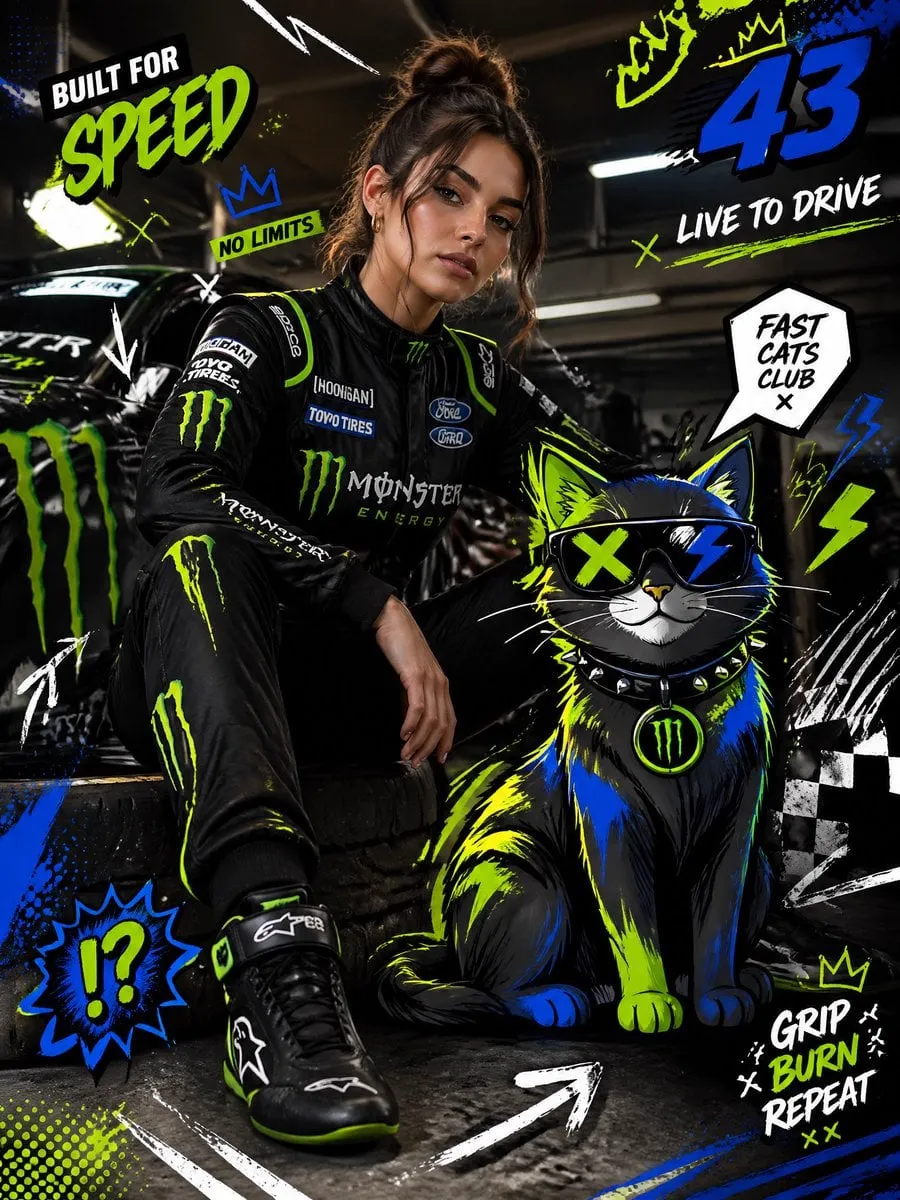

The Shift from Casual Clips to Cinematic Standards
Video marketing has crossed a threshold. For years, the bar for brand video was set by short social clips: fast cuts, captions, and a hook in the first three seconds. That era is not over, but the bar has moved. Audiences are now used to seeing AI-generated footage that looks like it came from a professional studio, and that exposure has changed what they expect from every brand that shows up in their feed. A grainy, static, obviously templated video no longer reads as authentic; it reads as lazy.
This shift matters because attention is the scarcest resource in marketing. The brands that win are the ones treating video as a production discipline rather than a content chore. The tools to reach cinematic quality exist, and they are more accessible than ever. What separates winning teams is not budget but process: knowing how to go from idea to finished spot quickly, consistently, and without burning the whole creative budget on a single asset.
Why Character and Style Consistency Became a Brand Requirement
The most damaging failure in AI video is inconsistency. When a brand ambassador, mascot, or product changes appearance between scenes, the audience loses trust in seconds. It is the visual equivalent of a spokesperson changing faces mid-conversation. For years, this problem made AI video impractical for serious brand work, because every shot regenerated the character from scratch.
The multi-image breakthrough
The fix that changed the industry is multi-image reference. Instead of describing a character in words and hoping the model remembers it, the team generates the character once, locks a set of reference images showing it from multiple angles and in its signature outfit, and feeds those references into every subsequent scene. The model treats the references as the source of truth, so the same face, the same hair, the same wardrobe appear across scenes, lighting changes, and camera moves.
This does more than fix a technical bug. It makes recurring brand assets possible. A mascot, a host, or a product line can appear in a hundred videos and still look like the same entity every time. That consistency is the foundation of brand recall, and it is now achievable without a film crew.
Style sheets as the new brand bible
The practical consequence is that brands now maintain style sheets for their AI content the way they maintain logo guidelines. The sheet defines the character's appearance, the reference images, the approved prompt language, the color palette, and the lighting rules. Every team member and every agency partner generates from the same sheet, which keeps a campaign coherent even when dozens of people touch it.
From Idea to Finished Spot: Integrated Production Workflows
The old AI video workflow was fragmented: write a prompt in one tool, fix the face in another, add music in a third, and edit in a fourth. The friction between steps killed momentum, especially for marketing teams that need dozens of variations. The tools that win are the ones that compress the pipeline.
Concept to rough cut in one session
A modern production loop looks like this: the team writes a brief, generates a storyboard from it, turns each storyboard frame into a motion test, reviews the tests, and only then commits to final renders. Doing this inside a single environment, where the storyboard, the prompts, and the generated clips live together, cuts turnaround from weeks to days. For a campaign that needs to ride a trend while it is still hot, that speed is the entire point.
Editing as part of generation
Another important shift is treating the generated clip as editable material, not as a finished artifact. Integrated tools allow you to extend a clip, change a camera angle, replace an object, or re-render just one section instead of the whole scene. This turns generation from a black box into something closer to a footage library, which is how production teams actually work.
Cutting Cost and Turnaround with Smarter Resource Use
Video production has always been expensive because time is expensive. AI changes the equation, but only if the team manages compute deliberately. The teams that treat every render as a scarce resource, and plan their iterations, produce more at lower cost than teams that generate recklessly and hope for the best.
Match the model to the job
Not every scene needs the most powerful model. Drafts, composition tests, and motion checks can run on fast, cheap tiers. Only the shots that pass review justify premium renders. Teams that enforce this discipline routinely cut their generation budget by half while keeping the final quality identical.
Validate before you invest
The expensive mistake is polishing a scene that should have been rejected at draft stage. A short review gate, checking story relevance, character consistency, and composition before premium rendering, prevents most wasted spend. The same discipline applies to concept: validate the idea with a rough storyboard before generating any final footage.
Iterating Faster with Editable, Reusable Assets
Campaigns rarely succeed with a single video. The winners are the teams that can turn one concept into a family of assets: a hero spot, a vertical cut for social, a silent version for muted feeds, regional variants, and teasers. In traditional production, each variation is a new edit that costs nearly as much as the original. With AI, the cost of variation collapses, because the underlying assets are reusable.
Reuse the character, not just the footage
The real leverage comes from reusing characters and style across campaigns. A brand ambassador created once can appear in a holiday spot, a product launch, and a behind-the-scenes series without a single day of shooting. This is why reference discipline pays off so strongly: the asset base compounds. Every project adds to a library that makes the next project faster.
Personalization at scale
Consistency also unlocks personalization. When the character and style are locked, the team can generate context-specific variants: the same message adjusted for different regions, platforms, or audience segments. Instead of one message broadcast everywhere, the brand can speak to each context without rebuilding the creative from scratch.
Multi-Reference Content: One Campaign, Many Variations
The next stage of the same trend is multi-reference generation: combining multiple visual inputs to create new content. A campaign can feed a product shot, a brand color reference, and a lifestyle image into a single generation, producing output that respects all three sources at once. This is how teams create product demos in exotic locations, place the product in a consistent branded world, or show a character interacting with a specific object, without any of the elements drifting into something unrecognizable.
For marketing teams, the practical use is straightforward. Set up the references once, define the rules for how they combine, and generate a family of assets that all look like they belong to the same campaign. The result is a content system, not a pile of unrelated videos.
What Teams Should Do This Quarter
If the trends point one direction, it is this: video production is becoming a software discipline. The teams that adopt it early will have an advantage that gets harder to catch the longer they wait.
1. Lock your brand assets
Create the reference sets and style sheets for your recurring characters, mascots, and products before you need them. This is the foundation everything else builds on.
2. Build a review gate
Define what "good enough to render" means: story relevance, consistency, composition. Enforce it before expensive iterations.
3. Learn the vocabulary
Train someone on the team in camera language, prompt architecture, and narrative basics. This skill pays for itself in the first campaign.
4. Start small and compound
Run one small campaign end to end, document what worked, and reuse those assets and prompts in the next. The compounding effect of a reusable asset library is the real long-term win.
Platform-Native Formats: One Concept, Many Cuts
The same campaign idea must live differently on each platform. A hero spot built for a website is rarely the right format for a feed, a story, or a search result. Teams that treat platforms as afterthoughts end up posting one video everywhere and watching it underperform in most places.
The production shift is to design the concept once and cut it for each context from the start. Vertical video for social, square for in-feed, silent-first cuts with strong captions for muted browsing, and longer versions for YouTube or site pages. Because AI generation makes variant production cheap, the constraint is no longer budget; it is the discipline of defining each cut's job before generating it.
Captions as a design element
One platform-native skill deserves special attention: captioning. A large share of video is watched without sound, and captions are the difference between comprehension and a scroll-past. Treat captions as part of the design, with readable type, careful timing, and short lines that match the spoken pace. AI tools can generate captions automatically, but the final pass should always be human, because captions that lag or contain errors destroy trust faster than almost any other production flaw.
Measuring and Structuring for the Long Run
Production discipline needs measurement to improve. Define the metric that matters for each asset type before you publish: completion rate for brand storytelling, click-through for performance ads, share rate for social content. Then build a simple review cadence, weekly for active campaigns, that looks at what outperformed and why.
The most useful question is not "did it perform?" but "what does the data say to produce next?" When a hook style, a format, or a character resonates, feed it into the next batch of briefs. When something flops, document the pattern and avoid repeating it. Over a few cycles, the team's own performance data becomes a sharper brief than any outside research, because it reflects the exact audience and platform context the team operates in.
How Teams Should Be Structured
The new production reality rewards small, fast teams with a mix of direction and technical skills. A common shape is: one creative lead who owns the briefs and style sheets, one producer who runs the generation pipeline and the review gates, and one editor who assembles and polishes. That is enough to run a serious content operation at a fraction of the headcount a traditional studio would need.
The critical skill to hire or develop is direction. The person who writes the briefs and reviews the output determines quality more than the person who runs the software. Budget for training, because direction skill compounds across every asset the team produces, while tool proficiency decays as tools change.
Common Objections and How to Answer Them
"AI video looks generic."
Generic output comes from generic prompts and generic processes, not from the technology. Teams that lock a brand identity, maintain reference sets, and direct every scene with intent produce content that reads as theirs. The fix is craft, and craft is learnable.
"Our content is too niche for AI video."
Niche is an advantage, because the audience's expectations are specific and the reference assets can be precise. A technical product, a specialized audience, and a defined visual world are exactly the conditions where consistent, well-directed AI content outperforms generic stock material.
"We tried AI video and the quality was inconsistent."
Inconsistency is the symptom of missing reference discipline. The teams that solve it do the unglamorous work: building the style sheets, locking the character, and reviewing every scene against the identity before approving it. The quality follows the process.
"We do not have time to learn a new production system."
The alternative costs more. A campaign that takes a month with traditional production takes days with a working AI pipeline, and the system compounds: every asset, reference, and prompt makes the next campaign faster. The learning curve is real, but it is a one-time investment with permanent returns.
FAQ
Do we still need a video agency?
Not for every project. In-house teams with AI tools now handle a large share of production that used to require outsourcing. Agencies still add value for strategy, big productions, and brand-level craft, but the bar for when they are needed has moved.
Is AI video quality good enough for paid ads?
For many verticals, yes, especially when the content is consistent, well-directed, and backed by solid brand assets. The failures audiences notice are inconsistency and weak storytelling, not the fact that AI was used.
How do we avoid looking like everyone else using AI?
Consistency and craft. A locked brand identity, a defined style sheet, and disciplined prompts produce output that looks intentional. The generic look comes from generic prompts, not from the technology.
What is the fastest way to test these trends?
Pick one recurring character or product, generate a small campaign with locked references, and compare engagement against your previous video baseline. Measure, iterate, and expand from there.
