
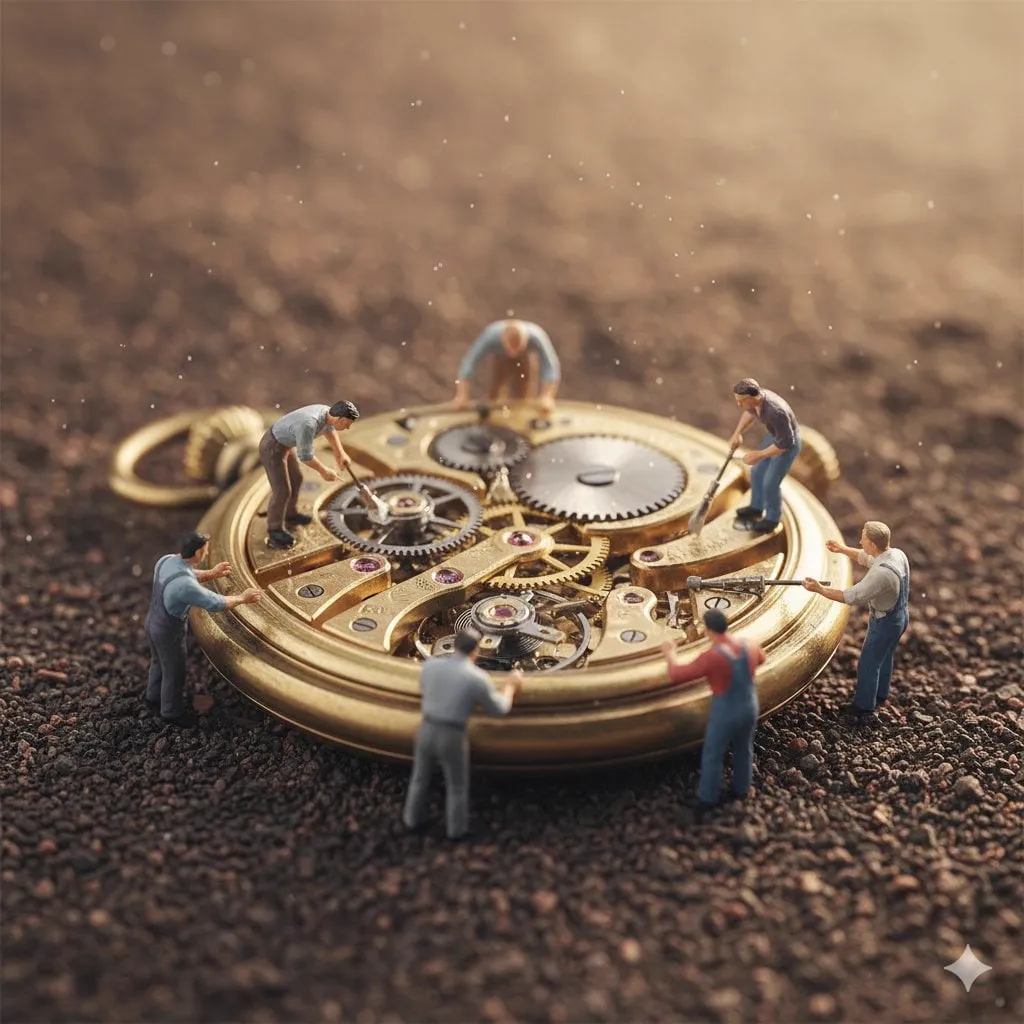
Finding your signature look in a sea of AI video
Every week the internet fills with fresh AI-generated clips, and most of them look interchangeable. The same smooth camera glide, the same glowing highlights, the same generic "generative sheen." Standing out is not about producing more of the same; it is about developing a distinctive visual style that audiences start to recognize before they even read your name. The most reliable way to build such a style is to stop treating a text prompt as your only tool and start combining still images with deliberately chosen models.
This guide explains how to use stills as your creative anchor, how to pick models that reinforce rather than erase your style, and how to weave color, environment, and characters into a consistent visual identity. You will also learn practical workflows for integrating stills with video models, whether you favour realism, animation, or a hybrid look. The goal is to give you control over the look of your video so that your style is intentional rather than accidental.
Why a unique style is worth building
A recognizable style is a kind of visual signature. It tells your audience that a piece of content comes from you, builds trust, and makes your work easier to find and remember in a crowded feed. In an environment where attention is the scarcest resource, consistency of look is a form of branding that works even before your logo appears. It also makes your process more efficient: once a style is defined and captured in reference images, regenerating variants is far easier than inventing a new approach each time.
The economic case is just as strong. Foundational models are widely available to everyone, so the tool itself is no longer a competitive advantage. The advantage lies in the taste, direction, and consistency you apply on top. A creator who can reliably deliver a distinctive, coherent visual world has a durable edge over someone producing impressive but generic clips. Building that identity, and the assets that encode it, is a form of making something your own.
The power of the still image
Using stills as a creative anchor
Stills are the most underrated tool in AI video. A well-chosen still communicates composition, colour palette, mood, and character in an instant, and it gives the video model something definite to preserve. When you generate motion from a still, you are not hoping the model guesses your intent; you are giving it a concrete visual target. This is the foundation of style control, and it is why multi-image workflows, where a reference frame seeds and steers the output, outperform pure text-to-video for consistent work.
There are several ways to use stills. A single reference frame can anchor a character's appearance across multiple shots. A set of reference images can define a consistent environment, colour grade, or lighting scheme. You can also use stills for initial artistic direction: generate a concept still, refine it until it expresses exactly the look you want, and then use it as the seed for motion. This two-step approach, still first, video second, is one of the most effective patterns for style control.
Balancing control and surprise
Stills give you control, but good AI video still needs an element of creative surprise. If you constrain the model too tightly, the motion looks stiff and the frame resembles a moving photograph rather than a living scene. If you give it too little guidance, you lose the style you worked to establish. The craft is in finding the balance: strong enough anchors that the identity holds, loose enough parameters that the motion feels fluid and alive.
A useful tactic is to let the still define the important things, color, character, environment, mood, while giving the model freedom on the dynamic details such as camera movement, secondary action, and incidental pieces. You steer the significant choices and let the tool fill in the micro-decisions. Over time you develop a feel for how much direction each kind of shot needs, and that judgment is exactly what makes your work look intentional.
Choosing models that reinforce your style
When to reach for photorealistic models
Photorealistic video models are the choice when you want believability, tactile detail, and a sense of real lighting and materials. If your style is grounded in realism, your stills should be realistic too, so the model has consistent cues to follow. Photorealism suits brand advertising, product showcases, documentary-style storytelling, and any project where the viewer should believe what they see.
The risk with photorealistic models is that they can pull the output toward a generic "AI-real" look if you are not careful. Anchoring with stills that have a distinct colour treatment, lighting choice, or compositional quirk helps you escape that default. Pay attention to the little details your stills encode, such as a warm color cast, shallow depth of field, or a specific lens look, and express them deliberately so the final video feels authored rather than auto-generated.
Stylized and animated directions
If your identity is more illustrative, animated, or stylized, you have a different set of tools. Models that favor stylization let you build worlds that are clearly not trying to be photoreal, which is often what gives content its personality. Watercolor, painterly, hand-drawn, cel-shaded, retro, or comic-inspired looks are all possible, and each creates immediate differentiation from the mass of realistic generators.
With stylized models, the stills matter even more because they carry the entire visual vocabulary. A single concept still that defines the exact line quality, palette, and rendering of your style becomes a blueprint the model follows. This makes stylized workflow uniquely suited to multi-image reference control: you are teaching the model your world, not just steering one scene. It is also a way to create a signature that competitors cannot easily copy because it is encoded in your own reference assets.
Practical workflows for still and model integration
Establish the reference set first
Whichever direction you choose, start by building a reference set. Gather or generate a small set of images that define your characters, environments, color grade, and mood. Ensure they are consistent with one another, because the model will treat them as the truth about your style. Inconsistent references produce drifting, incoherent output, so invest time here before you begin generating video.
Seed, generate, and review
With a reference set ready, use a still as the seed for each shot. Generate a first pass, then review critically against your style. Is the character recognizable? Is the color grade holding? Is the motion natural? Iterate, changing one parameter at a time, until the look and motion stabilize. Keep the stills that work best and retire the ones that fight your direction.
Compose the sequence
Finally, assemble the approved shots into a sequence and handle the finishing work. Consistent color, matched pacing, and a soundtrack that supports the mood all reinforce the style you built in the stills. The finishing pass is where a collection of good clips becomes a piece of authored content with a clear point of view.
Managing the pipeline for consistency
At scale, you want these steps to be repeatable. Keeping your reference assets organized, saving the prompt settings that produced your best results, and maintaining a small library of proven workflows make it trivial to produce new content that matches your existing style. Consistency across episodes or projects is what transforms a nice-looking clip into a recognizable body of work.
Blending multiple models for a hybrid look
You are not limited to a single model. The modern, powerful approach is to combine them, choosing the right tool for each stage or shot. A common pattern is to generate a photographic still with an image model, then bring that still into a photo-realistic video model for believable motion, or to start stylized and add a painterly pass. Choosing the right model for each stage means you get the strengths of each while minimizing their weaknesses.
This cross-model thinking is what lets you string together a genuinely original workflow. Because each model contributes what it does best, the result is more than any single tool could produce. It is also a way to keep your style distinct: combine tools in an unexpected order and you get a look that nobody else is quite repeating. Document your hybrid recipes so you can reproduce and refine them, turning whatever you invent into a repeatable part of your identity.
Common pitfalls and how to sidestep them
A few mistakes recur when people try to mix stills and models.
The first is skipping references entirely and expecting a text prompt alone to define a complex style. Prompts are weak compared to a concrete image, so always anchor the look. The second is over-constraining the model until motion looks frozen or artificial; leave room for organic movement. The third is using inconsistent references, which causes characters and environments to drift and breaks your style. The fourth is polishing only the first generation, assuming the first pass is the final result, when a couple of careful iterations are what actually unlock quality. Finally, don't ignore the finishing pass; color and sound make or break a conceived stylistic world.
Building a style that lasts
Developing a unique video style is a process, not a one-time event. It starts with identifying the look you want, gets encoded in reference images, and is reinforced every time you generate, review, and refine. Over time you build both the assets and the judgment to produce consistent, distinctive work quickly. That body of recognizable content is what your audience connects with, and it is the thing that sets you apart long after everyone else has adopted the same models.
Color and light as carriers of identity
Two of the strongest levers for a distinctive style are color and light. The human eye responds to these before it registers subject or composition, which is why a strong color identity is so memorable. A warm, sun-drenched palette says something instantly different from a cool, desaturated one. When you anchor your stills with a deliberate color grade, that grade tends to carry through to the motion, giving your entire body of work a coherent visual temperature.
Think about lighting the same way. Harsh, high-contrast lighting signals drama and energy, while soft, diffused light feels calm and inviting. The way light falls on your subject, the shadows it casts, even the time of day you imply, all contribute to the mood viewers absorb. Because these choices are encoded in your reference images, the model reproduces them shot after shot, which is exactly what makes your work recognizably yours. If you want your style to include a signature color accent or a habitual lighting treatment, make it central to your references rather than a subtle afterthought.
Building a small look library
Over successive projects, assemble a small collection of look archetypes that you know work: a corporate-plain palette, a cinematic teal-and-orange scheme, a soft pastel world, a high-contrast monochrome, a warm editorial glow. Storing each as a reference set with a name and a few settings lets you reuse and combine them at speed. This library is the practical form of your style; it makes consistency reliable and rapid, and it lets you offer clients or audiences a predictable, familiar visual language even across many pieces.
Finding the style that is genuinely yours
A distinctive style rarely appears fully formed; it is usually assembled from influences. Study the work you admire, in film, animation, photography, advertising, and identify the specific traits you respond to: the way a director frames, the palette of a favorite photographer, the line quality of an illustrator. Then isolate those traits and test how they translate into your reference stills. Combining a few honest influences into a coherent treatment is far more likely to feel original than copying a single source wholesale.
Experimentation is the engine of this discovery. Generate concept stills across different treatments, save the ones that surprise you, and interrogate why they work. Over time, patterns emerge, and you begin to recognize your own taste. This is where a creative director's eye becomes a real advantage: you are not just chasing the latest model look but deliberately shaping a visual voice that belongs to you. That voice, once established, is what your audience is really responding to.
Turning your style into a body of work
A style becomes valuable when it is carried consistently across many pieces, not applied to a single video. Build a workflow that lets you reuse your references and recipes, keep a record of what produces your signature look, and resist the pull to abandon it for every new trend. There will always be a newer model or a flashier default, but consistency is what lets your work accumulate into something recognizable. Audiences connect with a coherent visual world they can identify at a glance, and that recognition is the deepest form of creative capital in a field where everyone has access to the same models.
The tools for AI video will keep changing, but the underlying craft of using stills to anchor a deliberate vision, choosing models to reinforce it, and combining them in original ways will remain. Masters of that craft produce work that looks authored, and that is as close to a lasting advantage as you can build in a fast-moving creative field.
FAQ
Why use a still image at all if I can write a prompt? A still is far more specific than a prompt. It communicates color, composition, character, and mood directly, and gives the video model a concrete visual target, which is the most reliable path to consistent style.
Can I mix photorealistic and stylized looks? Yes. Combining models lets you use each where it excels, sometimes creating wholly original looks. Document your recipes to reproduce them reliably.
How do I keep my style consistent across many videos? Build and reuse a reference set, keep the prompt settings that work, and follow a repeatable workflow. Consistency across episodes is what turns clips into a recognizable body of work.
How much direction should I give the model? Anchor the important choices with stills and parameters, then allow freedom on dynamic details so the motion feels alive. Finding that balance is the core of the craft.
Do I need expensive tools to start? No. Begin with a reference image and a capable model, refine the concept still first, and generate short test clips. Invest in scale and pipeline complexity only once you need consistency across volume.
