
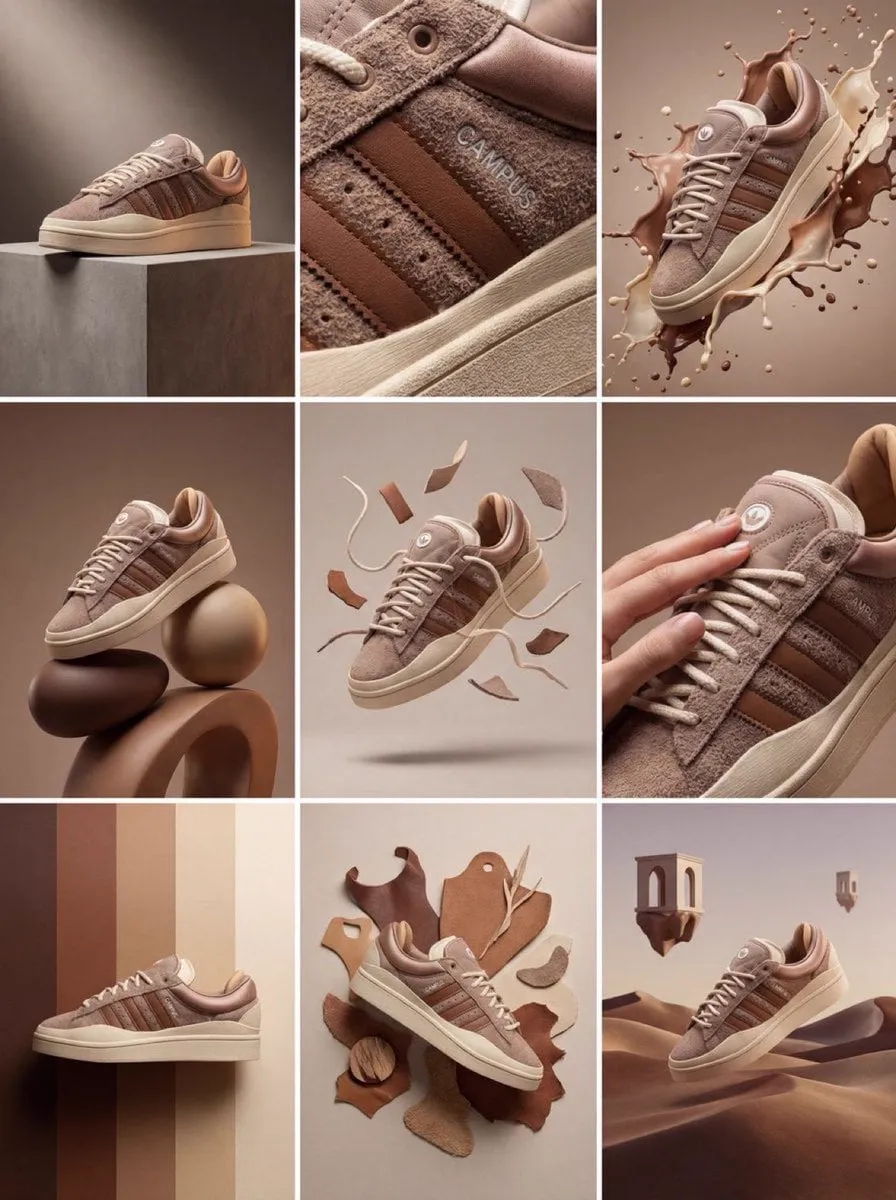
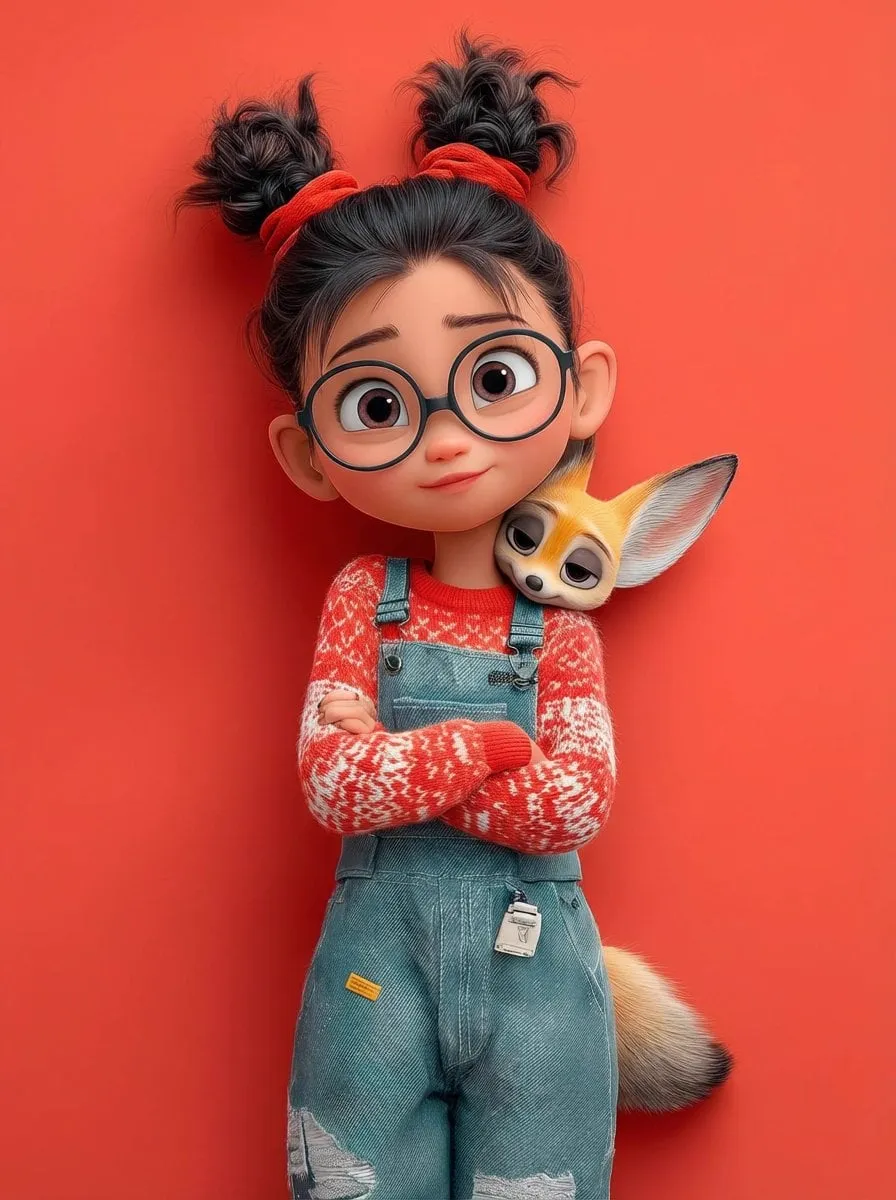
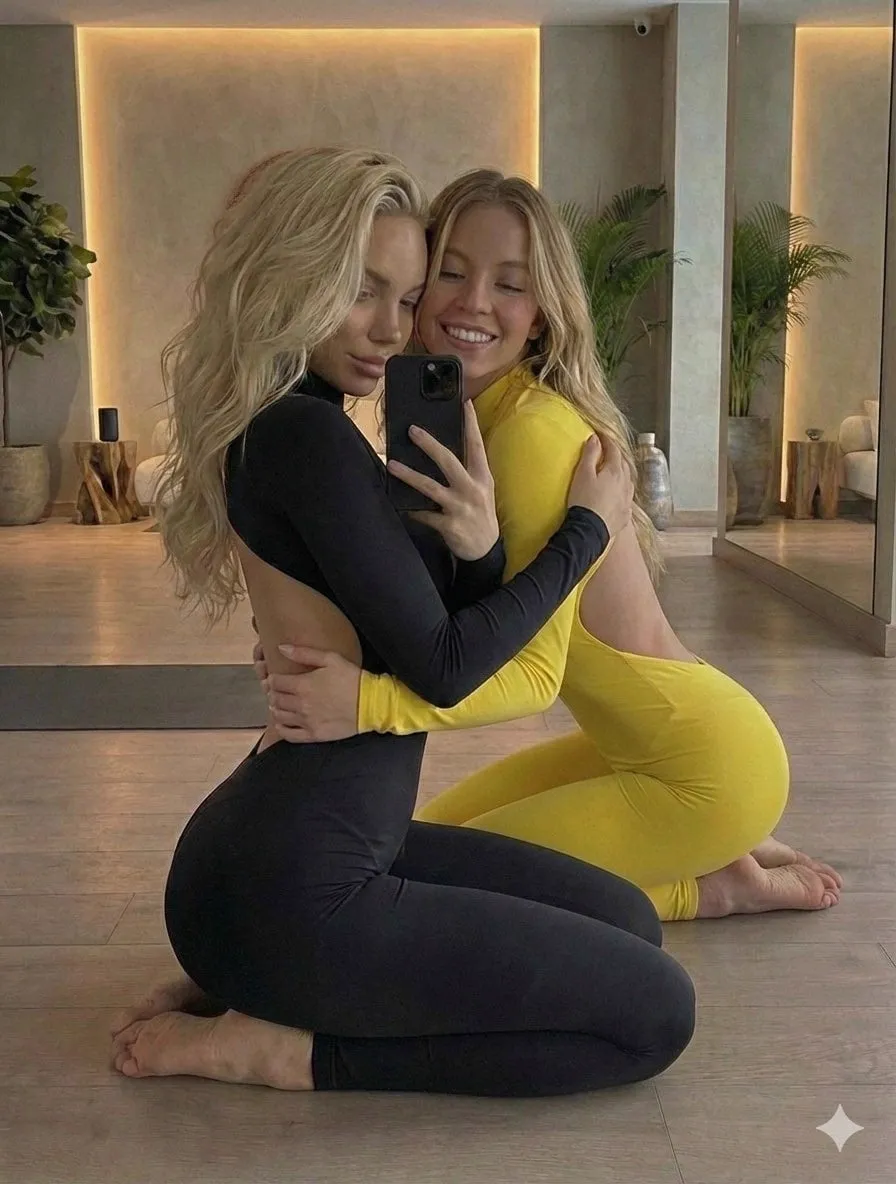
The most frustrating moment in an AI video project is when the character changes face between shots. The first scene looks perfect, and the second scene has a subtly different nose, a different jacket, and lighting that belongs to another world. This is style drift, and it is the reason many creators still hand-assemble every shot instead of trusting a model to carry a whole scene. Multi-image fusion is the technique that fixes it. Instead of asking a model to imagine a character or a style from a single description, you give it a set of reference images and let it fuse them into a stable identity. This article explains how multi-image fusion works, why single references fail, and how to build a workflow that keeps style consistent across an entire video.
The consistency problem in AI video
Generation models are brilliant at single images and short clips. Ask for one beautiful frame and the result is often stunning. Ask for twenty frames of the same character, in the same world, and the model starts to drift. Faces change, colors shift, and objects morph between shots. The problem is not a lack of talent in the models; it is that each generation starts from a slightly different interpretation of the prompt.
For short-form social clips, drift is tolerable because the viewer never sees the character long enough to notice. For anything longer — a narrative piece, a brand film, a series of product videos — drift breaks immersion and destroys the professionalism of the work. The audience does not need to know why it feels wrong; they just feel it. That is why consistency tools have become the most valuable part of the AI video stack.
The cost is not only artistic. Every drifted scene is a regenerated scene, and every regeneration costs time and money. A thirty-scene project that drifts on half its scenes can double its production budget before anyone notices the pattern. Consistency is therefore a budget problem as much as a creative problem, and solving it early is one of the highest-ROI moves in AI production.
What multi-image fusion means
Multi-image fusion is the practice of feeding several reference images into a generation as a single conditioning signal, rather than relying on one image or one text prompt. The model analyzes the set, extracts the stable features — the face, the proportions, the wardrobe, the color palette — and uses them to ground every new generation.
The name comes from the idea that the references are fused into a shared representation. A single photo captures one angle and one expression. A set captures the identity underneath: how the person looks from the front, the side, and at different distances, how the character moves, what the costume actually looks like from behind. The model uses the overlap between the images to separate what is essential from what is incidental.
Fusion works for style as well as identity. A set of reference frames showing the same grade, the same lens feel, and the same palette teaches the model what "this project looks like," so scenes generated at different times still feel like they belong to one film. Think of the reference set as the project's visual constitution: everything that follows is checked against it.
Why single references fail
One reference image seems sufficient, and for a single shot it often is. The failure appears on the second shot. The problem is that a single image is ambiguous. It does not tell the model which features are the character and which are the lighting, the angle, or the expression. When the next prompt asks for a different scene, the model reinterprets the image and drifts.
A text prompt has the same weakness in a different form. Words cannot fully specify a face or a costume. Two different models reading the same prompt will produce two different characters, and even the same model will drift between generations. The reference set solves this by providing dense, unambiguous information that words cannot carry.
There is a second, subtler reason single references fail: they overfit. When the model leans on one image, it tends to reproduce that image's pose, lighting, and composition in every output, which makes the character look pasted into each scene rather than living in it. A reference set gives the model enough information to keep the identity without copying the pose.
How fusion keeps style intact
Character identity across shots
With a good reference set, the character becomes an asset rather than a byproduct. You lock the set, and every scene inherits the same face, the same build, and the same wardrobe. The practical result is that a character can move through a location change, a time change, or a lighting change without turning into a different person.
Lighting and color cohesion
Fusion also stabilizes the world. If the reference set includes consistent color grading, the model tends to reproduce it, which means scenes generated days apart still feel like the same film. This is especially valuable for brand work, where a recognizable look is part of the product.
The modular approach to style control
Some workflows take the fusion idea further and treat style as a modular system. Think of each element of the look as a block: the character, the environment, the lighting, the texture, the color grade. Each block can be defined by its own references and combined per scene. This is where the "pixel" metaphor comes from: the final image is assembled from controllable pieces rather than generated wholesale.
The advantage is surgical control. If the lighting feels wrong in scene three, you swap the lighting block without regenerating the character. If the character needs a costume change, you update the wardrobe reference and keep everything else. Modular control makes iteration cheaper because you fix one variable instead of re-rolling the whole scene and hoping for the best.
Modularity also helps teams. One person can own the character block, another the environment, another the grade. Each block is reviewed independently and combined in a shared session, which keeps the workflow parallel instead of serial. For solo creators, the same discipline applies: define the blocks once, and every scene becomes a simple assembly.
Practical rules for choosing reference images
The quality of the reference set determines the quality of everything that follows. These rules prevent the most common mistakes.
Cover the subject, not just the face. Include front, side, and three-quarter views, plus a full-body shot. The model needs the whole subject to keep proportions and wardrobe consistent.
Cover the costume and props. If the character carries an object or wears a distinctive item, include a reference that shows it clearly. The model will otherwise invent a new version of it in every scene.
Include expression and action shots. A character defined only by neutral expressions will render emotionally flat. Add one or two expressive references so the model knows the range it can use.
Keep the set internally consistent. References shot in different lighting, different wardrobe, or different styles confuse the model and produce unstable output. When in doubt, regenerate the set until it looks like one character photographed in one session.
Version the set. When the character changes — new outfit, new hairstyle — create a new version of the reference set instead of editing the old one. You will need the old version if you return to earlier scenes.
Working with different generation models
Not every model supports fusion equally. Some expose reference-image conditioning directly, some support image-to-video with multiple input frames, and some only accept a single image. The practical approach is to design the workflow around the models you have:
- For models with strong reference support, build the full reference set and rely on it.
- For models with weaker support, pre-generate a consistent still of each scene using fusion, then animate that still with an image-to-video model. This two-step approach works everywhere and gives you a checkpoint to review before any motion is generated.
- For text-heavy models, keep the prompt vocabulary locked: same lighting words, same camera words, same color words in every scene.
Before the project starts, run a small test matrix: take one reference set and generate the same scene with each model you plan to use. Record which models preserve the identity best and which drift. The matrix takes an hour, and it saves days of mid-production surprises. The goal is not to use one tool for everything, but to use each tool where it is strongest while keeping the visual thread intact.
From concept to coherent clip: a workflow
Establishing the reference set
Start before you generate anything. Decide the character, the world, and the look, and build a reference set for each. Generate several stills, review them together, and pick the set that is stable and appealing. This step is boring, but it is where the project is won or lost. A weak reference set produces drift no matter how good the models are.
Iterating scene by scene
Generate each scene with the reference set as grounding. Review every output against the reference, not just on its own merits. A scene can look beautiful and still be wrong because the character's eye color shifted. Check identity first, composition second, beauty third. Keep the scenes that pass, and regenerate the ones that drift with small, targeted changes rather than rewriting the whole prompt.
Compositing into a final edit
The final assembly is where the work pays off. Because each scene is grounded in the same references, the edit flows without jarring changes. If a cut still feels off, the fix is usually small: a color grade pass, a transition, or a music change, rather than a regeneration.
Keep a project log as you go: which references were used, which prompts passed, which failed and why. The log is boring to write and invaluable three weeks later when you return to the project with fresh scenes to add.
Common pitfalls and fixes
Drift on the third scene. Your reference set is probably too small or too inconsistent. Add more angles and re-lock the set.
Colors shift between scenes. The model is not inheriting the grade. Add a graded still to the reference set or apply a uniform grade in post.
The character looks stiff. Consistency tools can lock identity so hard that they kill expression. Use expression references in the set and vary the prompt's emotional words between scenes.
Everything matches but the video is boring. Consistency is necessary, not sufficient. Once the technical problem is solved, the creative work — pacing, story, emotion — still has to happen in the edit.
The model ignores one reference. Some models weight references unevenly, favoring the first or the largest image. Reorder the set, crop the ignored reference to emphasize the important area, and test again.
Two characters in the same scene merge. This is a hard case. Generate each character separately, then composite the shots in post, or use a model that explicitly supports multi-subject conditioning. Do not expect one prompt to manage two identities reliably.
FAQ
How many reference images should I use? Three to six is a good range. More images add stability but also more constraints, which can reduce the model's creative freedom. The right number depends on the model and the complexity of the character.
Can fusion preserve a real person's likeness? Yes, with the same caveats as any likeness use: you need the person's consent, and you should check the terms of the tools you use. For brand and commercial work, documented consent is essential.
Does fusion work for non-human subjects? It works for any subject with a stable identity: products, mascots, vehicles, environments. For products, a small set of studio shots is usually enough.
Is this technique compatible with style transfer? Yes. Fusion stabilizes the identity, and style transfer changes the rendering. The two complement each other: fuse the character, then apply the style.
Do I need a powerful GPU for fusion workflows? Most of the heavy lifting happens in the cloud. Your computer mainly needs to handle the editing and the reference management.
How do I know my reference set is good enough? Generate the same scene twice with the same set. If the two outputs look like the same character in the same world, the set is solid. If they drift from each other, improve the set before continuing.
