

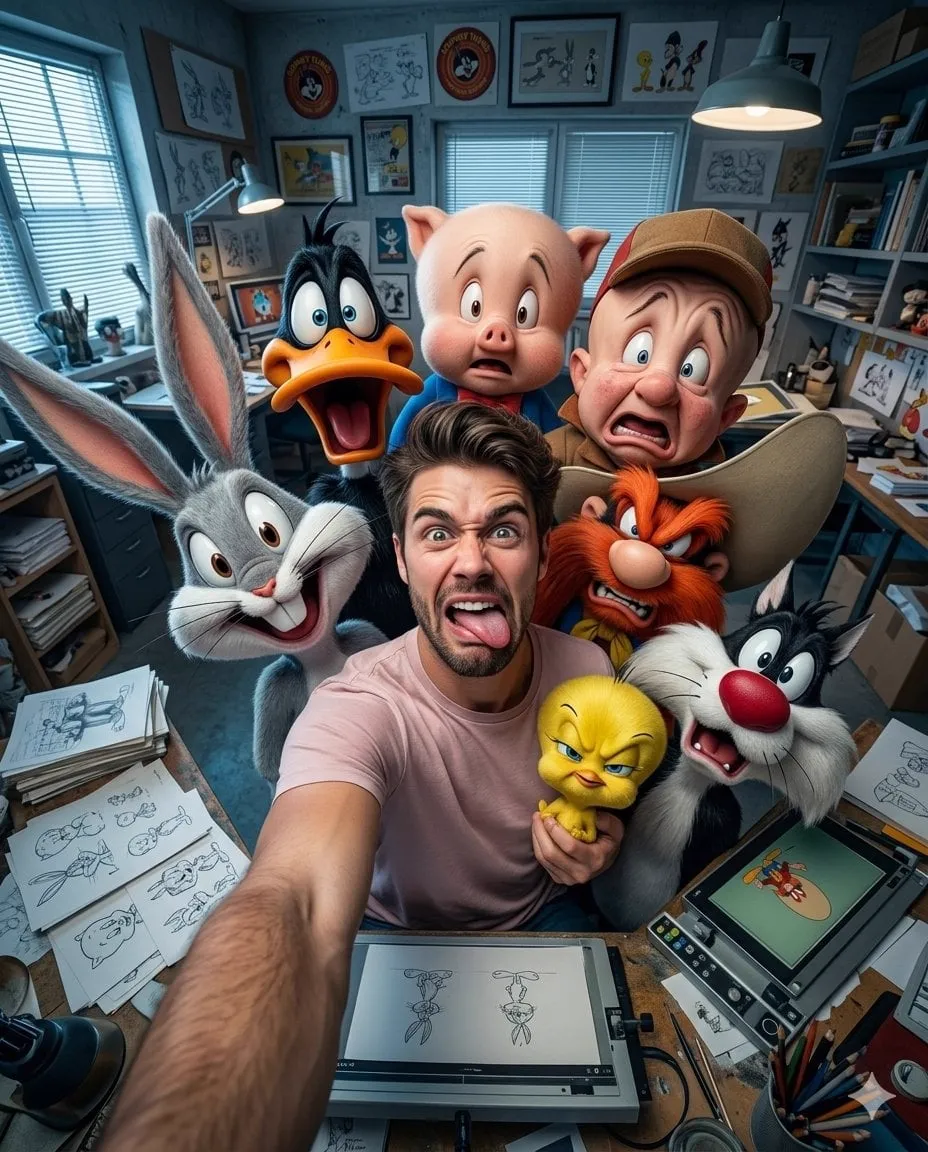
Short-form video is no longer an option in the marketing playbook — it is the backbone. Instagram Reels and TikTok have become the primary discovery engines for brands, creators, and even local businesses, and the demand for fast, high-quality, genuinely fresh short clips has exploded. In 2025, the tools that win are the ones that combine speed, consistency, and the ability to match what the algorithms currently reward.
This guide covers the best tools and strategies for creating viral short clips for Instagram and TikTok in 2025: how the platforms' algorithms think, which AI models produce the most engaging footage, how to keep characters and products consistent, and how to build a repeatable workflow from idea to published reel.
What the Algorithms Actually Reward
Before choosing tools, understand the target. Instagram and TikTok algorithms share a core logic: they show content to a small audience first, measure the engagement rate, and then decide whether to expand the reach. The practical consequences for creators:
- The first three seconds decide everything. If the hook fails, nothing else matters.
- Visual quality matters, but novelty matters more. The algorithm rewards content that looks different from the thousands of clips in the same niche.
- Completion rate is a top signal. Videos that hold viewers to the end get pushed harder.
- Native, consistent posting beats sporadic bursts. Volume with quality compounds.
This means the winning strategy is not "make one amazing video." It is "make a reliable stream of above-average videos that look fresh, hook fast, and hold attention." That is exactly what the current generation of AI tools is designed to support.
The Rise of AI-Powered Short-Form Platforms
The short-form tool market has consolidated around AI-native workflows. In 2025, the distinction between "video editor" and "AI generator" has blurred: the best tools now handle ideation, generation, assembly, captions, and even sound in one pipeline.
The defining trend is model selection. No single model is best for every clip. The leading platforms expose a library of models — each with a different personality — so creators can match the visual engine to the content type:
- Photorealistic models (the Flux series, OpenAI Sora) for product shots, lifestyle content, and anything needing physical realism.
- Cinematic models (Runway Gen-4, MiniMax Hailuo) for brand content, ads, and narrative clips with expressive characters.
- Fast, affordable models (Luma Ray 2, Pika, and distilled variants) for volume production, trend-chasing, and iteration.
- Asia-focused models (Kling, PixVerse) for strong motion control, multilingual prompts, and regional visual culture.
The creators who win are the ones who treat the model library as a toolkit rather than a single hammer.
The Hook: Designing the First Three Seconds
The hook is the highest-leverage element of a short clip, and AI changes how you can approach it. Because generation is cheap and fast, you can test multiple hooks for the same video concept and keep the strongest.
Effective hook patterns in 2025:
- The visual hook: an unexpected image, a striking transition, or a hyper-detailed close-up that stops the scroll.
- The text hook: a bold caption overlaid in the first frame that promises a specific outcome.
- The motion hook: an aggressive camera move — a fast push-in, a whip transition — that creates visual momentum.
- The pattern interrupt: a clip that looks like one thing for a second, then reveals it is something else.
With AI tools, you can generate five variations of a hook in minutes and choose the best, instead of shooting and reshooting. That is a genuine structural advantage.
High-End Models for Algorithm-Friendly Production
For content that needs to look technically excellent — high frame rate, cinematic resolution, precise motion — the premium model families matter. Runway Gen-4 sets the standard for style and character consistency, which is why agencies use it for client campaigns. OpenAI Sora brings physical realism that makes generated scenes feel like real footage. The Flux series delivers photorealistic keyframes that anchor a video's visual identity.
These models are not cheap, and they are not fast. Use them strategically: for hero content, for the first few seconds that determine the hook, and for any shot where a viewer's eye will linger.
Cost-Effective Models for Volume Production
The flip side of the strategy is volume. To post consistently, you need clips that cost little and render fast. Distilled and turbo variants of the major models fill this role: they keep most of the visual quality at a fraction of the cost and render time.
The efficient workflow uses both tiers: fast models to explore angles, test hooks, and fill out the content calendar; premium models for the hero shots that define the channel. Cost per publishable clip, not cost per render, is the metric that matters.
Consistency: The Multi-Reference Advantage
The single biggest quality problem in AI short-form is inconsistency: the same character or product looks different in every shot. On platforms where a recurring presenter or product defines your brand, this is fatal.
The fix is reference-based generation. Provide one or more reference images of the character or product, and the model maintains visual identity across scenes. Multi-image fusion and keyframe control take this further, letting you lock not just a face but a style, a color palette, or a specific outfit.
Build a reference library for every recurring element in your content. The library becomes a reusable asset: every new clip inherits the established identity, and consistency stops being a per-shot gamble.
The Director Assistant: From Prompt to Storyboard
A significant shift in 2025 is the emergence of AI "director" assistants that guide the creative process rather than just rendering a prompt. These systems help with storyboarding, scene composition, framing, and narrative sequencing based on what has historically performed well.
For a creator, the value is concrete: instead of manually deciding every shot, you describe the video's goal and the assistant proposes a structure — hook, development, payoff — with specific visual directions for each segment. You keep creative control, but the decision load drops sharply.
A Repeatable Workflow: From Idea to Published Reel
Here is a workflow designed for consistent weekly output:
- Trend scan: spend fifteen minutes reviewing the explore and For You pages in your niche. Note repeated motifs, sounds, and formats.
- Idea list: write ten video ideas as single sentences. Each should have a clear hook concept and a target audience.
- Hook testing: generate three to five hook variations per idea using fast models. Keep the strongest.
- Full generation: render the chosen hooks at higher quality, with reference images attached for recurring subjects.
- Consistency check: review all shots against the reference library before finalizing.
- Assembly: add captions, sound, and transitions. Match the platform's preferred aspect ratio and duration.
- Schedule and publish: post consistently, at the times your audience is active.
- Measure and iterate: track engagement per video and feed the winners back into next week's ideas.
The system turns content creation from a series of inspired moments into a managed pipeline — which is what consistent growth actually requires.
Frequently Asked Questions
How many videos should I publish per week?
Consistency beats volume spikes. Three to five well-made clips per week outperform twenty rushed ones. The number that matters is the one you can sustain for months.
Do I need expensive tools to start?
No. Start with free tiers and fast models, learn the workflow, and upgrade when volume justifies the cost. Most creators waste money by buying premium plans before the pipeline works.
How important is the hook really?
It is the most important element. The algorithm measures whether viewers stay after the first few seconds, and the hook determines that. Spend more time on hooks than on any other single element.
Can AI-generated clips go viral?
Yes. Viral success depends on the idea and the hook more than the production method. Many of the fastest-growing channels in 2025 are entirely AI-produced.
Should I use the same model for everything?
No. Match the model to the job: fast models for iteration and volume, premium models for hero content, specialized models for consistency and specific visual styles.
What is the biggest mistake new creators make?
Copying successful creators without adapting the idea to their own niche and audience. The tools make production easy; the strategy still comes from you.
Platform-Specific Playbooks: Instagram vs TikTok
The two platforms share an algorithm philosophy but reward different execution details. A clip that works on TikTok can underperform on Reels, and the gap is usually not the content itself but the formatting and pacing.
TikTok Playbook
TikTok favors native, in-the-moment content. Vertical 9:16 video, fast pacing, and text overlays that match the platform's font culture perform best. The first second often works hardest: TikTok users swipe quickly, and the algorithm heavily weights early retention. Use trending sounds as a discovery signal — clips built around popular audio gain an initial push. Captions should be short, direct, and slightly conversational. AI-generated clips work well here when they look like captured moments rather than polished ads.
Instagram Reels Playbook
Reels rewards polish and shareability within the follower graph. The same vertical format applies, but Reels audiences tolerate slightly slower pacing and value aesthetic coherence — a consistent color grade, a recognizable creator style, or a distinctive visual hook. Reels also respond to longer engagement: captions that invite comments, polls, or questions perform better. For brand content, Reels is often the better home for premium, cinematic AI output because the audience expects higher production values.
The practical move is to design for the platform you publish to first, then adapt. Build the core clip once, then re-cut the hook, pacing, and captions for the second platform.
Sound and Captions: The Hidden Performance Levers
Two elements are easy to neglect and hard to overstate: sound and captions.
Sound
Most short-form video is watched with sound off initially, then with sound on if the visual hook works. That means the sound design has two jobs: it must not hurt the first impression, and it must reward viewers who unmute. AI music generation can match a clip's mood, but the trend-sound strategy still matters on TikTok: clips built around currently popular audio get algorithmic support. Use trending sounds when they fit the content, and original or AI-generated sound when you want a distinctive brand identity.
Captions
On-screen captions are close to mandatory for reach. A large share of viewing happens muted, and platforms caption and transcribe automatically — but auto-captions are often wrong, especially for niche terms. Generate captions deliberately, keep them short, and place them where they will not be covered by the platform's UI elements. Captions also function as a retention tool: viewers read faster than they listen, and well-timed caption pacing keeps them engaged.
Measuring What Works
Production speed is meaningless without feedback. The feedback loop is the part of the system that compounds: every clip teaches you something about your audience, and the learnings feed directly into the next round of ideas and prompts.
Track four metrics per clip:
- Retention in the first three seconds: tells you whether the hook works.
- Average watch time: tells you whether the body holds attention.
- Engagement rate (likes, comments, shares): tells you whether the content resonates emotionally.
- Completion or rewatch rate: tells you whether the ending lands.
Review these numbers weekly, not per clip. Patterns emerge slowly; a single video's numbers are noise. When a pattern repeats across three or more clips — a hook style that consistently holds, a topic that consistently fails — that is signal, and the prompt library should change accordingly.
Frequently Asked Questions
How many videos should I publish per week?
Consistency beats volume spikes. Three to five well-made clips per week outperform twenty rushed ones. The number that matters is the one you can sustain for months.
Do I need expensive tools to start?
No. Start with free tiers and fast models, learn the workflow, and upgrade when volume justifies the cost. Most creators waste money by buying premium plans before the pipeline works.
How important is the hook really?
It is the most important element. The algorithm measures whether viewers stay after the first few seconds, and the hook determines that. Spend more time on hooks than on any other single element.
Can AI-generated clips go viral?
Yes. Viral success depends on the idea and the hook more than the production method. Many of the fastest-growing channels in 2025 are entirely AI-produced.
Should I use the same model for everything?
No. Match the model to the job: fast models for iteration and volume, premium models for hero content, specialized models for consistency and specific visual styles.
What is the biggest mistake new creators make?
Copying successful creators without adapting the idea to their own niche and audience. The tools make production easy; the strategy still comes from you.
How do I find trending sounds and formats?
Spend fifteen minutes a day in the explore and For You pages of your niche, and keep a running list of recurring sounds, formats, and visual motifs. Platforms change fast; the research habit is the only reliable source.
What aspect ratio should I use?
Vertical 9:16 for TikTok and Reels, 1:1 or 4:5 for in-feed Instagram posts, and 16:9 for YouTube Shorts alternatives that appear on desktop. Export the platform-native ratio rather than cropping a horizontal master.
Can one clip serve both platforms?
Rarely without changes. Re-cut the hook and pacing for each platform and adjust captions to match platform conventions. The core footage can be shared; the cut should not be.
