
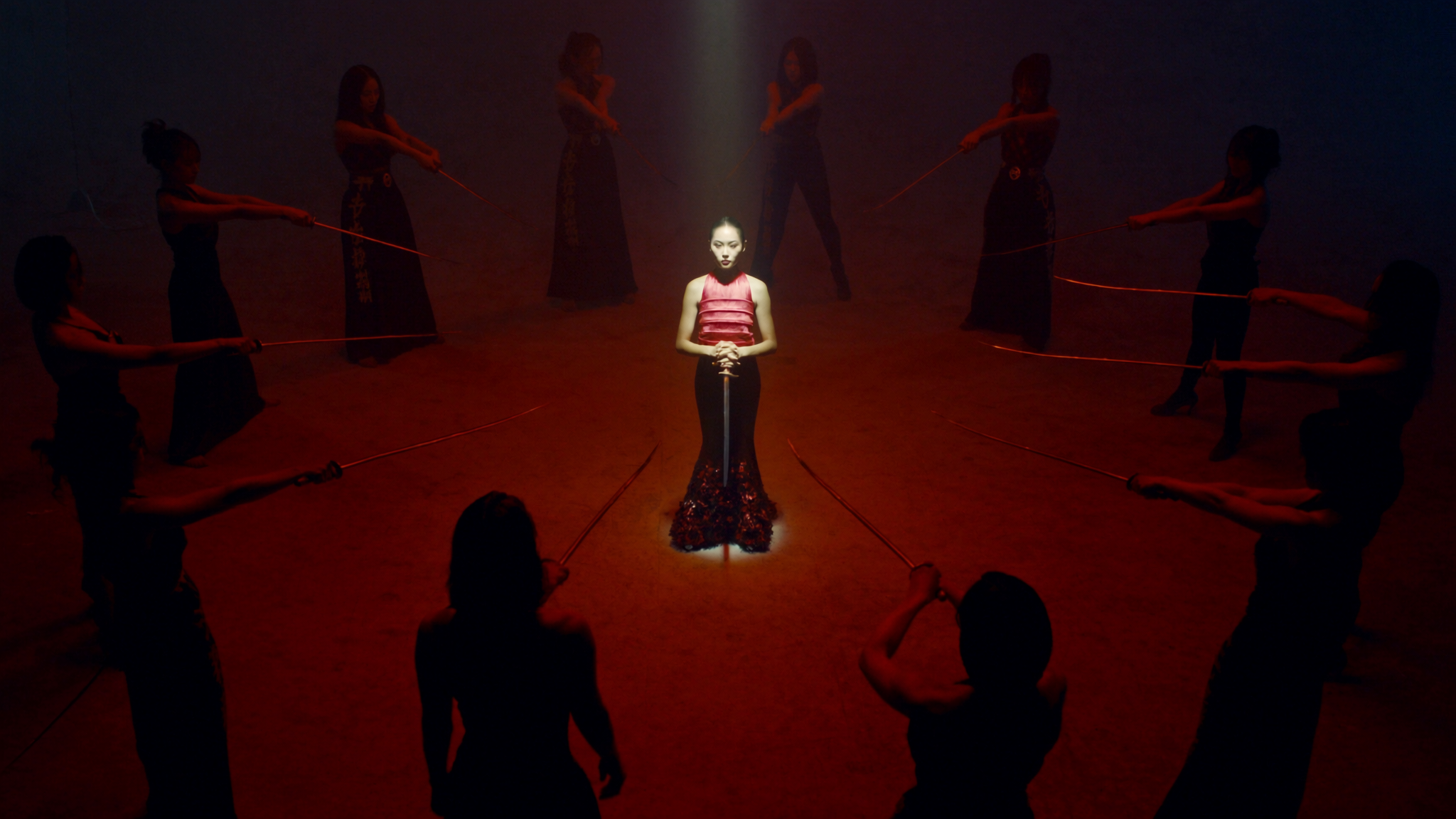
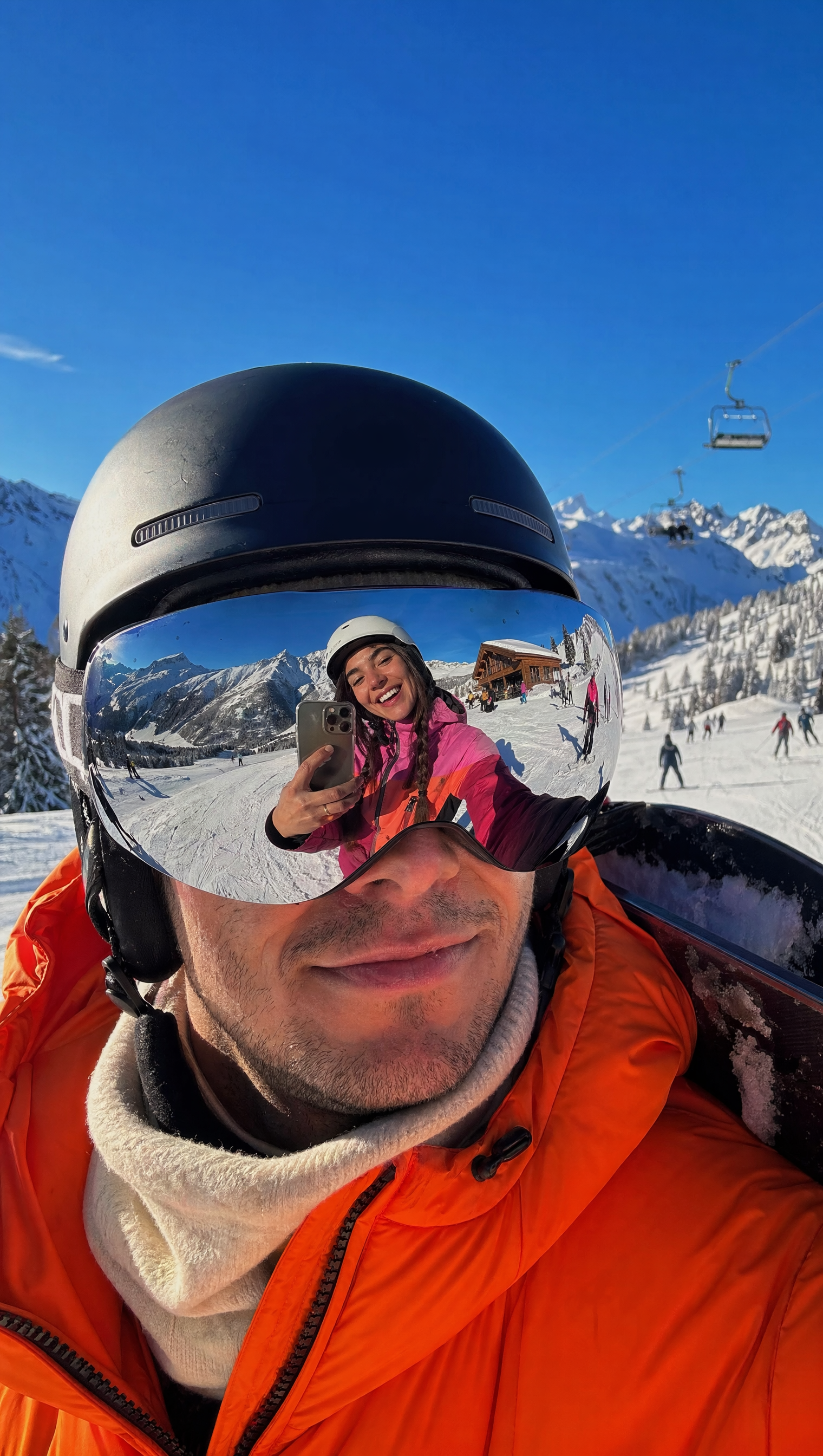
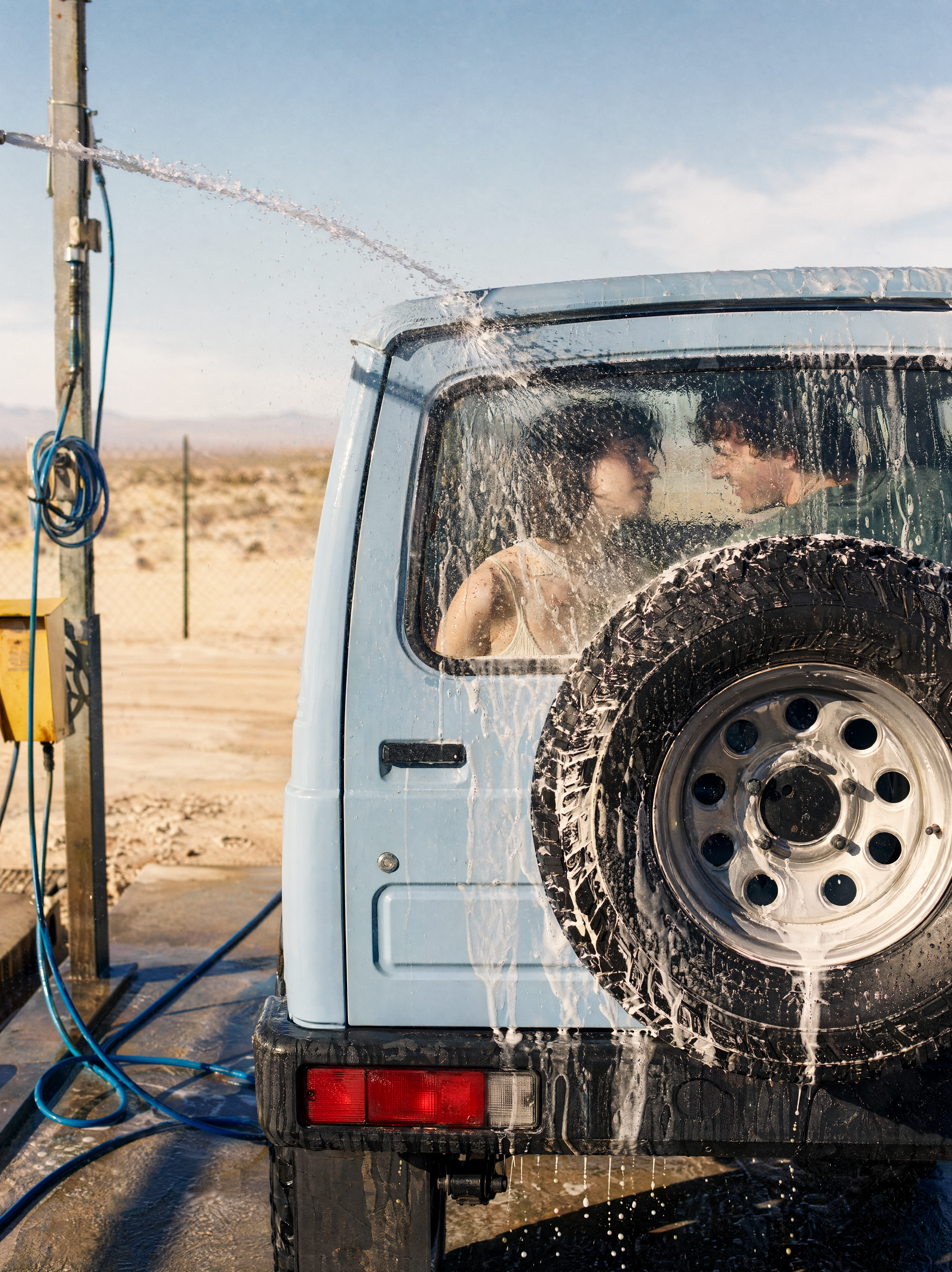
Introduction
Every creator wants to crack the viral code. They study hooks, pacing, trends, and hashtags — and then wonder why the video that should have exploded barely moved. The answer is often hiding in plain sight: the camera. Before the algorithm decides whether to push your video, the viewer has already decided whether to keep watching, and that decision is shaped by how your shots make them feel.
Low-angle cinematography is one of the most reliable emotional tools in filmmaking, and in the era of short-form video it has become a secret weapon for creators who understand it. A well-placed low-angle shot makes a subject feel powerful, monumental, and impossible to ignore — exactly the feeling you want in the first three seconds of a scroll-stopping video. This guide breaks down what low-angle shots are, why they work psychologically, how to use them across genres, and how to combine them with AI video tools for maximum impact.
What a low-angle shot really does
A low-angle shot places the camera below the subject, pointing upward. It is the opposite of the everyday eye-level view we are used to, and that difference is precisely what makes it powerful. Because we rarely see the world from below, the shot feels dramatic by default.
Psychologically, low angles trigger a primal response. Looking up at a subject activates associations with power, authority, and scale — think of statues, monuments, and heroes framed against the sky. When you film a person from below, they instantly read as stronger and more commanding. When you film a building from below, it feels taller and more imposing. When you film a product from below, it feels more premium and substantial.
This is not a subtle effect. Study after study in visual perception shows that camera angle directly influences how viewers judge a subject's dominance and attractiveness. A creator who understands this has an unfair advantage: they can manufacture power and presence without a single word of dialogue.
Why low angles matter in 2025
Short-form video has made attention the scarcest resource on the internet. Platforms are saturated, and the average creator competes with millions of others for a few seconds of focus. In this environment, emotional impact per frame is everything — and low-angle shots deliver outsized impact for almost zero extra effort.
There is also a technological angle. Generative AI video has democratized cinematography: creators can now direct virtual cameras with text prompts, creating complex shots that would have required cranes and dollies on a real set. The same psychological principles that govern real cameras apply to virtual ones, which means knowing how to frame a low-angle shot gives you direct control over AI-generated video too.
The demand for production value has never been higher. Audiences are trained by streaming-quality content, and they can smell amateur framing instantly. Mastering a few deliberate, expressive camera techniques — starting with the low angle — is the fastest way to make AI-assisted content feel professionally directed.
Using low angles across viral video genres
Fitness and transformation content
Low angles make physiques look larger and more imposing. Fitness creators use them for reveal shots, posing sequences, and before-and-after comparisons. Filming from below also cleans up the background — the sky or ceiling replaces a cluttered room — which keeps the frame focused on the subject.
Fashion and street style
Fashion content is built on making clothing look good, and low angles elongate the silhouette. A subject filmed from slightly below reads taller and leaner, which flatters almost any outfit. The technique is a staple of street style videos, where the camera sits near the ground and the subject walks toward it with confidence.
Automotive and product content
Cars, bikes, and tech gadgets all benefit from low angles. A car filmed from bumper level looks aggressive and powerful; a smartphone filmed from table level looks sleek and expensive. Product creators use low angles in hero shots — the moment where the product is revealed or transitions — to create a sense of importance.
Dance and performance
Dancers are often filmed from a low angle to emphasize power and height in jumps. The upward perspective makes movements read bigger, and the framing naturally includes the performer's full range of motion against a clean background.
Storytelling and skits
In narrative content, low angles establish character. The villain revealed from below looks more menacing; the protagonist standing up to a challenge looks more heroic; the child in an empowering moment looks taller than they are. Comedy uses the same shot for parody — filming something mundane from a "heroic" angle is inherently funny.
The variants of the low-angle shot
The slight low angle
A camera just below eye level, angled gently upward. This is the workhorse: it adds authority and flattering proportions without feeling extreme. Use it for interviews, talking-head content, and product hero shots where you want presence without melodrama.
The worm's-eye view
The camera sits at ground level or below, pointing almost straight up. This is the maximum-impact version: subjects appear towering, buildings scrape the sky, and everyday objects become monumental. It is dramatic, memorable, and perfect for openers and transitions — but use it sparingly, because its intensity wears off fast.
The moving low angle
The camera stays low but moves: tracking alongside the subject, pushing in during a reveal, or circling during a dramatic moment. Movement adds kinetic energy to the power of the low angle, and in AI-generated video, a moving low-angle shot is one of the most cinematic prompts you can write.
Combining low angles with other production elements
Lighting and color
Low angles and dramatic lighting are natural partners. Because the camera looks up, practical lights and sky become part of the frame — use that deliberately. Backlighting from a low position creates halos and silhouettes that amplify the heroic feel. Color grading toward contrast and saturation reinforces the sense of drama.
Sound design
The psychological power of the shot extends to audio. Low, rumbling sound design — a sub-bass swell, a deep impact hit — matches the visual weight of the low-angle image. When the sound and image agree on "power," the effect doubles. Sync your audio hit to the moment the low-angle shot lands, and viewers will feel it in their chests.
Text overlays and graphics
Short-form video lives on text, but text placement matters. On a low-angle shot, the subject occupies the center of the frame with headroom at the top — place your hook text in that upper zone, where it doesn't cover the face. The upward composition naturally leaves space that eye-level shots don't.
Low angles in AI video generation
AI video tools respond to camera language, but only if you speak it. A prompt that says "a man standing" will give you a flat, eye-level result; a prompt that says "low-angle shot of a man standing, camera at ground level looking up, dramatic sky background" gives you cinematic power.
Practical prompt patterns:
- "Low-angle shot, camera near the ground, subject towering above"
- "Worm's-eye view of a city street, buildings converging upward"
- "Low-angle tracking shot, camera pushing in on the subject"
- "Extreme low angle, dramatic backlight, heroic framing"
The same rules that apply to real cameras apply to prompts: define the camera height, the direction of the gaze, and the background. And because AI models are trained on real cinematography, they understand these terms — but you need to be explicit.
When you generate video with AI, use low angles for the moments that matter: the hook, the reveal, the power pose. Reserve eye-level shots for dialogue and explanation, where intimacy beats drama. This mix of camera languages keeps the edit dynamic and the viewer engaged.
Algorithmic optimization: making the shot work for discovery
Great shots don't guarantee distribution; they guarantee retention, and retention is what algorithms reward. Low angles help retention in three ways:
- They stop the scroll. An unusual perspective stands out in a feed of eye-level videos, buying you the first critical seconds.
- They hold attention. The visual interest of the shot keeps viewers watching through the hook and into the body of the video.
- They drive rewatching. Visually striking shots are more likely to be replayed, and replay rate is a strong engagement signal.
Combine the shot with a strong hook in the first three seconds, captions for sound-off viewing, and a clear payoff. The low angle opens the door; the content walks through it.
A practical workflow for creators
- Plan the shot list. Decide which moments deserve low-angle treatment: openers, reveals, power poses, transitions.
- Shoot or prompt with intent. On a real set, get the camera low and move deliberately. In AI generation, write explicit camera-language prompts.
- Check the background. Low angles change what's behind the subject — make sure it's intentional: sky, clean ceiling, dramatic architecture.
- Match the audio. Design the sound to reinforce the visual weight, with low-frequency hits on the key moments.
- Place text carefully. Keep hooks in the headroom zone, off the subject's face.
- Test and measure. Compare retention on low-angle openers versus eye-level openers. Let the data confirm what the psychology predicts.
Common mistakes to avoid
- Using low angles without purpose. Every low-angle shot needs a job: power, scale, drama. If the shot doesn't have one, it reads as random camera movement, not direction.
- Ignoring the background. A low angle changes what the viewer sees behind the subject. If you're not intentional — sky, ceiling, architecture — you get visual noise.
- Overusing the extreme variants. Worm's-eye views and dramatic low angles lose impact when they appear in every other cut. Reserve them for the moments that matter.
- Forgetting audio. A powerful visual with weak sound lands flat. Match the low-frequency energy of the image with sound design.
- Placing text over the face. Low-angle framing changes where the subject sits in the frame. Text that works at eye level may cover the subject entirely on a low-angle shot.
- Prompting AI without camera language. "A man standing" gives you a flat result. "Low-angle shot, camera at ground level" gives you cinema. Learn to speak camera language in prompts.
Real examples you can study
Open any short-form platform and look for creators who consistently produce dramatic, powerful content — you will find low angles everywhere:
- Fitness transformations. The before-and-after reveal is often a low-angle shot of the subject walking toward the camera. The angle makes the physique look bigger and the moment feel victorious.
- Car reveals. Automotive content routinely uses bumper-level cameras for the hero shot. The car looks aggressive, the reveal feels cinematic, and the frame stays clean.
- Fashion transitions. Street style videos cut from an eye-level walking shot to a low-angle pose shot. The change in angle adds energy and flatters the silhouette.
- Story-driven skits. Comedy and drama alike use the low angle to establish power dynamics: the boss revealed from below, the underdog looked down upon — or the parody of both.
Study these examples frame by frame. Note the camera height, the background, the lighting, and the moment in the edit where the low angle appears. Then replicate the pattern in your own content — and in your AI prompts.
FAQ
Do low angles work for every niche?
Not every shot, but almost every niche has moments that benefit from them. The trick is knowing when: use low angles for power, scale, and presence; use eye level for intimacy and explanation.
Can I use low angles in AI-generated videos?
Yes — this is one of the best uses. AI models understand camera language well, and explicit low-angle prompts reliably produce dramatic, cinematic results.
How often should I use the worm's-eye view?
Sparingly. It's the most intense variant, and its power fades with repetition. Reserve it for one or two moments per video, usually the hook or the reveal.
Does the low angle hurt when I'm filming a product demo?
No — used correctly, it elevates the product's perceived value. The hero shot of a product benefits from a low angle; the close-up detail shots should stay functional and clear.
What's the biggest mistake creators make with low angles?
Using them without intent — tilting the camera up because it looks "cinematic" and ending up with awkward framing. Every low-angle shot needs a purpose: power, scale, or drama. Otherwise, shoot at eye level.
Conclusion
The low-angle shot is one of the oldest tricks in cinema, and it remains one of the most effective tools in the modern creator's kit. It manufactures power, stops the scroll, holds attention, and — in the age of AI video — translates directly into prompts that produce cinematic results.
You don't need expensive equipment to use it. On a phone, get the camera low and let the sky do the work. In AI generation, learn to write camera language into your prompts. Combine the shot with deliberate lighting, sound, and text placement, and measure the effect on retention.
The creators who win at viral video are not the ones with the most gear or the biggest budgets. They are the ones who understand what each shot does to the viewer — and use that understanding on purpose. Low-angle cinematography is a perfect place to start.
