
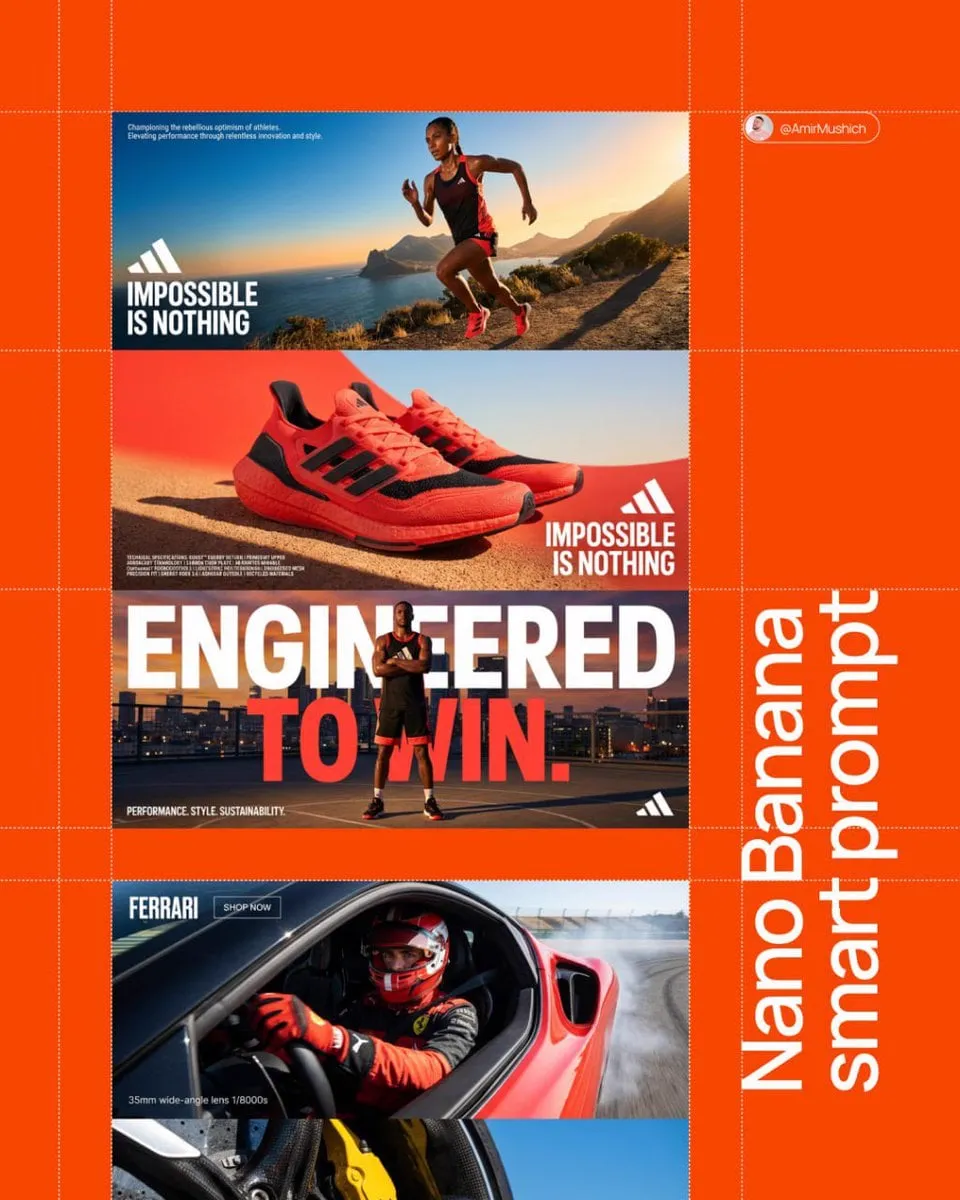
The Viral Video Formula: AI Thumbnails and Royalty-Free Music That Keep Viewers Watching
Every creator knows the feeling: you spend hours on a video, the edit is tight, the pacing is strong, and then it gets three views. Meanwhile, a clip someone clearly threw together in twenty minutes gets two hundred thousand. The difference is rarely the content itself. More often, it is the two things viewers encounter before they ever press play — the thumbnail and the sound.
In the current short-video landscape, attention is the currency and visibility is won in milliseconds. A video can be perfect and still fail if the thumbnail does not earn the click, or if the audio makes people swipe away in the first second. The creators who win consistently treat thumbnails and music not as afterthoughts, but as core parts of the production pipeline. This guide shows you exactly how to do that, using AI tools to speed up the work without losing the craft.
Why the thumbnail is the real first scene
A thumbnail is not decoration. It is a promise about the video, and viewers evaluate that promise in a fraction of a second. On most platforms, the thumbnail is the single largest element competing for attention in a crowded feed. A strong thumbnail can lift click-through rates dramatically, and a weak one can bury an otherwise excellent video.
The psychology of color and composition
Humans process color before they process shapes, and they process shapes before they read text. That ordering matters. High-contrast color combinations — a warm subject against a cool background, a bright accent against a dark frame — grab the eye first. Faces are the next magnet: viewers are hardwired to look at eyes, so a close-up of a person looking directly at the camera consistently outperforms shots without a clear focal point.
Composition does the rest. The rule of thirds still works on a phone screen. Leave room around the subject, keep the most important element off-center, and make sure the thumbnail reads clearly at a very small size, because on mobile feeds that is exactly how most people see it first.
What AI actually adds to thumbnail design
AI image tools have made it possible to generate and iterate thumbnails in minutes instead of hours. Instead of starting from a random frame in your video, you can generate a clean, dramatic still that captures the emotional peak of the content: the shocked reaction, the money shot, the transformation moment. You can also create consistent series thumbnails — same character, same color grade, same layout — which builds recognition across your channel.
The workflow that works for most creators looks like this: extract a few candidate frames from your video, describe the mood you want, then use an AI image generator to produce several thumbnail options. Test them side by side at small size, pick the one that reads clearest, and add minimal text only if it increases curiosity. Text should support the image, not carry it.
Measuring thumbnail success
A thumbnail either earns clicks or it does not, and the data will tell you quickly. The core metric is click-through rate: clicks divided by impressions. If your impressions are high but the CTR is low, the thumbnail is the bottleneck. If both are low, the packaging problem is upstream — the topic or the title is not connecting.
The stronger practice is iterative testing. Change one variable at a time: the face, the background, the text, the color grade. Keep what works, discard what does not. Platforms also surface different thumbnail variants to different audiences, so over time you can learn which style performs with which segment. This is not guesswork; it is a loop, and AI makes the loop faster.
Why sound is the secret weapon
Audio is the most underrated lever in short-form video. Viewers often watch with sound off in public, but the moment they turn it on, audio decides whether they stay. Music sets the emotional frame faster than any visual: the same footage feels heroic, sad, tense, or funny depending entirely on the track underneath it.
The legal foundation: why royalty-free matters
Using a copyrighted song without a license is the fastest way to get a video muted, demonetized, or removed — and in some cases to face a legal claim. Content ID systems are aggressive and automated. A video can be flagged even if you genuinely did not know the track was protected. This is not a risk worth taking, especially for creators building a channel they plan to monetize.
Royalty-free libraries solve this by giving you a license to use the music in your videos, usually for a subscription fee or free with attribution. The quality bar in these libraries has risen dramatically. You are no longer choosing between generic elevator music and piracy; there are library tracks that sound indistinguishable from commercial releases.
Matching music to emotion, not just genre
The mistake most creators make is picking music by genre. That is too coarse. What matters is the emotional arc of the video: the energy at the start, the build in the middle, the release at the end. A video that starts calm and ends explosive needs a track that does the same. A funny video needs music that does not fight the jokes. A tutorial needs music that stays out of the way.
A practical method is to listen with your eyes closed and imagine the footage: if the track makes you feel the emotion the video is trying to create, it is a match. If you notice the music, it is probably wrong. The best music in short-form video is felt, not noticed.
Building a personal sound library
Serious creators do not search for a track on every new video. They build a library of saved tracks organized by mood and energy: hype, emotional, funny, tense, calm, corporate. When you hear a track you like, add it to the right folder immediately. Over time, you will know your library well enough to pick the right track in seconds.
It is also worth collecting a set of sound effects: whooshes, pops, risers, impacts, UI clicks. These micro-sounds are what make edits feel professional. In a vertical short, a single well-placed whoosh before a cut can be the difference between a smooth video and one that feels choppy.
Bringing the two together: a repeatable workflow
Thumbnails and music only compound when they are planned together. Here is a workflow that combines both, using AI at every step.
Step 1: Define the emotional target before you edit
Decide what the viewer should feel at each moment: the hook, the build, the payoff. Write it down in three or four beats. This becomes the brief for both the thumbnail and the music. If you do not know the emotional target, every later decision becomes a guess.
Step 2: Hook with the first three seconds
The first three seconds are where retention is won or lost. The audio should grab attention immediately: a strong beat drop, a distinctive voice line, or a rising riser. The visual should match: motion, a face, or a bold title card. Never start a video with a slow fade-in and gentle music unless the content genuinely calls for it. On most platforms, slow starts are death.
Step 3: Generate and test thumbnail options
Pull candidate frames from the video, generate AI alternatives, and lay them out side by side. Check them at small size. Pick the option that communicates the core idea at a glance. If the video is part of a series, apply the same layout and color grade as the previous episodes.
Step 4: Score the music against the beats
Audition three or four tracks against the video timeline. Mark the entry point, the build, and the exit. A track that peaks at the wrong moment is a bad match no matter how good it sounds alone. Trim the track to fit the video, not the other way around.
Step 5: Publish, measure, iterate
After publishing, check retention and click-through. If retention drops in the first few seconds, the audio hook needs work. If the CTR is low, the thumbnail is the problem. Change one thing, republish or test a variant, and keep the loop going. The creators who grow are the ones who treat every video as a test, not a gamble.
Platform differences that change the rules
One of the most common mistakes is treating all platforms the same. The algorithm differs, the audience differs, and the packaging rules differ.
On Instagram, aesthetics and trend-awareness matter more; thumbnails that look native to the feed and audio that is currently trending get extra distribution. On TikTok, the sound is often the discovery mechanism itself — using a trending sound can put your video in front of people who have never seen your account. On YouTube Shorts and the main YouTube feed, the thumbnail carries more weight and the title becomes a genuine factor. On a professional network like LinkedIn, the style should be calmer and the music subtler, because the audience context is completely different.
The practical takeaway is to design for the primary platform first, then adapt. Keep the core emotional target the same, but adjust the thumbnail style, the text, and the audio choice to fit the context of each feed.
The tools worth having
You do not need an expensive stack to do any of this well. For thumbnails, AI image generators plus a simple editing app cover most needs. For music, a good royalty-free library subscription is the single best investment a creator can make; free libraries with attribution are fine for early videos, but a paid subscription removes the attribution requirement and unlocks higher-quality catalogues. For sound effects, one solid library is enough.
For the AI-assisted parts of the pipeline, a general-purpose AI assistant can help you write punchy thumbnail text, draft captions, and even suggest emotional descriptions for the music you need. The key is to use AI for speed, not to replace your judgment. You still have to decide what the video is about and what the viewer should feel.
FAQ
How many thumbnail options should I generate?
Five to ten is a good range. Enough variety to compare, few enough to avoid decision paralysis. The goal is not more options; it is clearer contrast between options.
Is it okay to reuse a trending sound that is not royalty-free?
No. Trending status does not change the copyright. If the sound is protected, using it can get your video muted or removed. Use royalty-free alternatives that capture the same vibe, or check whether the platform offers a licensed version of the sound.
What is more important: the thumbnail or the music?
They serve different stages. The thumbnail earns the click; the music keeps the viewer watching. A video can survive a weak thumbnail if the content is strong, but it cannot survive a weak first three seconds. In practice, fix the hook first, then the thumbnail.
Do I need a different thumbnail for mobile and desktop?
Design for mobile first. Most short-form viewing happens on phones, and a thumbnail that works at small size will generally work at larger sizes too. If your platform has separate surfaces, check the specific aspect ratio requirements.
How often should I change my thumbnail style?
Keep a consistent series style so your audience recognizes you, but test variations within that style. If CTR drops, refresh the approach. Consistency and stagnation are different things.
Final thoughts
The gap between a video that flops and a video that goes viral is often not talent or luck. It is a set of small, repeatable decisions: a thumbnail that earns the click, a sound that sets the mood, a first three seconds that hold attention. AI has made the production side of those decisions dramatically faster, but the judgment still belongs to you.
Build the workflow, measure the results, and iterate. Treat packaging as part of the craft, not a chore after it. That is the real secret behind videos that look effortless: behind the scenes, everything was deliberate.
