
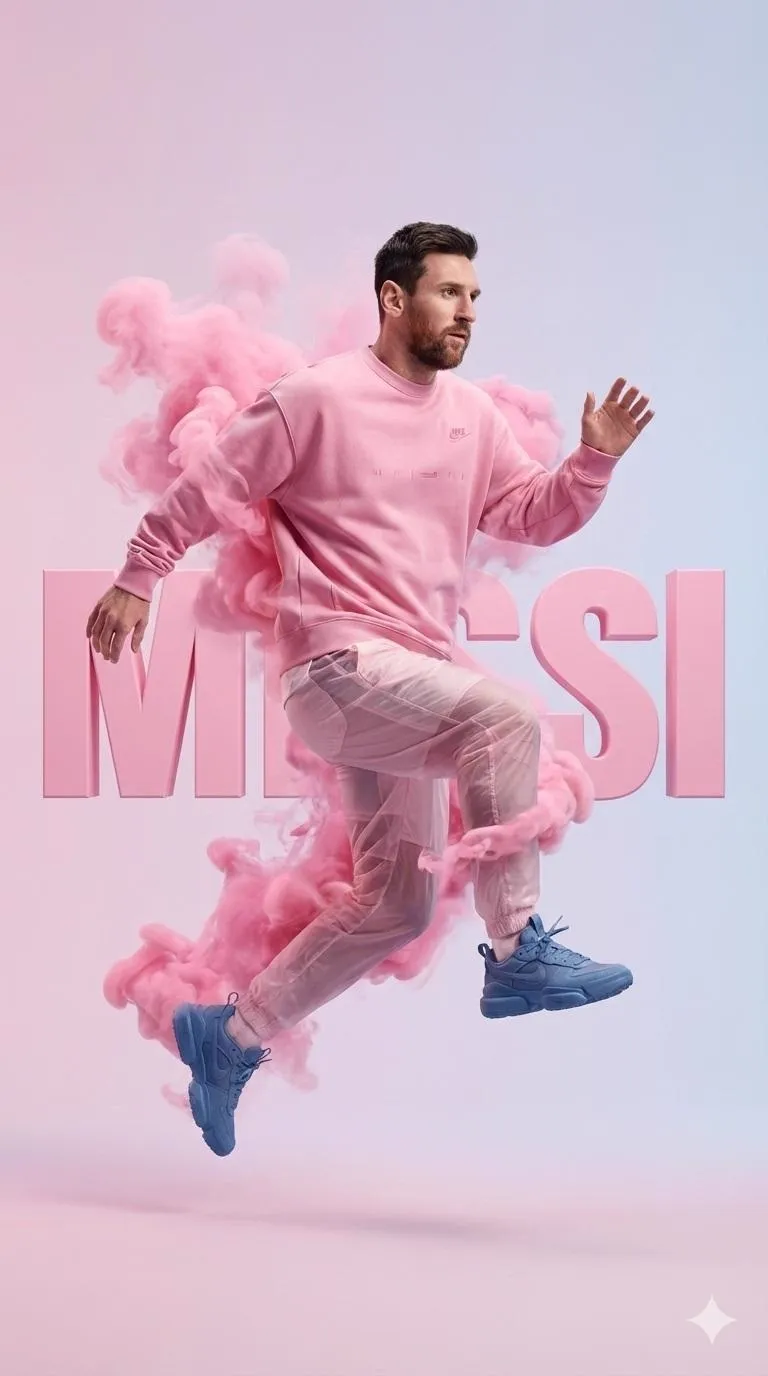
Every creator knows the feeling: you spend hours scripting, recording, and editing a video, you publish it, and then... nothing. The analytics stay flat. The video gets a handful of views and quietly disappears. Meanwhile, another channel uploads something objectively thinner and it takes off. The difference is rarely the idea. More often, it is the first impression — the thumbnail and the title working together before anyone has watched a single second.
On YouTube, the thumbnail is your storefront. It competes against dozens of other videos in the same feed, and you have a fraction of a second to earn a click. This guide walks through the psychology of high-click-through-rate (CTR) thumbnails, shows you how to design them quickly with AI tools, and then explains how to carry that same visual idea forward into a finished video using modern AI video generation — no studio, no crew, and no big budget required.
Why Thumbnails Decide the Fate of Your Video
YouTube's algorithm is built around a simple loop: impressions, CTR, watch time, and retention. When a video gets impressions but few clicks, the platform reads that as weak relevance and stops recommending it. When a thumbnail earns a high CTR and viewers stay to watch, the video gets pushed to more people. In that sense, the thumbnail is not decoration; it is part of the ranking signal.
The practical implication is that a thumbnail with a CTR of 2 percent will die quietly, while a thumbnail with a CTR of 8 or 10 percent can multiply the reach of the same content. Creators who fix their packaging often see immediate jumps in views without changing the video itself. Before you reinvest in better cameras or more expensive editing software, test your packaging — it is the highest-leverage improvement available.
This is also where AI changes the game. Historically, making a good thumbnail meant either learning design software or paying a designer. Today, generative tools can produce dozens of thumbnail concepts in minutes. The bottleneck has moved from production skill to taste: knowing which thumbnail will actually perform.
The Anatomy of a High-CTR Thumbnail
What separates a thumbnail people click from one they scroll past? After studying countless high-performing channels, a few patterns recur consistently.
Contrast and Visual Hierarchy
The human eye is drawn to the highest-contrast element on screen. Successful thumbnails usually feature one dominant subject, a clearly separated background, and a single focal point. If everything in the frame is equally bright, nothing stands out. The classic recipe is a saturated background with a bright foreground subject, or vice versa.
Emotion and Expression
Faces win clicks. A strong, readable emotion — surprise, curiosity, intensity, humor — gives viewers an instant reason to care. The expression should match the promise of the video. A video about a shocking discovery should show genuine astonishment, not a neutral smile. Viewers are surprisingly good at reading fake emotion, so pick an expression that feels earned.
Text That Adds, Not Repeats
A short text overlay can reinforce the message, but it must not duplicate the title. If your title says "I Tested 10 AI Tools," the thumbnail should say something complementary like "Only 1 Survived." Keep text to two or three words, make it huge, and place it where it will not be cropped on mobile. Remember that thumbnails are displayed small; every element needs to survive a drastic size reduction.
The Curiosity Gap
The best thumbnails create a small, honest gap between what the viewer knows and what they want to know. They hint at an outcome without revealing it. This is the difference between "This AI tool is amazing" and a thumbnail showing a stunning before-and-after with a question mark in the corner.
Consistency as a Brand Signal
Channels with a recognizable visual style — consistent colors, framing, and font choices — build subconscious trust. When viewers see your thumbnail in their feed, they should recognize it as yours. Consistency compounds across videos, while a chaotic thumbnail feed signals an amateur operation.
How AI Speeds Up Thumbnail Production
Designing thumbnails by hand is slow. AI tools compress that timeline dramatically. The workflow below is what many efficient creators now use.
Step 1: Generate Concept Variations
Start with a text-to-image model and describe the scene you want: the subject, the lighting, the mood, the composition. Generate four to eight variations instead of one. The goal at this stage is not perfection; it is exploring directions. Some of the best concepts come from accidents you would never have imagined deliberately.
Step 2: Compose with Your Own Assets
If the thumbnail features you or a product, generate the background and dramatic lighting separately, then composite your real photo on top. This keeps authenticity — important because clickbait that misrepresents the video destroys trust — while still getting AI-grade visual polish. Most image editors now include one-click background removal and subject extraction, making this step fast.
Step 3: Iterate on Text and Layout
Apply your text overlay, experiment with font size, position, and color, then downscale the image to thumbnail size and check readability. Zoom out to about 20 percent of the full size. If the concept still reads clearly, it will work in the feed. Generate several final candidates and compare them side by side.
Step 4: A/B Test When Possible
YouTube's built-in testing features let you compare up to three thumbnails against each other. Run the test for a week, then let the winner stay. This removes guesswork. Even without official A/B testing, you can track CTR changes after swapping a thumbnail and learn from the data.
Visual SEO: What YouTube's Algorithm Reads
Thumbnail optimization is not only about human psychology. The platform itself analyzes visual signals as part of its recommendation system. Modern systems interpret image content — objects, faces, text, and scene context — alongside metadata like titles, descriptions, and tags.
This means your thumbnail should be topically aligned with your title, your spoken content, and your video metadata. If they contradict each other, the algorithm gets confused and so do viewers, producing a high bounce rate that hurts recommendations.
Practical rules for visual SEO:
- Make sure the main object in the thumbnail actually appears in the video.
- Keep on-thumbnail text readable, because misread text creates negative signals.
- Avoid misleading representations. An image that promises something the video never delivers trains the algorithm to bury you and trains your audience to ignore you.
- Use consistent naming between the file, the title, and the description where it makes sense.
The long-term winner is alignment: thumbnail, title, first five seconds, and the video itself should tell one coherent story.
Turning a Thumbnail Idea into a Full Video with AI
Here is the part that feels like magic: the same concept that drives your thumbnail can become the video. Modern AI video generation accepts either a text description or a reference image as input, so the visual you designed for the thumbnail can be animated, extended, and turned into the opening shot of your video.
Choose a Strong Seed
Your thumbnail is already a high-quality, well-composed image with clear subject and mood. That makes it an excellent seed for video generation. Instead of describing a scene from scratch with text, many tools let you upload the image and ask for motion: a slow push-in on the subject, a subtle camera drift, particles moving through the frame, or a character turning toward the lens.
Write the Prompt around Motion and Camera
When you move from image to video, your prompt should focus on what text-to-image prompts ignore: motion, camera movement, and duration. Specify the speed and direction of movement, the mood of the lighting, and whether the camera should stay locked or glide. Small details like "hair moving gently in the wind" or "background blur shifting with depth of field" make the difference between a static-looking clip and a living shot.
Keep Character and Style Consistent
One of the biggest frustrations with AI video is inconsistency: the character from scene one looks different in scene two. The fix is multi-image fusion, a technique where you supply several reference images of the same character — different angles, outfits, or lighting — and the system locks the identity before generating. Use this whenever your video has a recurring person, mascot, or product. The payoff is a series of clips that look like they belong to the same production.
Mix Models for Different Shots
No single model is best at everything. Realistic cinematography, stylized animation, fast action, and slow atmospheric shots each play to different strengths. A smart workflow assigns each shot to the model that suits it, then unifies the look in post-production with consistent color grading. This hybrid approach gives you more control than trying to force one model to do everything.
A Repeatable Workflow: From Idea to Published Video
The process below is the one used by many solo creators producing multiple videos per week.
- Brainstorm the core promise of the video in one sentence.
- Design two or three thumbnail concepts with AI and pick the strongest.
- Write a short script that delivers exactly what the thumbnail promises.
- Generate an opening shot from the thumbnail image itself.
- Build the remaining scenes, keeping the same character references and style keywords.
- Add narration, sound effects, and music; these dramatically increase retention.
- Export, check the thumbnail at small size, publish, and monitor CTR.
Each step feeds the next, so the whole pipeline takes hours instead of days. The more you repeat it, the more you learn which styles, subjects, and hooks work for your specific audience.
Common Thumbnail Mistakes That Kill CTR
Even experienced creators make these errors. Check your last few thumbnails against this list.
- Too many elements. Three competing focal points read as noise.
- Text that duplicates the title. Redundant text wastes space and looks lazy.
- Clickbait that overpromises. It earns clicks once and destroys trust forever.
- Poor small-size readability. If it looks muddy at thumbnail size, it will underperform regardless of how good it looks full-screen.
- Inconsistent branding. A new font and color scheme every video prevents recognition.
- Ignoring the first five seconds. A great thumbnail paired with a slow, boring opening wastes the click you earned.
Frequently Asked Questions
How many thumbnail variations should I test?
Generate at least three distinct concepts, not three color tweaks of the same design. Real variation tells you what your audience actually responds to.
Do I need design software to make good thumbnails?
No. Between AI image generation, automatic background removal, and simple overlay tools, you can produce professional-looking results with free or low-cost tools. The skill that matters is judging which concept is strongest.
Can I reuse the thumbnail image in the video itself?
Yes, and it is a good idea. Opening your video with the exact scene from the thumbnail creates a seamless handoff from click to watch, which improves retention.
Is AI-generated video good enough for a professional channel?
For many formats, yes. AI video excels at establishing shots, transitions, b-roll, and stylized content. For talking-head footage, hybrid workflows that combine real recordings with AI backgrounds and effects are increasingly common.
How do I keep the same character across multiple AI-generated clips?
Provide consistent reference images and use multi-image fusion or character reference features. Keep the same style keywords, and lock identity before generating so that every clip matches.
The Bottom Line
Viral videos are not accidents. They are the product of packaging that earns attention, content that delivers on its promise, and a system that lets you iterate quickly. AI has removed the two biggest barriers — design skill and production budget — so the remaining competitive advantage is your judgment: knowing your audience, reading your data, and testing relentlessly.
Start with your worst-performing recent video. Redesign its thumbnail using the principles above, generate a few variations with AI tools, and run a test. Then apply the same discipline to the video itself: seed it from the winning thumbnail, keep your characters consistent, and deliver exactly what you promised. The views will follow.
