
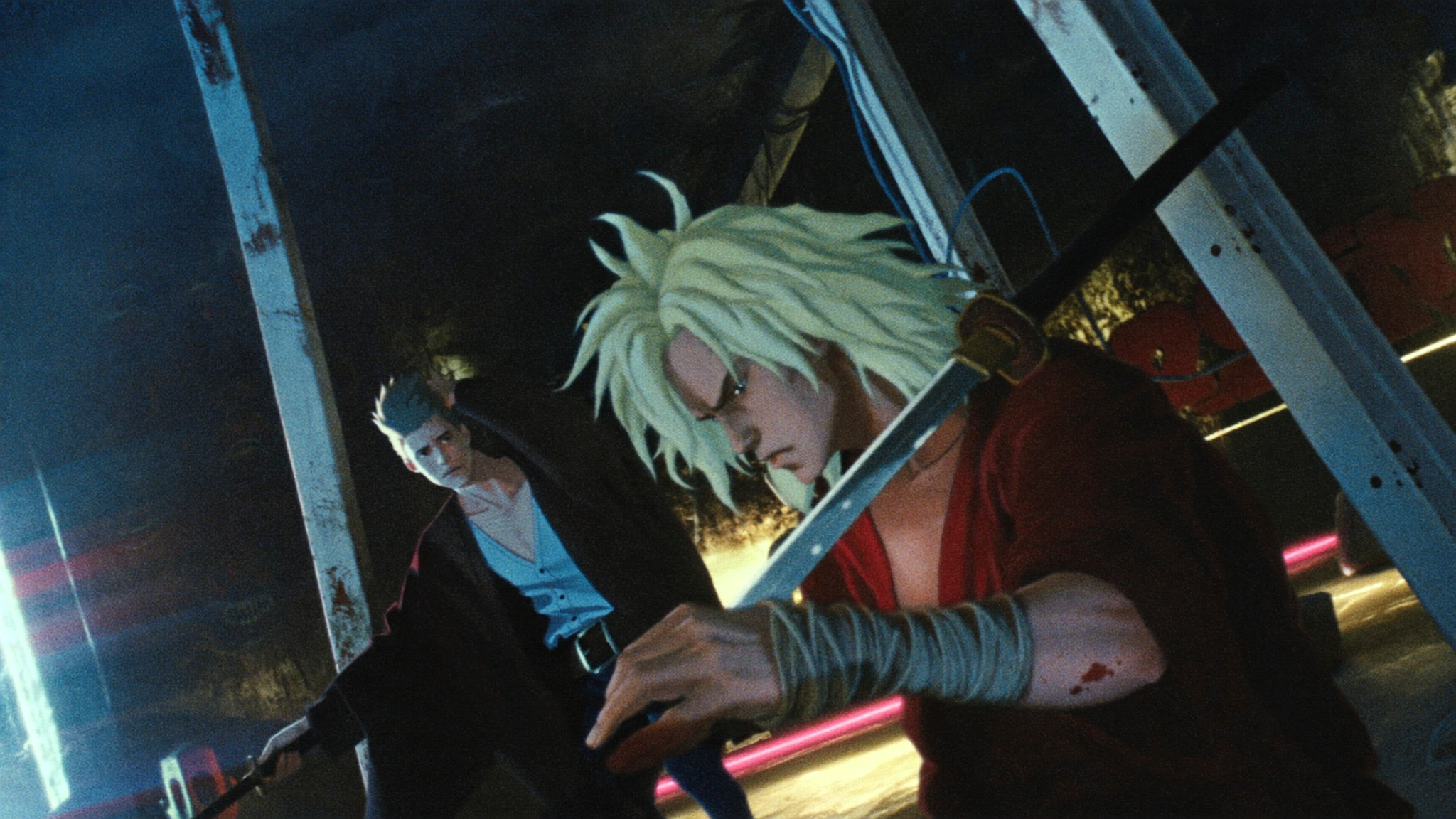
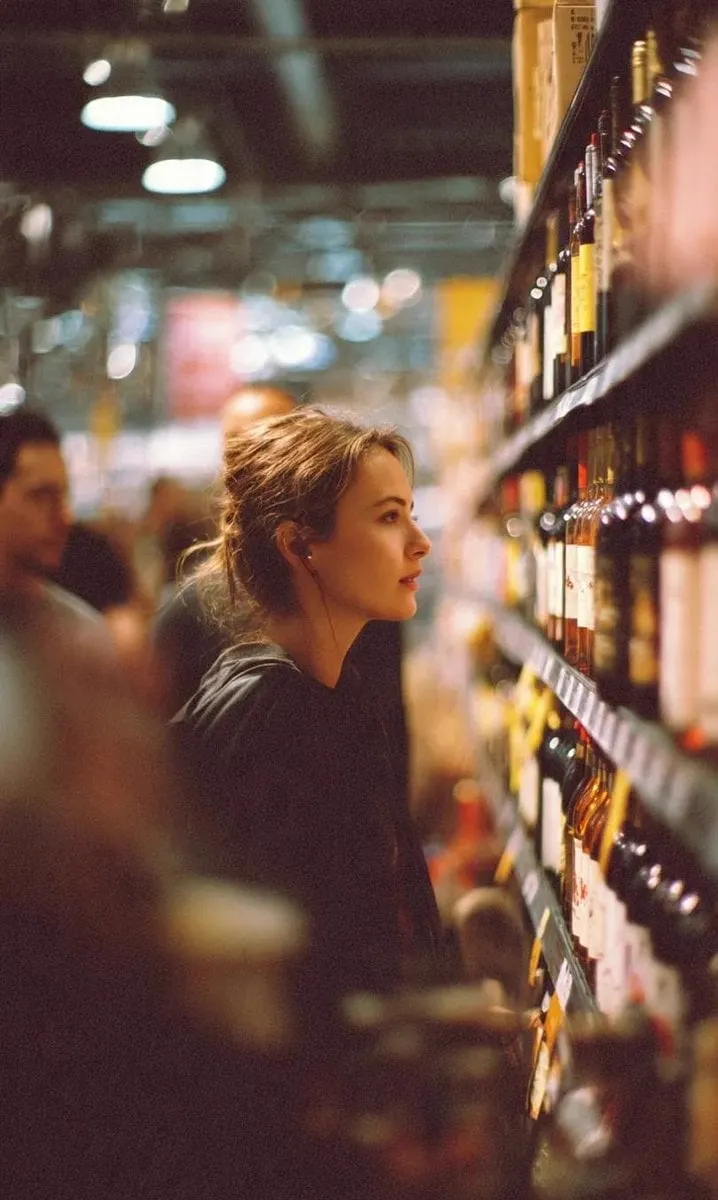
If you have spent any time generating AI video, you have probably seen it: a character who looks perfect in one shot, then subtly different in the next. The jawline shifts. The jacket changes color. The hairline moves. For a single clip, nobody notices. For a series, a brand story, or a multi-scene narrative, it is fatal. Visual consistency has become the defining challenge of AI video production, and the tools that solve it are reshaping what creators can build. This guide explains why character consistency is so hard, how multi-image fusion works, and how to build a pipeline that keeps your characters recognizable across every scene.
Why character consistency is the hardest problem in AI video
Text-to-video models are trained to predict plausible pixels, not to remember a specific person. When you describe a character with words alone, the model reconstructs an average version of that description every time. That is why the same prompt produces slightly different faces: each generation is a fresh interpretation, not a continuation.
In early video models, this weakness was hidden because clips were short and rarely featured the same character twice. But as creators moved from single clips to full narratives, the problem became impossible to ignore. A brand mascot, a recurring host, an animated protagonist: all of them require the model to carry a stable identity across time, scenes, and even across different models. The gap between "generate a nice clip" and "produce a coherent story" is precisely this consistency layer.
Where inconsistencies come from
Understanding the sources of inconsistency helps you fight it. There are four main culprits.
The first is prompt drift. Small wording differences between scenes change how the model interprets the character. "A woman in a red jacket" in scene one and "a woman wearing a crimson coat" in scene two are semantically similar but statistically different, and the model will render them differently.
The second is model variance. Even with identical prompts, sampling is stochastic. Run the same prompt twice and you get two faces that are similar but not identical. For a single clip this is fine; for continuity it is not.
The third is temporal drift. In long generations, the model can slowly morph a character over frames, especially with clothing details, tattoos, or accessories that are only partially specified.
The fourth is cross-model drift. If you generate scene one with one model and scene two with another, the style differences compound the identity problem. Different models interpret realism, skin texture, and lighting differently.
Each source is manageable on its own; together they explain why character consistency was the wall that most creators hit.
How multi-image fusion works
Multi-image fusion is the technique that breaks through that wall. Instead of describing the character only with text, you give the model a set of reference images that anchor the character's identity. Think of it as building a character sheet: several photographs from different angles that the model can consult before generating.
The process typically works like this. You provide two or more reference images: a front portrait, a side profile, and a full-body shot in the character's main outfit. The system extracts the stable attributes: face shape, skin tone, hair, eye color, build, signature clothing. It converts these into a parameterized character model that can be reused. When you generate a new scene, the model starts from that character model and applies your new description of action, location, lighting, and camera.
The key difference from older approaches is that the identity is not re-derived from text each time. It is locked in by the references, which means the same character can appear in a sunrise beach scene, a rainy city alley, and a studio interview while looking like the same person.
Building the reference set
The quality of your references determines the quality of your consistency. Follow these rules.
Use multiple angles. A single front-facing portrait leaves the profile and back of the character undefined, so the model will improvise them. Two or three angles cover the blind spots.
Keep the character in a neutral pose with neutral expression. Strong expressions or dramatic poses contaminate the identity with emotion that will bleed into every scene.
Control the lighting. High-contrast dramatic lighting hides details. Use soft, even light so the model can read the face accurately.
Keep clothing consistent in at least one reference. If the character has a signature outfit, include a full-body reference wearing it. If they change outfits across scenes, you still need one reference to lock the physical body.
Use high resolution. Small, compressed images lose the micro-details that make a face recognizable.
Creating the character DNA
Once you have references, the next step is defining what I call the character DNA: the short list of attributes that must never change. Face and hair are obvious, but professionals also lock down body proportions, posture, voice if audio is involved, and signature accessories.
Write the DNA down. A simple checklist like "oval face, brown eyes, short dark hair, athletic build, silver ring on right hand, black leather jacket" becomes your consistency contract. Every prompt you write for that character should include or refer to this list, and every reference image should match it. When a generation violates the DNA, you catch it immediately instead of accepting "close enough".
This discipline matters most in long projects. Ten scenes in, your memory of the character sheet fades, but the written DNA does not. It keeps you honest, and it keeps the model anchored.
Cross-model calibration
Real production rarely uses a single model. You might generate the reference images with a photorealistic image model, the key shots with a premium video model, and the fast drafts with a cheaper one. Each model has its own visual grammar, and that grammar bleeds into the character.
Cross-model calibration is the practice of checking the character across models before committing to a full production. Generate the same scene with two different models and compare the faces side by side. If the differences are unacceptable, adjust the references or add more of them. Sometimes the fix is as simple as specifying the same lens and lighting vocabulary in every prompt, because model drift is often style drift in disguise.
It is also worth keeping a calibration log: which model pairs work well together, which references produce stable results across models, and which styles transfer cleanly. Over time this log becomes one of your most valuable production assets.
Balancing consistency and speed
There is a natural tension between consistency and iteration speed. Heavy reference sets and careful calibration produce stable characters but slow you down. For fast drafts and internal tests, you do not need the full pipeline. Use lightweight prompts, accept some drift, and save the full reference workflow for the shots that matter.
A practical approach is two-track production. Track one is exploration: fast, cheap, messy, used to find the right scene composition, camera move, and pacing. Track two is hero production: full references, full calibration, slower and more careful, used only for the approved shots. The hero shots get the consistency; the exploration gets the speed. Most teams that try this never go back.
Building a consistent character pipeline
Putting it together, a reliable pipeline looks like this.
- Design the character concept on paper: personality, role, look.
- Generate and curate the reference set: multiple angles, neutral pose, even light.
- Define the character DNA checklist and write it down.
- Validate the character in a test scene with each model you plan to use.
- Adjust references until the test scenes pass.
- Produce scenes in batches, always supplying the references and the DNA checklist.
- Review each batch against the DNA, not just against the individual prompt.
- Log what worked and what drifted for future projects.
This pipeline turns character consistency from a hope into a process. It is more work upfront, but it compounds: every subsequent scene, episode, or campaign reuses the same anchors and gets faster.
Troubleshooting common consistency problems
The character still changes between scenes. Compare your prompts: identical wording matters, not just similar meaning. Reuse the exact same phrasing for the stable attributes.
The face is stable but the outfit changes. Your references may not specify clothing clearly enough, or the prompt is overriding it. Add a full-body reference in the signature outfit and repeat the outfit description verbatim in every prompt.
The character looks right but the style drifts across models. This is cross-model drift. Calibrate the models side by side, and standardize your camera and lighting vocabulary.
The character looks different in close-ups than in wide shots. This is usually a reference-resolution problem. High-quality close-up references give the model enough detail to keep the face consistent at any distance.
Generation is slow with references enabled. Use the two-track approach: light drafts for exploration, full references for hero shots.
A practical consistency checklist
Before you call a production finished, run through this checklist. It catches most of the drift problems that slip through in the moment.
Identity: does the character match the reference set in face, hair, and build? Do the signature accessories appear consistently? Does the wardrobe match the character sheet in every scene?
Style: does the lighting vocabulary match across scenes? Is the color palette consistent, or does each scene introduce a new mood? Does the camera language stay within the planned range of lenses and movements?
Continuity: do adjacent scenes connect cleanly in time and space? Do props and environment details survive cuts? Would a viewer who saw the scenes in order notice a break?
Cross-model: does the character survive a switch between models, or does the style shift visibly? Are the calibration notes updated with what you learned?
Process: are the references, DNA checklist, and prompts documented so the next batch or the next project can reuse them? Did you log what drifted and what held?
A production that passes all five categories is ready. One that fails any of them will fail visibly in front of an audience, so it is cheaper to fix it now than after publishing.
Frequently asked questions
How many reference images do I need? Three is a solid minimum: front, profile, and full body. Complex characters with multiple outfits or forms may need more.
Can multi-image fusion work for real people? Yes, when you have the rights and consent to use a person's likeness, and the tool supports it. Always respect privacy, consent, and platform policies.
Does consistency work across different models? It can, with calibration. Test the references in each model and adjust until the character survives the transfer.
Is visual consistency only for characters? No. The same technique anchors objects, vehicles, logos, and locations. Any element that must recur benefits from reference anchoring.
How much does consistency slow down production? The first project is slower because you build the pipeline. Once the references and DNA exist, subsequent production is often faster, because approved anchors eliminate most of the guesswork.
Can I apply consistency to an existing character from a previous project? Yes. Take your best existing renders, build a reference set from them, and rerun the calibration. The pipeline retrofits cleanly onto work you have already done.
What should I do when a scene simply refuses to stay consistent? Stop iterating on the same approach. Change one structural variable: a different model, a stronger reference set, or a simpler wardrobe. Repeating the same prompt with minor tweaks rarely fixes a structural problem.
Conclusion
Character consistency is not a nice-to-have in AI video; it is the difference between clips and stories. Multi-image fusion gives you the mechanism, but the discipline comes from you: curated references, a written character DNA, cross-model calibration, and a pipeline that treats consistency as a first-class requirement. Start with one character, build the full workflow, and see how much stronger your narratives become. Once you have the system, every new project is just a matter of adding characters to it.
