

Why Video Is the Center of Gravity in Saudi Digital Media
Saudi Arabia's digital landscape has been transformed in a short span. Video consumption is no longer one channel among many; it is the dominant way the country's internet users discover brands, make purchase decisions, and pass the time. For marketers, the conclusion is straightforward: a brand that does not speak fluent video has no effective voice in the market at all.
The growth is driven by demographics and infrastructure together. A young, mobile-first population, near-universal smartphone penetration, and high-speed networks mean the conditions for video consumption are all present. Short-form platforms and interactive stories have become the primary discovery engines, and the audiences there are not passive — they watch, share, comment, and buy based on what they see in the feed.
This is why a visual content strategy is not a nice-to-have in the Saudi market; it is the operating system of modern marketing there. But the strategy has to be built for the market, not imported wholesale from elsewhere. The audience, the culture, and the platforms all have specific characteristics that change what works. This guide covers how to design, produce, and distribute visual content that actually earns attention and reach in Saudi Arabia.
Know the Saudi Audience Before You Script Anything
Strategy starts with the audience, and the Saudi audience has a few defining traits that should shape every creative decision.
The first is a voracious appetite for video with a clear preference for content that reflects local identity. Saudi viewers respond to material that acknowledges their culture, values, and daily life. Imported content with no local resonance gets scrolled past; content that feels native gets engaged with. This is not about decoration — it is about relevance. A brand that shows it understands the audience's world builds trust far faster than one that merely speaks Arabic.
The second trait is the platform mix. The same audience behaves differently across channels: short-form vertical video for discovery and entertainment, longer formats for considered content, and messaging-adjacent formats for community building. A strategy that treats all platforms as the same feed misses most of the opportunity.
The third trait is the rise of immersive visual experiences. Audiences increasingly expect production quality that matches global standards, and they reward brands that deliver cinematic visuals with longer watch time and stronger recall. The bar has moved; yesterday's "good enough" is today's invisible.
The practical implication is that audience research belongs at the start of every project. Know the segments you are targeting, the platforms they live on, the creators they follow, and the tone they reward. The production strategy is downstream of that understanding.
Building a Visual Identity That Survives Scale
The hardest problem in scaling content production is not speed; it is consistency. A brand that publishes twenty videos a month needs all of them to look like the same brand. Without a locked visual identity, volume production fragments into a dozen different looks, and the brand loses the compounding effect of recognition.
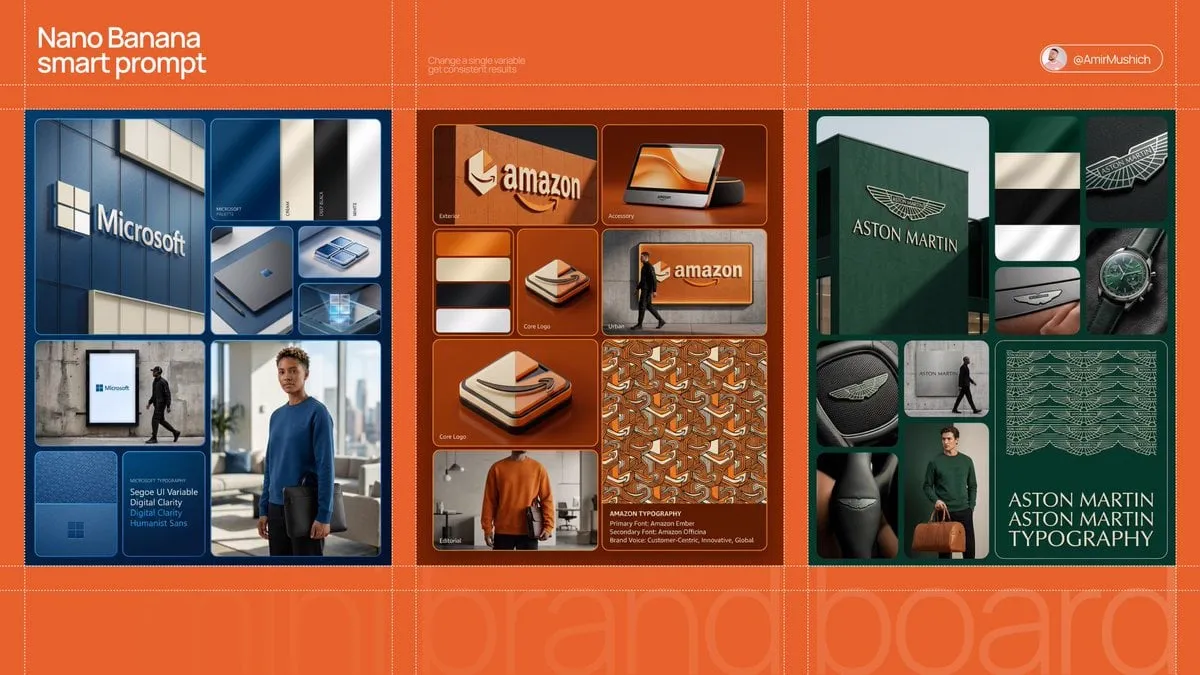
Visual identity for video has four components. The color palette defines the mood and the recognition factor. The typography and caption style carry the brand voice on screen. The character design — if the brand uses recurring characters or presenters — creates the human connection. The motion style defines how the camera moves and how cuts land. Each component needs a written specification, and each specification needs reference assets.
This is where generative AI becomes a strategic asset rather than a production trick. A locked visual canon — palette, style references, character images — lets every generation reinforce the same identity. Consistency stops being a discipline that each editor has to remember and becomes a property of the pipeline. The brand scales its output without diluting its look.
The warning is the opposite failure: locking identity so rigidly that content becomes formulaic. The canon should stabilize the brand, not freeze it. Leave room for trend responses and format experiments within the identity system.
Choosing the Right AI Models for Regional Content
Production quality is a competitive weapon in the Saudi market, and AI models make studio-level visuals accessible to teams of any size. But model choice depends on the job, and there are regional considerations worth factoring in.
For hero content — the flagship posts that represent the brand — use the strongest models available: those with the best camera control, character coherence, and cinematic output. These are the assets that will be judged frame by frame, so quality is the only criterion.
For daily volume — trend responses, product teasers, engagement posts — use fast, reliable models that produce good-enough visuals quickly. The goal is speed and consistency, and the efficient models are built for exactly that.
For localized visuals, think about the details that make content feel native: architecture, landscape, clothing, food, and cultural reference points. These details need to be specified in the brief or captured in reference images. A model with no regional context will default to generic international imagery, which is precisely what local audiences ignore.
The workflow principle is the same as everywhere else: design the look in stills, lock the references, then animate. The difference is the reference set, which must be built with local context in mind. Invest in that reference library once, and every future project gets faster.
Hooks, Audio, and Format: Localizing the First Seconds
Attention is won or lost in the first three seconds, and in the Saudi market those seconds need to feel local from frame one. The hook is not just about being loud or surprising; it is about being relevant to the viewer standing in front of the screen.
Audio is a first-class decision. Music, voiceover, and sound effects carry cultural signals as much as visuals do. The right regional track or a voiceover in the local dialect can make content feel native instantly; the wrong choice makes it feel translated. Sound design should be planned in the brief, not bolted on at the end.
Captions and on-screen text matter even more in a market where much viewing happens with sound off in public spaces. Text in the local language, short and legible, keeps the video comprehensible and the pacing tight. The text style is also part of the visual identity — it should match the brand spec, not drift between posts.
Format adaptation is the final layer. The same message should appear in different cuts for different platforms: tight vertical for short-form feeds, wider framing for other surfaces, and interactive elements where the platform supports them. A single campaign becomes a family of formats, each optimized for its environment, all carrying the same visual identity.
Distribution and Measurement: From Production to Reach
Great content with weak distribution is a private victory. In the Saudi market, distribution strategy is as important as the creative itself, and it starts with understanding how each platform's algorithm decides what to show.
Retention is the universal currency. Every major platform rewards videos that keep people watching. That means the first three seconds, the pacing throughout, and the ending all affect reach. The most efficient way to improve retention is to test variations: different hooks, different lengths, different audio choices, and to keep what wins.
Interaction is the second currency. Comments, shares, and saves signal relevance, and they compound reach. Content that invites a response — a question, an opinion, a useful list worth saving — earns more distribution than content that simply informs. Design for the response you want before you publish.
Measurement closes the loop. Track retention curves, watch-time distribution, and interaction rates per post, not just reach and impressions. Compare across the campaign and feed the learning back into the brief. Production becomes a learning loop: publish, measure, adjust, improve.
The audience is not static, and neither is the algorithm. A quarterly review of what the data says — which formats, which topics, which tones are winning — keeps the strategy honest. The goal is not to chase every trend but to compound what already works.
A 30-Day Action Plan for Teams
If you are starting from zero, here is a concrete plan for the first month.
Week one: research and canon. Define the audience segments, study what local creators and competitors are doing, and build the visual identity spec: palette, typography, character references, motion style. Lock the reference library.
Week two: infrastructure. Choose your production tools — one strong model for hero content, one fast model for volume, one image tool for the canon — and set up the generation workflow with templates for briefs and prompts.
Week three: publish a test batch. Produce and publish a small set of posts across your priority platforms, with at least two variations per post for testing. Focus on hooks and audio.
Week four: measure and refine. Review the retention and interaction data, identify the winners, and adjust the canon and the briefs accordingly. Build the monthly cadence from what the data supports.
The plan is deliberately small at first. The compounding asset is not the volume of content; it is the identity, the workflow, and the data. Once those are solid, scale is a matter of running the same system more often.
Case Study: A Saudi Retail Brand Scaling Video Content
A retail brand in Saudi Arabia with stores across multiple cities provides a realistic example of the strategy in action. The goal: build an owned video engine that supports both brand awareness and store-level engagement without a large production department.
The team starts with audience research. They map the segments: young urban shoppers on short-form platforms, family audiences on messaging-adjacent channels, and a growing segment of customers who research products through video before visiting stores. Each segment gets a content persona with its own tone and platform mix.
The visual canon is built around the brand's identity: a warm palette drawn from the store interiors, a caption style that mixes Arabic and English strategically, and a recurring presenter character used in product explainers. The character reference is locked once and reused everywhere, which gives the brand a recognizable face across hundreds of posts.
Production is split by job. The flagship launch content runs on the strongest models with cinematic camera moves; the daily product teasers and store highlights run on fast models in daily batches. Every generation uses the brand's reference library, so the look stays consistent whether the post is produced by the in-house team or an agency.
Distribution follows the data. Hooks are tested in pairs, audio choices are matched to the audience's platform behavior, and each post is cut for the formats where it will appear. The team reviews retention curves weekly and feeds the findings into the next brief.
The results compound: within a quarter, the brand has a repeatable system, a recognizable visual identity, and a library of local content that outperforms imported material. The strategy did not depend on a single viral moment; it depended on building the identity, the workflow, and the learning loop. Scale became a matter of running the same system more often, not of starting over.
FAQ
Do I need to produce content in Arabic? For organic reach and trust, yes — local-language content with native phrasing outperforms translated material. Bilingual content can work for specific segments, but the default should be local.
How important are influencers in Saudi video marketing? Very important for discovery, but treat them as a distribution channel within your strategy, not the strategy itself. The owned content and the influencer content should share the same identity.
Can AI-generated video work for Saudi brands? Yes, when the references and briefs include local context. The technology is neutral; the localization is in the inputs. Generic international imagery fails; localized reference sets succeed.
How often should a brand publish video? Consistently, but consistency beats frequency. Three well-produced posts a week with a clear identity outperform daily posts with no system behind them.
What is the biggest mistake brands make? Copying a global template without localizing it. The strategy, the identity, and the references must be built for the Saudi audience, or the content will be invisible no matter how polished it looks.
How do I measure whether the strategy is working? Track retention, interaction, and conversion relative to your goals, and compare against your own baseline over time. Reach is a symptom; retention and interaction are the leading indicators.
