
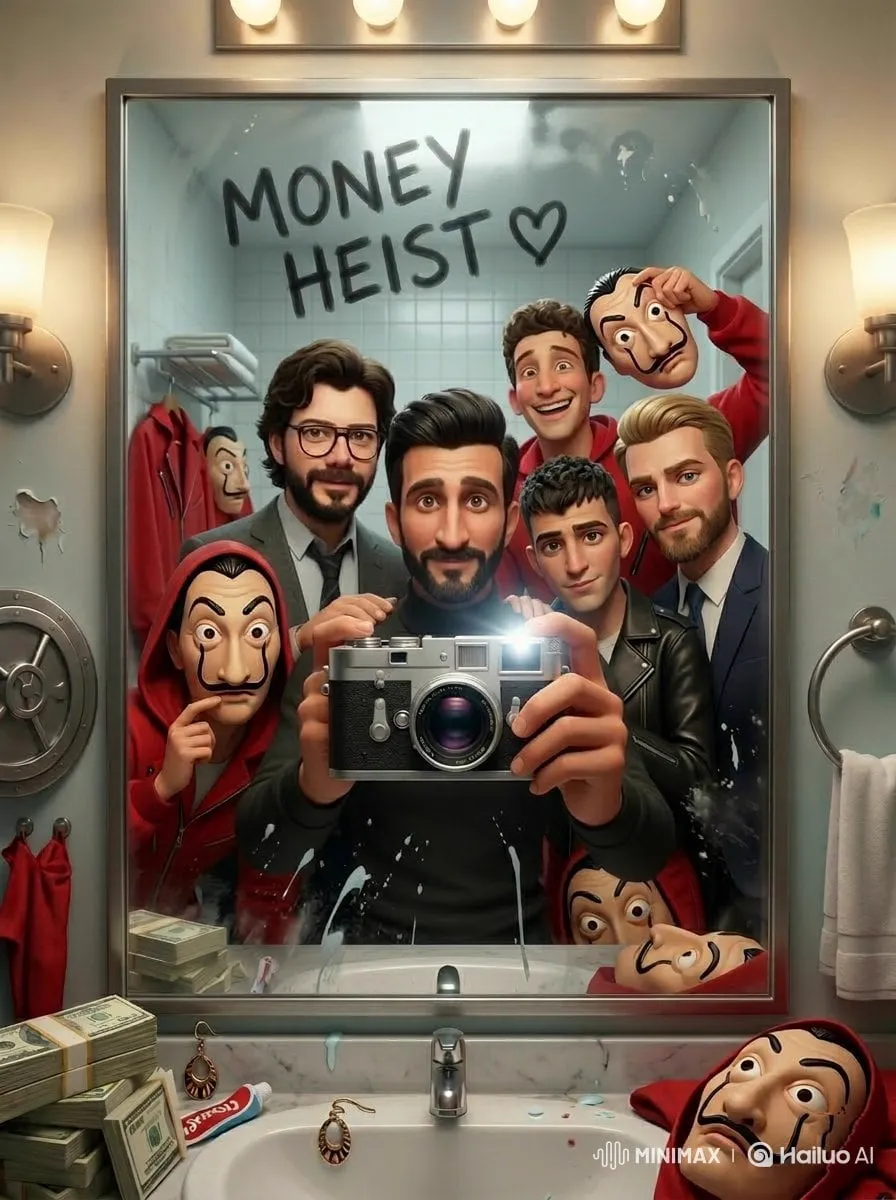
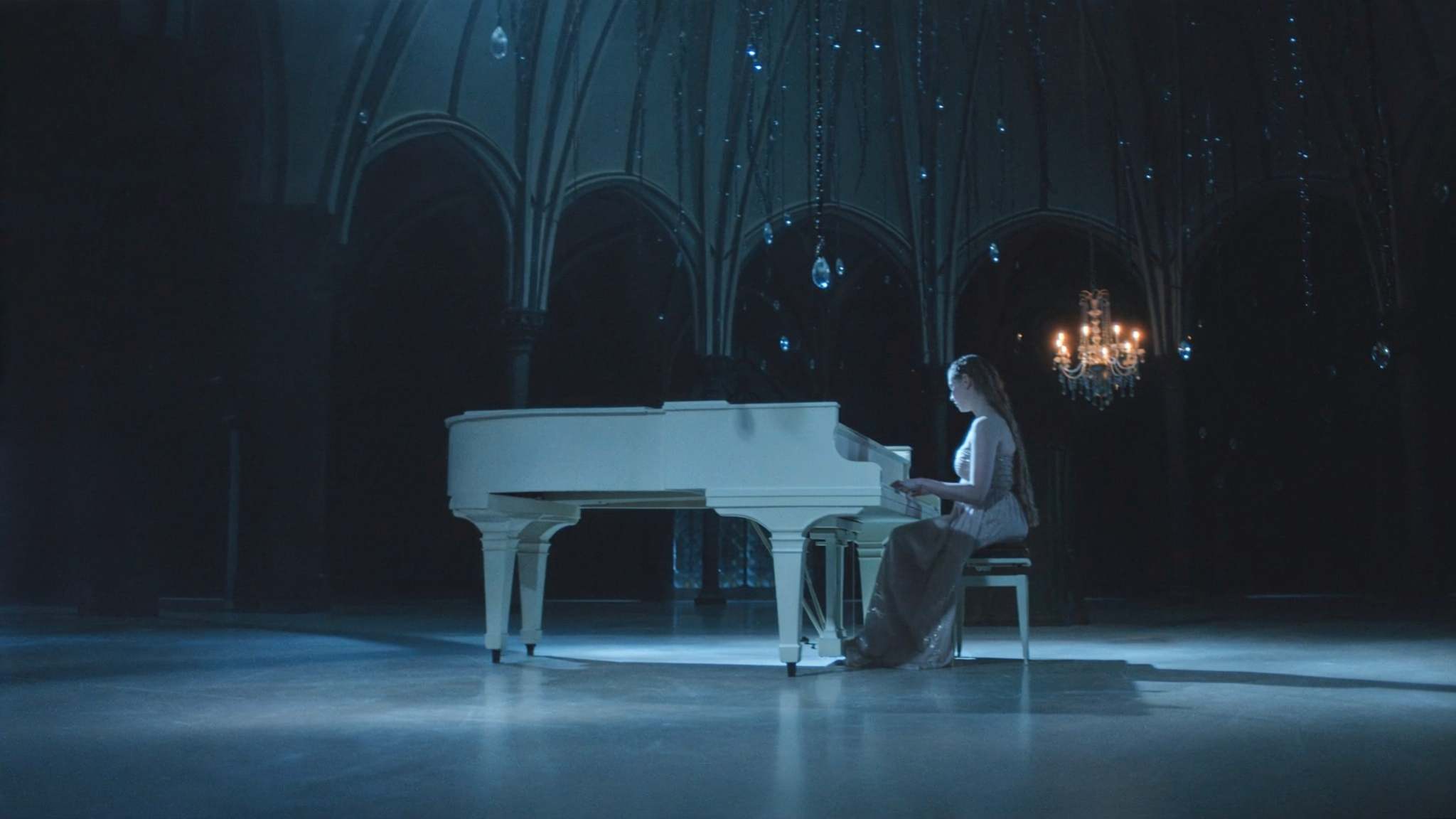
Storytelling Is the Skill AI Has Made Critical Again
For years, the barrier to making video was technical. You needed a camera, lighting, a crew, editing software, and the skill to use them. AI has removed most of that barrier. Anyone can now generate a visually impressive clip from a sentence. The result is a strange reversal: visuals are cheap, and story is expensive. The creators who stand out are not the ones with the best-looking footage — they are the ones who can decide what should happen, in what order, and why the viewer should care.
This guide is about that decision layer. It walks through a practical approach to visual storytelling with AI tools: how to build a story before you generate anything, how to translate that story into shots, how to keep a scene consistent, and how to direct the pacing and sound so the final video feels intentional rather than accidental.
The Director Mindset
A director does not operate the camera; a director decides where the camera goes and what it sees. The same split applies to AI video. When you prompt a model, you are not "making a video" — you are directing one shot of a larger scene. The prompt is your camera placement, your lens choice, your lighting note, and your actor instruction all at once.
Thinking like a director changes how you write prompts. Instead of describing a complete scene in one long sentence, you break it into shots, each with a clear purpose: establish the world, introduce the character, show the conflict, deliver the payoff. Each shot gets its own prompt, its own reference, and its own quality bar. This is the single biggest difference between professional-looking AI videos and random generations.
Building the Story Before Generating Anything
The most expensive mistake in AI video is generating first and deciding later. Generation is fast, but regenerating after you realize the story does not work is slower than thinking for ten minutes first.
Define the Emotional Arc
Every short video, even a fifteen-second ad, has a shape. The simplest reliable shape is tension and release: something is missing or wrong, then it is resolved. Write the arc in one sentence. "A tired freelancer discovers a tool that saves her three hours a day" is a story. "Here are some productivity features" is not.
Write the Beat Sheet
A beat sheet is the story broken into individual moments. For short video, each beat should be one clear image or action. Aim for four to eight beats. For each beat, note the purpose: hook, context, complication, resolution. This beat sheet becomes your shot list — the single document that keeps every prompt on purpose.
Choose the Point of View
Who is the camera watching? A character in the scene, the audience observing the scene, or the product itself? Changing the point of view changes the emotional distance. Close shots create intimacy; wide shots create scale. Decide the POV before you start prompting, and keep it consistent across the sequence.
Turning Beats Into Shots
Once the beat sheet is done, the real directing begins. This is where you make the decisions that separate a sequence from a slideshow.
Establish the World First
Start with a wide establishing shot that sets the location, mood, and time of day. This shot does most of the storytelling work for free — a rainy street at night tells the viewer more than a paragraph of narration. Generate this shot carefully; every subsequent shot should feel like it belongs in the same world.
Vary the Shot Size
A common amateur pattern is generating every shot at the same distance, which produces a flat, monotonous video. Direct your way out of it: wide shot for context, medium shot for action, close-up for emotion, extreme close-up for detail. Alternating shot sizes gives the edit rhythm and keeps the viewer's attention moving.
Let the Camera Move With Purpose
Camera movement is a storytelling tool, not decoration. A slow push-in increases tension. A pull-back reveals scale. A tracking shot following a character communicates journey. When you write a prompt, specify the camera movement and justify it — if the movement does not serve the story, remove it. Unmotivated camera motion is one of the clearest signs of undirected AI video.
Keeping the World Consistent
Consistency is the technical challenge that decides whether your video feels directed or generated. Viewers may not name the problem, but they feel it when a character's face, clothing, or lighting changes between shots.
Build a Visual Bible
Before generating the sequence, define the visual rules of the world in a short reference document: the character's appearance, wardrobe, the color palette, the lighting style, and the lens feel. Keep this document next to you and reference it in every prompt. The more consistent your written rules, the more consistent the output.
Use Reference Images as Anchors
For characters and products, generate or prepare a reference image first, then use image-to-video so each shot starts from the same visual anchor. This is the most reliable way to keep a face stable across multiple shots. If a model supports multiple reference images, use them to lock the character from several angles.
Repeat the Style Keywords
Establish three to five style keywords for the project — for example, "soft golden light, muted earth tones, 35mm lens, shallow depth of field" — and repeat them in every prompt. Repetition feels redundant in writing but is necessary in generation, where each clip is produced independently.
Directing Pacing and Sound
Pacing is where a sequence becomes a story. The same three shots in a different order, with different durations, tell different stories. Direct the rhythm deliberately.
Match Shot Length to Emotional Weight
In fast-paced action beats, keep shots short — two seconds or less. In emotional or revelatory beats, let shots breathe for four to six seconds. Shortening the shot length as the video progresses toward the payoff is a simple way to build momentum.
Score the Video Like a Scene
Sound is not an afterthought; it is part of the direction. Choose music that matches the arc — quiet and tense at the start, fuller at the payoff. Place sound effects at transitions to mask cuts and reinforce the action. If you use AI voiceover, direct it like an actor: mark the words that should be emphasized and note the pace you want.
Design the Transitions
Every cut is a decision. Hard cuts work for fast pacing. Match cuts — connecting two shots through a similar shape or movement — feel intentional and cinematic. Avoid forcing flashy transitions just because the tool offers them; the best transition is usually the one the viewer does not notice.
The Iteration Loop
Direction is iterative. The first render is a draft, and drafts are cheap with AI — that is the point of the workflow.
- Render the full sequence once.
- Watch it twice: once with sound, once on mute.
- Identify the two or three weakest beats — not the visually weakest, but the story-weakest.
- Regenerate those beats with more specific direction: tighter framing, clearer movement, stronger emotion.
- Reassemble and compare against the beat sheet.
A good rule of thumb: if you can describe what is wrong with a shot, you can usually fix it with a more directed prompt. If you cannot describe what is wrong, watch it next to the beat sheet — the problem is probably story, not visuals.
Adapting the Same Story Across Formats
One story can power many videos, but each format demands a different directorial treatment. The discipline of the beat sheet pays off here: because the story lives in beats, not in a single render, you can re-orchestrate the same beats for different canvases.
Vertical Short Video
On a phone screen, the frame is tall and narrow, and the viewer's thumb decides everything. Direct for this format by keeping the subject prominent, composing for the center of the frame, and tightening the pacing — short beats, quick cuts, a visible payoff inside the first ten seconds. Camera movements should be simpler, because fast lateral moves read poorly in a narrow frame.
Wide and Desktop Video
On a desktop canvas you have room for visual layers: background action, foreground detail, text overlays. Direction can slow down. Longer shots feel deliberate rather than slow, and wider establishing shots finally earn their scale. Reuse the same story but let the wider frame carry more information per beat.
Series and Episodes
When the same story continues across episodes, the director's job expands beyond a single video. You must maintain continuity of world rules, character appearance, and tone across releases. Keep a continuity log — a running note of what the character wore, what the palette was, what changed — so episode ten still looks like episode one. This is where the visual bible stops being a nice-to-have and becomes the production reference.
The Same Story, Three Lengths
Practice translating one beat sheet into a fifteen-second version, a sixty-second version, and a three-minute version. The fifteen-second cut keeps only the hook and the payoff. The sixty-second cut adds one moment of context. The three-minute version develops the complication. This exercise trains the instinct for what each length can carry, and it produces a bank of reusable variations for every story you direct.
Common Storytelling Mistakes in AI Video
These patterns recur across nearly every undirected AI project.
- No beat sheet. Videos assembled from isolated impressive shots always feel like a highlight reel, not a story.
- Inconsistent character. Faces and wardrobes drift between shots, breaking immersion.
- Unmotivated camera movement. A camera that moves everywhere communicates nothing.
- Uniform shot sizes. No rhythm, no emphasis, no direction.
- Sound ignored until the end. Audio is half the story, and it shows when it is an afterthought.
- The payoff buried. If the most interesting moment is not the last beat, the video ends flat.
FAQ
Do I need to plan every shot, or can I iterate?
Plan the beats and the first shot of each scene, then iterate. You do not need frame-perfect planning before generating, but you do need a beat sheet that tells you what each shot is for.
How do I keep characters consistent across shots?
Use reference images with image-to-video models, lock the wardrobe and color palette in writing, and repeat the style keywords in every prompt. Consistency is a workflow, not a single setting.
What makes an AI video feel "directed"?
Deliberate choices: shot variety, purposeful camera movement, consistent world rules, and pacing that builds toward a payoff. Directed videos feel like decisions were made; undirected videos feel like generations were collected.
Can AI voiceover carry the emotional weight of a scene?
Yes, when directed properly. Keep sentences short, mark emphasis, and control the pace. Flat, unedited AI narration is one of the fastest ways to flatten a scene.
How long should a story-driven AI video be?
For social platforms, fifteen to sixty seconds is the sweet spot — long enough for an arc, short enough to hold attention. The same storytelling discipline scales to longer formats.
What if I have no story, only a product to show?
Even a product demonstration is a story: a problem, a moment of use, and a result. Build the beat sheet around that arc. The viewer should understand what the product does, why it matters, and what changes after using it — that sequence is a story even when it is short.
Should I use the same director workflow for every video?
Use the same process, not the same template. The beat sheet, the visual bible, and the iteration loop are process — they adapt to any topic. The structure of the story itself should change with the content, or your channel starts to feel formulaic.
The Director's Checklist
Before you publish, confirm that the story has an arc and a clear payoff; the beat sheet covers every shot; shot sizes and camera movements vary with purpose; the visual bible kept the world consistent; pacing builds momentum; and sound was directed, not added. Storytelling with AI tools is not about the model you choose — it is about the decisions you make before, between, and after every generation.
