
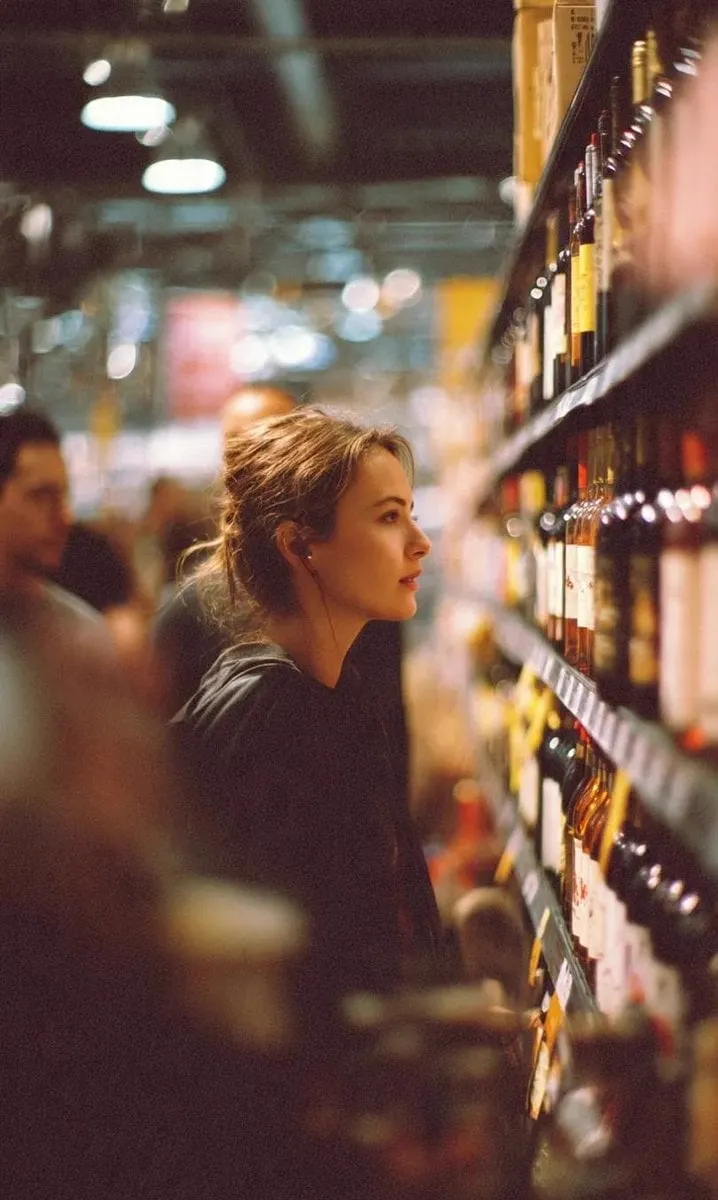
The difference between an AI video that looks like a demo and one that feels like a story is rarely the model. It is the prompt. A vague description produces a generic clip; a prompt built like a miniature script produces something worth watching. Visual storytelling through generative AI is a skill, and it is learnable. This guide breaks down how to write prompts that create coherent characters, cinematic framing, and meaningful sequences for AI video and image content.
Why a prompt is a story, not a description
Most people prompt with nouns: a cat, a city, a sunset. The model returns a pretty picture with no intent. A storytelling prompt describes a change: a character who moves from one state to another, an environment that reacts to an action, a moment with a before and after.
Think of the prompt as a one-sentence scene. It answers four questions: who is in the scene, what are they doing, where are they, and how does it feel? The last question is the one beginners skip, and it is the one that turns an image into a story.
The emotional layer is what makes a frame memorable. "A woman opens a letter" is information. "A woman in a dim kitchen opens a letter, her expression shifting from hope to worry" is a scene. The model can render the second version because the prompt tells it what to emphasize.
The anatomy of an effective prompt
A reliable prompt has a structure. Use it as a template and fill the fields with specific choices.
Subject: name the character with concrete attributes. Age, build, clothing, hair, and a defining feature. Consistency across shots comes from repeating this exact description.
Action: state a single clear action. What is happening, in present tense. Avoid stacking actions that confuse the model.
Setting: place the scene with enough detail to establish mood. Time of day, weather, location, and one or two signature props.
Camera: specify the angle, distance, and movement. Close-up, wide shot, low angle, slow push-in, tracking shot. Models trained with camera metadata respond strongly to this vocabulary.
Lighting and color: describe the light source, its quality, and the palette. Golden hour, hard noon light, neon glow, muted tones. This controls the emotional temperature of the frame.
Style: name the visual reference. Photorealistic, cinematic, anime, editorial, documentary. Keep the same style anchor across the whole project.
Keeping characters consistent across shots
Character consistency is the hardest problem in AI video. A hero who changes face between shots breaks the story immediately.
The practical method is a character sheet. Write one canonical description and reuse it verbatim in every prompt. Include the physical attributes, the costume, and the dominant expression. Treat it as a contract with the model.
For stronger consistency, use image references. When the tool supports a reference image, generate a keyframe of the character first, validate it, and use it as the base for every subsequent shot. This locks the identity better than any text description.
For sequences, work shot by shot. Generate the first frame, review it, then write the next prompt in relation to the previous result. Iterative generation keeps the drift small, because each step only needs to match the last frame, not an abstract description.
Cinematic parameters that elevate your prompts
The camera vocabulary is the fastest shortcut to professional-looking output. Add these elements to your prompts and the results will change immediately.
Focal length and lens feel: "shot on a 35mm lens" or "wide-angle with slight distortion" gives the image a photographic identity.
Depth of field: shallow depth of field isolates the subject; deep focus shows the environment. State it explicitly when it matters.
Camera movement: a slow push-in creates intimacy, a tracking shot creates momentum, a handheld feel creates urgency. Name the movement in the prompt.
Framing: close-up for emotion, medium shot for action, wide shot for context. Specify the frame the same way a director would.
Motion style: smooth and slow for elegance, fast and dynamic for energy. The pacing of the clip follows the description.
Matching the prompt to the model
Different models have different strengths, and the same prompt will produce different results across them. Learn what each tool favors, and adapt.
Photorealistic models reward concrete physical detail and realistic lighting. Use specific materials, textures, and light sources.
Stylized models reward strong art direction. Name the style, the palette, and the influence.
Models with strong temporal understanding reward action and sequence language. Describe motion, transitions, and cause-and-effect in the scene.
Models with character-reference features reward setup effort. Spend time on the keyframe and the character sheet, and the consistency across shots improves.
The general rule: read the tool documentation, test a known prompt, and adjust the vocabulary to what the model actually honors. A prompt tuned to the model beats a perfect prompt sent to the wrong tool.
Advanced techniques for photorealistic results
For high-fidelity output, the prompt needs to control the details that separate "AI look" from "cinematic look."
Control the light explicitly. Name the key light, the fill, and the accent. "Soft window light from the left, warm fill, cool shadow" produces a modeled, dimensional image.
Control the texture. Mention skin texture, fabric, weather, and wear. "Rain-soaked street, wet asphalt reflecting neon signs" gives the environment physical reality.
Control the imperfection. Perfect faces and clean lines read as artificial. Ask for natural asymmetry, motion blur on moving elements, and film grain.
Control the color story. Limit the palette to two or three dominant colors. A restrained palette reads as intentional; a rainbow reads as random.
Temporal and motion control for video clips
For video generation, the prompt must describe time, not just a frozen frame.
Describe the action arc: the beginning, the middle, and the end of the movement. "She turns toward the window, hesitates, then walks out of frame" gives the model a sequence to build.
Describe continuity: what stays the same and what changes. The background remains, the character moves. Explicit continuity reduces morphing artifacts.
Describe the rhythm: fast or slow, smooth or abrupt. This shapes the pacing of the generated motion.
Use keyframe language when the tool supports it. First frame and last frame descriptions frame the motion precisely.
Using prompts as metadata and production tags
Beyond the visible output, prompts are valuable as project metadata. Treat each prompt as a record of the shot: what was intended, which version was chosen, and what the final asset is.
A consistent naming and tagging system makes a production manageable. Tag each asset with the project, the scene, the shot, the character, and the model used. When you need to regenerate or match a look later, the prompt log is the fastest reference.
This practice also improves your own craft. Reviewing past prompts shows which patterns worked and which produced waste. Over time, the log becomes a personal playbook for visual storytelling.
A workflow for a multi-shot AI video
Follow this sequence to produce a coherent multi-shot piece.
Write the story beat sheet first. Know the beginning, the middle, and the end.
Build the character sheet. Write the canonical description and generate a validated keyframe.
Write the shot list. For each beat, define the action, framing, camera, and lighting.
Generate the key shots. Start with the opening frame, then proceed shot by shot, referencing the previous result.
Review the sequence together. Check the visual continuity, the emotional arc, and the pacing.
Regenerate the weak shots. Use the prompt log to adjust only the failing elements.
Assemble and refine. Edit the clips, add sound, and finish the piece.
Common mistakes and fixes
Vague subjects produce generic results. Always name a specific character with attributes.
Stacked actions confuse the model. Keep one clear action per prompt.
Ignoring camera language leaves the framing to chance. Add angle, distance, and movement.
Inconsistent character descriptions cause drift. Use the same canonical text everywhere.
Skipping the style anchor fragments the look. Repeat the same style elements across shots.
Generating the whole sequence in one pass hides problems. Iterate shot by shot and review as you go.
Example prompts you can adapt
Concrete examples make the principles usable. Here are prompt patterns that work across common storytelling needs.
For an opening establishing shot: "Wide shot of a coastal village at dawn, soft mist over the water, warm light breaking through, muted blue and orange palette, cinematic composition, no people". This sets the world and the mood before the characters appear.
For a character introduction: "Medium close-up of a young woman with a short red coat and a silver pendant, standing in a rainy street at night, neon reflections on wet pavement, shallow depth of field, cinematic". The details define the character and the environment in one frame.
For an emotional beat: "Close-up of an older man reading a letter, his expression shifting from hope to worry, single warm lamp light from the left, deep shadows, film grain". The prompt names the emotion and the light, which guides the model to the right rendering.
For an action moment: "Tracking shot following a bicycle courier weaving through narrow market alleys, golden hour, motion blur on the background, dynamic framing, handheld feel". The movement language creates energy.
For a transition or insert: "Slow push-in on a half-open window, curtain moving slightly in the wind, soft afternoon light, dust particles visible, quiet mood". The insert builds atmosphere between scenes.
For a closing shot: "Wide shot of the same coastal village at night, single light in one window, deep blue palette, calm sea, lingering mood". The echo of the opening frame closes the story.
Adapt the specifics to your project, keep the structure, and log the variants that work. Within a few projects, you will have a personal library of proven patterns.
Building a personal prompt library
The fastest way to improve is to treat your prompts as a collection to maintain, not as throwaway text.
Organize the library by project, then by shot type: establishing, character, dialogue, action, insert, close. For each entry, record the prompt, the model used, the settings, and the result quality. This record lets you reproduce a successful look and diagnose a failed one.
Review the library after each project. Delete the patterns that wasted time, keep the ones that produced usable frames, and refine the borderline cases. The library should shrink in count and grow in reliability.
Share the library with collaborators when working in a team. A consistent prompt language across a team produces a consistent visual output, which is the foundation of a coherent series or campaign.
Troubleshooting common failures
Even with solid prompts, generation fails. A short troubleshooting guide saves hours.
If the character changes between shots, the description is not specific enough or the reference is not being applied. Strengthen the character sheet, use a validated keyframe, and regenerate in sequence rather than in parallel.
If the motion looks wrong, the prompt likely lacks a clear action arc. Describe the beginning, middle, and end of the movement, and name the camera movement explicitly.
If the style drifts between frames, the style anchor is not consistent. Repeat the same palette, lighting, and texture language in every prompt, and use a reference frame for the look.
If the output is too busy, the prompt is overloaded. Cut the details until one clear action and one clear mood remain. Generative models follow emphasis, and an overloaded prompt produces an overloaded frame.
If the generation fails entirely, check the basic parameters: the prompt length, the aspect ratio, and the model's limits. Simplify and retry before changing the approach.
FAQ
What is the most important part of a prompt? The subject and the action carry the story. The emotional layer and the camera vocabulary carry the style.
How do I keep the same character across many shots? Use a canonical character description in every prompt, plus a validated reference image where the tool supports it.
Which camera terms should I learn first? Angle, distance, movement, and depth of field. These four control most of the cinematic feel.
Why do my videos look generic? The prompt likely describes a subject without an action arc, an emotional tone, or a camera choice. Add those three layers.
Should I use the same prompt for every model? No. Adapt the vocabulary to each model's strengths and test a known prompt first.
How long does it take to get good at prompting? A few projects. The prompt log accelerates the learning curve because you can see what worked.
Final thoughts
Visual storytelling with AI is a discipline of description. The model has the raw capability; the prompt directs it toward meaning. Build your prompts like scenes, anchor your characters, control the camera, and keep a log of what works. The result is content that looks intentional, holds together across shots, and communicates something worth watching. The models improve every cycle, but the craft of the prompt is what turns their power into stories.
