
Early AI video tools proved that text could become video. But the industry has moved past the novelty: creators now need tools that hold up in production — consistent characters, precise camera control, and outputs that fit a brand. That is why alternatives matter. This guide explains what changed, what to look for, and how to choose a platform that is production-ready, not just impressive.
From novelty to production standard
The first wave of AI video tools was judged by a single impressive clip. Today, the bar is different: can the tool keep a character identical across dozens of scenes? Can it follow complex camera instructions? Can it fit into a repeatable workflow?
Creators and agencies no longer accept short, abstract clips. They need platforms that behave like production suites: model choice, reference management, and consistent output. The tools that offer only basic generation are losing relevance fast.
What advanced tools add
The current generation of AI video tools adds three things that matter in practice:
- Cinematic control: lens choices, camera movement, depth of field;
- Style consistency: the same look across scenes and projects;
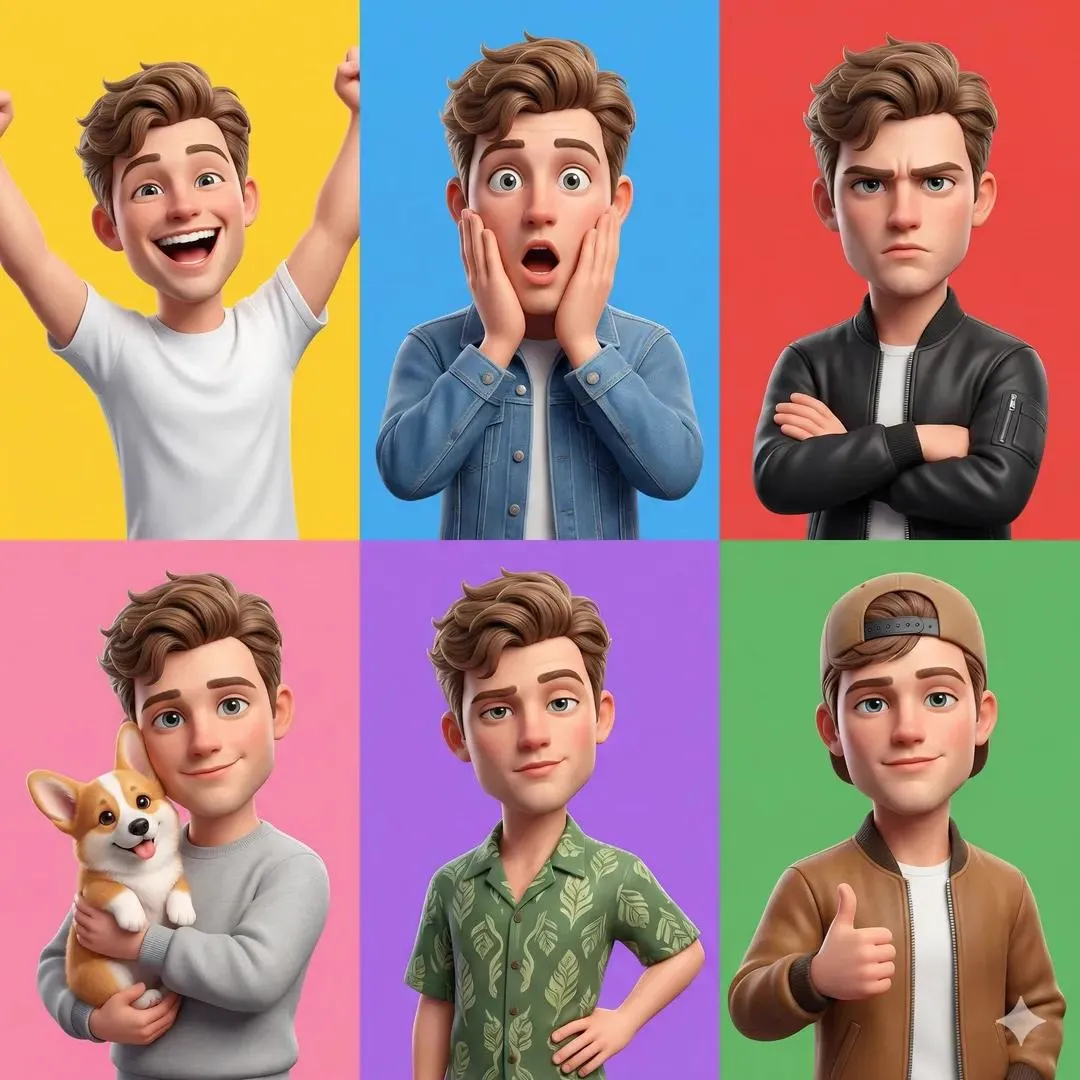
- Character retention: the same face and outfit from first frame to last.
When a tool offers these, you stop fighting the machine and start directing. You can prototype fast, lock a direction, and then produce the final render with confidence.
The reference-first workflow
The single most useful habit in professional AI video is working from references. Prepare a set of images for your character and style, then use them in every scene, regardless of the model. This is what separates reliable production from lucky generations.
Build the reference set with an AI image generator, then move to motion with image-to-video, which locks the first frame and keeps continuity from the start.
Evaluating alternatives properly
Don't compare features lists — run a project. Take one short script and produce it end to end on each platform. Measure: time to a good result, cost per iteration, consistency across scenes, and how painful corrections are. That test reveals more than any benchmark.
Also consider the ecosystem: can you switch models mid-project? Can you reuse references? Can the same platform handle your next project type, or do you restart every time? The AI video generator of Domer is designed around these questions, with model switching and reference sets in one workflow.
The cost of weak control
Without control, iterations multiply. Every failed generation costs time and money, and a project that needed ten tries instead of three has tripled its budget. Tools with strong cinematic control and consistency are often cheaper in the end, even when a single generation costs more.
Prototype with fast, affordable models; finish with high-quality renders. That split keeps experimentation cheap and final quality high.
Conclusion
Pika Labs alternatives matter because the requirements changed: production readiness beats novelty. Cinematic control, style consistency, and character retention are now the baseline for professional AI video. Choose a platform by running a real project, and build your workflow around references and segments.
Take one real project — a product spot, a short narrative, a social series — and produce it with reference-first workflow. Compare the effort, cost, and consistency against your current tool. That comparison will tell you which alternative is worth the switch.
