
Copyright Is the Creator Economy's Hidden Tax
Every YouTube creator eventually runs into copyright. A song plays in the background for eight seconds and the video gets a Content ID claim. A clip from a movie appears in a reaction and the channel receives a strike. A thumbnail uses an image found through a search and a lawyer's letter follows. The numbers are stark: copyright-related disputes have grown rapidly as both content volume and AI-assisted production have exploded. With petabytes of video uploaded every year, manual review cannot keep up, and creators are left navigating a system that feels designed to punish mistakes.
The good news is that the most effective strategies are proactive. Instead of fixing violations after they happen, successful creators eliminate the risk at the moment of creation. This article lays out practical, legal, and creative ways to reduce copyright risk on YouTube: producing original material, understanding licensing, using technology to document ownership, and building business models that do not depend on borrowed content.
Start with Originality
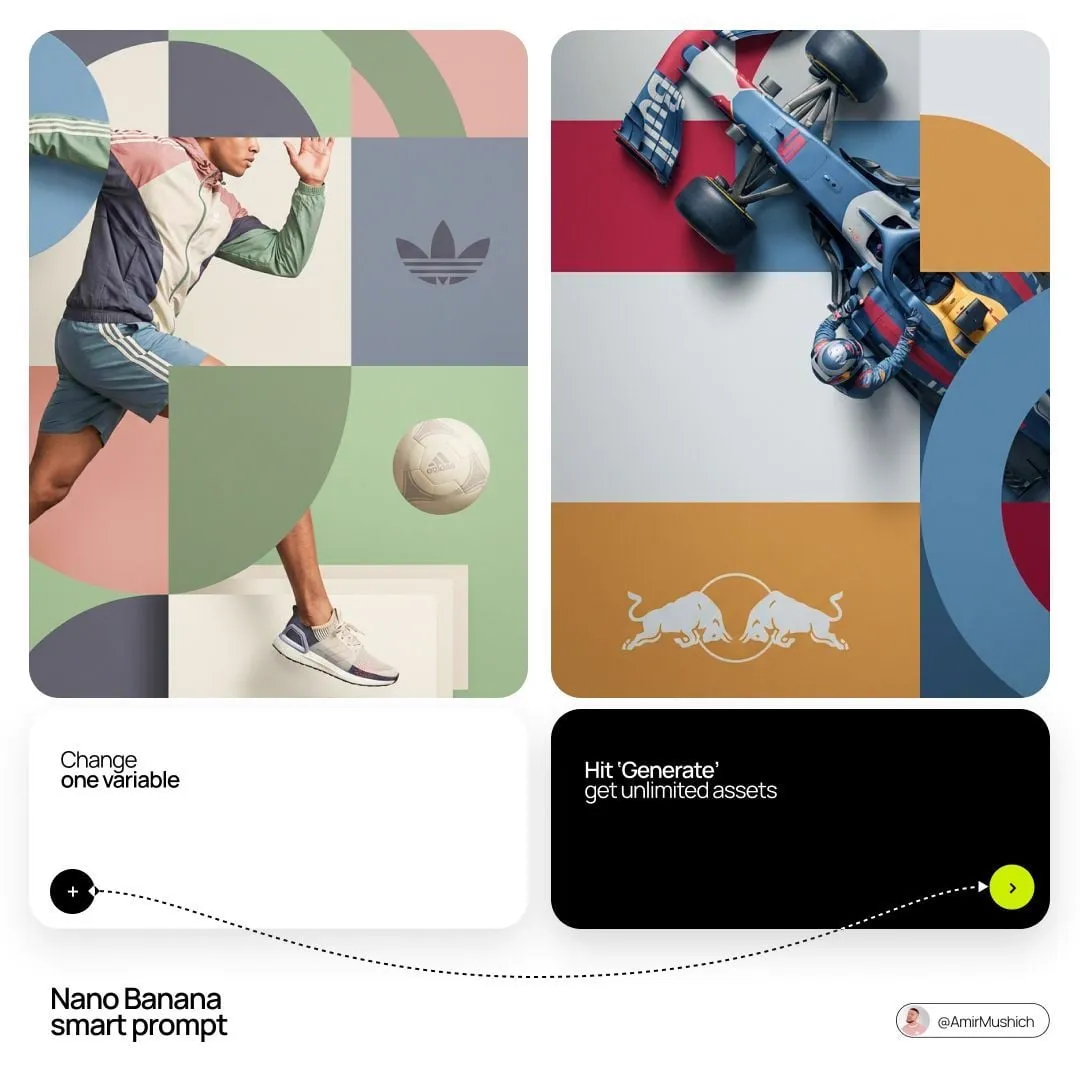
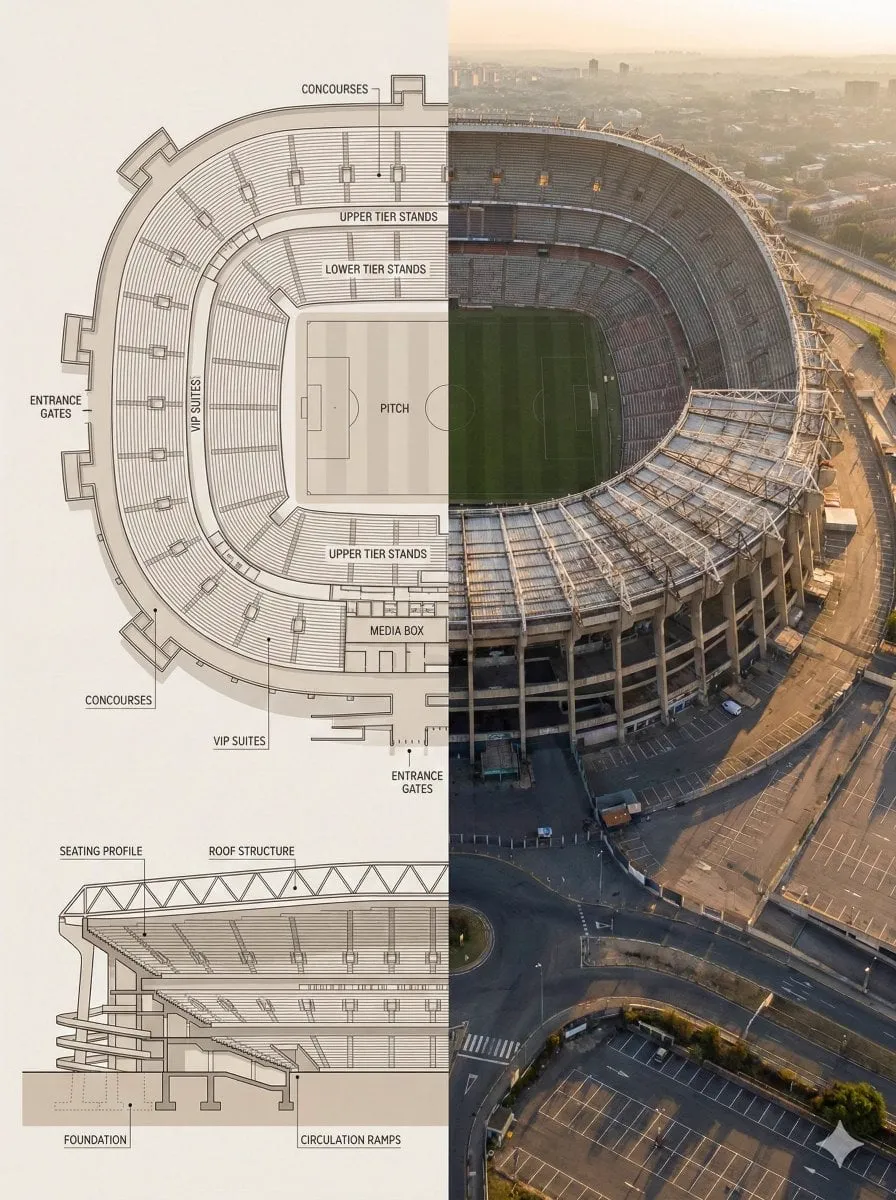
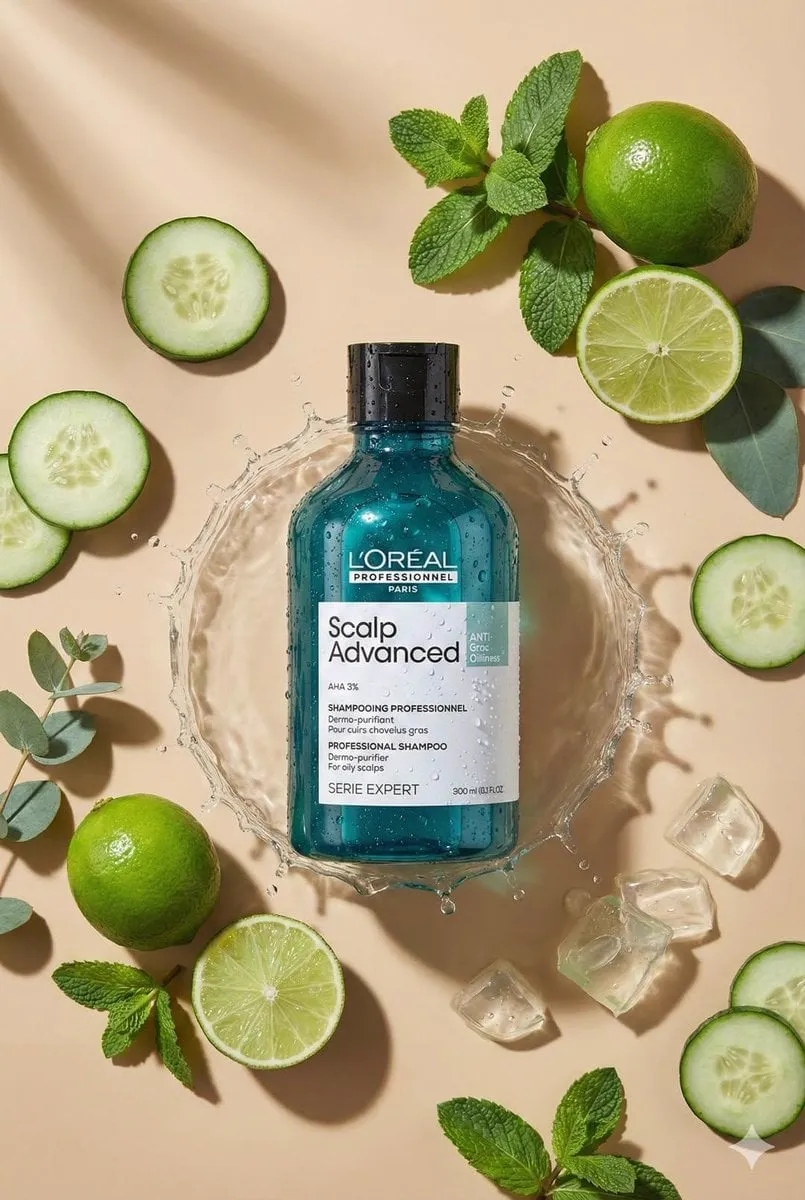
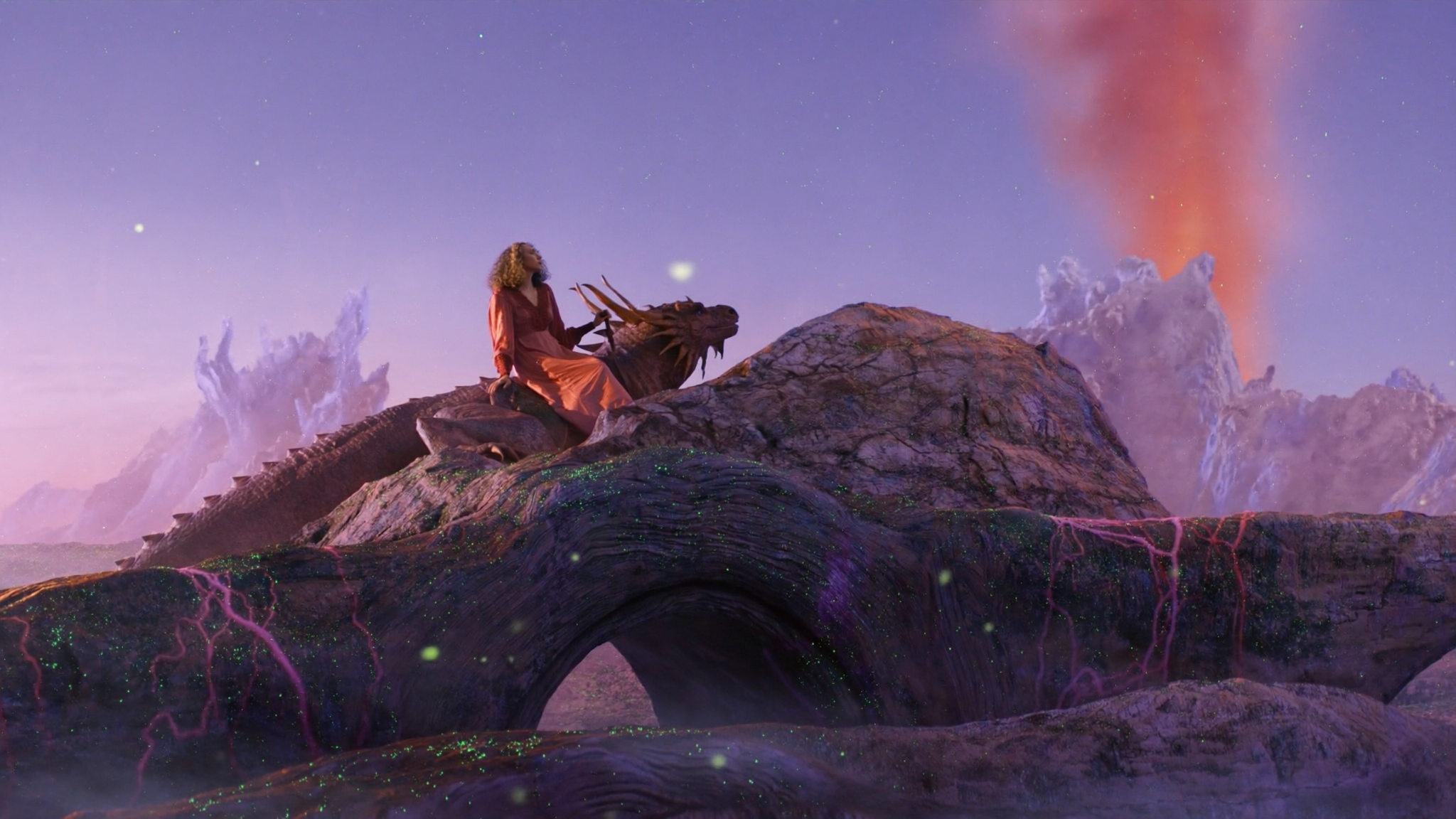
The single most reliable copyright strategy is to make what you use. Original footage, original scripts, original music, and original artwork are the foundation of a low-risk channel. This has never been easier because generative AI has democratized production. High-quality original scenes can be created from text prompts, eliminating the need to borrow clips from other creators or studios. Voiceovers can be generated rather than sampled. Music can be composed on demand rather than licensed track by track.
This does not mean AI content is automatically safe. Copyright law is still catching up, and questions about AI training data remain unsettled in many jurisdictions. But from a YouTube policy perspective, original AI-assisted content is treated as your content, and it dramatically reduces the chance of a Content ID match against someone else's library. The key is to treat AI as a production tool under your direction, not as a black box that produces finished assets without review.
Originality also extends to how you structure your work. Keep your own production records: project files, prompts, raw assets, and timestamps. If a dispute ever arises, these records are your evidence that the work originated with you. Documenting provenance is not bureaucracy; it is insurance.
License First, Sample Never
When you genuinely need third-party material, license it first. There are three tiers of safe usage. The first is royalty-free or Creative Commons libraries where the license explicitly permits commercial use, such as music libraries with clear terms. The second is paid licensing, where you buy a specific right for a specific use. The third is direct permission from the rights holder, ideally in writing.
The mistakes happen in the gray areas. "I found it online" is not a license. "The artist probably would not mind" is not a license. "It is only ten seconds" is not a license, because fair use is a defense, not a permission. Treat every piece of media you import as either clearly licensed or clearly original. If you cannot prove the license, do not use it.
Transparency about data sources is becoming a competitive advantage. Brands and platforms increasingly ask creators about the provenance of their content, especially when AI tools are involved. A creator who can show that every asset is either original or licensed builds trust that a creator relying on gray-area borrowing cannot match.
Fair Use: A Defense, Not a Shield
Fair use is widely misunderstood. In the United States, it is a legal defense evaluated case by case, weighing four factors: the purpose and character of the use, the nature of the copyrighted work, the amount used, and the effect on the market for the original. Commentary, criticism, education, and parody can qualify, but there is no formula that guarantees protection.
AI complicates the analysis. When a model transforms a work, the question becomes whether the transformation is sufficiently new to count as a derivative or whether it simply copies the essence of the original. Courts are still working through these questions. The practical guidance for creators is conservative: assume fair use is weaker than you hope, add genuine commentary and transformation, keep borrowed portions minimal, and be prepared to defend your reasoning if challenged.
If you rely on fair use, document your reasoning at the time of publication. Note what the original work is, why you used it, how your use transforms it, and what market impact your use is unlikely to have. This documentation will not prevent a claim, but it gives you and your lawyer a much stronger starting position if one arrives.
Technology as a Defense
Technology offers several layers of protection for creators who want to document ownership and respond to disputes efficiently.
Content registration and timestamps are the first layer. Several services let you register content and obtain a verifiable timestamp that proves when a work existed in a particular form. Blockchain-based registries add immutability: once a hash of your work is written to a distributed ledger, it cannot be silently altered. This does not create copyright, which exists automatically upon creation, but it creates powerful evidence of when and what you created.
Fingerprinting is the second layer. YouTube's Content ID scans uploads against a database of registered works. If you are a rights holder, you can register your own catalog so the system recognizes your content and lets you set the policy: monetize, track, or block. Registering your original work flips the system in your favor, turning you from a potential target into a rights holder with policy control.
The third layer is rapid response. When a false claim lands on your video, speed matters. YouTube provides dispute and appeal processes, and automated workflows can draft responses, collect evidence, and track deadlines. Many claims are automated or mistaken; a well-documented dispute resolves quickly. Conversely, missing deadlines converts a reversible claim into a strike.
Deepfake and synthetic media detection is a newer frontier. As AI-generated impersonation grows, platforms are deploying detection that identifies synthetic content. For creators, the implication is to label AI-generated content clearly. Not only is labeling increasingly required by platform policy, it also protects you against accusations that your synthetic content deceived viewers.
Business Models That Avoid Borrowed Content
The most durable solution is structural: build a business that does not depend on other people's work. Three models stand out.
The first is building and licensing your own dataset. If you create a library of original assets, sounds, templates, or models, you can license them to other creators. Your library becomes an asset that generates revenue while establishing you as a rights holder with registered content. This flips the entire copyright dynamic: instead of defending against claims, you are managing a catalog others license.
The second is integrating legal compliance into membership and subscription models. If your channel offers premium content, make licensing part of the product. Members pay for access to fully licensed music, fonts, and footage, removing the temptation to borrow. A clear membership policy that states exactly what is included and what rights members receive reduces disputes and builds trust.
The third is collaboration within legal ecosystems. Work with other creators who share your standards, use platforms that prioritize provenance, and join industry groups that advocate for clear rules. Legal ecosystems create shared expectations and reduce the friction of individual guesswork.
A Practical Risk-Reduction Workflow
Here is a checklist you can apply to every video before publishing.
First, audit every asset. List all footage, images, music, and sound effects used. For each one, record the source and the license. If any asset lacks a clear license, replace it with an original or licensed alternative. Second, generate original alternatives for common borrows: background music, stock clips, and reaction material. Third, label AI-generated content where platform policy or honesty requires it. Fourth, register your original catalog with the platform's fingerprinting system so your own content is protected and monetized. Fifth, write a short fair-use memo for any third-party material you intentionally include. Sixth, automate dispute response so a false claim triggers a documented, timely counter.
This workflow adds minutes to each video and saves hours when problems arise. The creators who skip it are not saving time; they are deferring risk.
Copyright Hygiene for Teams
Individual habits are not enough once a channel grows into a team. Copyright hygiene has to become a shared process. The first step is a rights register: a single document or spreadsheet listing every asset in your catalog, its source, its license, and its allowed uses. When anyone on the team needs a background track or a stock clip, the register answers the question "can we use this?" in seconds instead of a group chat argument.
The second step is an approval gate before publishing. Every video should pass a checklist: assets audited, licenses recorded, AI content labeled, third-party material documented. One person owns the gate, and the gate is not optional. This adds minutes per video and prevents the expensive mistakes that happen when a rushed editor drops an unlicensed track into a deadline piece.
The third step is a takedown and dispute playbook. When a claim arrives, the team should know exactly what to do: verify the claim, gather evidence, respond within the deadline, and escalate if needed. Write the playbook once and train everyone on it. In a dispute, speed and documentation matter more than legal brilliance, and a prepared team responds in hours instead of days.
The fourth step is regular audits. Every quarter, review the rights register for expiring licenses and unrecorded assets. Teams that skip audits discover their exposure only when a claim arrives. The audit is cheap insurance against the most common and most avoidable copyright failures.
What Changes Next: AI and Copyright
The copyright landscape is shifting under the influence of AI, and creators should watch three developments. The first is the legal status of AI-generated works. Courts and regulators are deciding whether purely machine-generated output qualifies for copyright protection, and the answers differ by jurisdiction. The safe assumption is that human direction and creative selection strengthen your claim to the work, so document your role in the process.
The second is the treatment of training data. Lawsuits over whether training on copyrighted material is infringement are working their way through courts around the world. The outcomes will shape which models exist and what they can legally produce. For creators, the practical consequence is that provenance and licensing will become more important, not less.
The third is platform policy. Platforms are expanding rules around synthetic media, requiring labeling, and building detection systems. Compliance is becoming a condition of monetization. The creators who treat labeling and provenance as standard practice today will not be caught off guard when the rules tighten tomorrow.
None of these developments removes the core advice of this article. Original material, clear licensing, documented provenance, and a fair-use defense used sparingly remain the foundation of a low-risk channel. The legal details will change; the discipline will not.
FAQ
Is it legal to use AI to generate content that resembles an existing style? Generating original content that is inspired by a style is generally different from copying a specific protected work. The line is drawn at substantial similarity to a particular expression. When in doubt, make your own version substantially different.
What should I do if my video gets a Content ID claim? First, determine whether the claim is valid. If it is a mistake or the material is yours, dispute it with evidence. If the claim is valid, either remove the material or accept the claim's policy. Never ignore deadlines.
Does monetizing my video affect fair use? Commercial use weighs against fair use in the analysis, but it does not automatically defeat it. Criticism and commentary can be commercial and still qualify. The other three factors still matter.
Should I register my copyright? Copyright exists automatically, but registration in the United States creates a public record and is required before filing an infringement lawsuit. For creators with valuable catalogs, registration is worth the cost.
Can AI-generated content be copyrighted? The law is evolving. In many jurisdictions, human authorship is required for copyright protection, so purely machine-generated content may not qualify. Content created with meaningful human direction and selection is more likely to be protected.
Conclusion
Copyright risk on YouTube is manageable, but only with a proactive approach. Produce original material, license what you borrow, understand fair use as a limited defense, use technology to document and defend ownership, and design business models that do not depend on borrowed content. The creators who build their channels on original work and clear licenses spend their energy creating, not defending. That is the real competitive advantage.
