

YouTube Shorts have evolved from a casual experiment into one of the most powerful discovery engines on the internet. For beginners, the idea of producing polished vertical videos can feel intimidating, especially if you believe you need an expensive camera, a rented studio, and years of editing experience. The truth is more encouraging: a decent PC, a few free or affordable tools, and a repeatable workflow are enough to publish Shorts that look professional. This guide walks through the entire process, from planning and hardware to editing, AI-assisted production, and publishing, so you can create your first Shorts with confidence.
Why YouTube Shorts Matter in 2025
Short-form video is no longer a side format. Platforms are built around it, audiences expect it, and the algorithm rewards it. In 2025, a large share of social media users consume short-form video every single day, and YouTube Shorts is one of the main entry points for new audiences. For a beginner creator, Shorts offer three major advantages.
First, the production bar is lower. A vertical video does not need complex multi-camera setups or broadcast-level lighting to perform well. Second, the feedback loop is fast. You can publish a Short, study the retention curve, and iterate within days rather than waiting months for a long-form channel to find its audience. Third, Shorts act as a discovery funnel. Many viewers who find you through a Short will watch your longer videos, subscribe, and become an audience you can build on.
That said, easy to start does not mean easy to win. The feed is crowded, and attention is scarce. The difference between a Short that disappears and one that takes off is usually not luck; it is planning, pacing, and a clear understanding of how the platform decides what to show.
What You Need Before You Start: PC Setup and Software
Hardware That Actually Matters
Video editing is one of the most resource-hungry tasks a normal PC can perform. You do not need a workstation, but you should avoid a machine that chokes on a three-minute timeline. The most important components, in order of impact, are RAM, storage, and GPU.
A minimum of 16GB of RAM is the practical baseline for editing 1080p or 4K vertical footage without constant freezes. If you can, 32GB makes multitasking comfortable, especially when you keep a browser, a music library, and an editor open at the same time. Storage matters almost as much: use a fast SSD for your project files and cache, because scrubbing through footage on a slow hard drive is painful. For the GPU, any modern card helps with effects, color grading, and encoding. NVIDIA cards are a common recommendation because many AI-assisted tools and encoders take advantage of CUDA acceleration, but a capable AMD card also works for standard editing.
If you plan to use AI video generation heavily, remember that most generation happens in the cloud. That means your GPU matters less for generating and more for editing and rendering. A mid-range GPU is usually enough; the money is better spent on RAM and SSD space.
Software Choices for Beginners
You have more options than ever, and most of them are free. DaVinci Resolve offers professional-grade color tools and a generous free version; its learning curve is steeper, but it scales with you as you improve. CapCut is the most beginner-friendly option for Shorts, with templates, auto-captions, music sync, and effects built for vertical video. Premiere Pro remains the industry standard for full-time editors, but it is overkill when you are just starting. Many creators also use a combination: CapCut for quick edits and DaVinci Resolve when they want finer control over color and sound.
Beyond the editor, you will want a few supporting tools: a screen recorder for clips, a free audio editor for cleaning voiceovers, and a thumbnail or title-card tool. Do not over-invest in software on day one. Start with the free tier of one editor, learn its shortcuts, and add tools only when a specific problem appears.
Planning Shorts That the Algorithm Loves
The First Three Seconds
The most important fact about Shorts is that the viewer decides in the first two or three seconds whether to keep watching. Everything else in your video supports that moment. A strong opening shows something interesting immediately: a surprising result, a bold claim, a close-up of the action, or a question that creates curiosity. Do not open with a logo animation, a long greeting, or a slow setup. In a vertical feed, the viewer's thumb is already hovering; you are competing against thousands of other videos.
A useful exercise is to write the first line of your Short before you shoot anything. If you cannot summarize the hook in one sentence, the idea is not ready. The hook should also match the promise of the video. If your Short is a tutorial, show the final result in the first second. If it is a transformation, show the before state and tease the after.
Watching Time and Completion Rate
The algorithm does not just count views; it pays attention to how long people watch and how often they finish. A video that gets 80 percent completion from a small audience will usually be promoted more aggressively than a video with 20 percent completion from a large one. This changes how you should think about length.
Shorts can be up to a few minutes long, but beginners are better off starting with 30 to 60 seconds. Shorter videos are easier to pace and easier to complete. Cut anything that is not essential. Every second should either advance the story, add information, or create a reaction. If a segment makes you hesitate, delete it.
Using Data to Pick Topics
Creativity matters, but so does evidence. Before you invest hours in a video, check what people are actually searching for and watching. YouTube's search suggestions, Google Trends, and the trending pages of other platforms give you signals about rising topics. Look for topics that combine a decent level of interest with a specific angle you can execute. How to edit a Short is a broad topic; how to add auto-captions to a Short in three minutes is specific, searchable, and easy to deliver value on.
Keep a simple idea log. Whenever you see a comment asking a question, a video with a high view count but a weak execution, or a trend that fits your niche, write it down. Then schedule a weekly planning session where you turn the strongest ideas into hooks.
Getting Footage: Filming and AI Generation
Smartphone Filming on a Budget
The camera in your pocket is better than the equipment most studios owned a decade ago. For Shorts, a modern smartphone shot in good light is more than sufficient. The key is to understand the basics: shoot in the highest resolution your phone supports, keep the phone steady with a cheap tripod, and use natural light whenever possible. Film in portrait orientation or shoot landscape and crop to 9:16 in the editor, depending on what looks better.
Sound is often more important than picture. Viewers tolerate average visuals but not muffled audio. If your Short includes a voiceover, record it in a quiet room, close to the microphone, and clean it up in your editor. For music-driven Shorts, use the editor's licensed music library to avoid copyright headaches.
AI-Generated Footage on Your PC
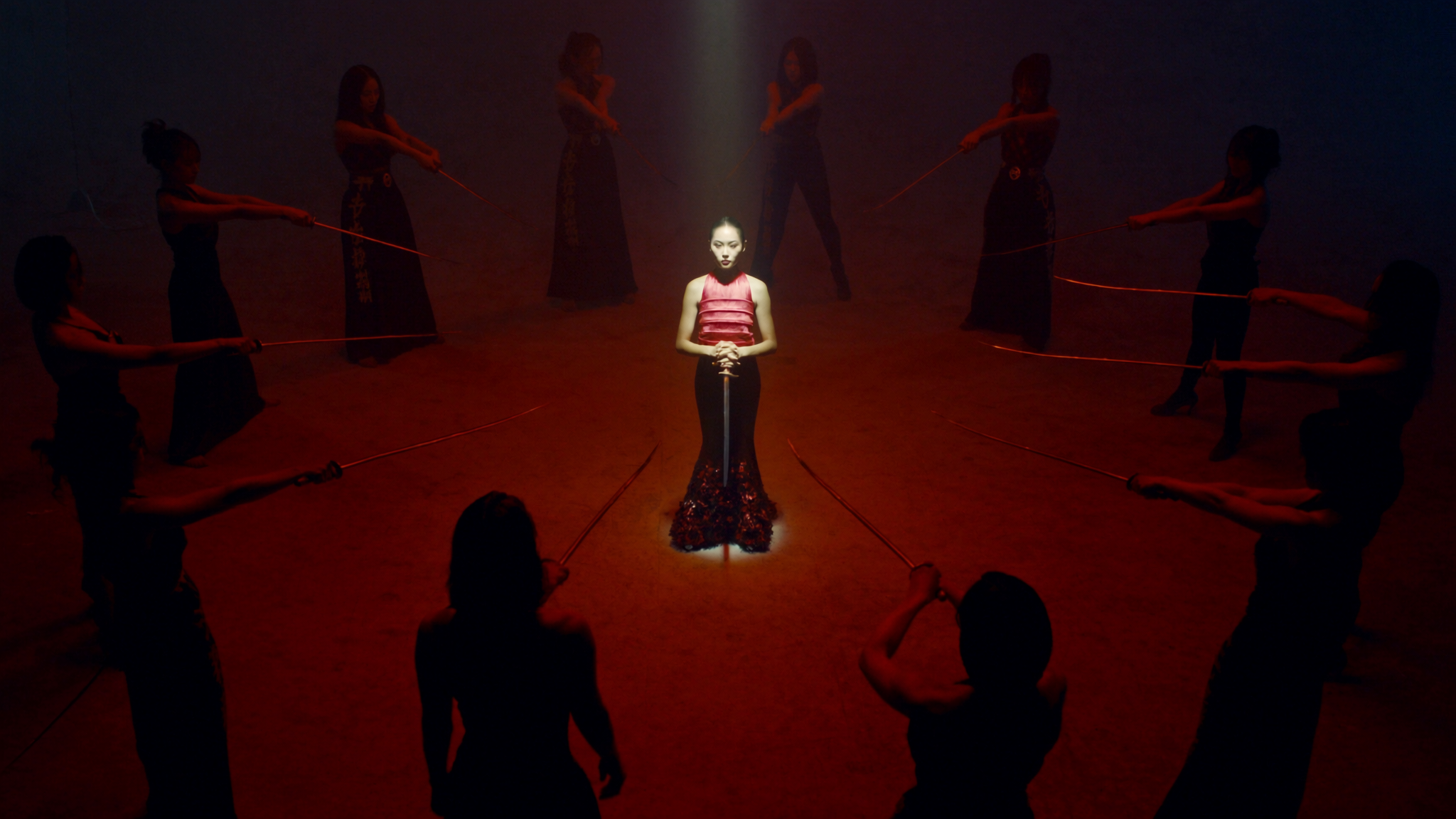
AI generation has changed what a solo creator can do. Instead of filming a scene you cannot physically produce, you can describe it and let a model create the visuals. This is especially useful for cinematic backgrounds, product demonstrations that do not exist yet, stylized animations, and impossible camera movements.
The workflow is simple in principle: write a detailed prompt describing the subject, the setting, the lighting, the camera movement, and the mood, then generate several takes and pick the strongest. Most generation happens in the cloud, so your PC only needs a browser. The craft is in the prompting: be specific about style, avoid ambiguous words, and iterate. Do not settle for the first output; the difference between a generic clip and a memorable one is usually two or three rounds of refinement.
Editing Your First Short: The Core Workflow
Cut to the Beat
The fastest way to make an edit feel professional is to cut on the beat. Load your music first, find the rhythm, and place cuts where the beat lands. Viewers feel the sync even when they cannot name it. Most beginner editors offer a beat-detection feature that marks the rhythm automatically; use it as a starting point and refine by hand.
A second habit is to cut out every pause. In a Short, dead air reads as amateur. Between sentences, between actions, between scenes, trim the silence. Your video will feel faster, tighter, and more confident even if the total length does not change much.
The 9:16 Canvas
Shorts live in a vertical frame, so design for it. Keep important visual information in the center of the frame, because the sides are often covered by interface elements on the phone. When you add text, keep it short and readable at a glance; two or three words per line is a good rule. If you are converting a landscape clip, either crop it carefully or use blurred background fills instead of stretching the image.
Captions deserve special attention. A large percentage of Shorts are watched with the sound off, and auto-generated captions improve retention and accessibility. Use your editor's caption tools, check the timing, and make sure the text never covers the subject's face or the most interesting part of the frame.
Sound Design in a Minute
Even a simple Short benefits from a three-layer sound design: music underneath, a voiceover or dialogue on top, and a few sound effects for emphasis. Set the music volume low enough that the voice remains clear, and add whooshes or pops at transitions and key moments. This small habit separates hobby-level videos from videos that feel produced.
Using AI to Speed Up Your Workflow
Automated Captions and Subtitles
Manual captioning is the most tedious part of Shorts, and it is exactly the task AI handles well. Most modern editors generate captions from the audio track in seconds. The result still needs a human pass: fix names, split long lines, and highlight keywords with color or weight. Do this once per video and the retention lift is often noticeable.
AI Voiceovers and Music
If you are uncomfortable on camera or need a narration track quickly, AI voiceovers have become remarkably natural. Choose a voice that matches your content's tone, write the script in short sentences, and listen for pacing. A good voiceover can carry an entire video: animated stories, listicles, explainers, and tutorials all work without a face on screen.
AI-Assisted Color and Upscaling
Many editors now include one-click color corrections and upscaling tools. Use them as a final polish rather than a crutch: apply the correction, check skin tones and contrast, and export at the highest quality your workflow allows. If your clips come from different sources, a consistent color grade makes them feel like one production.
Making Shorts That Look Cinematic
Camera Movement and Framing
Movement is what separates flat videos from cinematic ones. If you are filming, move the camera slowly in one direction, or move the subject through the frame. If you are generating footage, specify camera movement in the prompt: a slow push-in, a tracking shot, a handheld feel. In editing, add subtle zoom or pan effects on still images and use the rule of thirds to place your subject.
Jumping on Trends Fast
Trends have a short life. The creators who win are not necessarily the most talented; they are the fastest. Build a trend response workflow: keep a small library of reusable templates, know your niche's trending sounds and formats, and aim to publish within hours or days of a trend appearing. Speed beats perfection in this game.
Encouraging Engagement
A Short that ends with a question or a part two coming soon prompt invites comments and rewatches. Design the ending as deliberately as the opening. A loop-friendly ending, where the final frame connects visually to the first, increases repeat views. Engagement signals such as comments, shares, and rewatches feed back into distribution, so make them easy and natural to produce.
A Sample Workflow for a One-Person Team
A repeatable workflow is the single best investment a beginner can make. Here is a template that works for a single creator producing three to five Shorts per week:
- Batch plan on Sunday: pick five topics, write the hooks, and log them.
- Gather assets: film clips, collect generated footage, and choose music.
- Edit in order: cut to the beat, trim dead air, add captions, mix sound.
- Review on a phone: check the first three seconds, readability of text, and volume.
- Publish with a strong title and description, then schedule the next one.
The goal is not to optimize every step in week one; it is to create a routine that removes decision fatigue. Once the routine exists, you can improve one step at a time.
Frequently Asked Questions
Do I need a powerful PC to make Shorts?
Not a powerful one, but a capable one. 16GB of RAM, an SSD, and a mid-range GPU are enough for most editing workflows. AI generation happens in the cloud, so your PC only needs a browser for that part.
What is the best length for a beginner Short?
Start with 30 to 60 seconds. Short videos are easier to pace, easier to complete, and faster to produce, which lets you iterate and learn quickly.
Should I use my phone or a PC to edit?
Both work. Phones are great for quick edits on the go; a PC gives you more control, better multitasking, and access to AI-assisted tools. Many creators start on a phone and move to a PC as their workflow grows.
How important are captions?
Very important. Many viewers watch with the sound off, and captions improve retention, accessibility, and rewatch value. Use auto-captioning and then fix the details manually.
How do I know if a topic is worth making?
Check search suggestions and trends, look for a specific angle, and test the hook with a quick version. Speed and iteration beat perfection when you are learning.
Final Thoughts
Making Shorts on a PC is a skill you can build in weeks, not years. Start with the simplest workflow that produces a finished video, publish consistently, and study what your audience actually watches. Add AI tools where they remove friction, keep your hook sharp, and let the data guide your next idea. The platform rewards creators who show up, iterate, and respect the viewer's attention. That is a game any beginner can play.
