

The Limitations of Single-Prompt Workflows
Most creators interact with AI video tools one prompt at a time. You type a description, get a result, tweak, repeat. This works for simple clips but breaks down when you need to produce multi-scene narratives, variant testing, or high-volume content. Batch prompting is the solution.
What Is Batch Prompting?
Batch prompting is the practice of designing multiple prompts to execute as a coordinated sequence. Instead of prompting "a person walking in a park," you design a batch that includes:
- Wide establishing shot of the park
- Medium shot of the person walking
- Close-up of their expression
- Transition to a different location
- Continuity constraints across all shots
The AI processes these as a connected unit, maintaining visual consistency.
Core Techniques
Prompt Chaining
Each prompt references elements from the previous one. Example:
Prompt 1: "A woman in a red coat, city street, golden hour light"
Prompt 2: "Same woman in red coat, now inside a café, warm interior lighting, continuity with previous scene"
This explicit referencing helps the AI maintain character and style.
Variable Parameterization
Define template prompts with variables:
"[SUBJECT] in [LOCATION], [LIGHTING], [CAMERA_ANGLE] shot, consistent with [REFERENCE_IMAGE]"
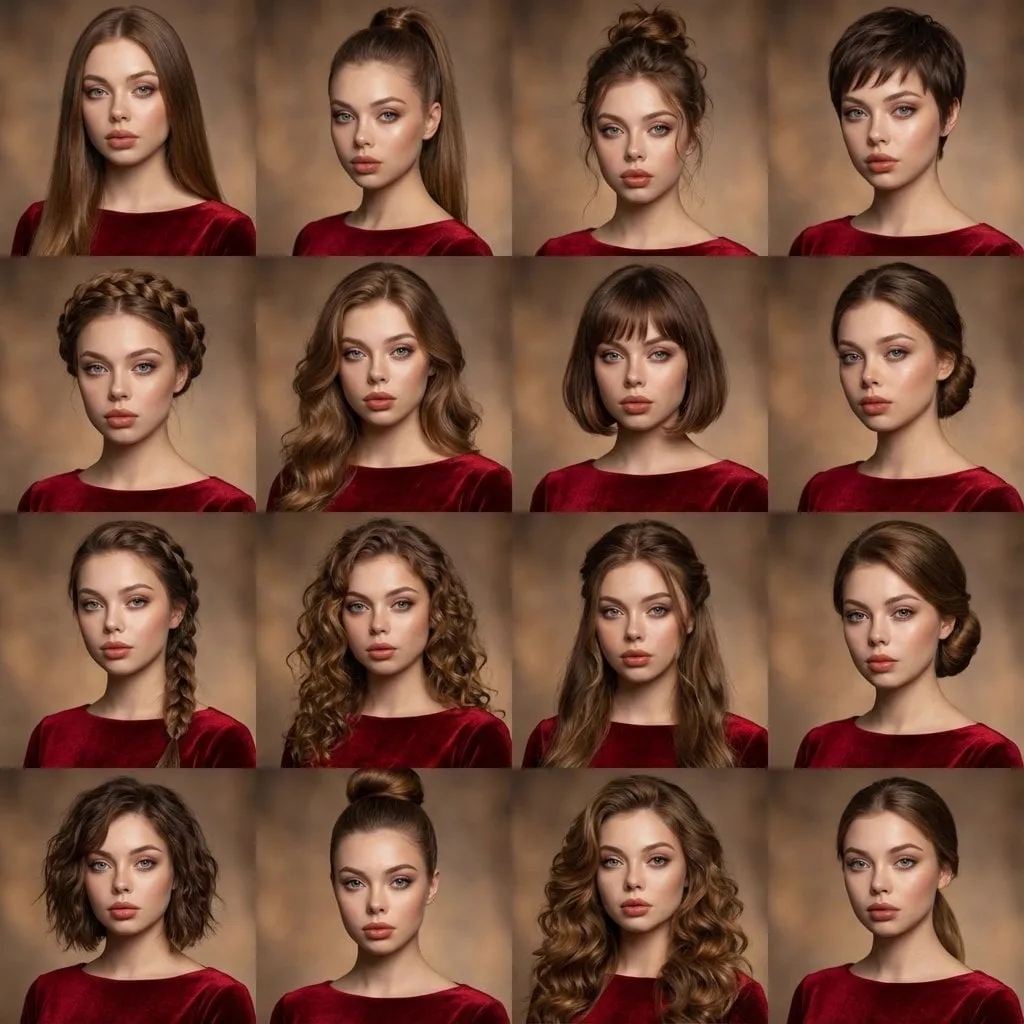
Swap variables to generate dozens of variations from a single template.
Seed Management
Keep seeds consistent within a batch for character continuity. Change seeds between batches for variety. This is especially useful when working with the AI video generator for multi-scene projects.
Building a Batch Workflow
Step 1: Scene Planning
Map your narrative. Each scene gets a scene ID, description, key visual elements, and continuity requirements.
Step 2: Reference Image Generation
Use GPT Image 2 to generate keyframe reference images for major scenes. These anchor the visual direction.
Step 3: Prompt Matrix Creation
Build a spreadsheet or JSON with all prompts, organized by scene. Include parameters for model, seed, duration, and motion type.
Step 4: Execution
Process batches during off-peak hours. The AI image generator and Seedance 2.0 handle batch operations efficiently.
Step 5: Quality Control
Spot-check results. Flag inconsistencies. Re-run failed or subpar generations. Keep a log of what worked.
Advanced Patterns
A/B Variant Batches
Generate the same scene with 3-5 different style prompts. Compare and select the best.
Progressive Refinement
Start with low-resolution quick drafts. Select the best. Upscale and refine only the winners.
Narrative Consistency Batches
For story-driven content, include a "character bible" prompt at the start of each batch that defines the character's appearance, ensuring consistency.
Common Pitfalls
- Over-constraining prompts (leads to artifacts)
- Forgetting to reset seeds between unrelated batches
- Not accounting for generation time when planning deadlines
- Skipping the QC step and discovering issues too late
Batch prompting transforms AI video generation from a toy into a production tool. Master it, and you can scale your creative output by 10x or more.
