

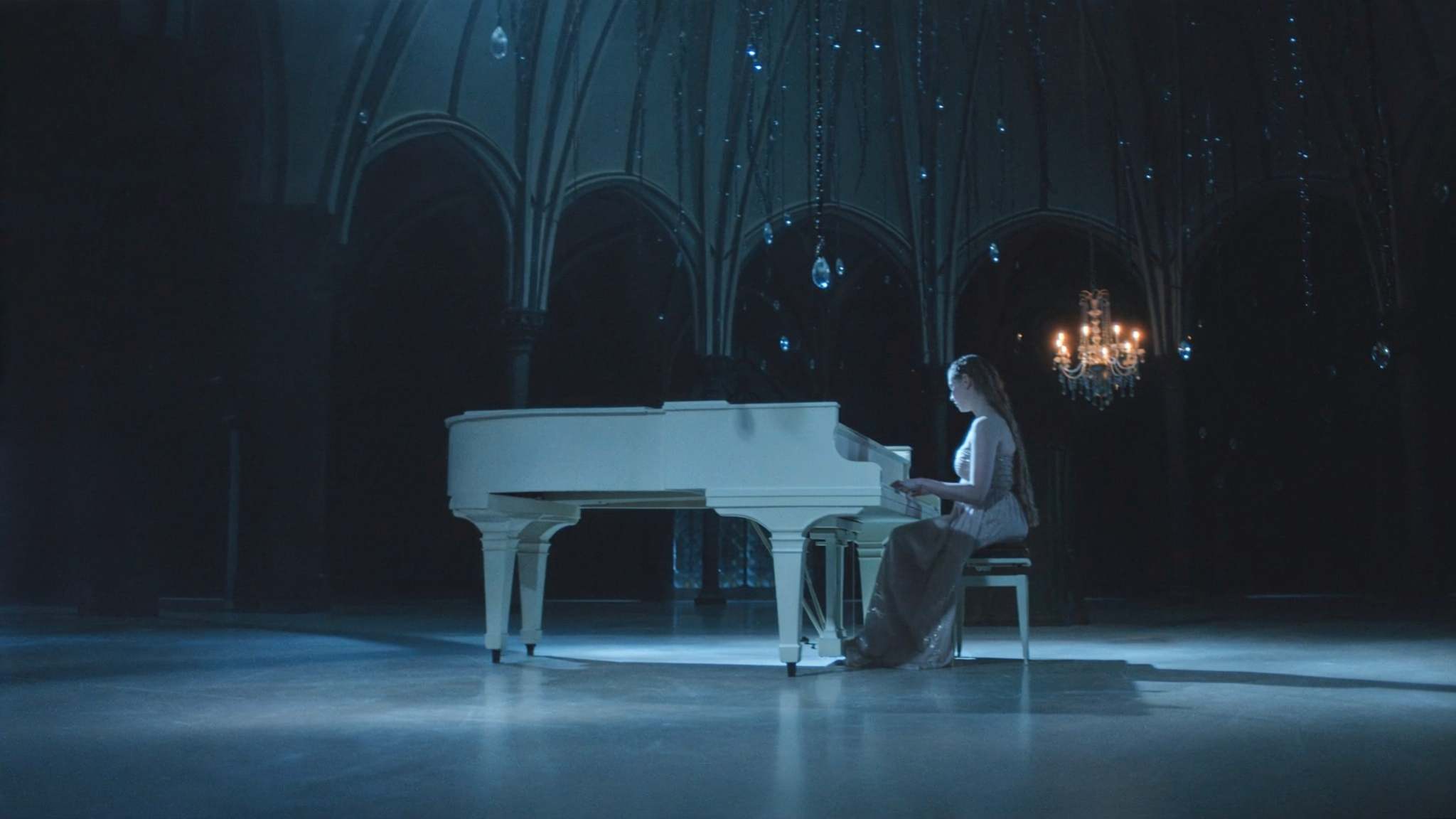
The hardest part of filmmaking has never been operating a camera. It is deciding where the camera goes, what the audience should feel at every moment, and how dozens of shots assemble into a sequence that works. Generative video has made the mechanical side of production dramatically easier, which means the directorial side now matters more than ever. This is where AI agent directors come in: systems that do not simply generate clips on demand, but interpret a director's creative vision and translate it into structured, executable production decisions. This guide explains what an AI agent director is, what it can and cannot do, and how to use one to direct cinematic sequences from first idea to final cut.
What an AI Agent Director Actually Is
An AI agent director is software that makes high-level creative decisions during video production, in contrast to conventional generative tools that merely respond to individual prompts. Give a conventional tool a prompt and you get a clip; give an agent director a story, a mood, and a set of constraints, and it produces a plan, breaks it into shots, selects appropriate generation strategies for each shot, and manages the consistency of characters and environments across the whole sequence.
The distinction matters because it changes where the creative work happens. With prompt-based tools, the director does all the thinking and the tool does all the rendering. With an agent director, the director describes the intent and the agent handles a meaningful share of the production reasoning: which shots serve the story, which emotional intensity each shot needs, which assets must stay consistent, and what to do when the first attempt does not work.
An AI agent director is best understood as a copilot. It does not replace the director's taste, judgment, or authorship. It replaces a large amount of tedious production management, and it keeps the creative intent alive across a process where it would otherwise be lost between prompts.
It is worth emphasizing that the core capabilities are not separate features bolted together; they reinforce each other. Narrative structure decides what shots exist, visual composition decides how those shots look, and asset management decides whether the shots look like they belong to the same film. An agent that handles all three keeps the sequence coherent at the level where coherence actually lives, which is why the whole is much more useful than any single feature.
The Three Core Capabilities
Across different implementations, AI agent directors converge on three core areas of directorial work: narrative structure, visual composition, and asset management.
Narrative Structure
The first capability is turning a rough script or idea into a production structure. The agent breaks the material into discrete scenes and shot sequences, identifies the narrative turning points, and suggests the emotional intensity required at each beat. A chase sequence needs rising tension and short, aggressive shots; a quiet revelation needs a long take and minimal camera movement. The agent does not invent the story, but it maps the story onto a production plan with concrete recommendations for pacing and emphasis.
This is genuinely useful work. Most beginning directors know their story but underestimate how much structural decision-making happens between the story and the shot list. An agent director forces those decisions to be made explicitly, early, and in writing, which is exactly the discipline that separates coherent sequences from random collections of footage.
Visual Composition
The second capability is translating narrative intent into visual decisions. For each shot, the agent considers framing, camera movement, lighting direction, and color treatment, and produces generation parameters that serve the emotional goal of the moment. A close-up with shallow depth of field reads differently than a wide shot with deep focus; a warm grade reads differently than a cold one. The agent keeps these choices consistent with the overall visual language of the project, which prevents the stylistic chaos that plagues most AI-generated projects.
Asset Management
The third capability is managing the assets that must remain consistent across shots: characters, locations, props, and style. The agent maintains a character identity for each person in the sequence, tracks which references were used, and ensures every scene generation aligns with the same identity. It does the same for environments and style parameters. This is the quiet work that makes a sequence feel like one film instead of a series of unrelated clips, and it is the capability that separates agent-directed production from manual prompt-by-prompt production.
Integrating Multiple Models Without Losing the Thread
One of the most valuable things an agent director enables is a multi-model workflow. Different generation models have different strengths: some produce photorealism, some excel at motion, some handle stylized looks, and some are fast and cheap for rough cuts. A director may want the photorealism model for hero shots and the fast model for transitions.
Without an agent, switching models mid-project is a recipe for inconsistency, because each model interprets the world differently. With an agent director, the identity layer sits above the models. Characters are defined by fused references, not by any single model's output, and every model is forced to align with the same identity. You can switch between models shot by shot, and the character remains the same because the consistency is managed at the asset layer, not at the model layer.
The same logic applies to style. The agent holds the project's style parameters, and every model receives the same constraints, so the visual language survives the model changes.
The Workflow: From Idea to Final Cut
Using an AI agent director effectively is itself a workflow, and it pays to follow the stages in order.
Stage 1: Initial Direction
Start by giving the agent a clear brief: the logline, the emotional arc, the key scenes, and the visual tone. The more specific you are about intent, the better the agent's structural recommendations will be. This stage is where you also establish the character files and the style parameters that will govern the whole project.
Review the production plan the agent produces. Adjust pacing, cut scenes that do not serve the story, and add beats that are missing. The plan is a draft, not a verdict, and your edits here shape everything that follows.
Stage 2: Cross-Model Generation
With the plan approved, move into generation. The agent executes the shot list, selecting the appropriate model and parameters for each shot and maintaining identity alignment across all of them. Generate in passes: first a rough pass to validate the sequence, then a refined pass for the shots that matter.
During this stage, review at the sequence level, not the clip level. A clip can look great and still fail the sequence if it breaks pacing or continuity. Ask the agent for the sequence assembled, then judge.
A cadence that works well in practice: review after every three to five shots, and review the assembled sequence at the end of each scene. Short review loops catch drift before it compounds, and scene-level reviews catch pacing problems before they reach the cut. Skipping the review loop to save time reliably costs more time later, because problems found at the end are always the most expensive to fix.
Stage 3: Post-Production Supervision
After generation, the agent helps with the finishing decisions: which takes to use, where to cut, how to grade, and where the sound design needs to support the emotion. It can flag continuity errors, suggest timing adjustments, and keep the project's parameters consistent during the final pass.
Post-production is also the moment to correct course. If a character drifted in one scene, fix the identity and regenerate that scene rather than patching frames. If a scene's emotion misses the mark, revisit the shot parameters. The agent makes this iteration cheap because it can regenerate specific shots while preserving everything else.
Working with Community and Third-Party Assets
A mature production rarely relies on a single creator's assets. Community models, custom styles, and third-party references are part of the modern AI production ecosystem, and an agent director can integrate them cleanly because everything passes through the identity and style layer.
When you bring in a community model, the agent treats it as another generation option with known strengths and costs, and applies the same identity constraints. When you use a custom style, the agent maps it onto the project's style parameters so it coexists with the rest of the sequence. The result is that external assets expand your toolkit without fragmenting your project.
Common Mistakes and How to Avoid Them
Treating the agent as an autopilot. The agent executes intent; it does not replace it. Projects fail when the director stops making decisions and lets the tool fill the vacuum. Stay engaged at every review point.
Skipping the initial direction stage. The quality of the production plan determines the quality of everything downstream. A vague brief produces a vague film.
Letting the agent choose the style. Style is a directorial decision. Keep the palette, lighting, and treatment under your control and use the agent to enforce them, not to choose them.
Reviewing clips instead of sequences. Individual clips can all be beautiful while the sequence fails. Always review the assembled sequence, because that is what the audience experiences.
Fixing symptoms instead of causes. When a shot fails, regenerate with adjusted parameters, do not patch the frame in post. Symptom fixes multiply the work and degrade the result.
Setting Up Your First Agent-Directed Project
If you are starting from scratch, the setup has five parts, and each one pays off later.
First, write the brief. The brief is the contract between you and the agent: logline, emotional arc, key scenes, visual tone, and constraints. It does not need to be long, but it needs to be explicit. Vagueness in the brief becomes vagueness in the production plan, and vagueness in the plan becomes inconsistency in the film.
Second, build the character files. For every character in the sequence, assemble a reference set and fuse an identity. Do this before generation, not during. Characters are the hardest thing to retrofit, and the fused identity is what keeps them stable when the models change.
Third, define the style parameters. Palette, lighting direction, material treatment, and grain. Write them down as project constants. The agent will enforce them, but only if they exist in the first place.
Fourth, generate the production plan and review it against the story. The plan is a draft of the film on paper. Cut scenes that do not serve the arc, move beats that are in the wrong place, and add the transitions the story needs. This review is the cheapest edit you will ever make, because it costs nothing and shapes everything that follows.
Fifth, run a validation pass before the full production. Generate a small sample of shots across the sequence, from different scenes and emotional registers, and check identity, style, and pacing. Fix the issues here, while the project is small, and the full production will run clean.
Frequently Asked Questions
How long does it take to set up an agent-directed project? The first project is slower because you are building the brief, character files, and style parameters from scratch. The second project is dramatically faster, because the discipline and the assets carry over.
Do AI agent directors work for short-form content too? Yes. The same structure, consistency, and asset management apply to a thirty-second clip, and the discipline often improves short-form content noticeably.
Do I still need editing skills? Yes. The agent helps with decisions, but you still assemble, cut, grade, and mix. Think of it as having a production assistant, not a finished film.
Can an agent director handle multiple characters? Yes, as long as each character has its own identity file. The agent tracks them independently and keeps them distinct through the whole sequence.
How much does an agent director replace the human director? It replaces production management, not authorship. The vision, taste, and final calls remain with the director. The agent makes those calls cheaper and more consistent to execute.
Is the technology mature enough for professional work? For sequences that need consistency, structure, and multi-model coordination, yes, and the gap between agent-assisted and manual production is widening as models multiply.
Final Thoughts
The arrival of AI agent directors changes the shape of production: the bottleneck moves from rendering to directing. The tools handle the labor of keeping characters consistent, styles stable, and shots aligned with intent, and that frees the director to do the work that only a human can do: deciding what the story means and what the audience should feel. Use the agent as a disciplined copilot, keep the vision yours, and the sequence you direct will hold together in ways that prompt-by-prompt production never can.
