

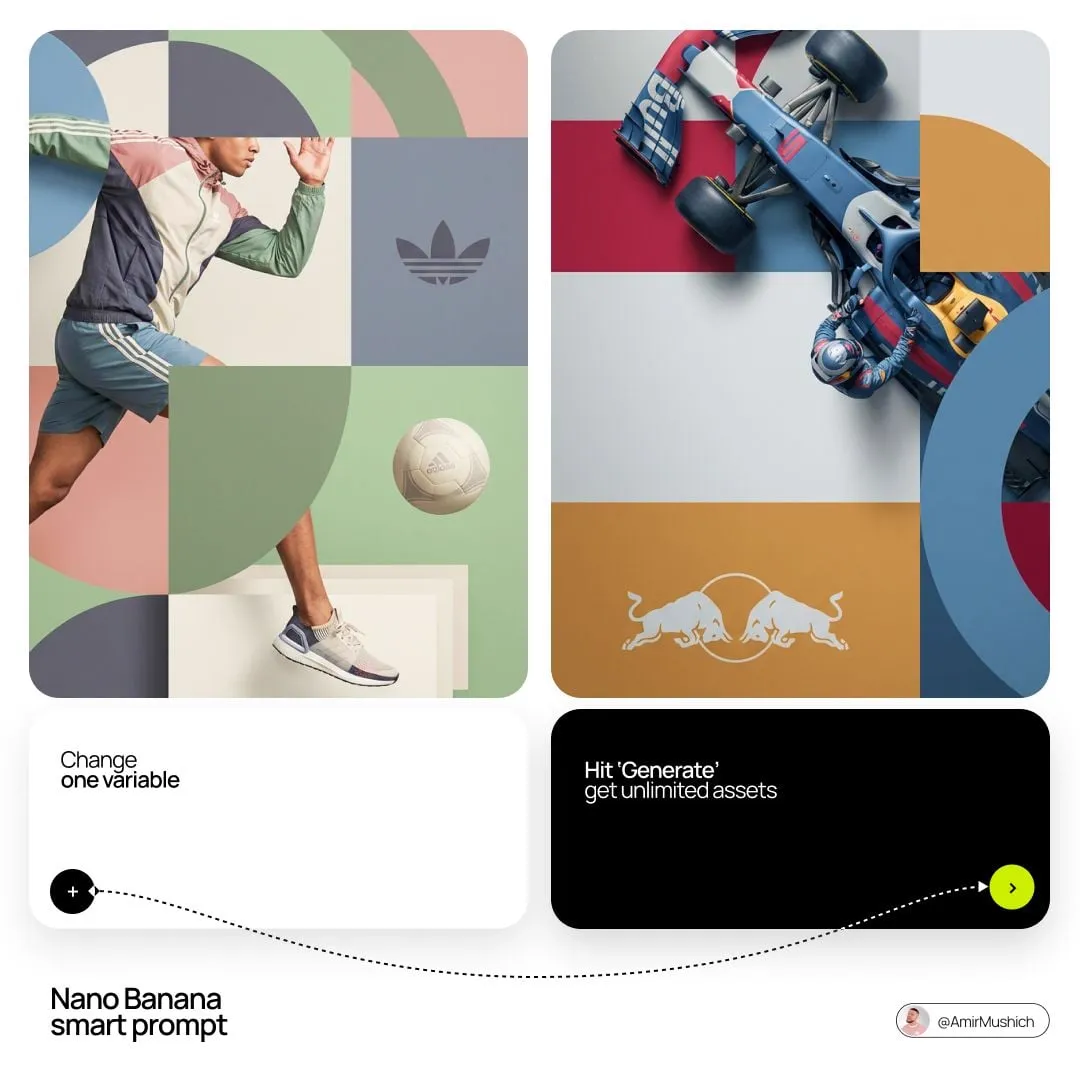
Good storytelling is the difference between content people skip and content they finish, share, and remember. The craft of turning an idea into a script, then into a sequence of shots, has traditionally been slow and labor intensive. AI assistants are now changing that, compressing the journey from concept to storyboard and giving creators the ability to explore many more narrative possibilities.
This guide walks through the art of AI-assisted storytelling: how to use assistance to build narrative structure, generate alternative scenes, keep visual continuity, and organize the whole production. The focus is on the craft of writing and directing well, with artificial intelligence as a supportive partner rather than a replacement for judgment.
Why AI changes the storytelling process
For decades, a writer would spend days or weeks developing a polished script and an accompanying storyboard. Every revision meant rewriting, and exploring alternative endings was expensive. AI removes many of those constraints. It can produce a first draft almost instantly, suggest variations on demand, and convert narrative descriptions into structured visual plans.
That speed changes how you work. Instead of committing to one path early out of necessity, you can afford to explore. You can generate several versions of a scene, test different tones, and only then decide which one to develop further. The result is both faster production and greater creative depth because you are no longer limited to the first idea that arrives.
The technology democratizes access, too. A solo creator with limited budget can now prototype scenes that used to require a full production team. That lowers the barrier to telling ambitious stories, which matters in a content landscape where originality is increasingly valued.
From idea to narrative structure
The first step in any story is a clear idea. An AI assistant helps by analyzing the core of that idea and building a narrative structure around it: a beginning that establishes stakes, a middle that builds toward a turning point, and an ending that resolves the conflict or opens a meaningful question.
Good assistants do not just produce a flat outline. They propose character motivations, scene-by-scene escalation, and emotional beats that keep the audience engaged. You can then shape these suggestions to match your voice and intent rather than adopting them wholesale.
The key is to start from a focused brief. Provide your audience, the genre, the core message, and any constraints. The more specific your brief, the more useful the generated structure will be. Vague requests yield generic stories, while well-defined frames produce genuinely tailored outlines.
Automating the storyboard
Once the script has structure, the next challenge is translating it into shots. A storyboard describes each scene visually: the framing, the camera move, the subject's position. Historically, this was one of the most time-consuming parts of pre-production.
Modern AI assists by converting narrative beats into shot lists. It can suggest a wide establishing shot for a location, a medium shot for dialogue, and a close-up for emotional payoff. This automatic composition gives directors a strong starting point for each scene, which they can refine with precise notes.
A storyboard is also where you flag visual continuity. As you move from scene to scene, note which characters and settings must remain consistent, and build those references early. This prevents the jarring shifts in appearance that break immersion later in editing.
Ensuring visual consistency across shots
Stories hold together when the world feels coherent. A character who looks different from one scene to the next pulls the audience out of the narrative. This is especially important in serialized or brand-driven projects, where a recognizable protagonist carries the story across many installments.
Multi-image reference techniques solve this by anchoring an identity. Instead of describing a character anew every time, you build a reference set and apply it consistently. Faces, wardrobe, proportions, and signature details stay stable no matter how the scene changes around them.
The same principle applies to settings and props. If a hero's room appears in scene one and scene nine, it should feel like the same room. A library of established assets, reused across shots, is what makes an AI-assisted production feel unified and professional rather than stitched together.
Generating alternative scenes and prototypes
One of the most powerful uses of assistance is rapid prototyping. When you are unsure which tone or direction to take, you can generate multiple versions of a scene and compare them side by side. This turns a subjective decision into a concrete comparison you can evaluate visually.
Alternative-scene generation is useful for endings especially. A hero can face a decision with several possible resolutions, and you can prototype each one before committing. This is far cheaper and faster than producing film versions of every ending.
Beyond endings, you can experiment with pacing, mood, and even entirely different genres for the same core idea. The assistance expands your creative space rather than narrowing it, because the cost of exploring options falls dramatically.
Managing media assets across the project
A successful production generates a lot of intermediate material: references, shots, sound cues, and variations. Managing that volume without losing track is a real challenge. A central asset library organizes this material so it can be found, versioned, and reused.
Organizing by project and by element keeps things clear. Store character references separately from settings, and keep approved shots distinct from drafts. Naming conventions and metadata help a team find what it needs quickly, which becomes critical as the production grows.
Versioning matters too. You need to compare versions of a scene, track what changed, and roll back if an experiment fails. Tools that preserve history give directors confidence to try bold variations, knowing the safe path is never lost.
Building a repeatable workflow
To make AI-assisted storytelling a lasting advantage, turn it into a workflow you can repeat. Start with a brief template that captures the essentials of every project, then a script stage that produces the narrative structure, followed by a storyboard stage that turns it into shots, and finally the asset and review stage.
Each project gets a shared workspace where the brief, script, shots, and references live together. Standardize the review criteria—hook strength, pacing, visual continuity, clarity—so every piece meets the same bar before it moves forward.
Document what worked. Note which brief structures produced the strongest results and which shot descriptions made generation reliable. Over time, these lessons become your own playbook, letting you produce consistently strong work with less effort each cycle.
Frequently asked questions
Does AI replace the writer or director? No. It handles repetitive and exploratory work, but the creative judgment, voice, and final decisions remain human. The best results come from collaboration.
How do I keep a character consistent across episodes? Build a reference set and apply it consistently with multi-image techniques. With a locked identity, scenes can change while the character stays recognizable.
Is this useful for small teams? Especially so. Automation compresses the production cycle, letting small teams do work that once required a larger crew.
Running structured critique sessions
A powerful way to improve AI-assisted storytelling is to critique drafts with a clear structure. Instead of giving vague feedback, evaluate each scene against defined criteria: whether the hook is strong, whether the middle builds tension, and whether the ending resolves meaningfully. This discipline sharpens both your storytelling and your briefing.
Involve fresh eyes. Because automated tools remove much of the physical labor, you have room to solicit reactions from collaborators early. Quick feedback loops let you detect problems in a scene while changing it is still cheap, rather than discovering them after everything is assembled.
Keep a record of what works. When a particular brief structure or scene pattern produces a strong result, save it as a reference. Building a small catalogue of proven approaches gives you a head start on future projects and helps you explain your process to clients or collaborators.
Advanced techniques for ambitious stories
For longer or more ambitious narratives, go beyond simple scene generation. Compose the story in arcs, identifying where the audience needs a dramatic shift and placing your assets accordingly. Automatic tools manage the shots, but you provide the larger emotional structure that makes the whole hold together.
Multiscale control helps here. You can direct at the level of the whole scene with a compelling prompt, and also at the level of individual frames where precise placement matters. Combining broad direction with fine-grained control lets you achieve a consistent vision even when the story is long.
Consistency techniques likewise scale. Build reference sets for every recurring character and key location, and reuse them across episodes. The discipline that keeps one short scene coherent becomes the foundation of a whole series that feels unified from the first minute to the last.
Frequently asked questions
People often ask how fast AI-assisted storytelling can be put to production. With a solid brief template and references, the first usable draft can appear quickly, and a full short scene can be refined in a day or two depending on complexity. The speed is real, but it depends on preparation.
A second question concerns originality. Assistants produce from your briefs, so originality comes from the ideas and constraints you provide. Unique combinations, personal voice, and unexpected direction keep the work feeling distinct even when the underlying models are shared.
A third concern is whether any of this works for non-fiction or branded storytelling. It does. The same principles of structure, continuity, and clear payoff apply to educational content, explainer videos, and campaigns. The tooling adapts to the goal rather than forcing a single format.
Practical tips for pacing
Pacing is where stories live and die, whether written or generated. Automated tools may default to even, predictable beats, which can feel flat. Learn to vary the rhythm deliberately: a quick cut to raise tension, a lingering shot to let emotion settle, a sudden reversal to break expectation. These choices are yours.
Describe pacing explicitly in your brief. Note where the scene should accelerate, where it should pause, and where the turn happens. Because you communicate these in the same language the tool understands, the output reflects your intended rhythm far better than a generic description would.
Review against a timer. Watch each scene and mark the seconds where energy rises or drops. Then adjust the brief and regenerate. This iterative timing review is quick and turns a technically competent scene into one with genuine momentum, which is what keeps an audience engaged.
Collaborating across a team
Storytelling with assistants scales well to teams when there is a shared system. Put your briefs, reference sets, and approved shots in a common space. Standardize how scenes are named and versioned so someone joining mid-project can pick up the work without confusion.
Define roles clearly. A person who writes the brief, a person who directs the shots, and a person who reviews the assembly each focus on what they do best. The assistant acts as the shared craft coordinator, converting each brief into usable material that the rest of the team builds on.
Use review as a shared ritual. When a scene is approved, note why it worked; when one is rejected, say which part failed. Over time, this shared vocabulary raises the standard for everyone and makes the pipeline smoother, because the criteria everyone uses become explicit rather than personal.
Getting started quickly
If all of this feels like a lot to set up, start with a tiny project. Pick a short idea, write a one-page brief that names the audience, tone, and key moments, then have the assistant produce a storyboard. Refine one or two scenes and observe how the pipeline behaves. Learning by doing is faster than reading about it.
Keep the scope small until the workflow feels natural. A three-scene pilot teaches you how to brief, where continuity tends to break, and how to review. Once that loop is smooth, scale to longer stories with confidence, using the shared references and templates you built along the way.
Conclusion
AI-assisted storytelling fuses the speed of automation with the craft of writing and directing. By generating narrative structures, automating storyboards, keeping visual continuity, and enabling rapid prototyping, the technology lets you tell more stories, with more confidence, in less time.
The key is to treat the assistant as an instrument of your vision. Start from a focused brief, keep your characters and assets consistent, and let the automation handle the repetitive work while you make the creative calls. Done well, this turns storytelling into a repeatable, scalable craft that stays deeply human at its core.
