

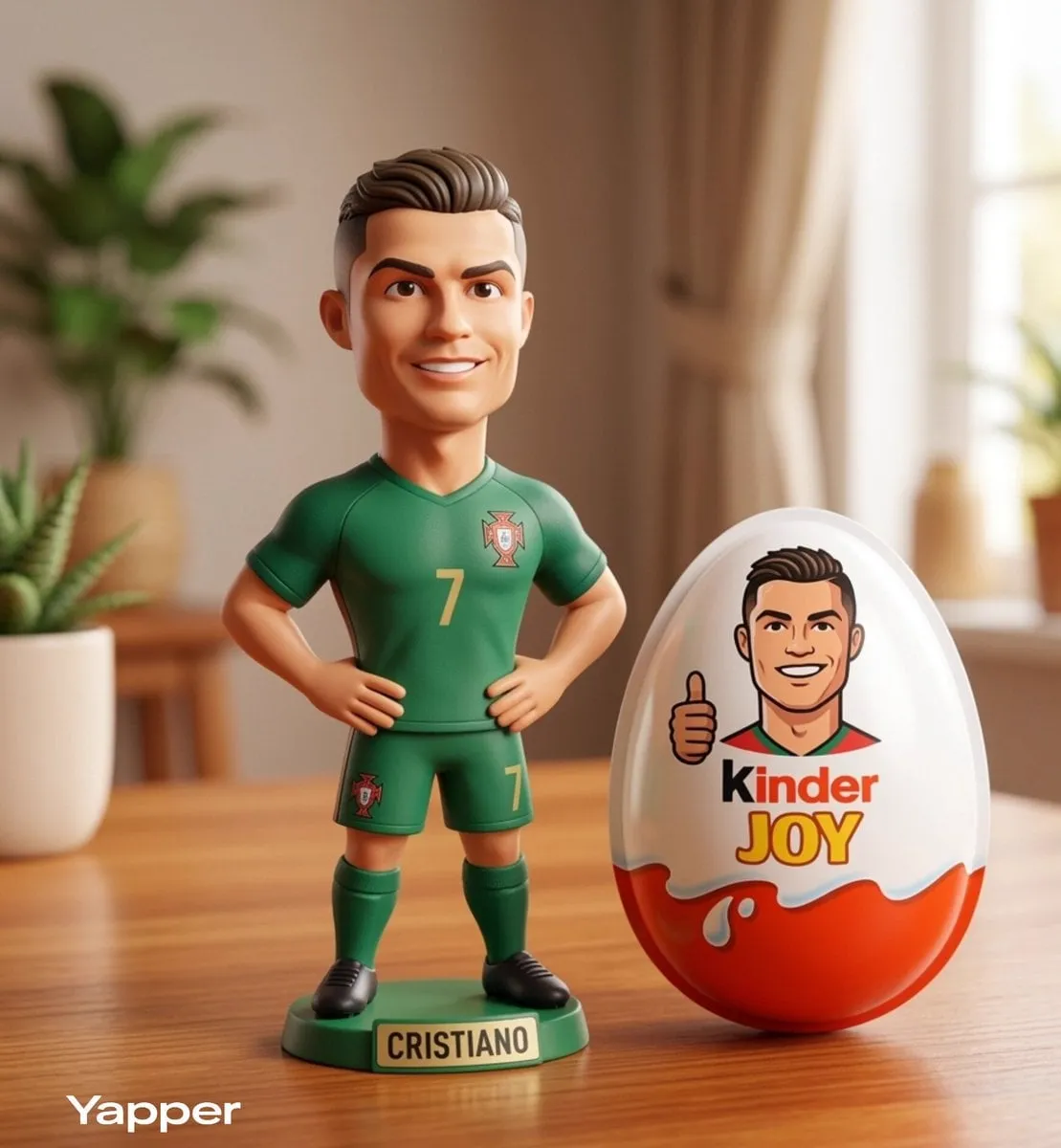
Every AI video creator eventually hits the same wall. You generate a character, love the first render, and then when you try to put that same character into the next scene, the face shifts. Slightly different nose, different lighting on the same features, a different jawline. It is one of the most frustrating problems in AI-generated media, and it is exactly the problem that holds back everything from branded spokescharacters to full narrative films. Consistent characters are not a cosmetic concern; they are the difference between a one-off clip and a story the audience can follow and care about.
This guide explains how to keep characters consistent across AI video using multi-image fusion and disciplined workflows. We will cover where inconsistency comes from, how reference-driven generation solves it, how a director-style approach ties everything together, and how to protect a visual identity through a whole project or series. If you have ever thrown away good footage because a character stopped looking like themselves, this is your fix.
Where Character Inconsistency Comes From
To solve the problem you first have to understand it. Generative video models are enormously capable, but they are not naturally anchored to a single identity. When you describe a character with words alone, the model invents an interpretation of that description from its training distribution. Nothing about the text anchors it to one specific face, so the next time you describe the same character, the model is free to land on a different interpretation. That freedom is creative, but it is the enemy of consistency.
Inconsistency also emerges from context. Lighting, camera angle, expression, and wardrobe changes all make the same person read as a different person. A model given no reference has to guess how a face changes under new light, and its guess is not guaranteed to match your previous render. Finally, there is drift over time: the more generations you run, the more each one tends to wander from the original, because each step lacks a fixed anchor to pull it back.
Multi-image fusion solves these problems by giving the model a concrete visual anchor to hold onto. Instead of describing an identity and hoping, you show the model what the identity looks like, from multiple angles, at the moment you need it.
Multi-Image Fusion: The Keyframe Control Mechanism
At its core, multi-image fusion works by feeding the model several guide images at once and directing it to produce output that respects all of them. This is far more powerful than a single reference, because a single image can lock in a subject but leaves a lot of room for interpretation about everything else. With several references, you pin down the identity, the environment, the props, and the composition, and the model has far fewer degrees of freedom to drift.
Set your keyframes
Treat multi-image fusion like animation keyframing. A keyframe is a fixed point that forces the surrounding motion to respect it. In the same way, you decide which images are the anchors of your scene: the hero character, the location, the important prop, the camera angle you want to preserve. Everything else is free to move, but the anchors hold. This is the conceptual shift that turns a chaotic generation process into a controllable one.
Hold the identity across scenes
The real payoff is across scenes rather than within one. Build a compact set of reference views of your character up front: front, three-quarter, profile, a couple of expressions, consistent lighting. Then every scene, no matter how different its environment or camera, is generated from those same references. The result is that the character remains recognizably the same from the first scene to the last, even as the world around them changes dramatically.
A Director-Style Approach To Consistency
Keeping a character consistent is not just a technical task; it is a directorial one. The person overseeing the process has to make judgment calls about what must stay fixed and what can change, and communicate that clearly at every step.
Define what never changes
Before you generate, write down the character's non-negotiables: the face, the hair, the body proportions, the signature color palette, the way light normally falls on them. This list is the style bible. Every prompt and every scene conforms to it. When a scene needs the character to change wardrobe or mood, you change the variable while protecting the constants, and the identity survives.
Direct the scene, not just the subject
Consistency is tied to the whole frame, not just the face. The environment, the lighting direction, and the camera language all contribute to whether a scene reads as the same world. Establish these as part of your references and constants too. A character whose face is identical but whose world changes color temp and light direction will still feel inconsistent. Direct the entire scene as one coherent whole.
Let the AI handle the mechanics, you handle the vision
The multi-image fusion and reference system do the heavy lifting of keeping pixels aligned. But the creative intent, which anchor matters and which variables can change, is yours. The best results come from a clear division: the technology guarantees technical continuity, and you guarantee narrative and aesthetic intent. It is collaboration between judgment and machinery, and both sides matter.
The Technical Foundation Underneath
Consistency relies on the tooling being reliable, and reliability comes from solid engineering. A platform that can maintain character identity across many projects needs to be built on a dependable architectural foundation.
Modern platforms are constructed on robust stacks: a backend that handles requests predictably, a relational database that stores projects, generations, references, and parameters, and a scalable infrastructure that keeps response times reasonable even under heavy load. For the creator, this shows up as trust: your reference sets are preserved, your project parameters are consistent, and every new generation starts from the state you intended rather than a lucky guess.
The breadth of the model library also matters. A wide, well-integrated set of models lets you move between photorealistic, cinematic, and stylized output while still reusing the same references and keyframes. Choice of model should serve the consistency strategy, not fight it, so an environment that keeps references usable across models is a genuine advantage. The value you own is the identity and quality you define; the platform is the machinery that makes it repeatable.
Practical Scenarios: Putting It To Work
Theory matters less than doing. Here are the scenarios where character consistency pays off, and how to approach each one.
A branded spokesperson
For a recurring spokesperson who appears across months of content, invest once in a thorough reference sheet. The payoff is that every new spot starts with the character already locked in, so you spend your quality effort on the message rather than on fighting face drift. Maintain the references as the brand evolves, and the character becomes a recognized asset.
A narrative series
For serialized stories, consistency is existential. A viewer who cannot recognize the protagonist will abandon the story. Set the keyframes, define the non-negotiables, and keep the same references and constants across every episode. The world can grow, characters can change outfits and moods, but the identity that makes them who they are must never waver.
A product reveal
Products have the same consistency problem as people. A soda can, a sneaker, a gadget all drift if given no reference. Use multi-image fusion to pin the product's exact branding, colors, and design across scenes and lenses. The result is a series of shots that feel like one object studied from many angles, not several objects that loosely resemble each other.
A Step-by-Step Workflow For Consistent Characters
Here is a repeatable process you can adapt to any project.
1. Design the identity once
Create the character or select the product you want to be consistent. Before generating any narrative, render reference images from several angles with consistent lighting. This is your anchor.
2. Write the style bible
Document the non-negotiables: face, proportions, palette, lighting norm, camera language. Keep this document handy for every scene.
3. Build scene references
For each scene, decide which anchors are the keyframes: the character, the environment, the important props. Gather the reference images that pin down the world as well as the subject.
4. Generate with the references active
Run your generation with multi-image fusion active, using the scene's reference set and the style bible's constants. Let the model work within the bounds you have defined.
5. Review and lock
Compare each render against the references and the bible. Fix drift by tightening references or adjusting prompts, not by hoping. When a scene holds, keep its settings as the baseline for the next one.
6. Repeat across the series
Carry the same references and constants forward. Update the references only when the character is meant to evolve, and document the change so the series stays coherent.
Common Mistakes And How To Avoid Them
Several habits erode consistency and are worth naming.
The first is changing references mid-project. If you switch the character sheet between scenes because one came out nicer, you break the chain that held the identity together. Lock the references after the design phase.
The second is loading too many conflicting references at once. Multi-image fusion is powerful, but if your guide images disagree about the subject or the world, the model cannot satisfy all of them and drifts. Curate a coherent, non-contradictory set.
The third is neglecting the environment. Focusing only on the face while the world around the character changes wildly will read as inconsistent even with a perfect face. Anchor the world too.
The fourth is over-generating without reviewing. Volume without a reference check lets drift compound silently. Review every render against the bible before deciding to keep it.
The fifth is ignoring lighting. The same character under different lighting feels like a different character. Keep the lighting constant or change it deliberately with that awareness in mind.
Frequently Asked Questions
How many reference images do I need?
Fewer than you might think, if they are well chosen. A front, a three-quarter, and a profile under consistent lighting is often enough to seed a face. Add more when you need to pin down expressions, accessories, or environments. Quality and coherence matter more than raw quantity.
Can I keep the same character across very different scenes?
Yes, that is the point of reference-driven generation. As long as the core identity is anchored and the style bible constants are respected, the character can visit wildly different environments and still read as the same person. Changing the world is fine; changing the identity is not.
Does this require the same tool across my whole project?
Not necessarily, but it helps if your references and keyframes move cleanly between the models you use. A platform that keeps reference assets usable across its model library makes the workflow simpler. If you switch tools, carry the references and bible with you.
What if a render still drifts even with references?
Go back to the inputs, not the output. Check that your references are coherent and consistent with each other, that you have loaded the right anchors, and that the prompt respects the style bible. Drift usually points to a reference or prompt problem, not a flaw in the model.
Closing Thoughts
Character consistency is the craft skill that separates throwaway AI clips from stories people follow. It is not a single feature you toggle on; it is a discipline: anchoring identity in references, defining what must never change, keeping the world coherent, and reviewing every render against the standard you set. That discipline, powered by multi-image fusion and reliable tooling, is what turns a generator into a filmmaking instrument.
Do not try to win everything in one project. Start by designing one character identity and keeping it consistent across three short scenes. Learn how the reference sheet behaves, how lighting shapes the result, and how your style bible does its job. Once you have that, you can scale to series, brands, and stories, and every one of them will hold together because you built the foundation for consistency rather than relying on luck.
