


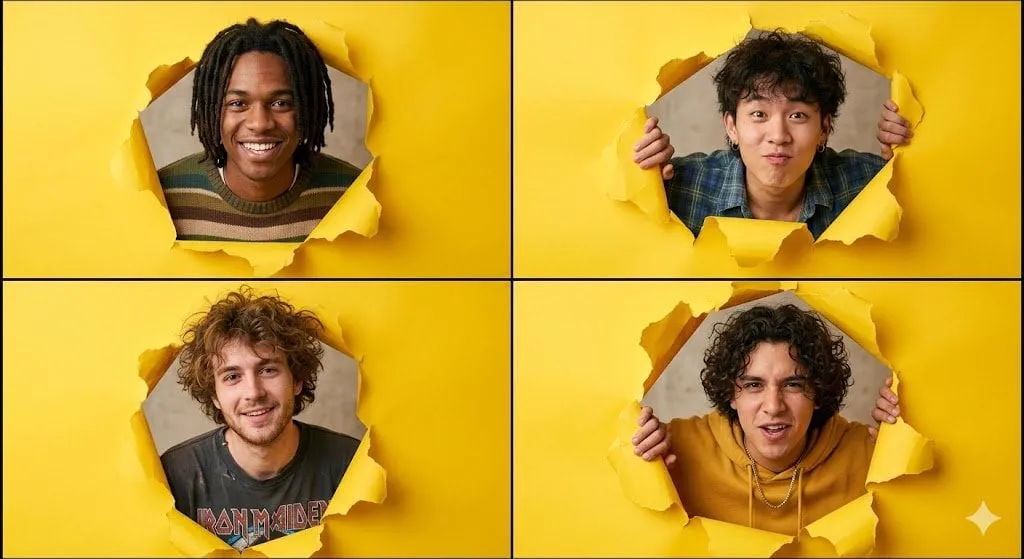
The Hardest Problem in AI Storytelling
Anyone who has generated AI video knows the frustration. A character looks exactly right in one shot, and then in the next scene their face shifts, their costume changes, and the world they inhabit subtly rearranges itself. Maintaining a believable, consistent character across an entire narrative has been one of the biggest obstacles standing between generative tools and serious storytelling. This article explains a practical technique, image fusion, that solves that problem, and shows you how to build characters that remain stable from the first frame to the last.
The goal is practical. Rather than an abstract celebration of the technology, we walk through the mechanism behind character consistency, the workflow you can use today, and the results you should expect. By the end, you should be able to produce a multi-scene video where the audience instantly recognizes the central character in every shot.
Why Character Consistency Is So Important
In any story, the audience builds trust through recognition. When a central figure looks the same across scenes, viewers feel the world is coherent and can focus on the plot. When the character changes from shot to shot, the illusion breaks and the whole piece feels amateurish, no matter how impressive the individual frames are. Consistency is not a luxury; it is the difference between a collection of clips and a real story.
Consistency matters even more for branded content. A mascot, a spokesperson, or a product must be recognizable instantly, or the marketing value collapses. For creators building a series, the same character must persist across episodes, not just within a single video. This is why the community has worked hard on techniques that lock a character's identity before production begins.
The Mechanics of Image Fusion
Using References to Fix Identity
The core idea of image fusion is to establish identity before generating any motion. Instead of telling the model to create a character from words alone, you provide reference images that define what the character looks like. This could be a single well-crafted portrait or several images showing the character from different angles and in different outfits. The model uses these references as the anchor for the character's identity.
Combining Multiple Sources
A single image is sometimes not enough. You might want the face from one image, the costume from another, and the setting from a third. Fusion techniques combine these separate sources into a coherent character. The result is a character you could never capture in one photograph, assembled from the best visual elements of several references, all under your creative control.
Keeping the Identity Through Motion
Once the identity is locked, the challenge is preserving it as the character moves. Reference-driven tools carry that identity into each new shot, so the face remains consistent even as the character walks, talks, and gestures. This is what makes multi-scene storytelling practical: the character's identity stops being a per-shot lottery and becomes a fixed property of the production.
Building Your Central Character: A Practical Workflow
Step One: Design the Character's Core
Start away from any tool. Write down everything that defines the character: age, personality, wardrobe, distinguishing features, and the emotional role they play in the story. Decide on the visual signature that will make them instantly recognizable. This design document is the foundation everything else builds on.
Step Two: Generate and Curate Reference Images
Produce a set of reference images that capture the character's essential features. Review them carefully and keep only the ones that match your design. It is often helpful to have one clean portrait, plus several images in different poses and outfits, so you have material for different scenes. Quality of reference matters more than quantity.
Step Three: Tag and Organize Your Assets
As you build a library of characters, organization becomes essential. Use consistent naming and descriptive tags for each character so you can find the right reference instantly and reuse it across projects. A well-organized asset library turns character consistency from a one-time effort into a repeatable advantage.
Step Four: Animate Scene by Scene with the Locked Identity
With your references ready, generate each scene using the fused identity as the anchor. Keep the same references and the same stylistic guidance from shot to shot. Review each output and re-generate when the character drifts. Over time you will build a repeatable pipeline that reliably produces consistent characters.
It is worth resisting the urge to rush. A few extra minutes of careful review on each scene save far more time in rework than they cost, and they protect the consistency that makes the whole production feel polished.
Experimenting with Style Without Losing the Character
A common fear is that locking a character means boring, uniform visuals. In practice, fusion gives you room to play. You can change the lighting, the environment, the mood, and even the artistic style while keeping the underlying identity stable. This lets you place the same character in a different time period, a different world, or a different emotional register, and have the audience still recognize them. The character is a constant; the story and setting become flexible.
This is a powerful creative lever. It means you can build a series, place the same hero in completely different situations, and maintain a cohesive brand across a whole range of content. Varied on the surface, consistent at the core.
Managing Assets and Turning Effort into Value
The characters you build are assets. A consistent, polished character that audiences recognize has real value, whether it is used for a series, a brand campaign, or licensing. This is why it pays to design characters with care and to maintain them as part of a reusable library rather than treating each video as a one-off.
As you refine a character that works, consider building templates and variations. By standardizing the design and the parameters, you can reuse the same character across many productions with minimal effort, which turns creative consistency into economic efficiency. Over time, a library of distinctive, reliable characters becomes a genuine competitive advantage.
Common Pitfalls and How to Avoid Them
Weak or Inconsistent References
If your reference images are low quality or inconsistent, the character will never stabilize. Spend time producing clean, well-lit, consistent references before you start animating. Garbage references produce drifting characters.
Changing the Prompts Mid-Production
If you change your stylistic language from scene to scene, the model will not understand what you want. Keep the same reference set and the same core guidance throughout a production to avoid style drift.
Skipping the Review Step
Generative tools occasionally produce a face that drifts or a costume that changes. Build a review step into your workflow and re-generate any shot where the character is not right. Reliable output comes from a cycle of generate, review, and refine.
Overloading the Character
Trying to pack too many distinctive features into one character makes it hard to keep everything consistent. A focused design with a few strong, recognizable characteristics is far easier to maintain than a crowded one.
Turning a Single Character Into a Whole World
Building a Style Language Around the Character
Once a character is stable, the next step is extending that stability to the world around them. Define a palette, a lighting style, and a consistent approach to environments so that the entire production feels like one place rather than a random collection of scenes. This style language is what makes a series feel cohesive and professional.
Using the Character Across Different Genres and Moods
A well-anchored character is remarkably flexible. Because identity is locked by references, you can drop the same hero into a comedy, a drama, a fantasy, or a documentary-style piece and still have them recognized instantly. This flexibility lets creators explore different tones and formats while keeping a through-line that audiences can follow.
Building Templates for Speed
After you refine a character that works, capture the recipe. Document the references, the style guidance, and the parameter choices that produced the best results. Turning this knowledge into reusable templates means you can reproduce the character quickly in future projects, or maintain a family of related characters, with far less trial and error.
Working With a Character Library over Time
Organizing by Purpose and Theme
As a library grows, organization becomes critical. Sort characters and variations by theme, genre, or intended use, and keep notes on what each is best for. A well-organized library lets you find the right asset instantly and makes it practical to maintain dozens of characters without losing track.
Evolving Characters Across Episodes
Characters are not frozen; they can grow. When the story calls for a new outfit, a change in age, or a different setting, the fusion approach lets you evolve the character while preserving the core identity. Viewers recognize the same person even as they change, which keeps series feeling alive.
Sharing and Collaborating
A library is also the foundation for collaboration. Clear conventions for naming and assets make it easy for a team to share characters and build on each other's work. What starts as an individual technique becomes a systematic asset that the whole team can benefit from.
A Practical Production Checklist
Before you start generating, confirm the character design is clear and the references are clean and consistent. During generation, keep the same reference set and stylistic guidance across all shots, and review each output for drift. For efficiency, design the character once and reuse the same recipe across every episode, adjusting only the setting and mood. Finally, keep a documented library so the next production starts from a strong foundation rather than from scratch.
A disciplined checklist makes the difference between a workflow that works reliably and one that is a constant struggle. Consistency, in characters and in process, is what turns a clever idea into a repeatable production method.
Remember that the goal is trust, not perfection. Viewers forgive a slightly imperfect frame as long as they always recognize the character and the world feels coherent. Focus your energy on the scenes that carry the story, and let support shots pass with a lighter touch so you can keep up your production pace.
Frequently Asked Questions About AI Character Consistency
Do I need many references for good results?
Not necessarily. A few clean, well-matched references usually outperform a large pile of inconsistent ones. Quality and consistency matters far more than quantity.
Can I change the art style and keep the same character?
Yes. Because the character's identity is anchored by references, you can adjust lighting, mood, environment, and style while keeping the underlying identity stable.
Is this workflow realistic for a small team?
Completely. The whole approach is designed to give individual creators and small teams the kind of character consistency that was previously available only to heavyweight productions. The main investments are your design skills and a little discipline.
How do I make a long series without rework?
Build and maintain an organized library of reference assets and templates, and reuse the same identity and style parameters across episodes. A stable production standard turns series work into routine rather than a reset each time.
Conclusion: Characters That Hold Up, Story After Story
Character consistency is the bridge between short, impressive clips and real, watchable stories. Image fusion gives creators the ability to lock a character's identity, carry it through motion, and vary the world around them without losing recognition. It is the technique that turns generative video from a novelty into a serious storytelling medium.
Start with one character. Design it well, build reliable references, and animate a single multi-scene story. Learn from the result, refine your workflow, and then expand. Each time you repeat the process, the formula becomes stronger, and your library of distinctive, consistent characters grows. In a field where everyone is trying to generate a single good image, the real advantage is being able to tell a whole story with the same believable character throughout.
