
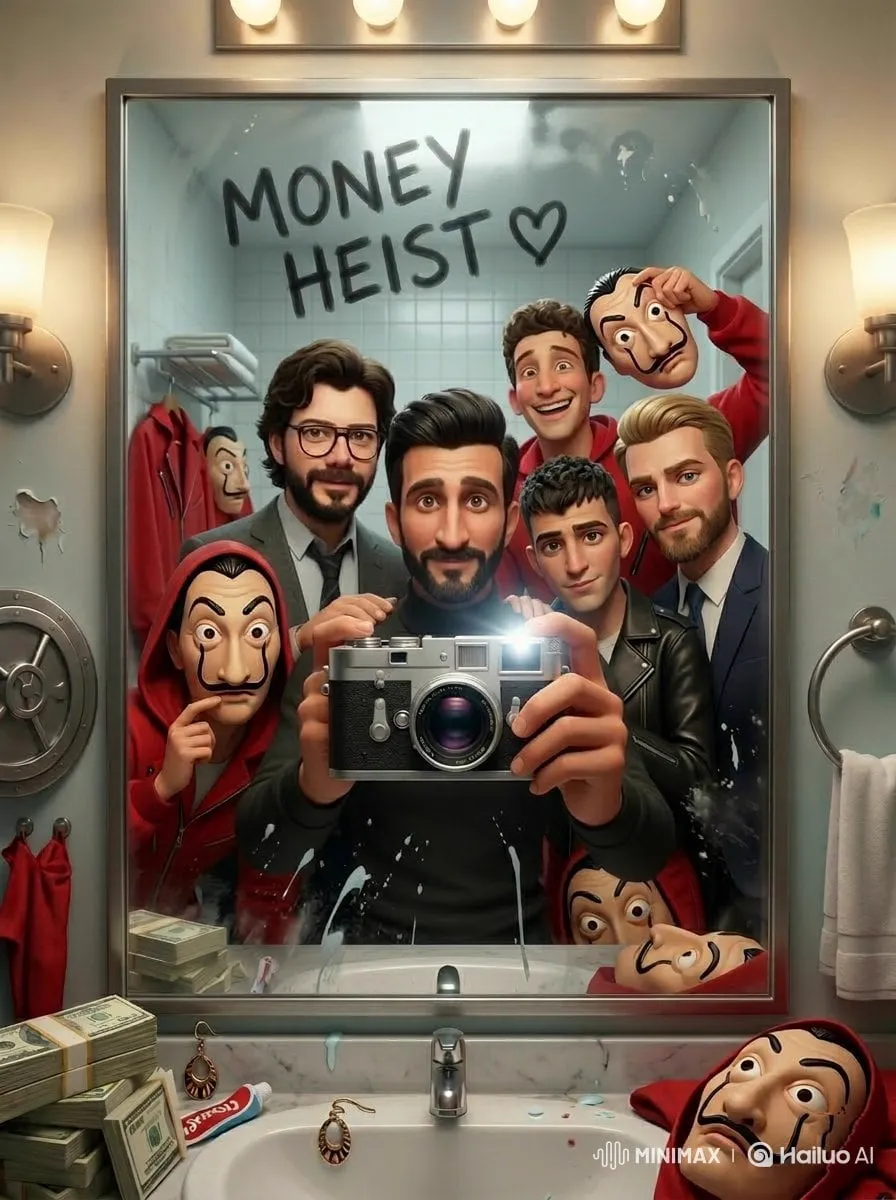
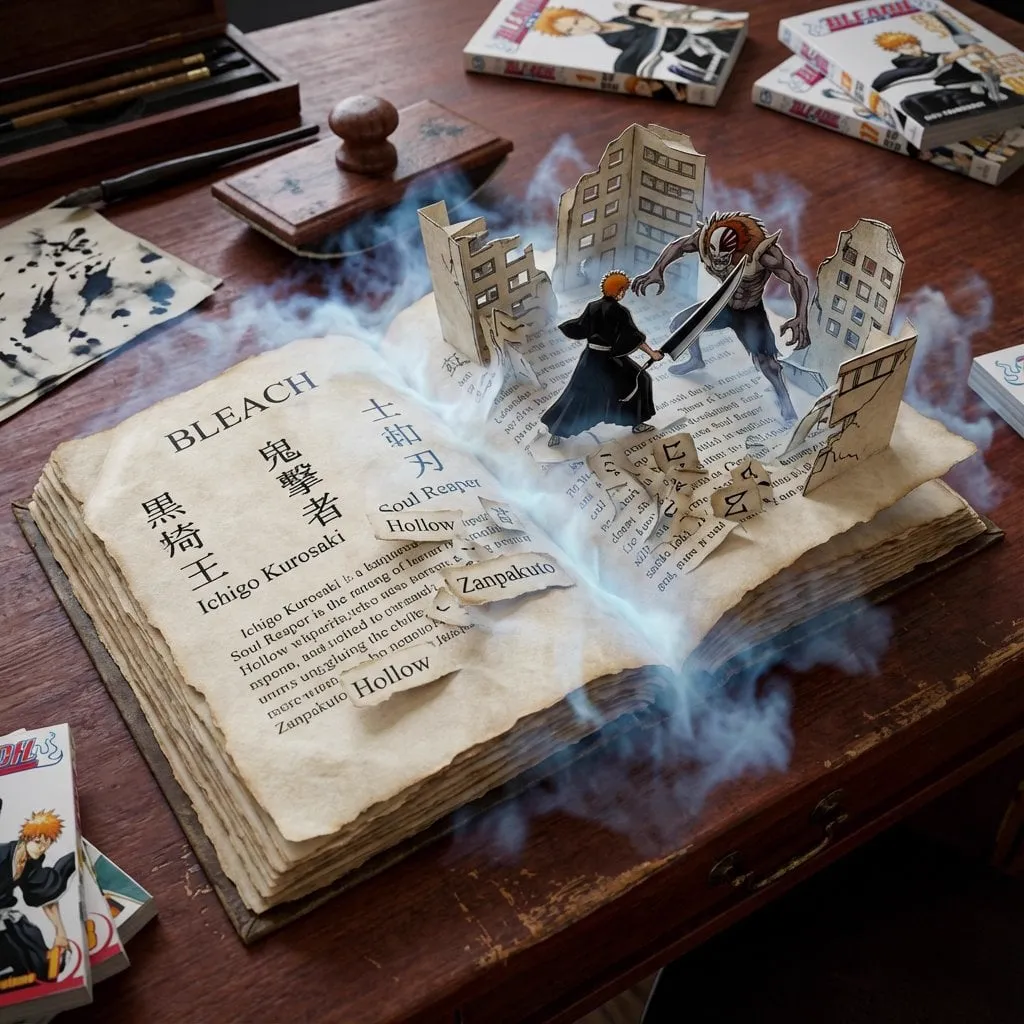
If you have tried to grow an Instagram Reels or TikTok account recently, you already know the math: you need to publish consistently, keep up with trends, and make every video count in the first two seconds. Doing all of that with manual shooting, editing, and motion graphics is exhausting. AI video tools have changed the game, but only for creators who use them with a system. This tutorial walks through a complete, repeatable workflow for producing engaging vertical short videos with AI — from choosing the right model for a shot to assembling a finished clip that holds attention and earns shares.
Why short vertical video is the format that matters now
Vertical video is no longer a side channel; it is the primary way most people discover content. Instagram Reels and TikTok have become discovery engines, not just social networks. Their algorithms reward videos that keep people watching, and short vertical clips are the native format of that attention economy. For businesses, educators, and solo creators, this means one thing: if you are not producing short vertical video, you are invisible to a large share of your audience.
The engagement numbers explain why. Short videos consistently outperform other formats in completion rate, and completion rate drives distribution. A video that people watch to the end gets pushed to more viewers, which creates a compounding effect. The practical consequence is that the quality bar has moved from "beautiful" to "captivating in the first seconds." AI tools are well suited to this challenge because they let you iterate quickly, test multiple hooks, and produce variations without reshooting anything.
What AI actually contributes to short video production
Before diving into the workflow, it helps to separate what AI does well from what it does not. Text-to-video models generate moving images from a written description. Image-to-video models animate a still image. Voice synthesis produces narration, and music generation creates background tracks. None of these tools decide what your video says or whether it is interesting. They execute. The strategy, the hook, and the pacing are still your job.
That division of labor is the key to a good workflow. Treat AI as a fast, cheap production team, not as a substitute for thinking. The creators who win with AI short video are the ones who plan the story first and then use AI to make it real. The ones who fail are those who generate random clips and hope something goes viral.
Choosing the right AI video model for each shot
Different shots need different strengths. A talking-head explanation, a product demo, a cinematic lifestyle scene, and a meme-style animation all benefit from different models. Here is a practical map of the current landscape.
Runway: cinematic quality for emotional scenes
Runway models produce film-like results with strong lighting and camera movement. They are ideal for aspirational content: a travel teaser, a brand story, a transformation reveal. The style is polished, sometimes almost too polished for raw, authentic-feeling clips. Use it when you want the video to feel expensive.
Sora: narrative coherence for story-driven clips
Sora, from OpenAI, is known for generating scenes that obey physical and narrative logic. Objects move naturally, and the sequence makes sense as a continuous moment. This is valuable for mini-stories, before-and-after demonstrations, and explainer clips where the action must be believable. If your video depends on a sequence of events, a model with strong scene coherence reduces the risk of visual nonsense.
Kling and MiniMax: speed and fidelity to instructions
Kling models are praised for following prompts precisely, which helps when you need a specific composition: a character in a specific pose, an object in a specific location. MiniMax Hailuo offers a good balance of realism and generation speed, useful when you need several variations of a scene quickly. PixVerse adds fine-grained controls for shots where you want to steer individual elements.
The practical rule: keep one or two models in your regular rotation and learn their quirks. Hopping between many models wastes time. Know which one handles faces well, which one is fastest, and which one best matches your brand's visual style.
The anatomy of an AI-generated short video
A short vertical video that holds attention usually follows a recognizable structure, even when it feels spontaneous. Understanding this structure lets you plan AI generations instead of guessing.
The hook: the first two seconds
The first two seconds decide whether the video gets watched or swiped away. The hook must create an information gap: something that looks wrong, a promise of a result, a bold claim, or a surprising visual. With AI, you can generate several hook variations cheaply and test them. A common mistake is spending all the effort on the middle of the video and treating the first frame as an afterthought. The first frame is the most important frame you will generate.
The payoff: deliver what the hook promised
Every strong hook sets up an expectation. The rest of the video must deliver on it. If your hook promises "the easiest way to clean a blender," the video must show exactly that, quickly and clearly. AI helps here by producing the demonstration clip precisely, but you must write the prompt with the payoff in mind. Describe the final state as clearly as the process.
The loop: make the ending feed the beginning
Videos that get watched repeatedly often end by referencing the beginning or teasing the next part. This "loop" structure increases completion rate because viewers who arrive late feel they missed something and rewatch. It also increases shares because the video feels designed. Plan your loop when you write the script, not during editing.
A complete workflow: from idea to published Reel
Here is the exact process to produce one short video from start to finish, using AI at every step.
Step 1: Write a one-paragraph script
Do not open a generation tool before you can say, in one paragraph, what the video shows and why anyone should care. Include the hook line, the key action, and the ending loop. Keep it under 60 words. This paragraph is the seed of every prompt you will write.
Step 2: Define the visual reference
For videos with a recurring character, product, or location, create two or three reference images first. This ensures every generated clip shares the same identity. Many creators skip this step and then spend an hour trying to make two clips match. References are cheap insurance.
Step 3: Generate the hook clip
Generate the first three seconds with a prompt that emphasizes the first frame: "first frame shows X, then..." Review the result specifically for the opening composition. If the first frame is weak, regenerate before touching anything else.
Step 4: Generate the body clips
Generate the remaining shots one by one, using the same references and a consistent style description. Do not try to generate the whole video in one prompt; short clips with a clear action per clip are easier to control and easier to edit.
Step 5: Add voice and music
A silent video underperforms on most platforms. Use a voice synthesis tool for narration, or record your own voice, and add a background track that matches the pacing. For fast, punchy videos, choose a track with clear beats. For calm tutorials, choose something softer. Sync the cuts to the music when possible; it dramatically improves the perceived quality.
Step 6: Assemble and tighten
Put the clips in order in your editing app, cut dead air, and check the pacing. The goal is not to add more content but to make every second earn its place. Short video rewards restraint: a 20-second clip with no dead moments beats a 45-second clip with two good moments.
Step 7: Write the caption and post
The caption is part of the video's performance. Use a clear first line, one relevant hashtag or two, and a question that invites comments. Post at a time when your audience is active, and check the early retention data the next day. That data will tell you which hook worked.
Optimizing for engagement: what the data actually shows
Engagement optimization is where AI-driven production really pays off. Because you can generate variations quickly, you can test hooks, styles, and lengths without a production crew. After a few posts, patterns emerge: your audience may respond better to text-on-screen hooks, to voiceover, or to fast cuts. Track these patterns in a simple spreadsheet and feed them back into your prompts.
The metrics that matter most for short video are completion rate and rewatch rate, not raw views. Views mean you were distributed; completion and rewatch mean you were good. When you review a video that flopped, look at where viewers dropped off. That drop-off point is almost always a pacing problem, a weak transition, or a hook that promised something the video did not deliver.
A simple weekly production plan
Consistency is the hardest part of short-form content, so plan your week like a production run. On Monday, write four one-paragraph scripts, one per video. On Tuesday, generate the reference images and the hook clips for all four. On Wednesday, generate the body clips and the voiceovers in one batch. On Thursday, assemble all four videos and review them together. On Friday, schedule the posts across the week and note which hook each one used. This batching approach keeps the AI tools busy in a few focused sessions instead of stealing time every day, and it makes the data review at the end of the week straightforward: four videos, four hooks, one clear pattern to feed into next week's scripts.
Common mistakes and how to avoid them
The most common mistake is overproduction: spending hours on a video that should take twenty minutes. Short video rewards volume and iteration. The second mistake is ignoring audio. A video with bad sound, or no sound, dies silently in the feed. The third is using AI clips that do not match your brand: a polished cinematic style for a raw, honest brand reads as fake. The fourth is publishing without a hook, hoping the algorithm figures out the video's value. It will not.
Finally, be careful with voice cloning and likeness rights. Using AI to imitate a real person's voice or face without consent is not just risky; it is often illegal and always damaging to trust. Keep your AI experiments clearly within ethical boundaries, and disclose synthetic content when the platform requires it.
Frequently asked questions
How long should an AI short video be? Start with 15 to 30 seconds. Shorter videos are easier to keep tight and tend to have higher completion rates.
Do I need a paid AI video tool? Free tiers are fine for testing, but paid access typically removes watermarks and unlocks faster generation. If you plan to post regularly, budget for the tool that fits your workflow.
Can AI-generated clips look natural? Yes, with current models, especially when you provide good references and write specific prompts. Small artifacts still occur; plan for a quick review pass before publishing.
How many videos should I publish per week? Consistency beats intensity. Three solid videos a week outperform ten rushed ones, because every video teaches you something about your audience.
Should I worry that AI content is against platform rules? Platforms increasingly require labeling of synthetic media. Check the current policy, label when required, and focus on adding human value through your scripts, voice, and editing.
Conclusion
Creating engaging short videos for Instagram and TikTok with AI is now a repeatable skill. Write a tight script, define visual references, generate clip by clip with the right model, add voice and music, and assemble with ruthless pacing. Then let the data guide your next round. The tools will keep improving, but the fundamentals will not change: a clear hook, a delivered promise, and a video that respects the viewer's time. Master those, and the AI simply becomes the fastest way to scale what already works.
