

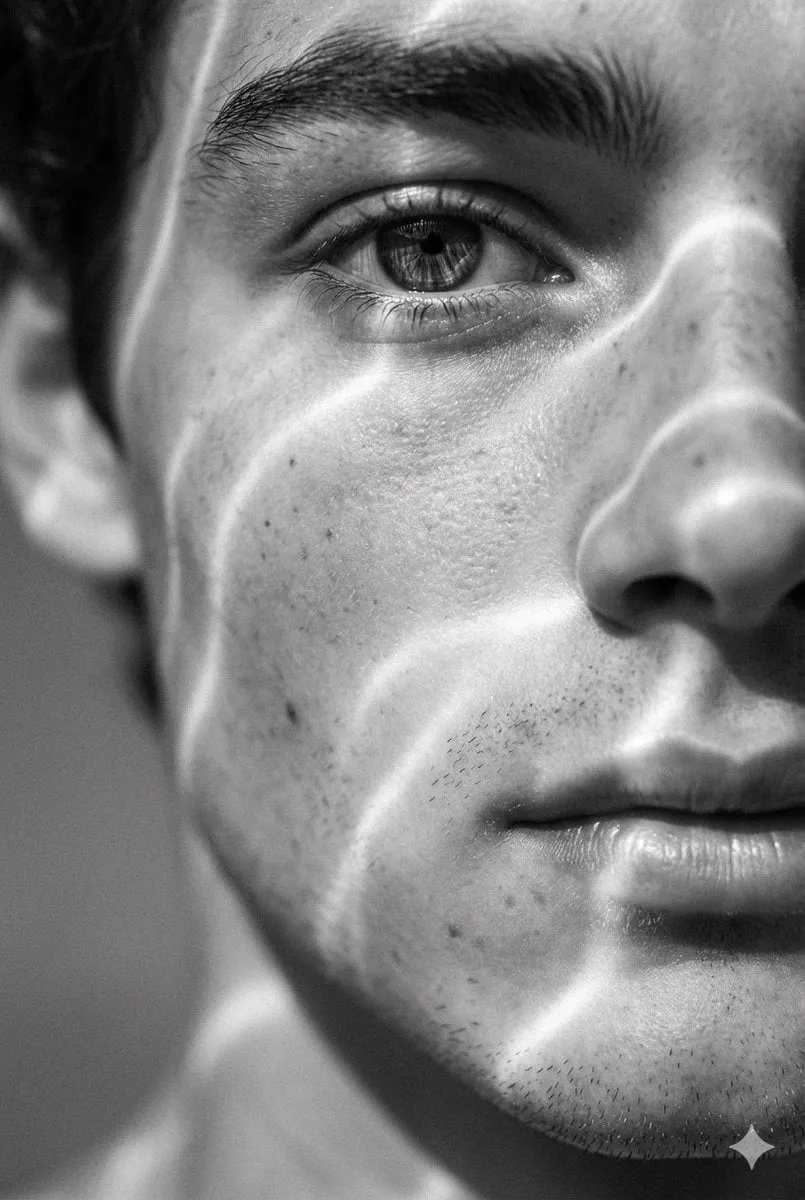

There is a moment every AI content creator remembers: the first time a generated character appears in a video and actually looks like the same person from the previous scene. It feels like magic. The technology behind that moment is called multi-image fusion, and it has become one of the most important capabilities in AI video production. For creators building avatars, brand mascots, or recurring characters, understanding how fusion works is the difference between a one-off experiment and a repeatable production system.
This article covers what multi-image fusion is, why character consistency is so hard in the first place, how to use fusion techniques in practice, and what it means for the business of content production. Whether you are a solo creator or part of a larger team, the same principles apply.
The Avatar Problem in AI Video
Text-to-video models are brilliant at generating individual images. Ask for a picture of a character in a rainy street, and you will get a great picture. The problem starts when you ask for the same character in a different scene, or in a sequence of frames, and the model treats every generation as a fresh start.
This is the avatar problem: how do you make a character who exists only as pixels feel like a stable, continuous person? The answer cannot come from prompts alone, because prompts describe the character in words, and words are lossy. Describing a face as "sharp jaw, brown eyes, short black hair" leaves the model enormous freedom to interpret. What you need is a way to show the model the character directly, in as much detail as possible.
To appreciate why this is difficult, look at how generative models work. They sample from a learned probability distribution, and every generation is a new sample with no memory of the last one. Without explicit guidance, a model will happily create a slightly different face every time, because in probability terms, that is the most natural thing to do. The difficulty scales with narrative length: a single clip can be lucky, but a ten-scene story almost never is. Each new scene re-rolls the dice, and the accumulated drift becomes obvious to viewers even if they cannot articulate what is wrong. Traditional workflows tried to solve this with careful prompt engineering, but prompts are too coarse. The breakthrough of multi-image fusion is that it replaces fuzzy verbal description with concrete visual anchors.
What Multi-Image Fusion Actually Does
Multi-image fusion takes several images of the same character and combines them into a single coherent identity that the generation process can use. Instead of one reference image, the model receives a set: a front view, a side view, a close-up of the face, maybe a full-body shot. From these, it extracts what is consistent across all of them, which is effectively the character's core identity, sometimes described as the character's visual DNA.
That DNA is then integrated into every stage of generation. When the model creates a new shot, it does not invent the character from scratch; it builds from the fused identity. The character's face, proportions, and key features are anchored before the new scene is even considered. This is fundamentally different from pasting an image into a prompt; it changes how the model reasons about who the character is.
Extracting the Character's DNA
The practical question is how to build a good reference set, because the quality of the fusion depends entirely on the input. Start with variety: different angles, different expressions, and different lighting conditions. The more situations the reference set covers, the more robust the fused identity will be.
Consistency across the references matters as much as variety. If your front view shows a character with a scar but your profile view does not, the model receives a conflicting signal. Audit your references before using them. Every image should show the same core features, with differences limited to angle, expression, and environment.
Resolution also matters. Low-resolution references force the model to guess at details. High-resolution, well-lit images give the fusion process the information it needs to preserve fine features like eye color and facial structure.
Practical Fusion Workflows
The simplest fusion workflow is direct: provide the reference set, describe the new scene, and generate. This works well for single shots and short sequences. For longer projects, a chained workflow is more reliable. Establish the character in the first scene, then feed the successful output forward as a reference for the next scene. Each generation carries the previous result, creating continuity through a chain rather than through a single anchor.
Keyframe locking is the third layer. Instead of letting the model decide the whole shot, you designate specific frames as anchors and let the model fill in the motion between them. This is particularly useful for action sequences, where fast movement can otherwise cause the character's features to drift or smear.
A complete workflow combines all three: a strong reference set, chained continuity across scenes, and keyframe anchors for complex shots. Teams that use all three layers get consistency that is genuinely hard to distinguish from traditional animation.
Consistency Across Models and Styles
One of the most useful properties of a good fused identity is that it travels. The same character DNA can be applied with different models, which matters because no single model is best for everything. A photorealistic model might handle the hero close-ups, while a faster model handles the wide shots. With a fused identity, both models can produce the same character, and the results will line up.
Style changes are harder. Moving from realistic to stylized art will always reinterpret the character to some degree, but the core identity, face shape, proportions, and signature features, can be preserved. For brand mascots and series characters, this is a powerful capability: the same character can appear in realistic advertising, cartoon explainers, and stylized social clips without losing recognition.
The Business Case: Fewer Re-renders, Lower Cost
Character consistency is not just an aesthetic concern; it is an economic one. Every time a character drifts and a shot is rejected, the whole scene must be regenerated. Regeneration costs compute time and human attention. A production with poor consistency can spend most of its budget on redoing work that should have been right the first time.
Multi-image fusion attacks this directly by reducing the rejection rate. When characters stay consistent, shots are accepted sooner, re-render counts drop, and the total cost of production falls. For teams producing at scale, this is the difference between a profitable content operation and one that burns money on retries. The initial effort of building good reference sets is repaid many times over.
Consistency is also a coordination problem in larger teams. Different artists may generate different scenes, and without a shared identity, the results will not match. A character bible, a documented reference set that everyone uses, solves this. When every artist starts from the same fused identity, the pieces fit together regardless of who produced them. This is how modern AI content studios operate: a small team defines the characters once, carefully, and then many hands generate scenes against that shared foundation. The result is a body of work that feels cohesive, even though it was produced by many people and many models over a long period.
A Worked Example: Building a Brand Avatar
The pattern is easier to grasp with a concrete project. Imagine a coffee brand that wants a recurring character: a friendly barista who appears in launch videos, education clips, and social content. The team builds the avatar's reference set from generated images, choosing a consistent face, apron color, and shop background, then locks those as the character DNA.
The first video establishes the barista in the shop. That output is fed forward to the second video, where the barista explains a brewing method. The style differs, the background changes, and the camera is closer, but the face and apron stay anchored. In the third video, the barista moves to a rooftop setting for a summer campaign. The environment changes again, yet the character remains recognizable because the fusion carries the identity forward while the new scene supplies the context.
Each video also feeds the next. By the sixth or seventh asset, the brand has a library of approved appearances, angles, and expressions that new productions draw from directly. What started as a single character reference has become a reusable brand asset that makes every subsequent video faster and more consistent.
Common Fusion Failure Modes
Fusion is reliable, but it fails in predictable ways when the inputs are weak. The most common failure is a reference set that is internally inconsistent, for example, different eye colors between images, which produces a character that flickers between versions. The fix is auditing references before use.
The second failure is over-reliance on a single close-up. If the bible contains only a face shot, the model has no information about the body or outfit, and those elements drift immediately. The fix is including full-body and detail shots in the set.
The third failure is scene bleed: a strong background element in the reference, such as a distinctive wall color, follows the character into every scene and contaminates the new locations. The fix is using neutral backgrounds in the reference set so the character, not the environment, is what the model locks. Recognizing these patterns early turns a frustrating debugging session into a five-minute fix.
Working With Expression, Performance, and Rights
Consistency should never mean rigidity. A character can hold a stable identity while showing a full range of expression and performance, and the reference set should support that range deliberately. Include references with neutral, happy, and serious expressions so the model learns that the face can change emotionally without changing structurally.
This distinction matters in narrative work, where the audience needs to read emotion on a character they also need to recognize. When performance references are missing, the model often compromises: either the character stays frozen in one expression, or the emotion reads but the face drifts. A bible that separates identity from expression gives the model both signals at once, which is the difference between a character who looks consistent and one who feels alive.
Avatar technology also raises questions that creators should answer before they build, not after. When the avatar is an original creation, the path is clear: the character belongs to you, and you control how it is used. When the likeness is inspired by a real person, whether a celebrity, an employee, or a customer, consent is not optional, and platform policies add another layer of rules that vary by service and jurisdiction.
The practical guidance is to keep documentation of how the avatar was created and to maintain clear boundaries on where it can appear. This is not just legal caution; it is brand protection. An avatar that becomes a brand asset overnight is worth protecting, and knowing its provenance, its approved uses, and its limits is the difference between an asset and a liability. The best practice is simple: create original characters whenever possible, secure explicit rights when you cannot, and write down the rules.
FAQ
How many images do I need for a good fused character? Three to five high-quality images with different angles and expressions is a solid baseline. More can help, but only if they are consistent with each other.
Can fusion work with a single reference image? A single image is much weaker because the model has to guess about angles and features it cannot see. You will get some consistency, but drift will appear quickly, especially in motion.
Do I need to understand machine learning to use fusion? No. The tools abstract the complexity away. What you need is good judgment about reference images and a disciplined workflow.
Is there a downside to fusion? The main cost is setup time. Building a good reference set takes effort, and over-constraining a character can limit creative freedom. The solution is to lock only the core identity and leave room for scene-specific variation.
What should I do if my character still drifts? Audit your references for conflicting details, strengthen the keyframes, and consider whether the model you are using has strong enough reference support. Drift that survives all three fixes is usually a model limitation, not a workflow failure.
