
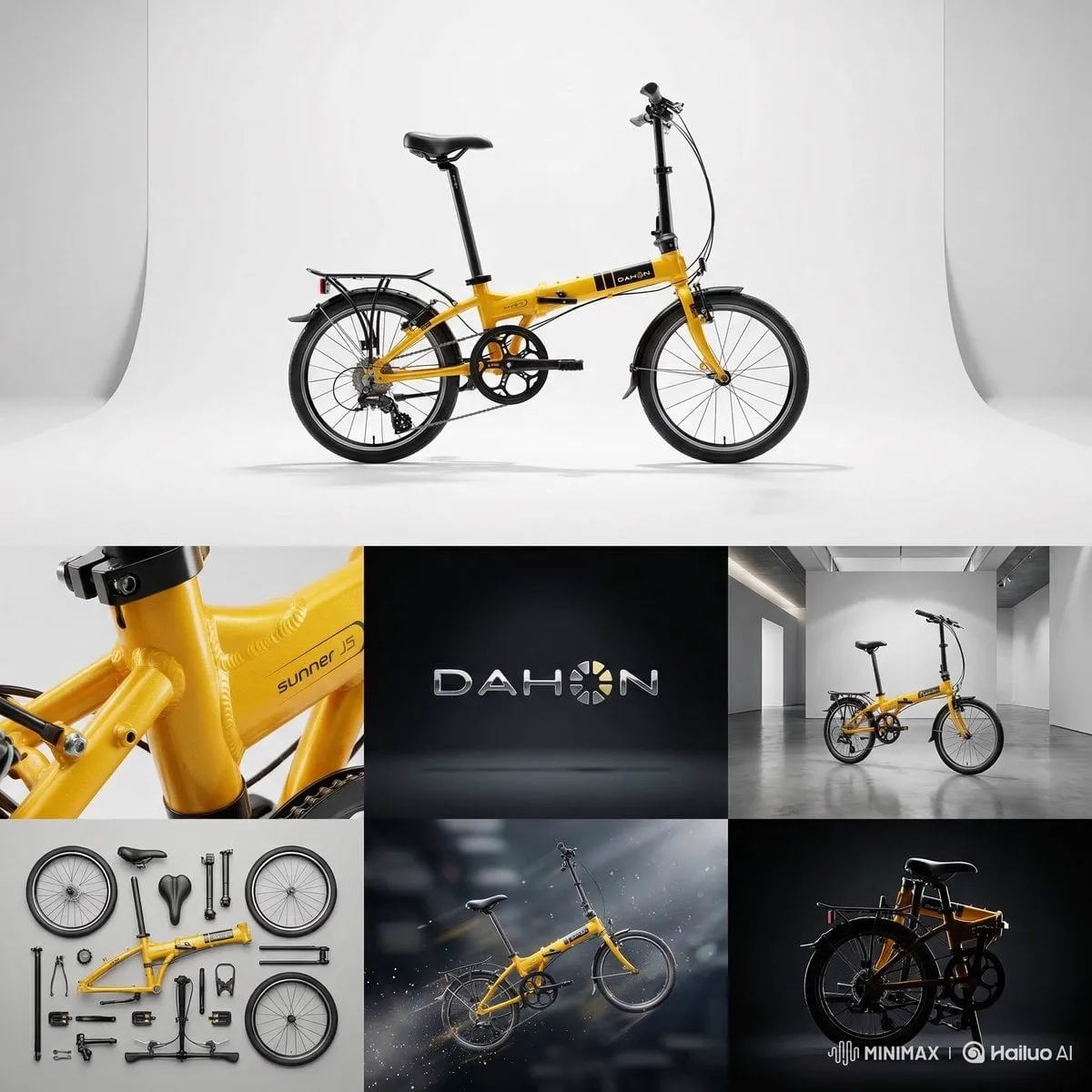
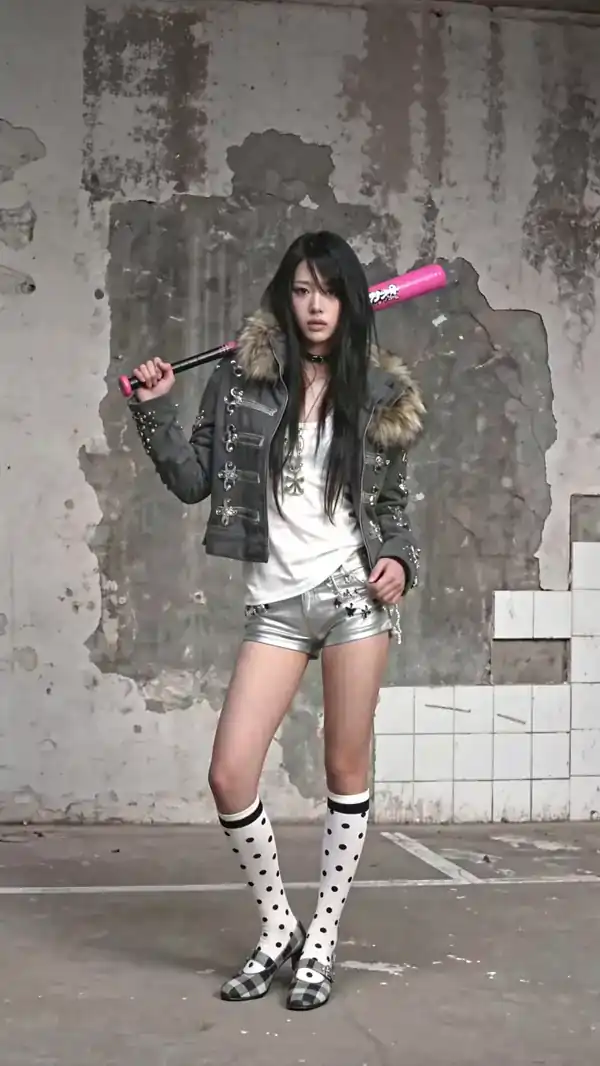
The idea of typing a sentence and watching a video appear is no longer science fiction; it is a standard feature of the creative toolset. In the last two years, AI video generation has gone from wobbly test clips to footage good enough for real campaigns, and the tools have multiplied faster than most people can follow. The problem for most creators is not finding a tool; it is knowing which tool to use, for which job, and how to get consistent results instead of one lucky clip. This guide maps the landscape of AI video tools, explains what each major model family does best, and gives you a starter workflow that turns your imagination into finished video, whether you are making social clips, client work, or the first episode of a series.
Why AI Video Is No Longer Optional
The demand for video has outrun the capacity to produce it by hand. Platforms like YouTube, TikTok, and Instagram Reels reward frequent, fresh, visually clean content, and audiences expect volume without forgiving a drop in quality. Traditional production cannot scale to that demand: every shoot day costs money, every edit takes hours, and every reshoot doubles the bill. Generative AI changes the arithmetic. The marginal cost of a new video drops toward the cost of a prompt, which means creators can test more ideas, publish more often, and find their audience through iteration instead of guessing.
The catch is that the tools amplify what you already know how to do. If you understand story, framing, and pacing, AI video lets you produce like a studio. If you do not, the tools give you a faster way to make the same mistakes. The skill floor has not disappeared; it has moved from the camera to the judgment.
The Main Model Families and What They Are Good At
The market has consolidated around a few model families, and knowing their personalities is the fastest way to get good results.
The Sora series, from OpenAI, is the cinematic generalist. It understands scenes, camera behavior, and narrative continuity better than most competitors, which makes it the starting point for story-driven footage and complex motion. If your prompt needs the camera to move with purpose, Sora-class models usually deliver the most filmic interpretation.
Runway's Gen-4 series is the production professional's choice: strong control features, consistent output, and a workflow built for iteration. It is a good default for client work where you need repeatable results and precise direction rather than surprise.
The Flux family is the photorealism specialist. Its models are celebrated for producing images that look like photographs, with excellent prompt adherence and a clean, modern aesthetic. Use Flux when realism is the entire point: product shots, portrait work, architectural visualization, and any scene that must not look rendered.
The Kling series, from China, has become the value champion. It follows prompts precisely, constructs scenes well, and offers professional modes at accessible prices, which makes it the workhorse for volume production, drafts, and social content where speed matters more than prestige. The Luma family, with models like Ray 2, focuses on realistic motion and physics, which makes it strong for action, character movement, and anything where bodies and objects must behave believably.
How to Pick a Tool for Your Use Case
Choice paralysis is real, so simplify with decision criteria. If the scene is a face or a product where realism is the brand, choose a photorealism model. If the scene is narrative motion, a chase, a reveal, a camera move with intention, choose a cinematic model. If you are drafting, iterating, or producing high volume on a budget, choose a value model and save the premium compute for the shots that will be seen. If the scene is physical, running, jumping, objects colliding, choose a model known for motion physics.
Two more criteria matter regardless of the scene. First, consistency features: does the tool support reference images, multi-image fusion, or keyframing? For any project with a recurring character, this is not optional. Second, integration: can you bring the output into your existing editing pipeline, at the right resolution and frame rate, without a fight? A beautiful clip that cannot be edited is a screensaver, not a deliverable.
Character and Style Consistency
The feature that separates hobbyist tools from production tools is the ability to keep a character or a style the same across scenes. Without it, every generation is a new lottery: the protagonist looks different in every shot, the brand colors wander, and the project dies in the review stage.
The standard solution is multi-image fusion. You load several reference images of the character, from different angles and in different lighting, and the tool builds a reusable identity profile. Every subsequent generation starts from that profile, so the character stays recognizably itself no matter what scene you drop it into. The same technique works for style: reference images can pin down a color palette, an illustration style, or a brand's visual language.
The discipline that makes it work is consistency of the source. A reference set shot in one light produces a character that cannot survive a change of scene; build variety into the references from day one. And once the profile exists, never paraphrase the character's description in prompts; reuse a fixed description block so the text never fights the profile.
The Rise of AI Director Agents
The newest layer of the toolstack is the AI director agent: software that applies the logic of a director instead of the logic of a prompt parser. You describe what should happen, the feel of the scene, the pacing, and the agent breaks it into shots, suggests camera moves and lighting, and drives the underlying models to produce a first cut.
This matters for two reasons. It lowers the entry barrier, because you can think in scenes rather than in technical prompt syntax. And it speeds up iteration, because the agent produces a coherent first pass that you refine instead of starting from a blank canvas. The best practice is hybrid: use the agent for the first pass and for the boring shots, and take manual control of the moments that carry the story. The agent is a collaborator that never gets tired, not a replacement for your taste.
What Happens Under the Hood
You do not need to understand the architecture of every platform, but knowing what separates reliable tools from flaky ones saves you from painful surprises. Serious platforms run asynchronous task queues: your generation request joins a queue, a GPU picks it up when available, and you get the result when it is done. The difference between a queue that works and one that collapses is visible in real usage: do jobs complete reliably during peak hours, and can you track their status? Storage matters too, because reference images, profiles, and finished clips are the assets you will need again; a platform that cannot manage them securely is a liability. And for paid use, integrated payment and clear usage accounting keep the business side sane. When you evaluate a tool for client work, test these operational qualities on a real project before promising them to a customer.
A Simple Starter Workflow
If you are new to AI video, resist the urge to buy access to everything. Start with one cinematic model, one photorealism model, and one value model, and learn them one at a time. The starter workflow has five steps. Write a one-line logline of your idea; if you cannot summarize it, the idea is not ready. Break it into three to five shots, each with a purpose. Write each shot as a structured prompt: subject, action, environment, lighting, camera, style. Generate drafts with the value model, review against your logline, and fix the prompts before spending premium compute. Then generate the final takes with the model that fits each scene, assemble them in your editor, and add captions and sound. Five steps, no magic, repeatable, and every run teaches you something you can bank for the next video.
Automation and Batch Production
Once the workflow is stable, the next level is scale. The same pipeline that produces one video can be templated: a script template for a recurring format, a prompt library for your most-used shot types, a character pack for your recurring persona, and a saved editing project with your grade and caption style. With those four pieces, a weekly video becomes a production line instead of a project.
Automation does not mean removing yourself from the process; it means removing the repetition. Generate draft variations in batches and pick the best. Keep a queue of ideas so you are never blocked on inspiration. Use consistent settings so the output is predictable. The human judgment, which story to tell, which take to ship, stays exactly where it belongs. The machines handle the typing; you handle the taste.
Community and Learning Resources
The fastest learning path in AI video is other people's work. The community publishes prompts, reference packs, model comparisons, and behind-the-scenes breakdowns at a volume no course can match. Study the outputs you admire and reverse-engineer them: what model, what prompt structure, what references, what post-production. Then adapt, do not copy; the goal is to absorb the pattern and apply it to your own voice.
The same community is a market. Creators sell prompt packs, custom models, and tutorials, and the people who publish consistently build reputations that turn into clients. Share what you learn as you go; the ecosystem rewards the contributors who raise the floor for everyone.
Common Mistakes New Users Make
The fastest way to improve is to know where beginners usually stumble. The first mistake is buying access to every tool at once. New users sign up for everything, generate ten clips on ten platforms, and end up with a folder of disconnected footage and no skill. Learn one tool until it feels boring, then expand. Depth first, breadth later.
The second mistake is skipping the reference. Beginners type a character description and expect the model to remember it across scenes. It will not. The moment you need a character twice, build a reference pack and a fusion profile; everything else is gambling.
The third mistake is generating before writing. A prompt typed in a hurry produces a video in a hurry, and the viewer can feel the lack of intention. Write the logline, break it into shots, then open the tool. The ten minutes of planning saves an hour of regeneration.
The fourth mistake is ignoring the edit. Beginners judge their work by single clips; professionals judge by the finished piece. A mediocre clip placed perfectly in an edit can work, and a beautiful clip can kill a sequence if it does not fit. Learn basic editing, pacing, and sound, because that is where the video actually becomes a video.
The fifth mistake is quitting after the first failure. Generation is a numbers game with a craft layer on top. The first ten outputs will be bad; the difference between creators who improve and creators who quit is whether they change one variable, log the result, and try again. Treat every failed generation as data, and the skill compounds quickly.
FAQ
Do I need to know how to code to make AI video? No. The tools are visual and prompt-driven. The skills that matter are storytelling, visual judgment, and process discipline.
Which tool is the best overall? There is no single best; there are best fits. Match the model to the scene: cinematic models for narrative, photorealism models for realism, value models for volume.
Can I use AI video for paid client work? Yes, with two checks: the tool's license must permit commercial use, and you must be clear with the client about what AI was used for and how.
How do I make my AI videos look less generic? Build a point of view: a consistent palette, a recurring character or format, and a clear opinion in the script. Generic input produces generic output; specificity is the whole game.
What should I learn first? Consistency. Learn how to keep one character or one style recognizable across scenes before you learn anything else. Everything else compounds on top of that skill.
