
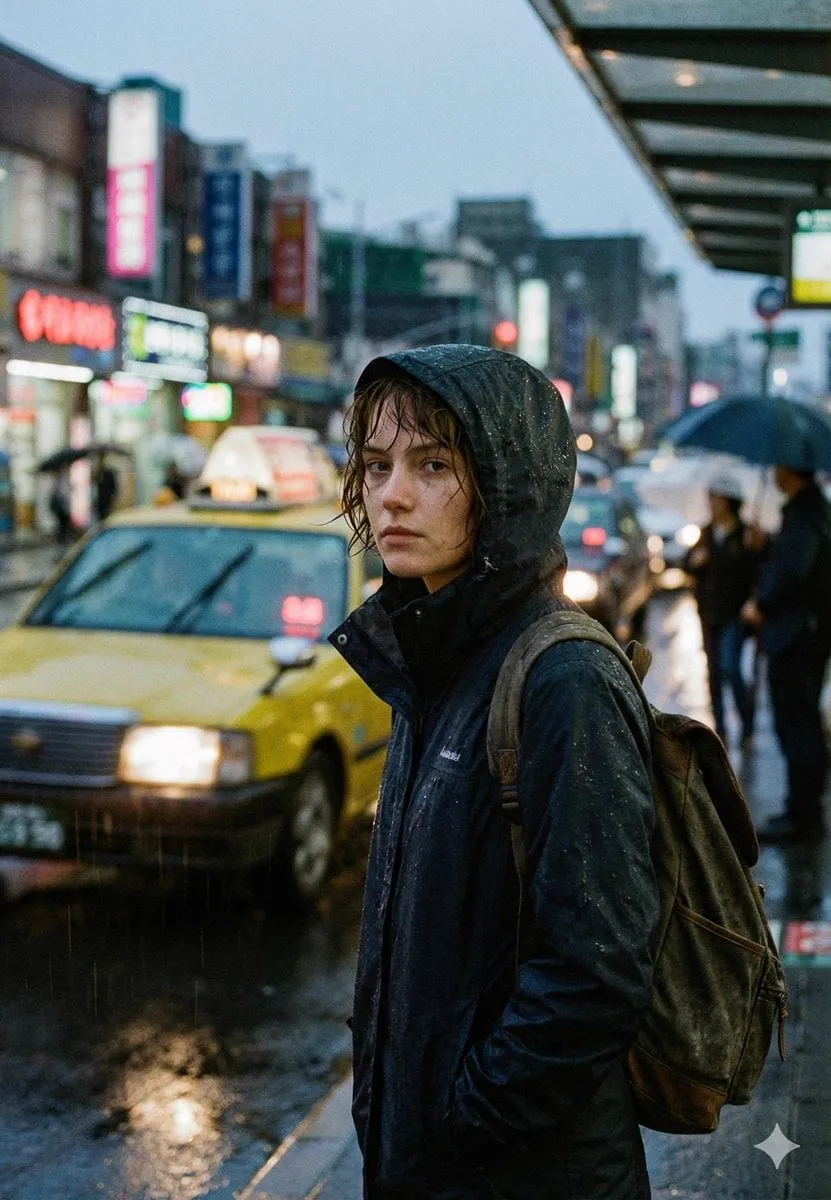
The Look That Audiences Read as "Movie"
There is a reason a cinema audience feels a difference between a student short and a studio film, and it is rarely equipment budget alone. The difference is a set of visual and sonic conventions that human filmmakers have spent a century refining: disciplined framing, motivated lighting, deliberate camera behaviour, controlled colour, and sound that works with the picture rather than against it. Audiences read these conventions instantly, even when they cannot name them, and label the result "cinematic."
Generative AI video has made those conventions dramatically more attainable. A capable team can now iterate cinematic concepts at a fraction of the old cost, testing a scene's mood, framing and motion without a physical shoot. But reaching genuinely film-grade output still requires judgement about which tool, which model and which control to reach for. This guide explains the levers that produce cinematic quality in AI video and how a broad, well-chosen toolset turns them into repeatable results.
What "Cinematic" Actually Means in a Generated Frame
It helps to be precise. Cinematic quality is not a single setting; it is a cluster of observable properties that line up with film convention.
Composition That Directs the Eye
Film frames are composed with intent. The subject sits with clear relationship to the background, the eye is led through the frame, and negative space is shaped on purpose. AI output reads as cinematic when the composition holds this kind of weight rather than centring a subject in a void.
Lighting That Motivates the Mood
In film, light has a reason: a window, a lamp, the mood of the scene. Flat, uniform lighting reads as video; motivated, sculpted lighting reads as cinema. Colour temperature, contrast and how light falls on the subject are the fastest levers from "footage" to "movie."
Camera Behaviour With Purpose
Cinematic motion is motivated. A slow push toward a face is a choice about tension; a steadicam glide is a choice about following a walk. Random camera wobble or gratuitous motion reads as amateur. When the camera acts with intent, the audience trusts the storytelling.
Consistency Across the Cut
A film holds its visual grammar across every shot: the palette stays coherent, the lighting stays motivated, the characters stay on model. This is the connective tissue that makes a set of individually strong frames read as one film rather than a montage of lucky stills.
Choosing the Right Model for the Right Moment
The biggest upgrade to cinematic output is abandoning the fantasy of one best model and treating the model library as a film crew with specialists.
Realism and Character Work
For believable faces, subtle performance and photographic texture, use a model built for realism and subject fidelity. These engines hold a face together through motion, which is the foundation of any character-led dramatic scene.
Style and Atmosphere
For distinctive aesthetics, atmospheric scenes and stylised storytelling, reach for an engine that renders the mood you need rather than fighting realism into a stylised job. Smarter to pick a specialist than to misapply a generalist.
Motion and Dynamics
For action, sweeping camera moves and physical movement, choose a model tuned for temporal coherence that keeps consecutive frames locked together, because fast movement is the most likely class to wobble or warp in generation.
Quick Iteration and Previsualisation
For blocking, timing and cheap drafts, use a fast and efficient lightweight model. Plan and shape with the cheap tool, reserve the heavier engines for the frames that will actually reach the final cut.
Directing the Cinematic Variables Like a Professional
The model renders; the director decides. The cinematic layer lives in decisions the model does not make for you.
Run the Colour and Light Conversation Early
Decide the palette and lighting philosophy before generating anything, then apply it as a constant rule to every scene. A film's mood is built on a coherent, deliberate colour approach, and drift between scenes is the fastest way to destroy it.
Use Shot Size and Angle to Shape Meaning
Choose the shot size, camera angle and lens behaviour for each beat and carry them into the prompt. A wide low-angle shot tells the audience something different from a tight close-up. The model will happily generate either; the director has to know which one the story needs.
Direct the Performance, Not Just the Action
Rather than "the character walks in," prompt with intent: "enters, hesitant, scanning the room, then steadies." Intent words change the rendered performance. A scene with a motive reads as cinema; a scene with only an action reads as a shot.
Keeping the Cast and the World Consistent Across a Long Piece
Cinema is a continuity art. The audience quietly checks that the hero is the same person in every scene and that the world obeys its own rules. AI video makes that check easy to fail and surprisingly cheap to win.
Lock the Character Identity Before You Generate
Establish the hero and the supporting cast from consistent reference images and reuse that locked identity across every scene. When the cast is recognisable into the tenth cut, the audience stays inside the story. When the hero changes face, the illusion breaks instantly.
Enforce the World's Visual Rules Persistently
Lighting signature, palette, prop design and location logic should be defined once and applied everywhere. A coherent world is what lets the audience trust the frame, and consistency is the cheapest way to build that trust.
Bookend Meaningful Motion With Keyframes
For a long or complex move, set the intended start and end frames as anchors and let the motion unfold between them. This prevents the classic failure of a shot that begins correctly and drifts hopelessly by its end. Stability at the boundaries produces stability through the middle.
The Platform Underneath: Make the Toolset Work for You
The machinery that routes your generation matters as much as the models themselves. A well-run pipeline makes cinematic iteration cheap and safe.
Respect Compute as a Budget, Not a Luxury
Cinematic tests are only cheap when you spend least where it matters least: draft and preview frames with the fast engine, reserve high-fidelity generation for hero frames, upscale only at final export. Mismanaged compute makes iteration expensive, and expensive iteration makes you stop practising the craft.
Reliable Queues, Reliable Iteration
A generation platform that handles queuing and resource management without losing jobs lets you iterate without babysitting, which is what practising direction repeatedly actually requires. Reliability under the hood is a creative enabler, not just an IT concern.
Keep Your Project Assets Versioned
Your style rules, character references, palettes and shot lists are the film's identity. Keep them organised and versioned so every new scene inherits the established grammar instead of re-inventing it.
A Repeatable Cinematic Workflow
Following a loop keeps quality high and waste low.
- Define the film-wide rules: palette, lighting, lens language, cast.
- Build every scene from a structured prompt carrying shot size, angle, subject intent, lighting and mood.
- Route each scene class to its best-fit model, previewing cheaply before committing heavy generations.
- Check continuity at every cut during assembly, verifying cast and world stay on model.
- Budget compute toward the frames that matter and leave the drafts cheap.
Building a Cinematic Colour and Light Language
The fastest way to signal "movie" is a deliberate, coherent approach to colour and light. This is a language you can define once and then apply across an entire project.
Choose a Palette That Serves the Story
Decide the dominant palette early: warm and golden for intimacy, teal-and-orange for conventional drama, desaturated and cool for tension. Once chosen, hold it across scenes so the film reads as one world. A palette that shifts with every scene is the quickest way for a project to feel scattered rather than cinematic.
Motivate Every Light
In film, light has a reason: a window, a practical lamp, the mood of the moment. When you prompt for lighting, tie it to a source and a purpose rather than a generic "soft light." Motivated light reads as cinematic; flat light reads as footage, no matter how high the resolution.
Let Contrast Communicate Emotion
High contrast and deep shadows carry drama and mystery; low, even contrast feels calm and approachable. Use the contrast of each scene to reinforce its emotional note, and keep the overall language consistent so the film has a recognisable signature.
Sound Design as Half of the Cinematic Experience
Cinema is as much a sonic medium as a visual one, and the same ambition belongs in the audio track.
Score to the Shape of the Scene
A musical bed that builds toward the scene's payoff and releases at the right moment does a large part of the emotional work that the visuals start. Time the entry and exit of music to the dramatic beats you planned in the storyboard, and let quiet passages breathe before a big reveal.
Layer Ambience for Believability
A scene set in a forest, a kitchen or a noisy street sounds different, and an ambience layer makes the world feel real even behind dialogue and music. Realistic room tone and natural background sound are what stop a generated scene from feeling weightless.
Design Transitions Across the Cut
A smooth visual cut needs matching audio treatment: a sound bridging the two scenes, a musical hit that lands exactly on the cut point, or a deliberate silence that punctuates a change. Sound is what makes a visual transition feel intentional rather than abrupt.
Managing Iteration and Quality Control in a Cinematic Workflow
A cinematic standard is demanding, which means quality control has to be part of the routine rather than an afterthought.
Always Preview Before Committing
Generate a small sample with the chosen model and rules before spending the heavy budget on a full pass. Confirm composition, lighting and mood are right, then commit. This preview-first habit is the single best protection against expensive, discarded frames and against a project silently drifting from its plan.
Check Every Shot Against the Film Rules
After any generation, verify the output against the film-wide rules you set: palette, lighting philosophy, lens language, cast identity. When a shot breaks a rule, fix it at the source rather than patching the symptom. Consistency is enforced shot by shot or it is not enforced at all.
Review the Sequence, Not Just the Clips
Watch the assembled film in order to catch continuity issues that are invisible in isolation. A muted lighting jump, a wardrobe shift, a character drift only becomes apparent when the shots sit side by side. Make the in-order pass a fixed part of delivery before you sign off on a scene or a film.
Common Ways Cinematic Projects Go Flat
- The look drifts across scenes: no coherent global style rules. Define palette, lighting and lens language once.
- The hero is a different person shot to shot: no locked identity. Establish consistent references and reuse them.
- Individually strong frames read as a random montage: assembly ignored pacing and continuity. Enforce the film grammar at every cut.
- Expensive iterations training wheels removed: compute was wasted on discarded frames. Preview with the cheap tool before committing.
FAQ: Cinematic Quality in AI Video
Do I need film-school knowledge to get cinematic output? The concepts accelerate you dramatically, but you can build the craft by studying references, using structured prompts, and iterating against clear goals. Knowledge of shot language and lighting is the highest-leverage skill.
Can a single model ever produce an entire cinematic film? Not at its best. Cinematic output comes from routing each scene class to its best-fit engine while holding style, identity and continuity constant. A crew of specialists beats one generalist.
What is the single biggest practical upgrade? Locking a coherent visual identity and continuity across the whole piece, and keeping it consistent scene after scene. Everything else supports that foundation.
Cinematic quality in AI video is not a magic setting hidden in a model; it is a set of film conventions applied with judgement across a well-routed toolset. Compose with intent, motivate the light, direct the camera, lock the cast, and hold the world consistent to the final cut. Do that and the audience will not see a render; they will see a film.
