

Unlocking cinematic quality: filmmaking with AI tools
2025 marks a critical inflection point where AI video generation has moved from speculative technology to an essential component of the modern creator toolkit. The demand for high-fidelity, narrative-driven video content is skyrocketing, and the market for AI-assisted cinematic tools is projected to surpass $15 billion in annual revenue. The opportunity is clear: harness these tools to compress production cycles from months to days, making cinematic quality accessible to solo practitioners and small studios alike.
This guide covers the techniques that actually matter: choosing the right models, keeping scenes visually cohesive, using AI-guided direction, and building a production workflow that scales.
Why visual consistency is the real challenge
Cinematic quality isn't just about resolution — it's about narrative coherence and stylistic integrity at scale. The primary challenge for creators is visual consistency: ensuring characters, lighting, and environments remain identical across disparate shots. Complex, multi-scene projects demand this, and it's the difference between amateur-looking output and professional-grade work.
The second challenge is direction. Translating creative intent into precise technical parameters has traditionally required years of on-set experience. AI agents that act as virtual directors now automate framing, shot selection, and pacing — democratizing professional-grade cinematography so creators can focus on story structure and character performance.
Choosing the right model for the job
No single model is best for everything. The key skill in 2025 is treating model selection as the primary choice for your film's overall visual language.
Photorealism and texture fidelity
Some models excel at pure textural fidelity: subsurface scattering, realistic motion blur, fine detail in materials. These are essential components of true cinematic texture, and they shine for close-ups, product shots, and any scene where material realism is the star.
Long-form narrative continuity
Other models offer robust tracking across complex camera movements and long temporal jumps, maintaining consistent characters, locations, and objects through the narrative structure. These are ideal when your story spans many shots and you need the subject to stay recognizably the same.
Specialized aesthetics
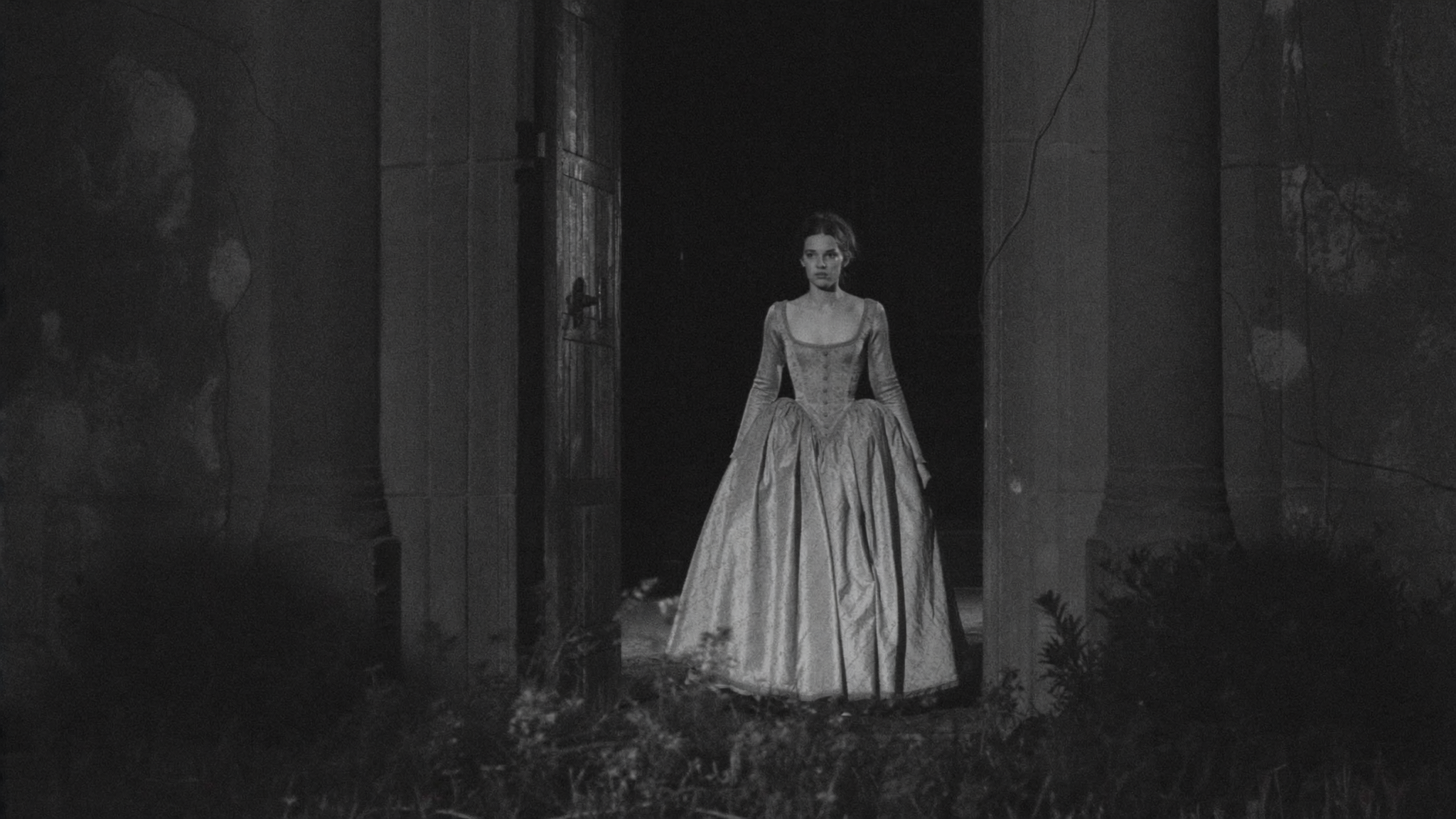
Specific visual memories — the moody darkness of neo-noir, the saturated hues of classic Technicolor — are often captured better by specialized models with exceptional prompt adherence. For background plates and environmental B-roll, cost-efficient models with high physical realism work well for wide shots where environmental immersion matters more than character detail.
For creators starting out, a solid entry point is experimenting with a text-to-video generator to see how different models handle the same prompt, then moving to image-to-video when you need to lock down a specific look.
Scene cohesion: multi-reference and keyframe control
Cohesion across multiple shots is paramount for cinematic believability, especially with complex staging or multiple characters interacting in varied setups. Two techniques carry most of the weight:
Multi-reference images
Inputting multiple reference images — some models support up to 7 — lets you maintain a consistent look book across an entire sequence, even when switching between different base models for specialized effects. Treat the input images as persistent anchors during dynamic motion sequences. This is invaluable for maintaining character design continuity in action scenes.
Keyframe control
Defining keyframes early in the pipeline forces subsequent generations to adhere to the character and environmental definitions you established. Details set in frame one are respected in frame one hundred. Define a character's costume, lighting setup, and facial expression once, then recall those attributes across entirely different scenes.
AI-guided direction: the virtual director
An AI agent director transcends simple prompt assistance. It understands narrative beats, suggests appropriate camera movements, and ensures scene composition adheres to established film grammar. Here's what it actually does:
Automated cinematography
If a scene calls for tension, the agent might suggest a low-angle Dutch tilt or a slow, creeping dolly shot — providing the parameters directly to the generation model. When generating a confrontation scene, it can automatically implement the 180-degree rule to maintain spatial orientation between characters across multiple clips.
Narrative pacing oversight
A major stumbling block in AI long-form content is the degradation of pacing: scenes linger too long or transition abruptly. The agent maintains awareness of the overall narrative arc — inciting incident, rising action, climax — and monitors the duration and energy of generated segments, flagging where pacing feels inconsistent.
Dynamic adaptation to model strengths
Suggestions adapt based on the chosen model's capabilities. If high movement is required, the agent suggests a model with strong camera motion control rather than forcing a static model into a complex shot. For high emotional impact, it recommends extreme close-ups based on the emotional valence of your description.
Character persistence: the crucial technical differentiator
Cinematic quality collapses instantly if a character's face or costume subtly shifts between shots. The solution is training a temporary, project-specific keyframe profile for key elements, then referencing that profile across every model used in the project.
This profile keeps the core identity of the subject locked even when you request stylistic changes — shifting from a bright daytime look to a dark nighttime scene, for example. It also helps track non-human subjects and props: crucial items seen in an early shot are correctly rendered in a later shot, even if the later shot's model has weaker native object tracking.
Budgeting smartly for high-volume output
Not every shot needs the most expensive model. Strategic allocation keeps quality high while controlling costs:
- use cost-efficient models for establishing shots and B-roll;
- reserve premium models for crucial close-ups and dialogue scenes that demand maximum fidelity;
- use quick idea-to-video models for early iterations, then upgrade to meticulously crafted segments for high-impact moments;
- test outputs rigorously — slight changes in prompt weighting can drastically alter the final mood or character appearance.
The infrastructure behind scalable production
Cinematic quality at volume requires robust infrastructure. The key components:
- Task queues that act as load balancers, prioritizing jobs by subscription level and cost so premium features stay responsive under heavy load;
- Structured metadata storage that lets you recall exact generation settings for continuity checks;
- Modular design that allows seamless integration of new models without downtime.
Monetization: turning cinematic skills into assets
Modern platforms extend beyond creation into economics. Creators can train and publish their own AI models — including models pre-trained with multi-image fusion techniques — and earn revenue share or rewards when others use them. This aligns economic incentives with innovation and creates a marketplace of stabilized character looks that others can purchase.
Key takeaways
- Visual consistency is the number one technical challenge — solve it with multi-reference images and keyframe control;
- Treat model selection as a creative decision that defines your visual language;
- Use AI-guided direction for cinematography and pacing, then layer your own judgment on top;
- Budget strategically: cheap models for B-roll, premium models for the moments that matter;
- Build a workflow that persists character profiles across every scene and model.
Cinematic quality is no longer the exclusive domain of studios with rendering farms. With the right models, consistent references, and a virtual director handling the technical minutiae, independent creators can produce work that holds its own against traditional productions — and do it in days, not months.
If you want to put these ideas into practice, try the AI video generator, create images with the AI image generator, or turn text into scenes with the text-to-video tool. They are simple starting points for your first project.
