
![Create a 9-image Instagram feed for this product in [the same aesthetic]. Use...](https://storage.brightvectorlabs.com/prompts/bright/product-and-brand/2027122256426521040-0.webp)
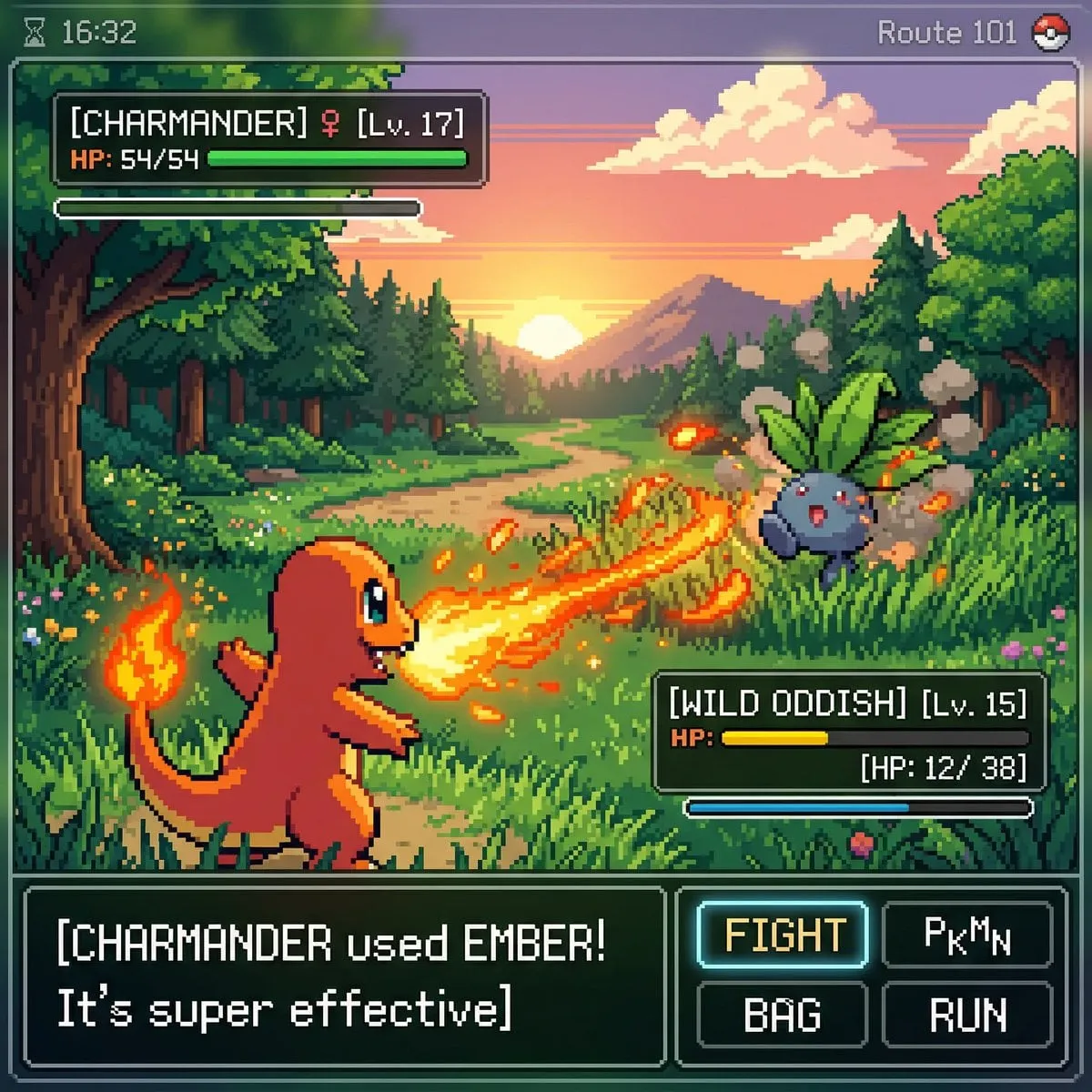
Pixel art has a timeless appeal. It triggers nostalgia, reads as charming and handmade, and stands out in a feed full of photorealistic content. But static pixel art only goes so far in a video-first world. The solution is to bring that blocky, chunky aesthetic to life by converting pixel art into video style using a technique built around Lego-like pixel bricks — a grid-based approach where each element behaves as a physical, voxel-style block and the camera moves through them.
This article walks you through how to convert pixel art into a video style, from building the technical foundation and selecting the right AI video model, to designing prompts, controlling visual consistency, syncing audio, and optimizing your workflow. It is written for artists, indie game developers, and content creators who want to animate pixel art without losing what makes it special.
The appeal of converting pixel art to motion
Pixel art's charm lies in its constraints. The visible grid, the chunky shapes, the limited but expressive color palette — these give it a handmade identity that crowds out the sameness of AI-generated photoreal content. When you convert that into video, you get the best of both: a distinctive look plus the engagement that motion delivers.
Retro nostalgia is a powerful engagement driver. Audiences raised on classic games respond emotionally to pixel aesthetics, and that nostalgia translates into shares, comments, and longer dwell time. Animated pixel art taps into a deep well of positive association that generic 3D renders cannot reach.
There is also a practical angle. Because pixel art is inherently simple and grid-based, it is manageable for small teams. You do not need a large animation studio to produce polished, appealing content; the style itself rewards clarity over brute realism.
Why the grid structure is an advantage
The most important reason this technique works well is structural: pixel art has a clear grid-based foundation. That explicit grid gives an AI model a stable reference for style consistency, which is exactly the kind of constraint that keeps outputs coherent.
When a model can lock onto a repeating structure, it produces far more consistent results than when it must invent loose, organic shapes. The grid anchors every frame, so the blocky aesthetic stays intact even as the camera moves and objects animate. What would be a liability for realistic content becomes an advantage here.
This grid logic carries into the "Lego pixel" idea: treating each chunk as a brick-like volume with position and weight. Instead of flat pixels floating in space, elements behave like physical blocks — they slide, stack, and turn with a satisfying, tangible motion that reads as intentional and playfully tactile.
Building the technical foundation
Before you generate anything, set up your workflow. The foundation determines the visual fidelity and motion naturalness of the final video, and it starts with two things: solid style reference data and a deliberate choice of model.
Prepare a clean pixel-art reference for the style. A few strong examples that capture the palette, grid density, and subject matter give the model concrete constraints. Consistent, high-quality references matter more than volume; contradictory style references will drag every generation toward incoherence.
Next, decide your starting material. If you have a finished pixel-art scene, image-to-video is your base path. If you are describing a brand-new scene, a text-to-video path with heavy style injection will do more of the style-heavy lifting. Knowing which path to take at the start saves you from fighting the wrong tool later.
Choosing the right generation model
Not every model handles pixel art gracefully. Some are trained predominantly on photoreal material and will "smooth out" your blocky aesthetic into mush. Select a model that demonstrates an understanding of stylized, low-polygon, or voxel-like output.
Test candidates with a consistent subject before committing. Generate the same pixel character with several models and compare how well each preserves the grid, the palette, and the blocky volume during motion. A single impressive still is not evidence; what matters is identity and style holding across the animated frames.
Also match the model to the motion you need. A gentle camera drift suits a contemplative scene, while a dynamic reels-style bounce needs a model that handles faster, more physical movement without losing the crisp edge of the blocks.
Designing prompts and injecting style
The prompt is where the style lives, so it deserves deliberate construction. Describe the look explicitly, but more importantly, anchor the structural identity: blocky volumes, grid consistency, bright retro palette, and the tactile, brick-like quality of the motion.
Inject style at multiple levels rather than once. Repeat the key style token in the subject description, the camera language, and the motion description so the model keeps the aesthetic in mind through the whole generation. Consistency of style is rarely achieved by a single keyword buried in a long prompt.
It also helps to describe what to preserve. Naming the elements that must stay sharp, such as the chunky proportions and the visible grid lines, biases the output toward honoring them instead of smoothing them away in favor of realism.
Keeping visual consistency and controlling motion
The frame-to-frame consistency of characters and objects is the heart of good animation. Once a pixel character's proportions and palette are established, they must survive across every frame of the clip.
The grid is your ally here. Because the style has clear structure, you can anchor identity to that structure: keep the chunk sizes, colors, and silhouette stable even as the figure moves. Reinforce identity in the prompt and ground each generation in consistent references, and the model has less room to wander.
Camera motion brings the scene to life, but it must be synchronized with the pixel motion to feel coherent. A slow push-in over the blocky landscape and a playful brick-tumble transition each have their place. Match the camera language to the energy of the scene rather than forcing every clip through the same move.
Integrating sound design
Silent pixel art misses out on a huge share of its charm. Sound is what turns a cute scene into an immersive world, and syncing audio to the blocky motion multiplies the engagement.
Design a soundscape that matches the tactile quality of the bricks. Chunky, percussive sounds land well on block movement, while a simple melodic bed carries the retro mood. Place key sound events on the moments that matter — a bounce, a stack, a tumble — so the audio and motion feel like one piece.
Again, restraint wins. A light bed of music with a few well-timed effects reads far more professional than constant foley. Sparse, intentional sync makes the pixel world feel both alive and crafted.
Optimizing the production workflow
Repeatability is what turns a fun experiment into a real content pipeline. Build a workflow that produces consistent pixel-video output without a creative reset every time.
Start by modularizing your process: hold a style reference library, a set of reusable prompt templates, and a clear checklist for the model and camera settings. When each step follows the same rules, the output stays on-brand even across different subjects and scenes.
Generate in batches with grading in mind. Produce several candidate clips for each shot, grade them on style retention and motion quality, and keep only the keepers before moving to the edit. Efficiency comes from rejecting bad directions early, not from rendering endlessly.
Bringing a scene to life: cameras, motion, and world-building
Animation succeeds when the camera feels intentional and the world feels alive. For pixel art, the opportunity is to treat each frame as a little diorama that the camera explores, rather than a flat image that merely wiggles.
Camera language is the difference between a clip and a scene. A slow dolly-in over the blocky landscape invites the viewer in, a lateral pan reveals scale, and a gentle crane gives a sense of place. Name the move in your prompt and keep it stable, so the model renders deliberate movement instead of an accidental drift.
World-building matters just as much as the subject. Pixel-art environments carry personality through props, palette, and little living details. A flickering neon sign, a drifting cloud of pixels, or the bump of a block falling into place all make the world feel occupied rather than arranged.
The interplay of camera and motion is where restraint earns trust. Let some shots be quiet, with only subtle life in the background, then reserve a dynamic tumble or a sweeping move for a key moment. Contrast is what makes both the calm and the action feel meaningful.
Expression and character in a blocky style
One worry about pixel and brick styles is that characters feel limited or emotionless. In reality, the constraint forces bold, readable expressions, which is exactly what reads well on small screens and short clips.
Design expressions through silhouette and contrast. A character's mood can be carried by posture, the tilt of a block-shaped head, the size and angle of the eyes, and the rhythm of movement. Since there are no subtle skin textures, the expression has to be clear and immediate.
Keep the character's core identity while letting expression vary. The grid, palette, and proportions are the constant; the eyes, pose, and motion are the flexible surface. A strong reference set locks the foundation so the model can play freely with emotion without losing the character.
This is also where audio helps enormously. A muffled grunt, a bright bounce, a soft tone change can carry emotion that the blocky visuals alone cannot fully express. Sound and expression together make the character feel genuinely alive.
From single clip to episodic content
An animated pixel scene is charming on its own, but the technique reveals its full value when it becomes reusable episodic content. Consistency is what turns scattered clips into a world that viewers want to return to.
Anchoring the world is the first step. Just as you lock a character's identity, lock the location, palette, and recurring props so every episode looks like the same world. Viewers recognize a consistent pixel setting the way they recognize a favorite game level.
A recurring protagonist multiplies retention. When the same blocky hero appears across episodes, the audience builds an emotional investment that single shots cannot create. Register the hero's identity once and reuse it, so the series holds together visually.
Building a small reference library turns repetition into a production advantage. Recurring colors, environments, and characters stored as references let you generate new episodes quickly without re-solving the consistency problem every time.
Optimizing for platforms and short attention spans
Where your pixel video goes determines how you should shape it. A clip tuned for a vertical feed serves a different purpose than one embedded in a larger project, so adapt the format to the destination.
Aspect ratio and framing matter first. Generate in the correct format up front rather than cropping, so the pixel detail and composition survive intact. Vertical, square, and wide each reward slightly different framing of the blocky world.
Pacing is the real platform currency. Social feeds reward a hook in the first moment, a payoff, and a quick resolution. Slower, more contemplative motion suits longer viewer attention, so match the pacing to the typical attention span of the audience.
Consistency at the account level pays off too. If a stream carries the same palette and motion language across posts, it reads as one cohesive brand even when each clip is separate. That shared identity builds recognition feed after feed.
Building a repeatable style library
The fastest path to steady output is converting a single good result into a reusable library. Once you have a style you love, capture it so you do not have to rediscover it each time.
Store reference images, palette notes, and the winning prompt template together so a style can be reproduced on demand. Separate the fixed style layer from the variable subject layer, and hold the rules in a checklist that any teammate can follow.
Version the library. As you refine a look or experiment with a new mood, keep records of what changed, so you can revert or learn from what worked. A living style library makes the pixel output consistent even as the team grows.
This discipline converts one lucky generation into an asset. The library is what lets you ship a channel's worth of consistent pixel content rather than a handful of isolated experiments.
Troubleshooting common problems
The pixel art loses its blocky look and gets smooth. Readjust the style tokens and reinforce the grid and volume language in the prompt. A too-realistic model may need replacing.
The character drifts between frames. Ground every generation in consistent references and reinforce identity words. Contradictory style references will cause incoherence.
Camera motion feels disconnected from the pixel movement. Re-sync the camera language to the energy of the scene and describe the motion in physical, brick-like terms rather than flat screen movement.
The colors shift between clips. Standardize the palette in your references and prompt template so every generation inherits the same color rules.
Frequently asked questions
Is pixel art to video harder than standard image-to-video? Not necessarily. The grid structure is actually an advantage for consistency, but you must pick a model that respects stylized output and reinforce the style deliberately in your prompts.
Can I animate an existing pixel-art game scene? Yes. Feed it as a strong reference and run image-to-video with your style and motion language. Keep the grid and proportions explicit to preserve the game's identity.
How do I keep the retro feel while adding modern polish? Anchor the palette and grid structure faithfully, then let the motion and sound soundscape add the polish. The style identity carries the retro charm; the production quality carries the appeal.
What if my model tends to smooth pixels out? Swap to a model known for stylized output and strengthen the style tokens. Sometimes you simply need a model that understands voxel and low-polygon aesthetics.
Bringing pixel worlds to life
Converting pixel art into video style is one of the most rewarding uses of AI generation — it pairs a universally loved aesthetic with the engagement of motion. The trick is to treat the grid as your friend, choose the right model, and inject style at every level of the description.
Start small: animate a favorite scene, tune your palette and prompt template, and build a repeatable workflow. Over time you will develop a library of references and settings that let you bring any pixel world to life on demand. In a landscape saturated with photoreal output, the blocky charm you preserve is precisely what makes your content unmistakable.
