

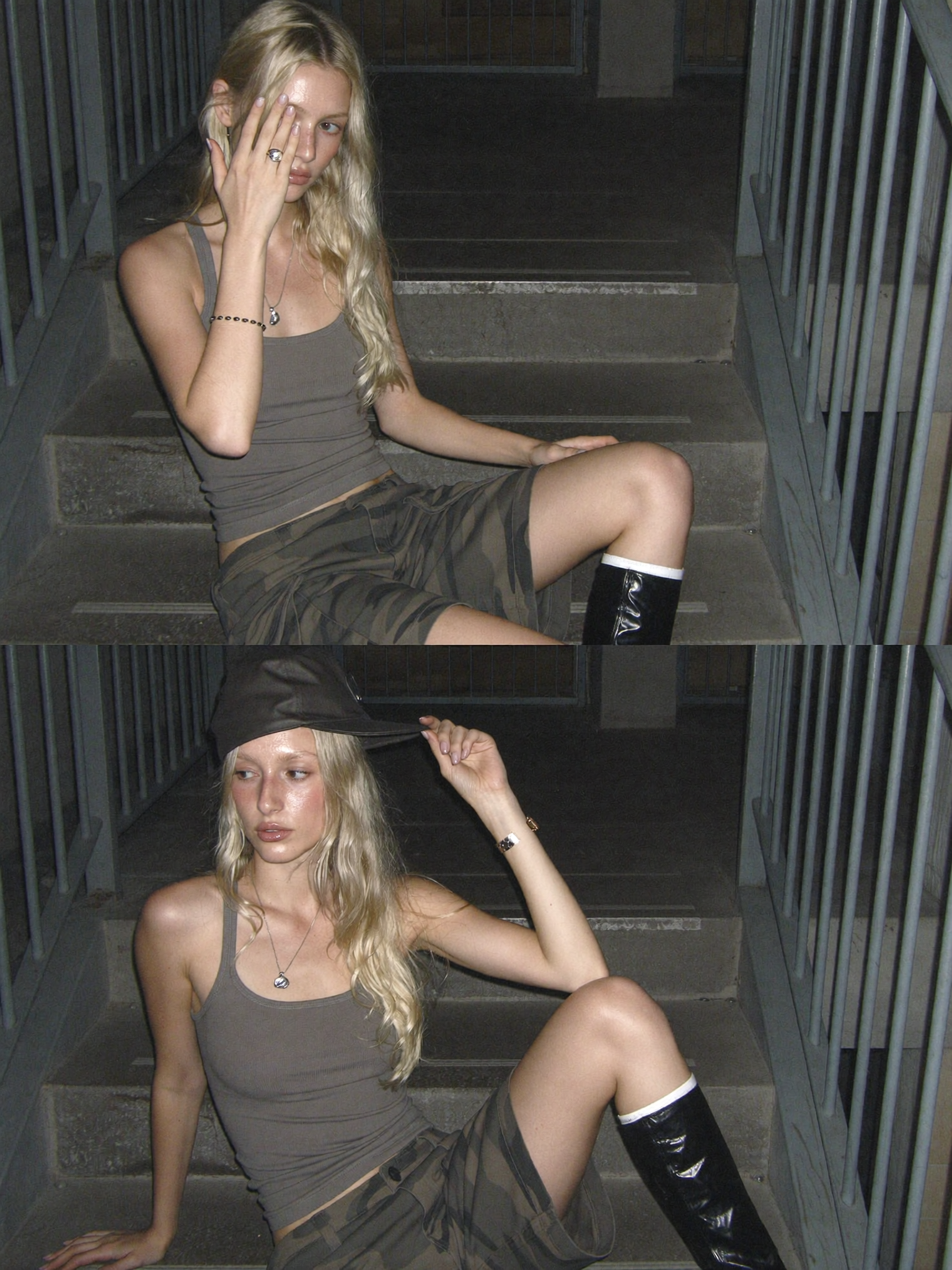
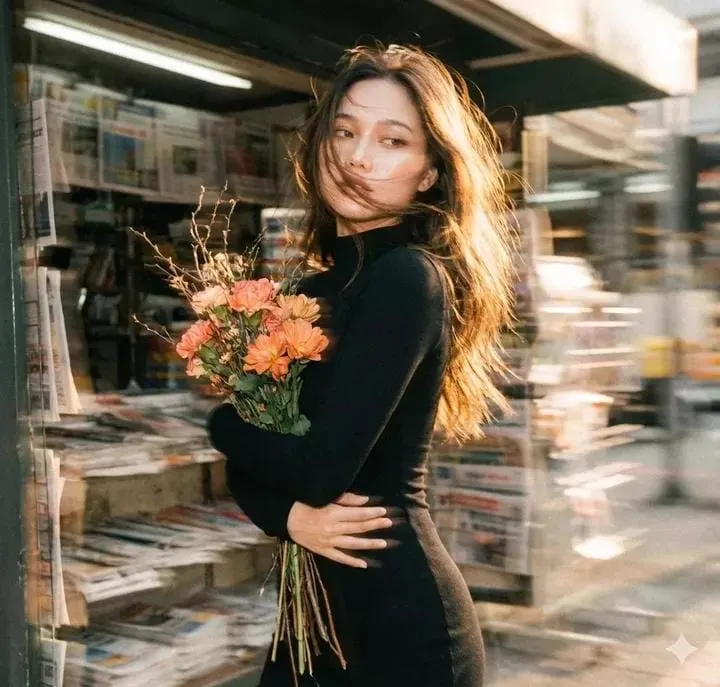
Generating a single impressive AI video is easy. Generating a sequence of shots that feel like one coherent story is hard. The difference is direction: someone has to decide what each shot contains, how the camera moves, how characters stay consistent, and how the pieces cut together. In traditional filmmaking that someone is the director. In AI video production, the director role is split between a human who makes creative decisions and an AI assistant that translates those decisions into the language of generation models. This guide lays out a complete workflow for directing AI video models, from the first idea to the final sequence, so your next project reads as a story instead of a slideshow of pretty frames.
What AI models can and cannot control
Before directing, understand the instrument. Modern video generation models are extremely capable in some areas and surprisingly weak in others.
What they control well: composition described in the prompt, general camera movements such as zoom, pan, and orbit, broad lighting direction, and style through reference images. What they control poorly: exact continuity over long sequences, fine-grained object physics, precise timing of actions, and subtle performance details. A model can show you a person walking toward a door; it cannot reliably guarantee the same jacket in shot five that it showed in shot one without help.
The practical implication is that you should design shots the model can execute reliably and use your own consistency tools for everything else. Do not ask a single prompt to carry the entire film; ask it to carry one well-defined moment.
Define the story before generating a single frame
Direction starts before generation. The most common mistake in AI video is generating first and thinking later. Reverse the order: write the story, break it into shots, and only then open the generator.
Write a shot list
A shot list is a table of the entire video, one row per shot. For each shot, note the action, the framing, the camera movement, and the duration. A ten-second video might have five to eight shots; a one-minute video might have fifteen to twenty. The shot list is your contract with the model: every prompt you write later is derived from it.
Writing the shot list forces decisions you would otherwise postpone: what does the viewer see first, where is the emotional peak, how do we transition between locations. These are the decisions that separate a story from a sequence.
Describe motion and camera explicitly
Models respond to explicit motion language. "The camera slowly pushes in on the character" produces a different result than "a dramatic scene." Build a vocabulary of camera terms and use them consistently: push in, pull back, dolly left, crane up, handheld, static, whip pan, fade. The same discipline applies to action: "she opens the door, steps through, and the camera follows" is a prompt a model can execute; "then something happens" is not.
Keep a personal glossary of the motion phrases that your chosen model honors. Models differ in their understanding of camera language, and the glossary turns a repeated discovery process into a reliable toolkit.
Keeping characters consistent across shots
Character consistency is the make-or-break issue for AI narrative. The techniques below, used together, keep a character recognizable through an entire sequence.
Use reference images
Generate or select a reference image for each character before starting the video. The reference should show the face clearly, the full costume, and a neutral pose with good lighting. Every prompt for that character should reference that image, and the character description in the text should be identical across all shots. The reference anchors the face; the description anchors the details.
Use multi-image fusion for complex scenes
When a scene contains multiple characters or a character interacting with a specific object, a single reference may not be enough. Multi-image fusion lets you combine several reference images into one generation: the character from one image, the costume from another, the environment from a third. This is the closest AI equivalent to casting and art direction, and it is the difference between a character who changes clothes between scenes and one who stays in costume.
Lock the details
Every detail you mention in the first shot must appear in every subsequent shot, word for word. A description that says "a red jacket" in shot one and "a jacket" in shot three is a different character to the model. Write the canonical character description once, paste it everywhere, and never improvise variations during a project.
Directing the craft
Choosing models for different scenes
No single model is best for every shot, and the smart director treats the model catalog as a crew. Establish the shot list first, then assign each shot to the model that matches its demands.
For hero shots — the moments that must impress — use the highest-fidelity model available, even if it is slower or more expensive. For transition shots, backgrounds, and cutaways, use a faster or more economical model, because the viewer's attention is elsewhere. For style-specific scenes, choose a model with a proven strength in that style rather than forcing a general model.
The assignment logic is simple: match the model to the difficulty and importance of the shot, not to habit. Directing is allocating resources, and the model selection is part of the budget.
Directing camera movement and transitions
Camera language shapes the feeling of a video more than most creators realize. A static camera conveys stability and observation; handheld conveys urgency; slow pushes convey intimacy or menace. Decide the emotional job of each shot, then choose the movement that supports it.
Transitions deserve the same attention as the shots themselves. A hard cut works for rapid pacing; a fade works for time passing; a whip pan connects two energetic scenes; a match cut links two shots through a similar shape or motion. AI models can generate many of these transitions if the prompt describes them, and the shot list should note the transition between every pair of shots.
A common failure is generating each shot in isolation and hoping the edit will glue them together. Instead, design the edit before generation: know exactly what the last frame of shot three looks like and what the first frame of shot four looks like, so the cut lands where you intended.
Sound and music as part of the direction
A sequence is not directed until it has a sound plan. Decide early whether the video uses voiceover, music, ambient sound, or silence, because the pacing of shots depends on it.
Music sets the emotional meter: a tense track wants shorter shots and quicker cuts; a calm track allows longer takes. Voiceover dictates the shot lengths that match the narration rhythm. Ambient sound makes generated footage feel real, and a silent video with visible motion feels wrong unless the silence is a deliberate choice.
Generate or choose the audio before the final edit, place it against the shot list, and adjust shot lengths to the audio. Directors of live-action film often cut to the music; the same instinct applies to AI video.
A repeatable workflow: plan, generate, review, refine
Here is the full loop as a single process.
- Write the one-sentence story and the emotional goal.
- Build the shot list with action, framing, camera, duration, and transitions.
- Create character and environment references.
- Assign models to shots.
- Generate one take per shot, starting with the hero shots.
- Review against the shot list, not against beauty: does the shot do its job?
- Refine the takes that miss: change the prompt, the reference, or the model.
- Assemble the sequence and check consistency across cuts.
- Add the sound plan: voice, music, ambience.
- Export, watch, and log what to improve next time.
The loop looks long, but each step is short. The discipline is the point: skipping the shot list to save time costs more time in re-generation.
Common mistakes and how to avoid them
- Generating before planning. The shot list is not paperwork; it is the direction. Without it, re-generation is endless.
- Inconsistent character text. Lock one description and reuse it verbatim.
- Ignoring references. Reference images only work if every prompt uses them.
- One model for everything. Assign models by shot difficulty.
- Forgetting transitions. The cut is part of the direction.
- Adding sound last. Audio choices should shape the edit, not patch it.
Making the workflow stick
A worked example: a twenty-second brand story
To make the workflow concrete, walk through a twenty-second video for a fictional outdoor brand selling a new backpack. The one-sentence story: a traveler leaves the city at dawn and reaches the mountains by evening, with the backpack as the constant companion.
The emotional goal is quiet determination, so the pacing is calm: no frantic cuts, no handheld. The shot list has nine shots: an establishing city skyline at dawn, a close-up of the backpack being zipped, the traveler walking through an empty street, a train window with landscape passing, a mountain road, a medium shot of the traveler adjusting the straps, a wide shot of the trail, a close-up of hands gripping the strap, and a final wide shot of the summit with the traveler small against the sky.
References come first: one image of the backpack from three angles and one image of the traveler in the same jacket. The canonical description is written once: "a woman in a light gray jacket and dark hiking pants, carrying a charcoal backpack." That exact sentence goes into every prompt.
Model assignment follows difficulty. The summit wide shot and the city skyline are hero shots; they get the highest-fidelity model because they set the first and last impression. The train window and the street walking are transitional; a faster model handles them. Camera language is consistent: the establishing shot is a slow push, the walking shots use a gentle dolly, the summit shot is a slow crane up.
Transitions are designed in advance: the zip close-up cuts to the street walking through a match cut on the backpack, the train window dissolves to the mountain road, and the summit shot fades to black with the brand name. The audio plan is a warm acoustic track that starts quiet, builds at the train sequence, and resolves on the summit.
Every take is reviewed against the shot list. If the traveler's jacket changes color in take three, the reference is re-applied, not accepted. The whole project, from idea to export, fits in a single working session, and the result is a sequence that behaves like one story.
Building a reusable shot-list template
The shot list is the most reusable artifact in AI video production. Invest once in a template, and every project starts from a structure that already works.
A good template has the same columns every time: shot number, action, framing, camera movement, duration, transition out, and model assignment. Add a header with the one-sentence story, the emotional goal, and the canonical character descriptions. The template turns every new project into a fill-in-the-blank exercise, which is exactly what you want when speed matters.
Refine the template after every project. Delete columns you never use, add notes for shots that repeatedly failed, and keep a section of camera phrases that your chosen model honors. The template becomes a living document of your directing experience, and the next project inherits everything you learned in the last one.
Frequently asked questions
How many shots should a short video have?
A ten-second video usually needs five to eight shots; a minute-long video, fifteen to twenty. Fewer shots feel static; more shots feel frantic. Match the count to the pacing you want.
Can I keep the same character across different models?
Yes, if you use the same reference images and the same description everywhere. The reference does the heavy lifting; the text keeps the details aligned.
What if the model refuses to do the exact movement I want?
Simplify the movement or break it into two shots. Fighting a model's limitation wastes time; designing around it is direction.
Is the shot list worth it for a single Reel?
Yes. Even for one short video, the shot list prevents the most expensive mistake in AI video: generating ten versions of the wrong idea.
Conclusion
Directing AI video is a skill that compounds. Every project builds your vocabulary of camera language, your reference library, and your sense of which model fits which shot. The workflow looks technical, but its purpose is creative: to make sure the story you imagine is the story the viewer sees. Start with a small project, follow the loop from shot list to sound plan, and resist the urge to skip ahead. Within a few videos, coherent, cinematic sequences will be your default output, not an accident.
